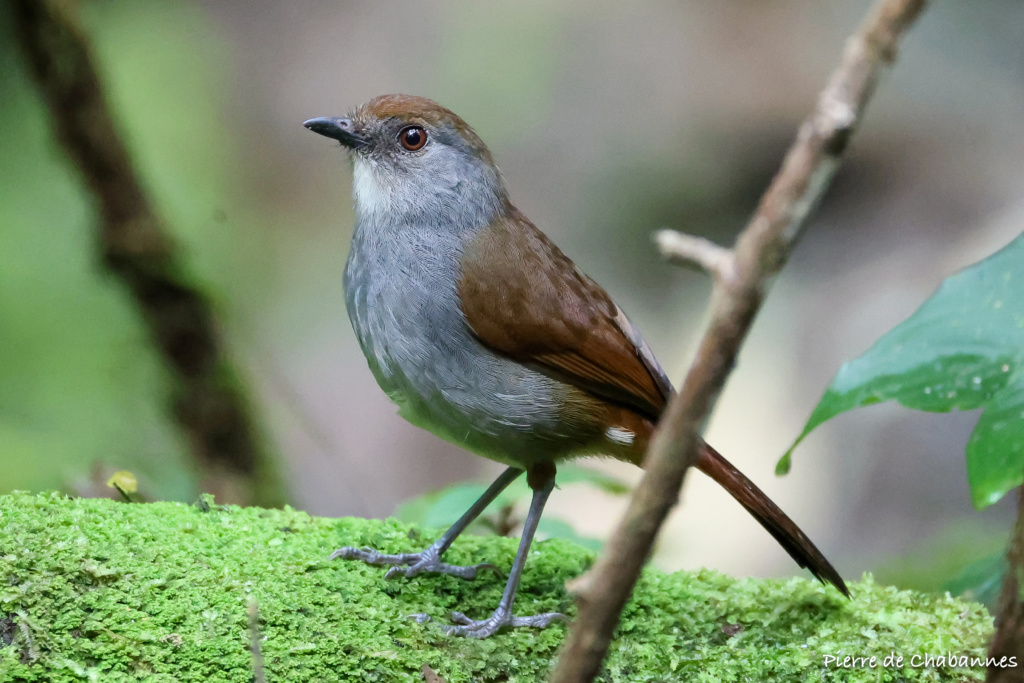
Bagobo robin (Leonardina woodi)
This species is rarely seen and remains one of the most discreet birds
of Mindanao forests.
Context
Two specimens observed in submontane rainforest in Bukidnon province, Mindanao (Philippines). Encountered near a bird hide, in natural conditions.
Field notes
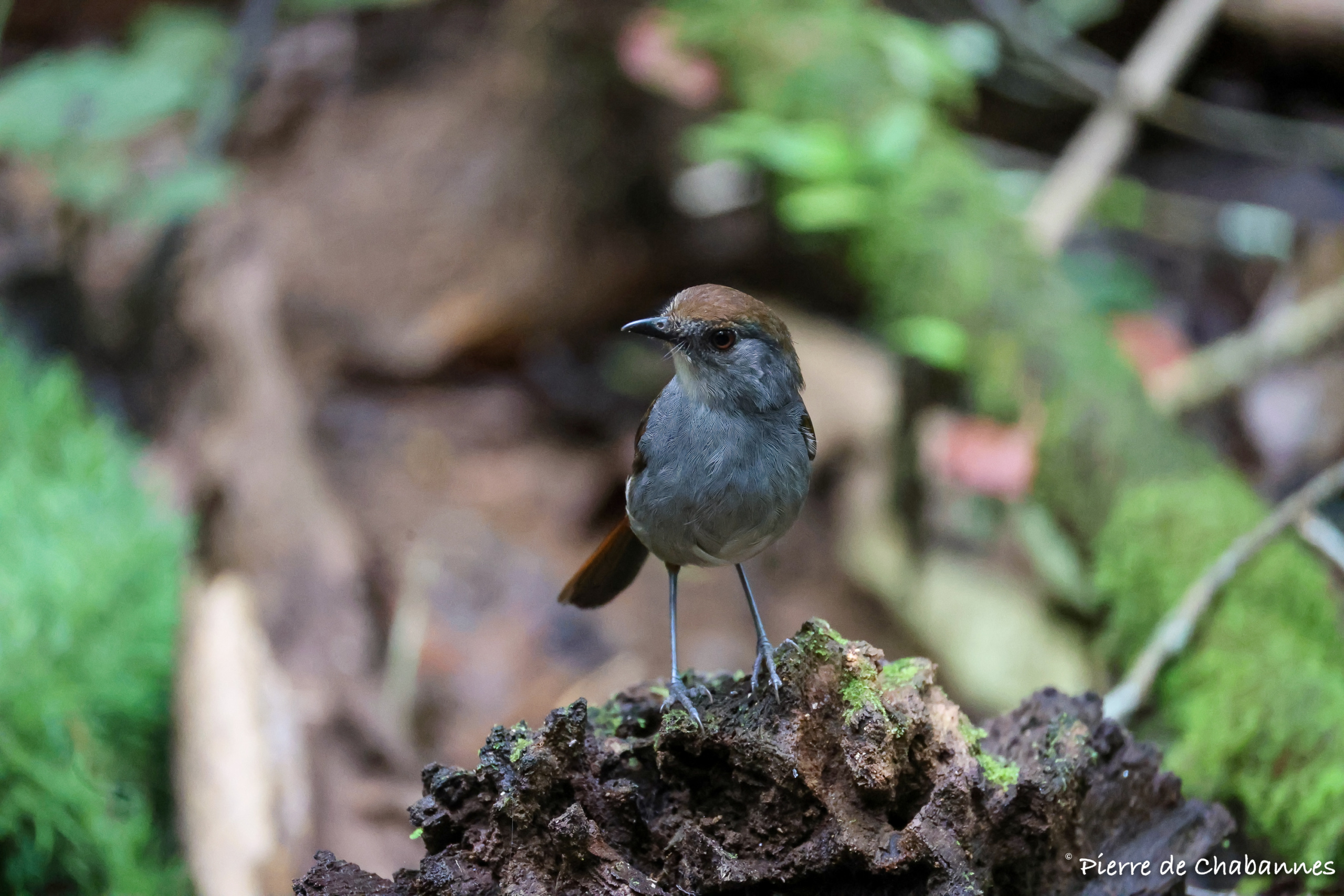
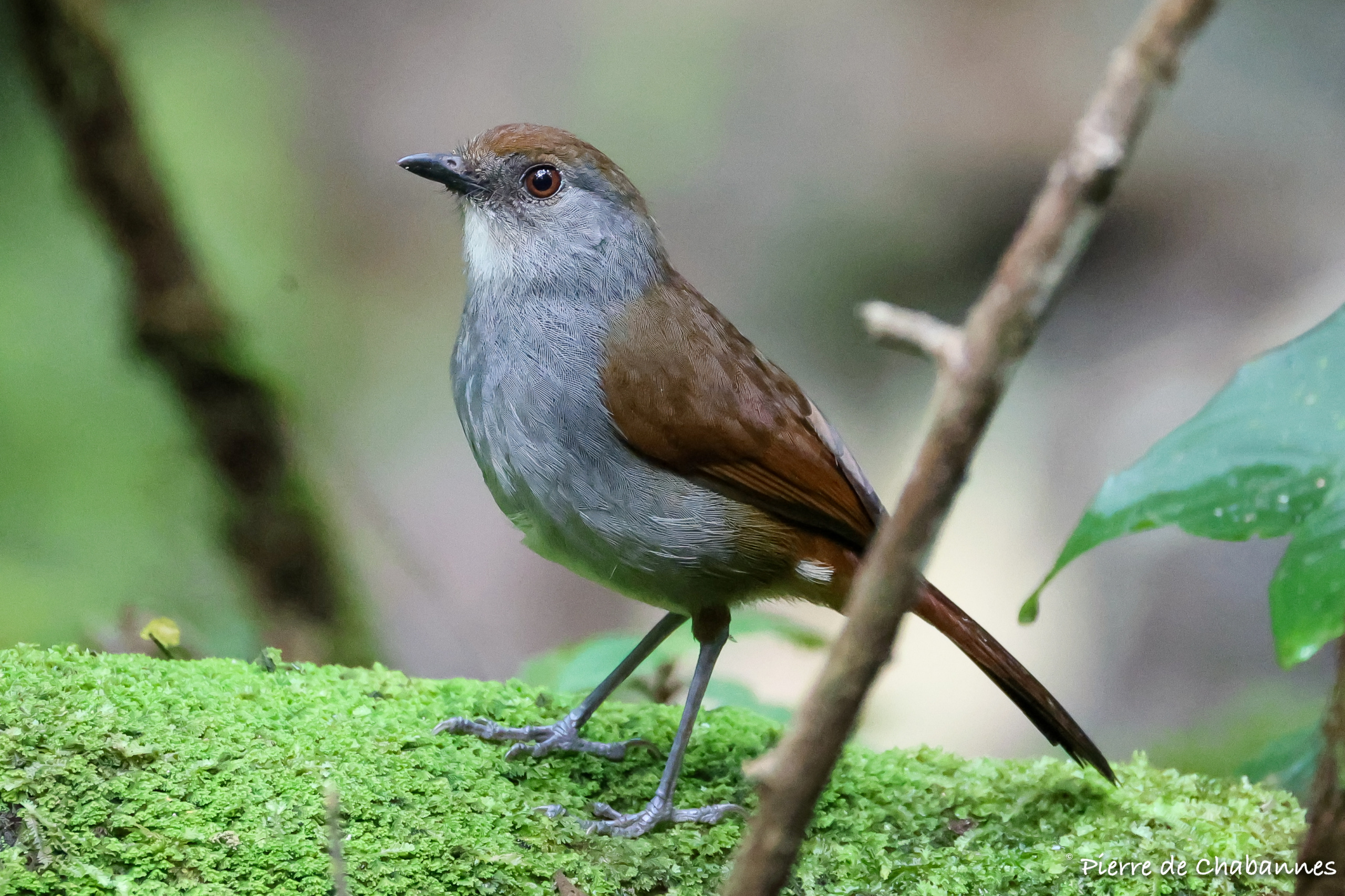
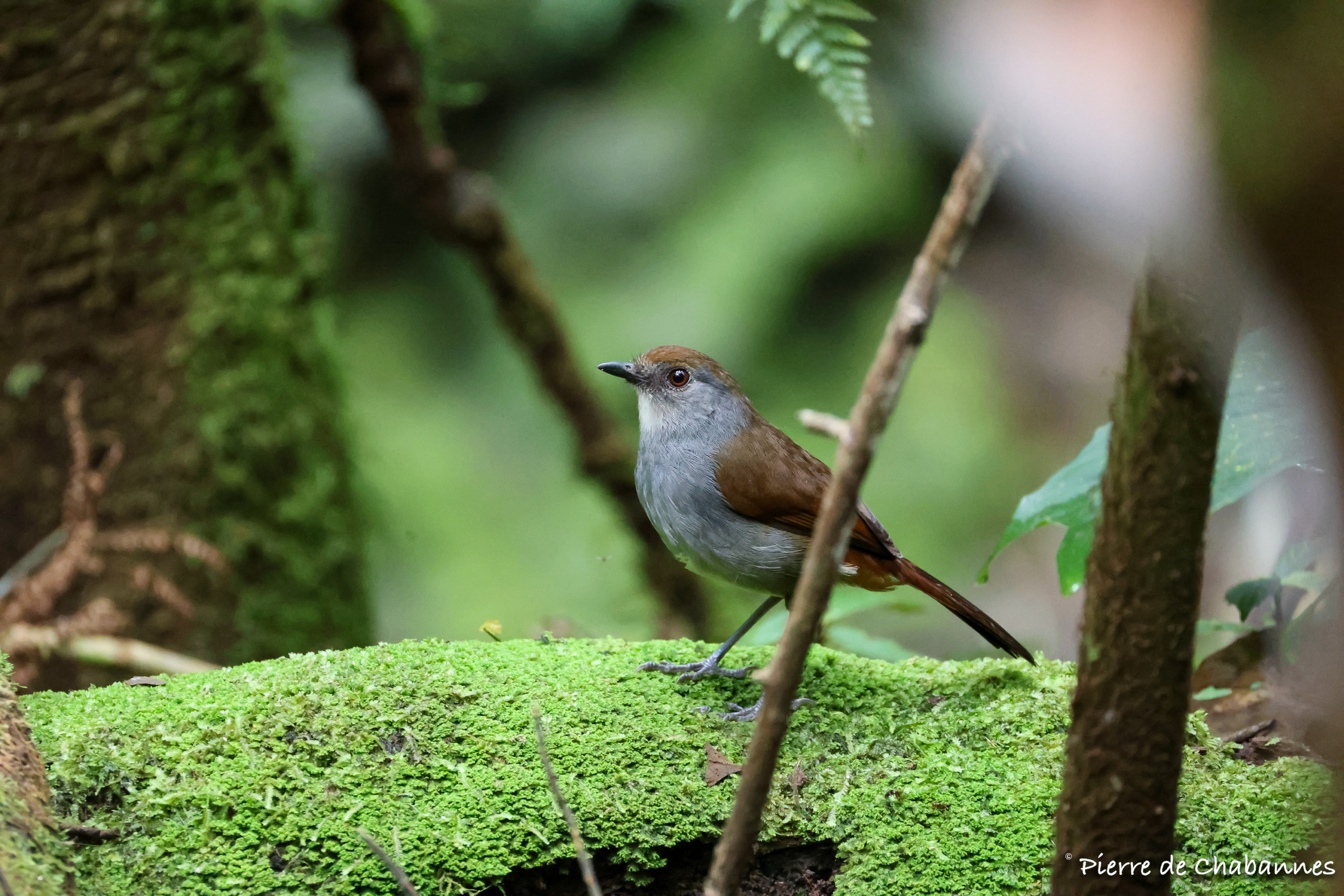
As expected, the two Bagobo robins that I saw were very shy and skulking, hopping under low vegetation and hardly ever coming in the open. Great caution was needed for each photo I took to not scare them away.
Its colors are a perfect camouflage to life near the ground, in tropical forest environments, where light is often patchy and shaded areas can be very dark, providing ideal shelter for them.
The Maputi Preserve, where I took these photos, is currently the world’s only reliable place to photograph this unique and endemic species !
Key facts
Previously known as the Bagobo babbler, this species is actually the first and only “robin” species to be found in the Philippines. Until the publication of a monograph in 2022, this very elusive bird had almost never been seen or photographed.
It is probably more common in secondary forests than in primary forests but this still needs to be investigated. The species’ favored habitat features ferns, tree ferns and forest pandans that the robin will use for nesting (as both nesting site or material).
Conservation
Although the species is listed as Least Concern on IUCN Red List, it is likely best regarded as Data Deficient since there are no population estimates or trends available. Habitat loss and trapping by hunters (accidental) are the main threats. Protecting local forest and plants used by the Bagobo robin seem to be key for the species’ long term survival.
More photos from this observation
Other species from Mindanao can be found by browsing my Education resources.
Back to Mindanao Next Species →
“A long-term project documenting biodiversity across the world through fieldwork, zoological observations and educational content.”