Iconic Species from Expeditions
A curated selection of remarkable wildlife encounters from field expeditions and zoological observations across Southeast Asia, the Pacific, and beyond.
Throughout more than twenty years of wildlife exploration and documentation, I have encountered thousands of animal species, from familiar wildlife to rare, endemic, and poorly known taxa.
This section brings together a selection of particularly meaningful observations, highlighting the diversity of animal life, the challenges of field photography, and the importance of biodiversity conservation.
Rather than an exhaustive inventory, these collections offer a closer look at selected species, their habitats, and the circumstances in which they were documented.
Field Expeditions
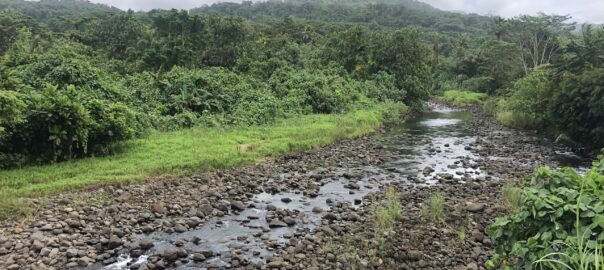
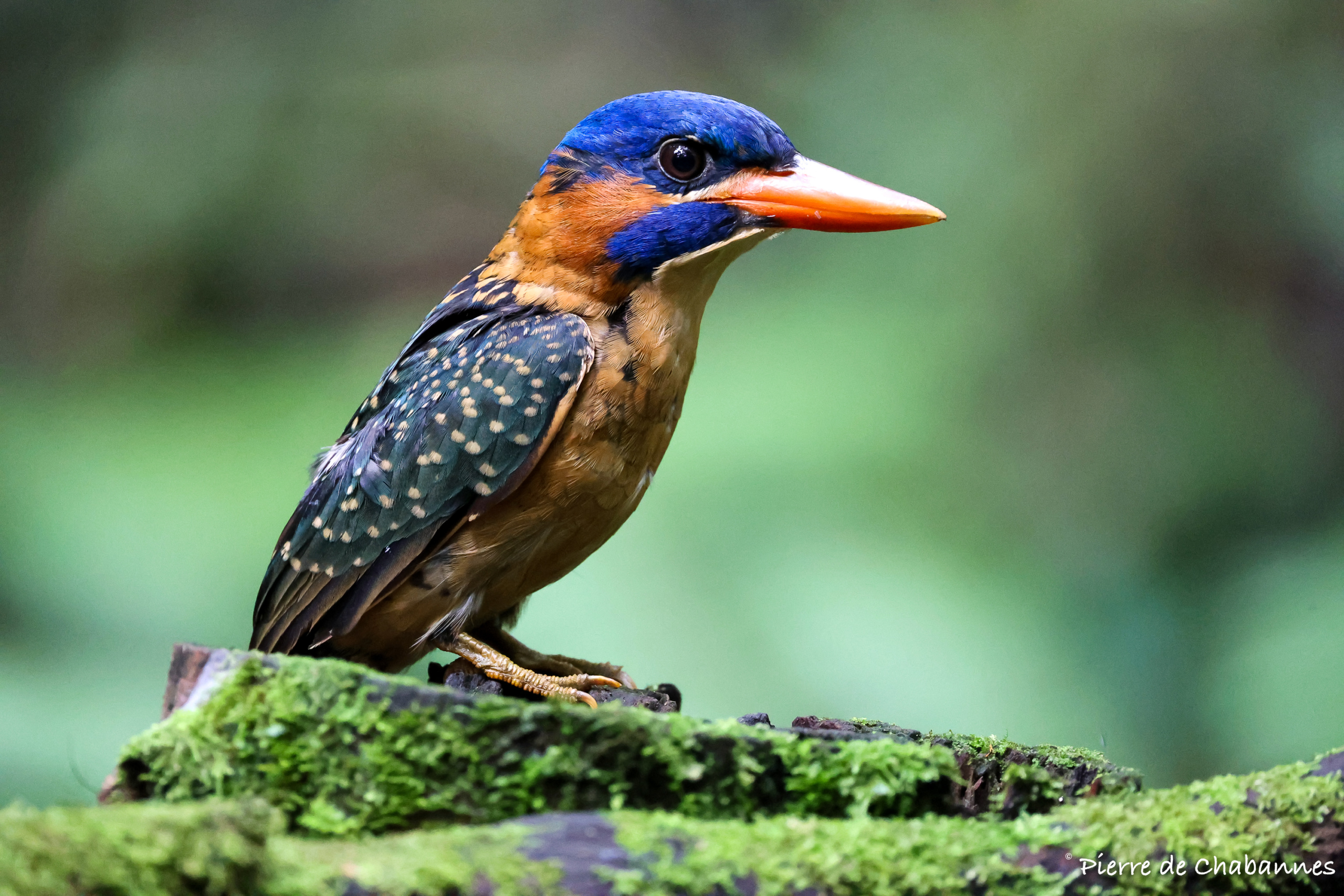 Endemic Species of Mindanao
Rare and endemic wildlife documented during expeditions to Mindanao, including poorly known and potentially undescribed species.
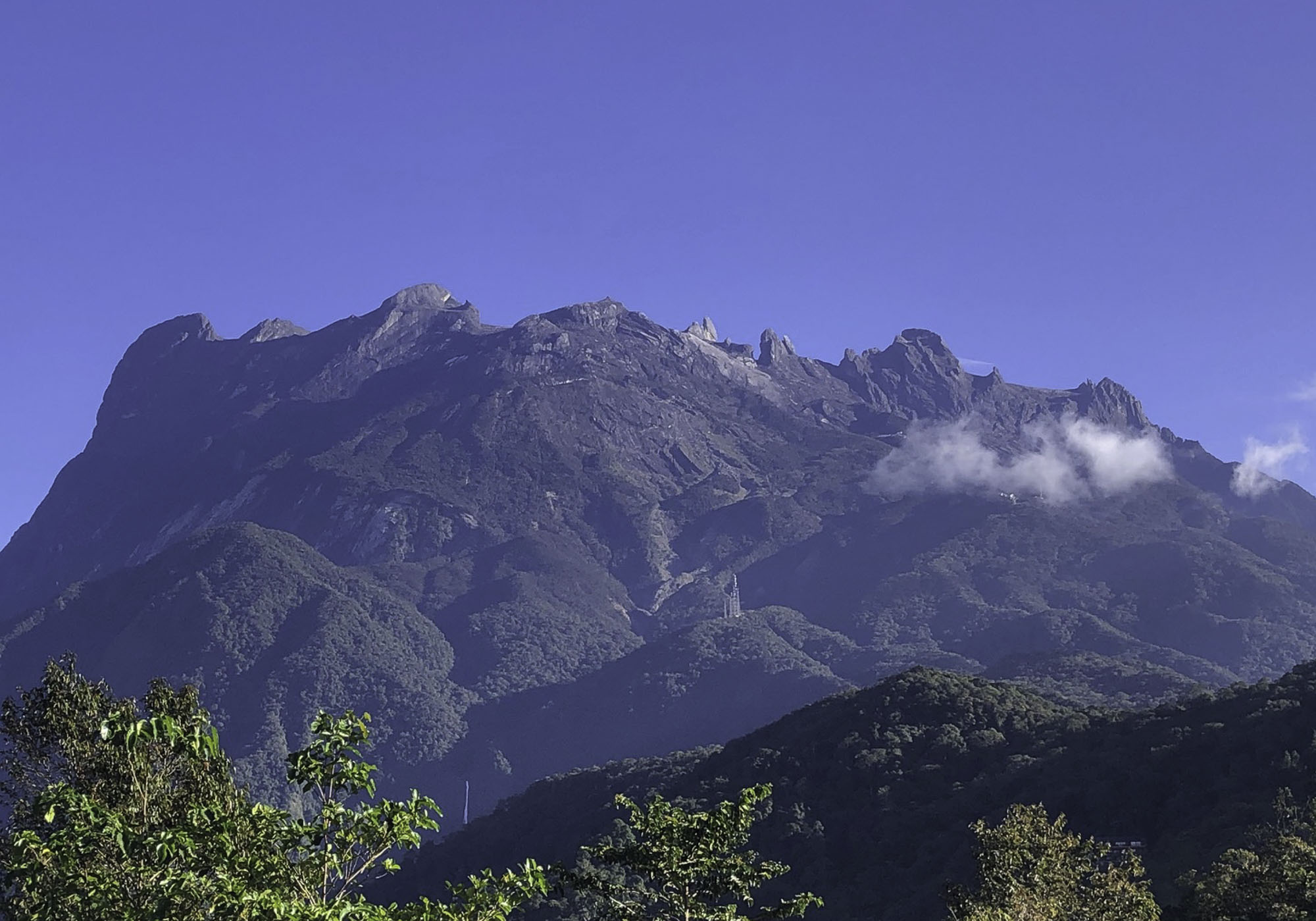 Mount Kinabalu — Wildlife in a UNESCO World Heritage Site
Exploring the extraordinary biodiversity and endemic species of Borneo’s mountain forests.
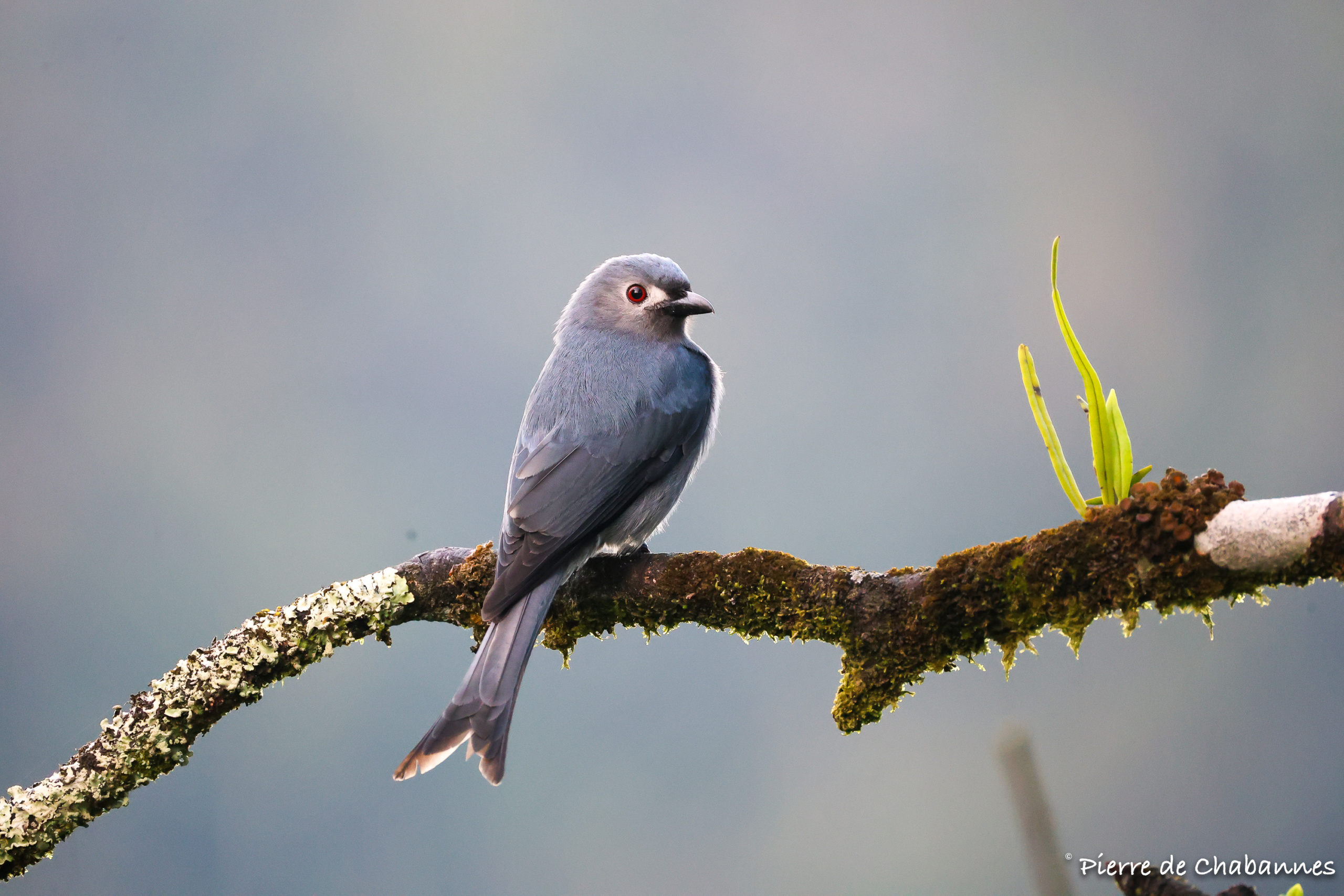 Borneo Bird Hides — Wildlife of Sabah
Close encounters with elusive birds and mammals from observation hides in the tropical forests of Sabah.
Biogeography
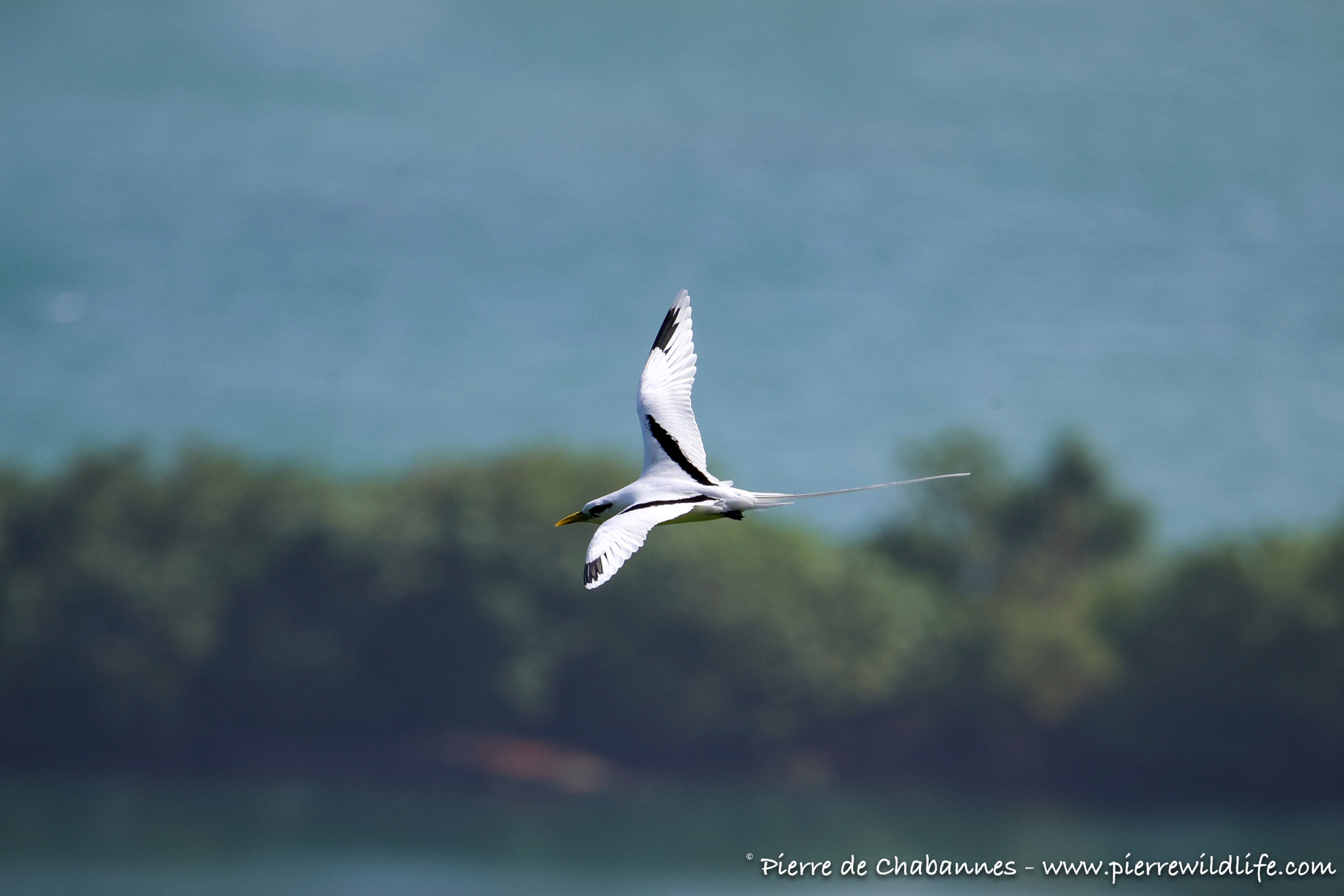
Zoology
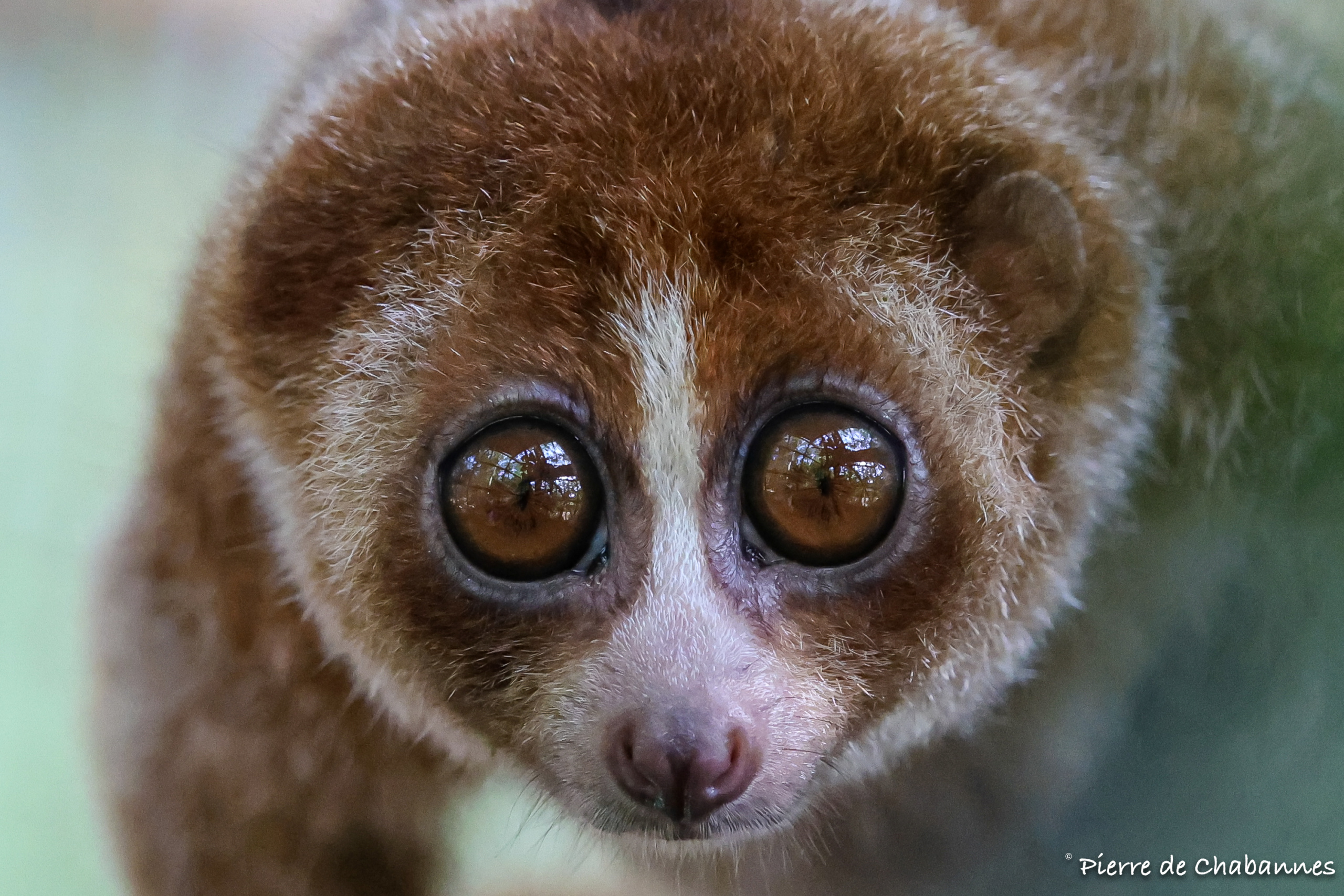
Conservation Under Human Care
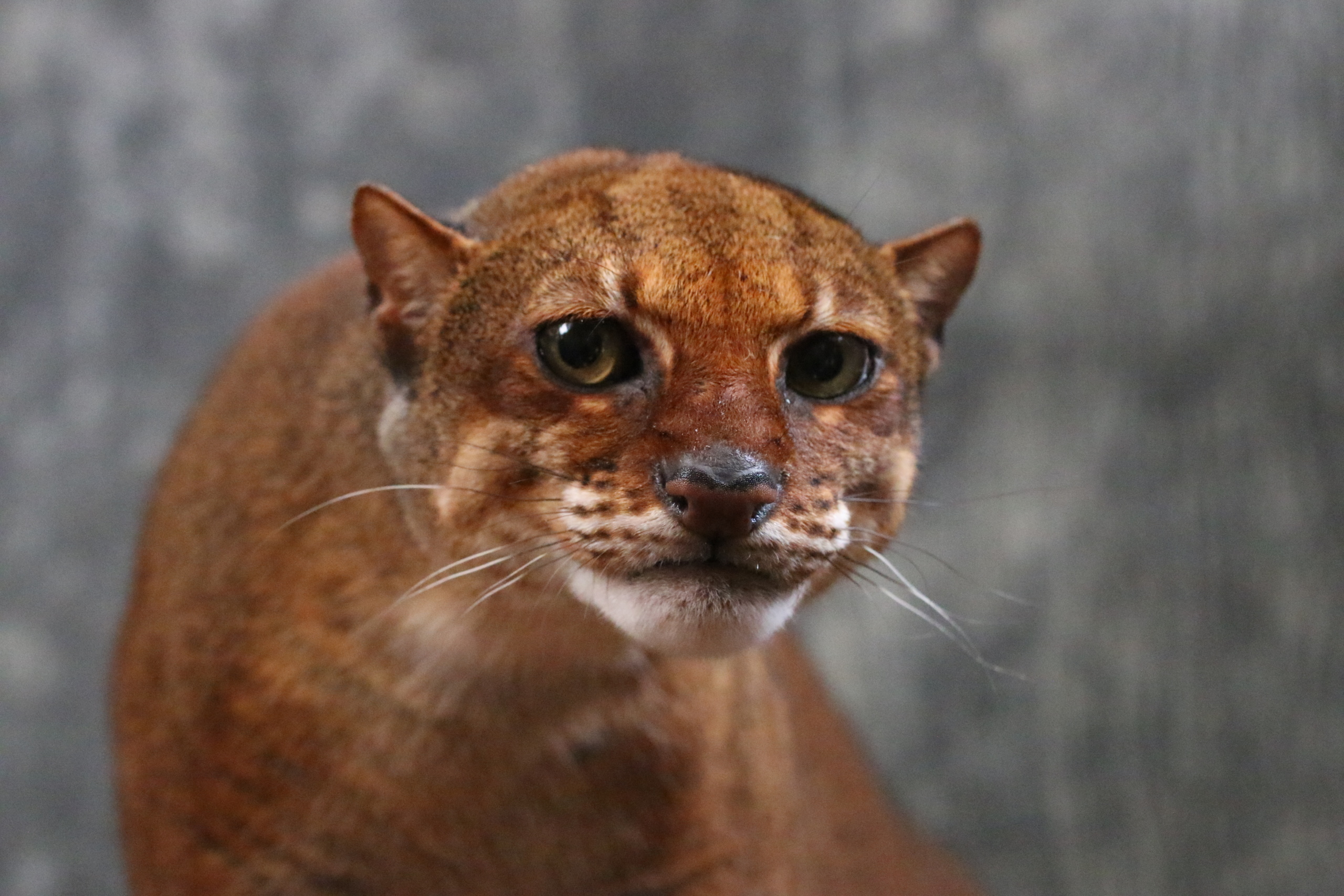
Beyond These Encounters
Through Pierre Wildlife, I have photographed more than 16,000 animal species and subspecies, both in the wild and under human care. My objective is to document biodiversity, share knowledge, and raise awareness of the need to protect wildlife and natural habitats.
The species featured here represent only a small part of this work. They have been selected because of their ecological significance, rarity, conservation interest, or the circumstances surrounding their observation.
Each individual page provides additional context about the species, its habitat, and the conditions in which it was photographed. These stories complement the wider educational database, which is designed to introduce visitors to a much broader range of animal diversity.
Explore more wildlife through my Education Resources.
Collaborations and Expeditions
Some of these expeditions and biodiversity documentation projects are open to scientific collaboration, conservation partnerships, or participation.
If you are interested in supporting or collaborating on future fieldwork, please contact me for more information.
“A long-term project documenting biodiversity across the world through fieldwork, zoological observations and educational content.”