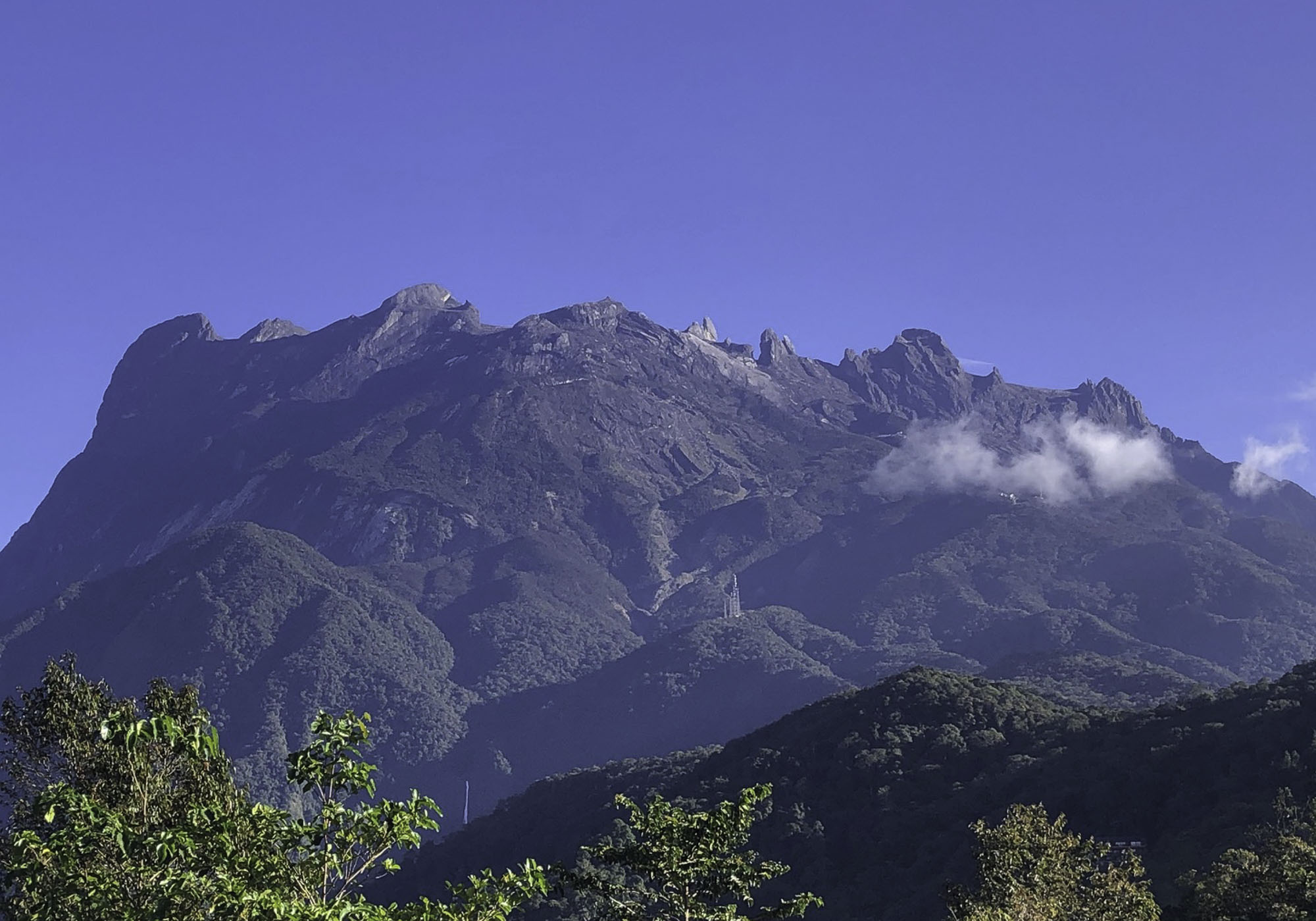
Mount Kinabalu — Wildlife in a UNESCO World Heritage Site
Mount Kinabalu, the highest mountain in Borneo, is one of Southeast Asia’s most remarkable centres of biodiversity. Its ecosystems range from tropical forests at lower elevations to montane vegetation and alpine environments near the summit.
These observations focus primarily on the mountain’s mid-elevation forests, where an extraordinary diversity of plants and animals can be found, including numerous endemic species associated with the highlands of northern Borneo.
Many of these animals are restricted to particular elevations or specialised habitats. Some occur only within a limited geographical range, making Mount Kinabalu and its surrounding protected forests especially important for their long-term survival.
Featured species
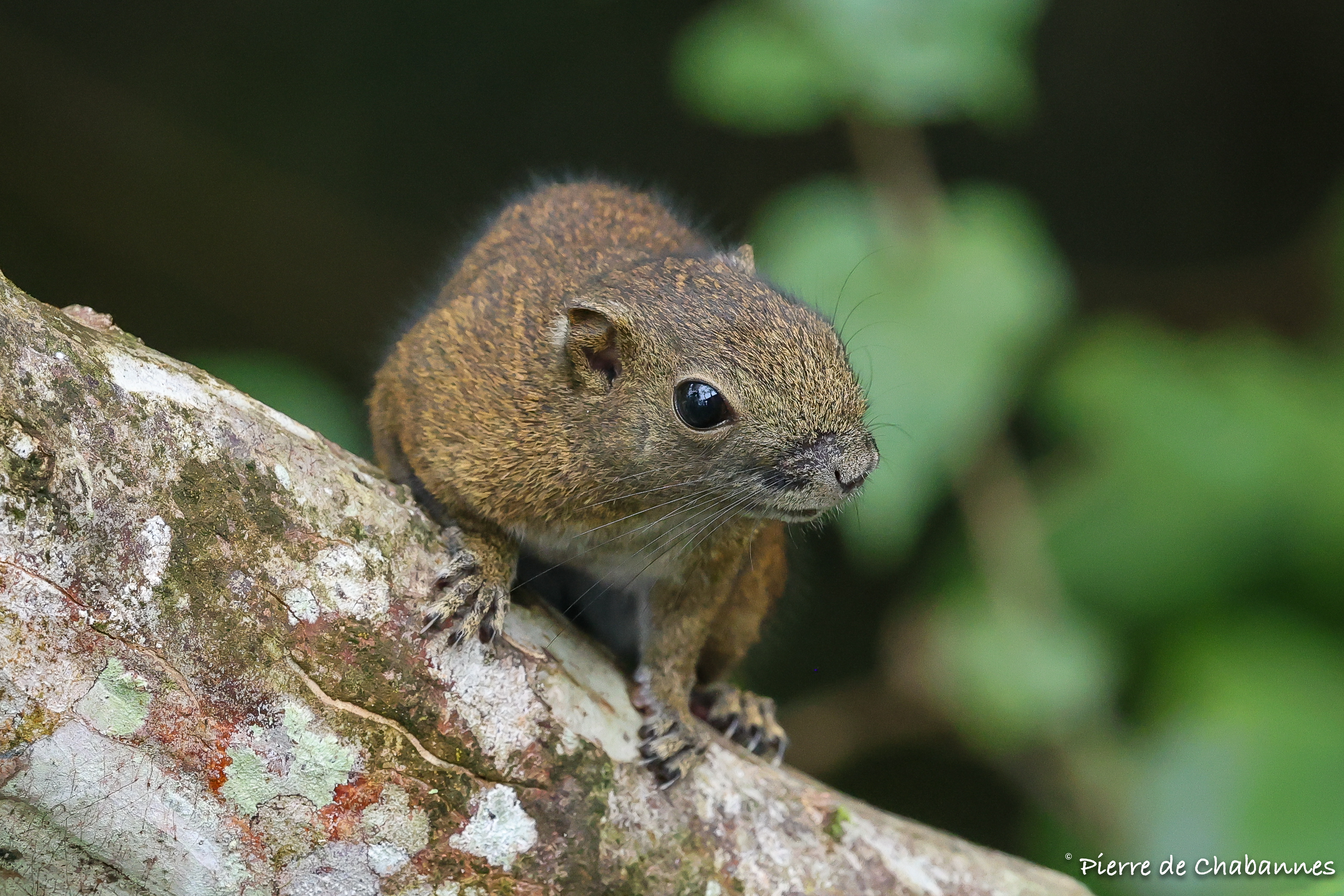 Borneo black-banded squirrelCallosciurus orestes
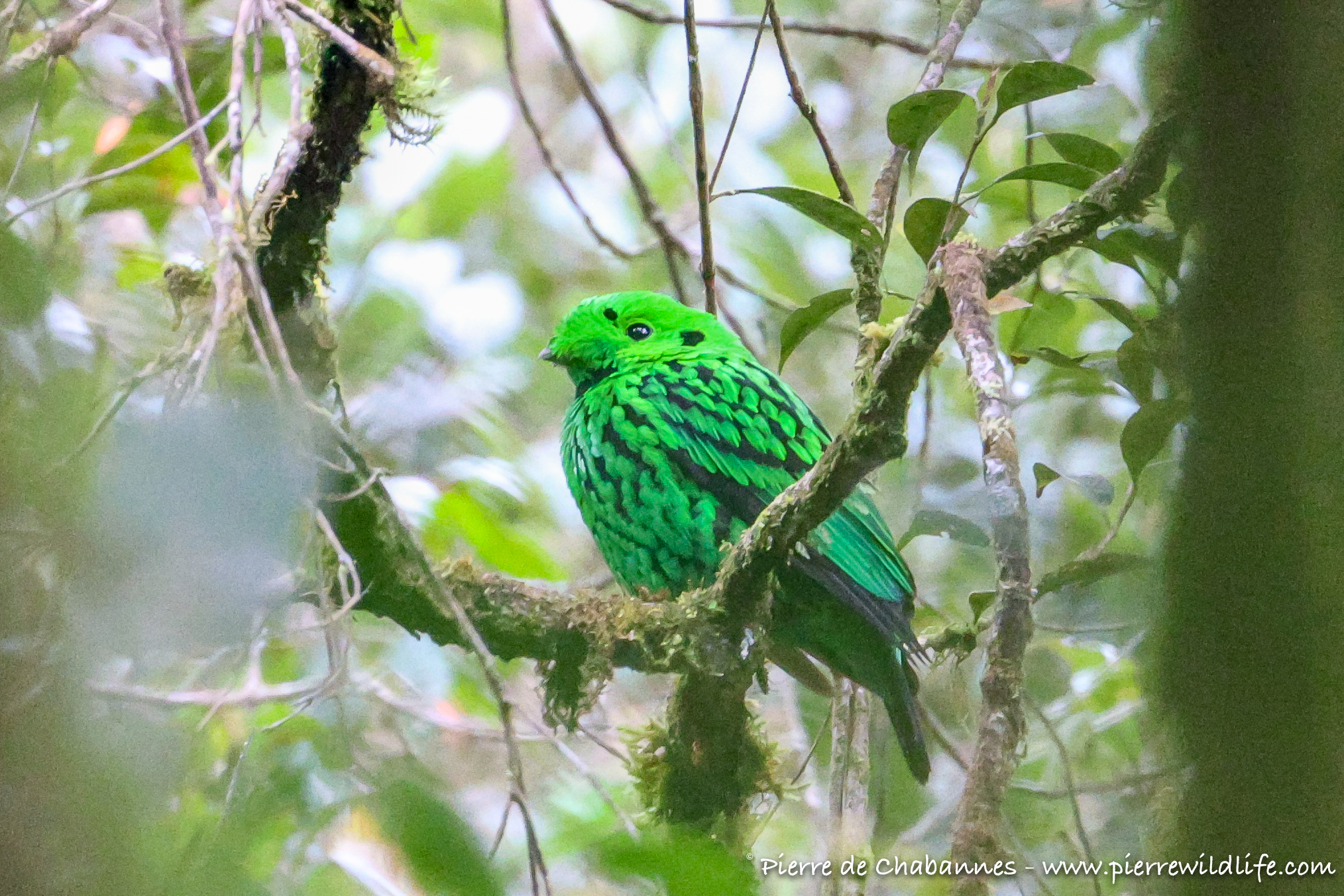 Whitehead’s broadbillCalyptomena whiteheadi
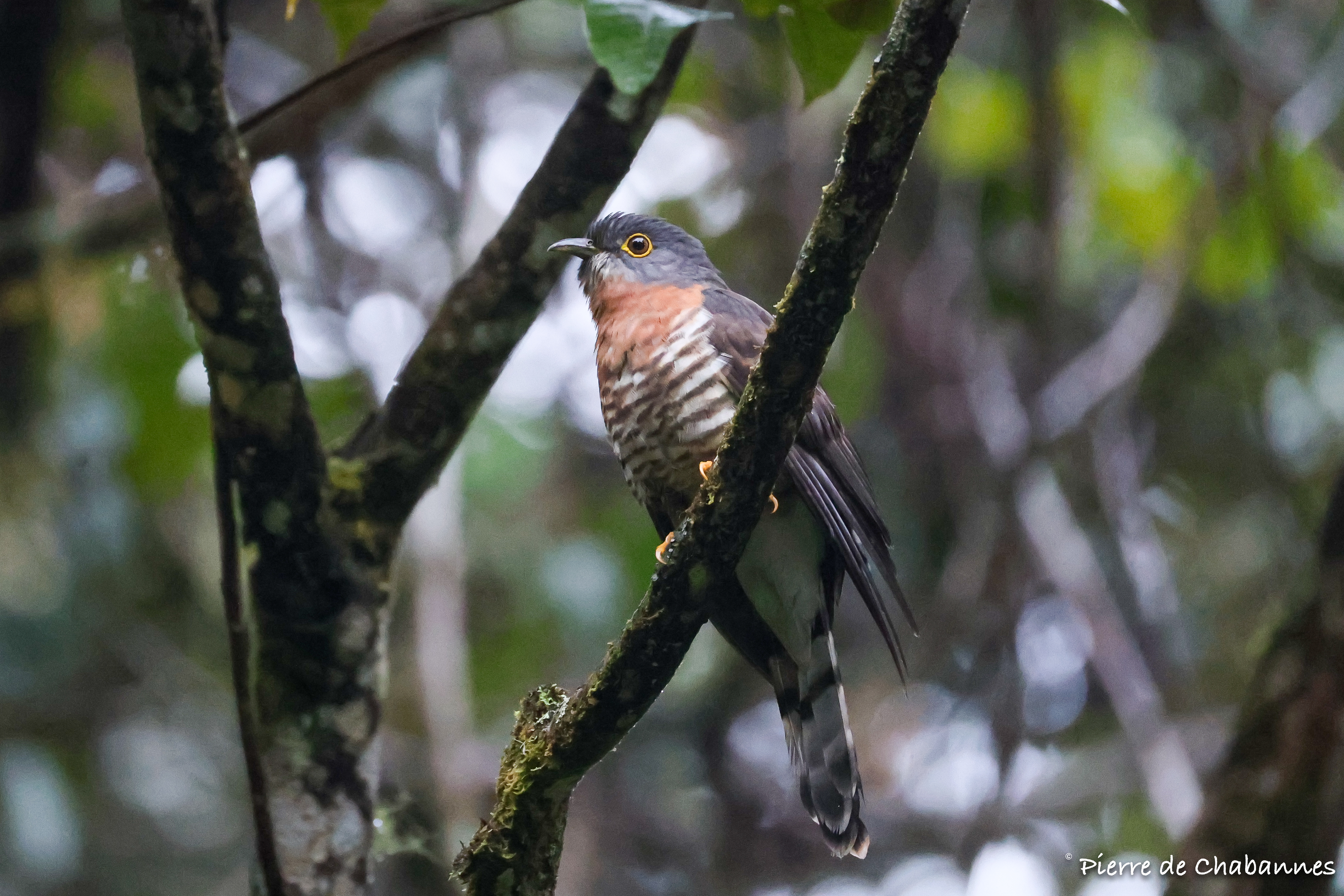 Dark hawk-cuckooHierococcyx bocki
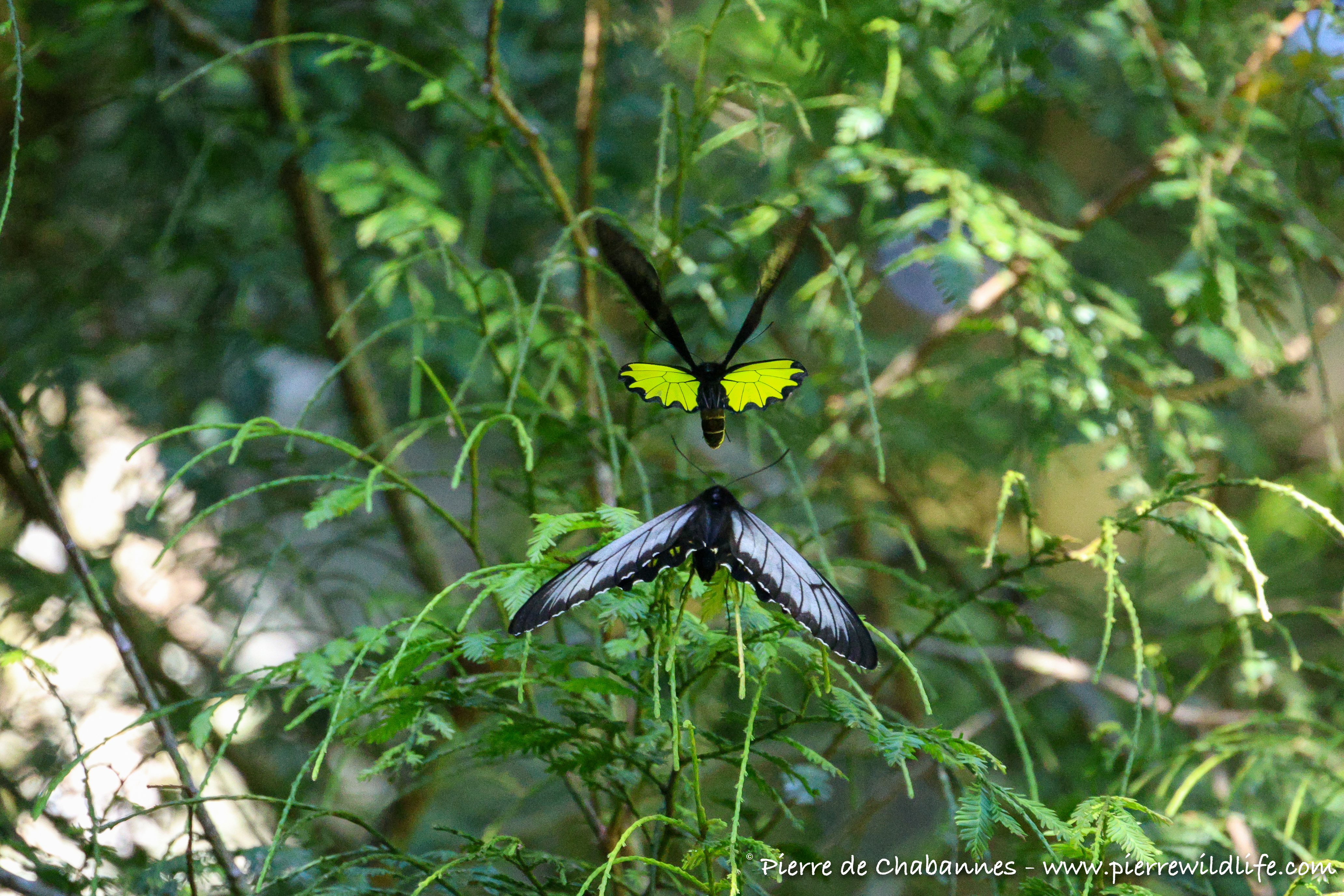 Kinabalu birdwingTroides andromache andromache
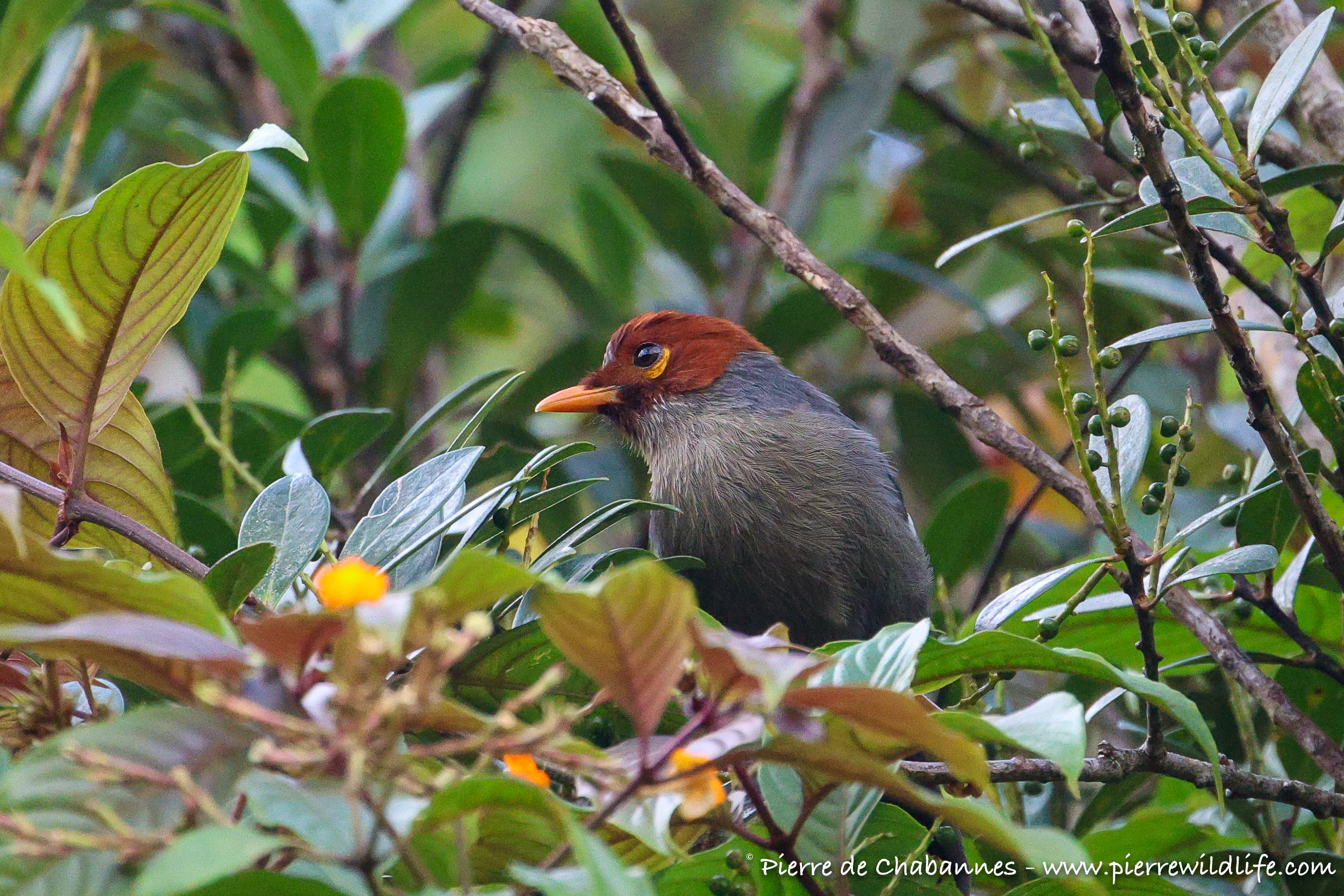 Chestnut-hooded laughingthrushPterorhinus treacheri treacheri
 Kinabalu treeshrewTupaia montana baluensis
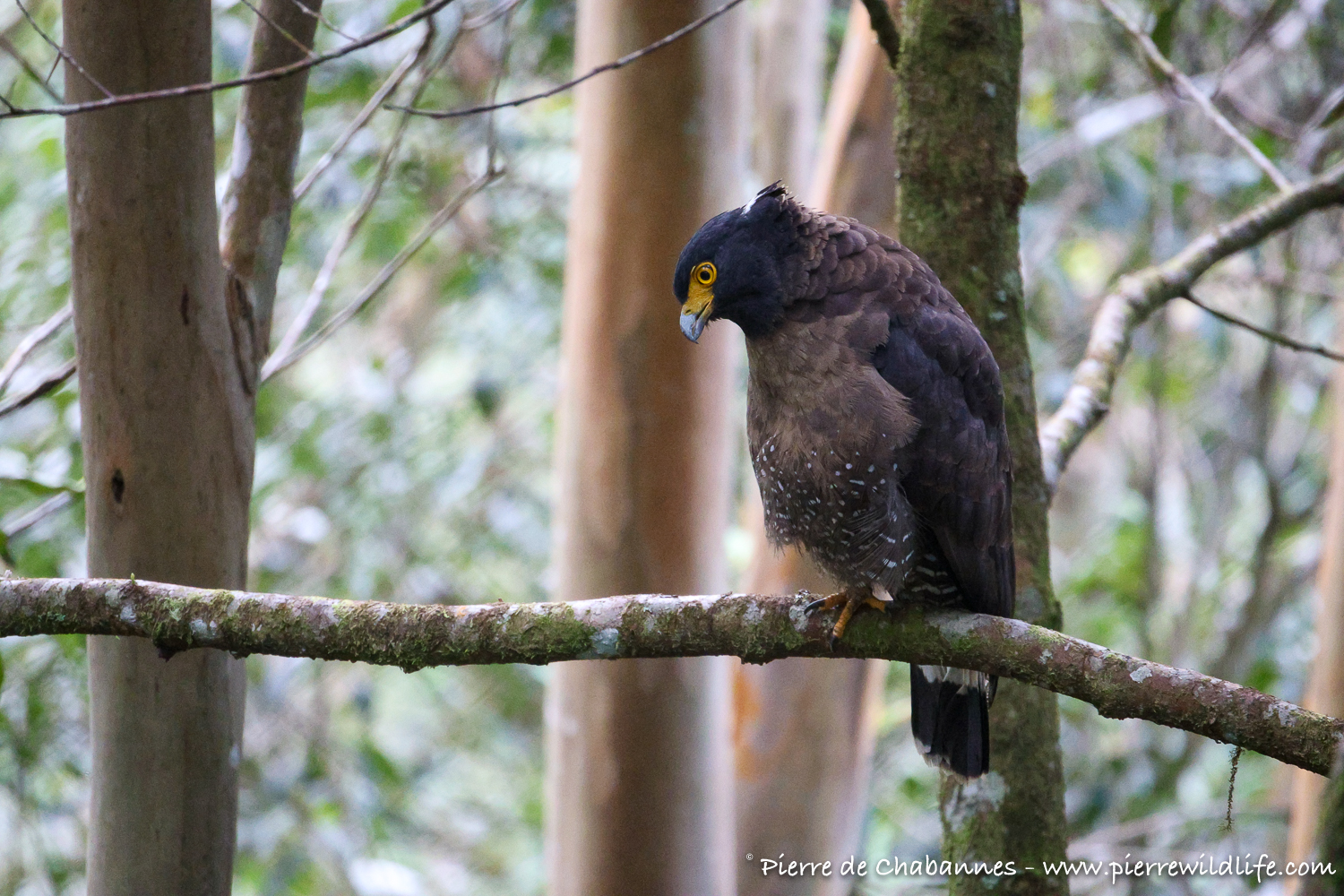 Mountain serpent-eagleSpilornis kinabaluensis
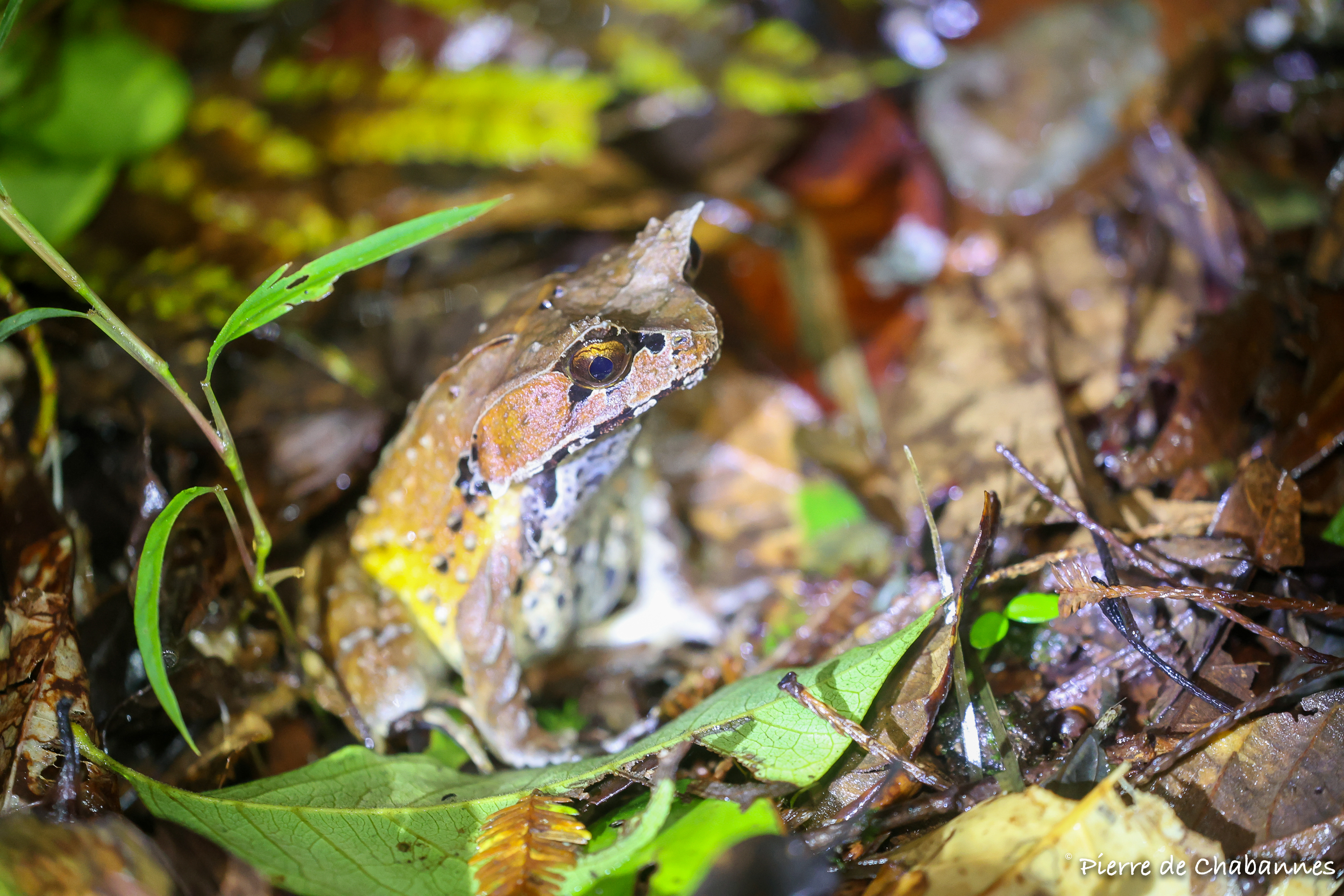 Kobayashi’s horned frogPelobatrachus kobayashii
 Crimson-headed partridgeHaematortyx sanguiniceps
 Trilobite beetlePlaterodrilus svetae
Why this matters
Mount Kinabalu is internationally recognised for its exceptional biodiversity and high levels of endemism. The protection of Kinabalu Park, a UNESCO World Heritage Site, has helped preserve extensive mountain forests and the specialised habitats on which many locally restricted species depend.
Despite this protected status and the efforts of park authorities and rangers, certain animals remain vulnerable to illegal collection and wildlife trafficking. Colourful birds, reptiles, and other sought-after species may be targeted, highlighting the importance of continued protection, monitoring, and conservation education.
Photographic documentation provides an opportunity to record the diversity of these mountain ecosystems and to introduce lesser-known species to a wider audience. It also helps illustrate the importance of maintaining intact forests across different elevations.
This selection represents just ten species among the hundreds I have observed and photographed in Kinabalu National Park during several expeditions between 2022 and 2025.
Other species from Mount Kinabalu can be found by browsing my Education resources.
“A long-term project documenting biodiversity across the world through fieldwork, zoological observations and educational content.”