Wildlife of Borneo — Observations from Bird Hides in Sabah
Bird hides offer a remarkable opportunity to observe and photograph wildlife at close range while remaining concealed within the animals’ natural environment.
In Sabah, Malaysian Borneo, forest observation hides have become increasingly popular, allowing photographers, naturalists, and researchers to document elusive species that are often extremely difficult to encounter during conventional field exploration.
From a fixed position, patience and careful observation can reveal an extraordinary variety of wildlife, including species that might otherwise remain hidden within the dense vegetation of Borneo’s tropical forests.
Featured species
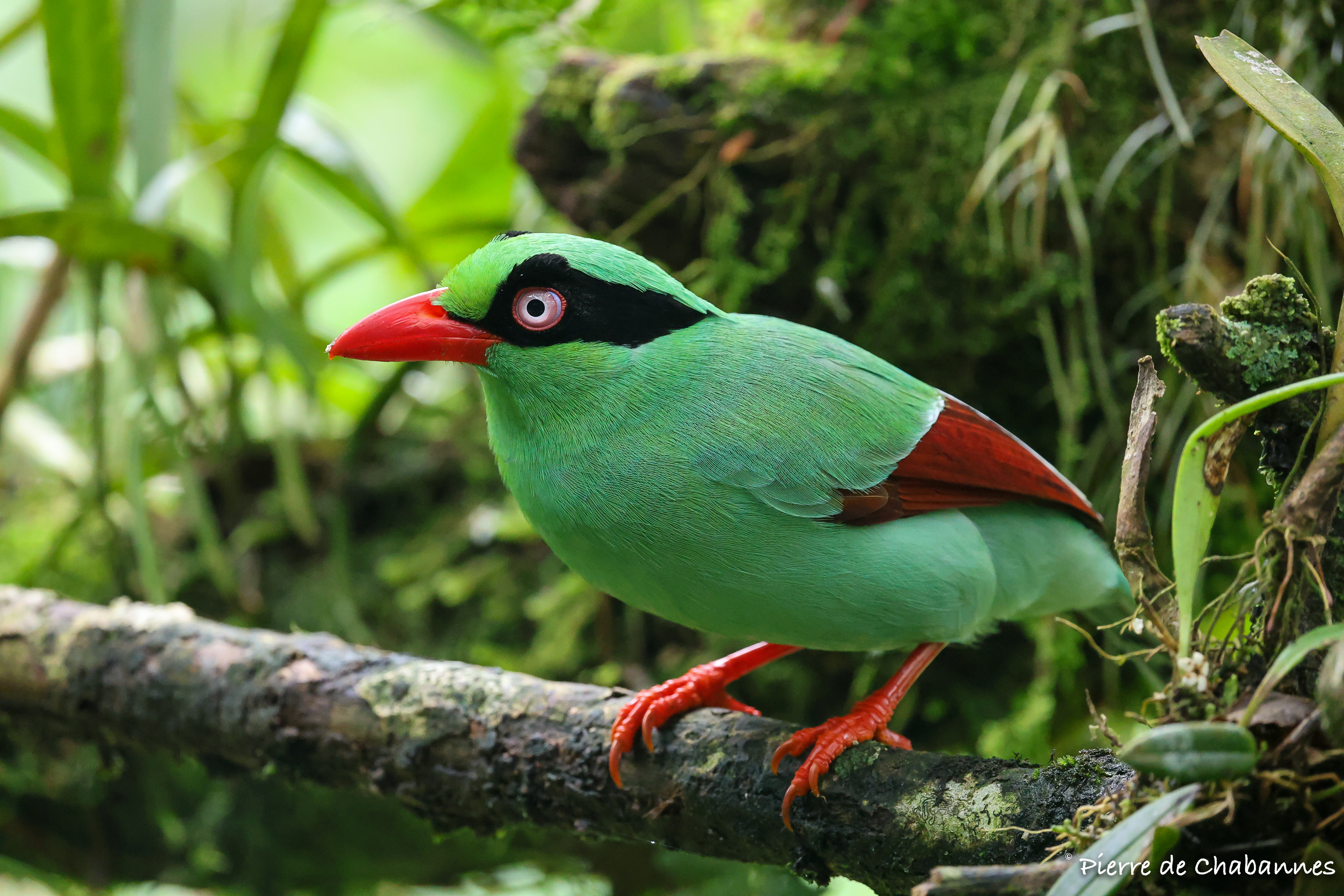 Bornean green-magpieCissa jefferyi
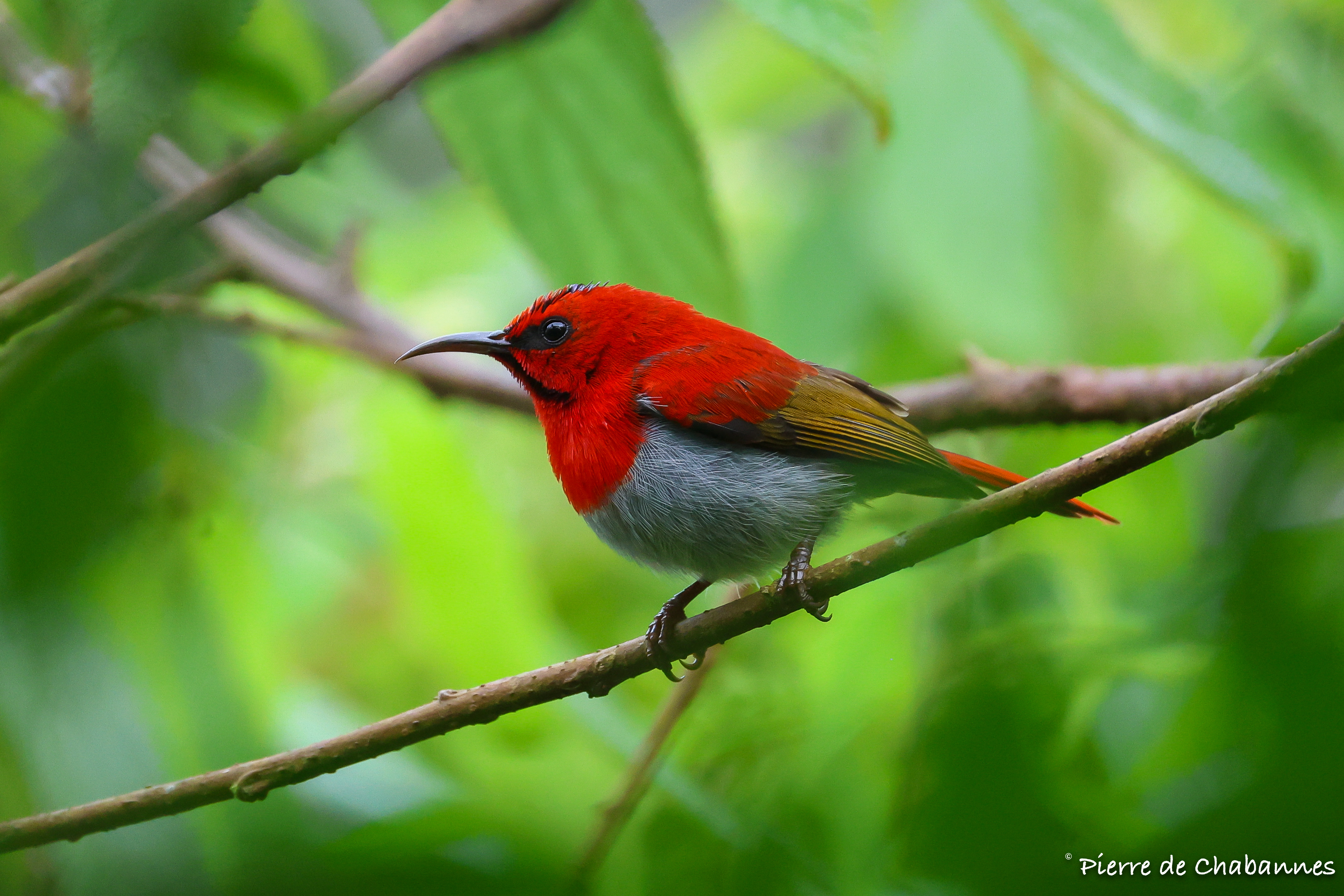 Temminck’s sunbirdAethopyga temminckii
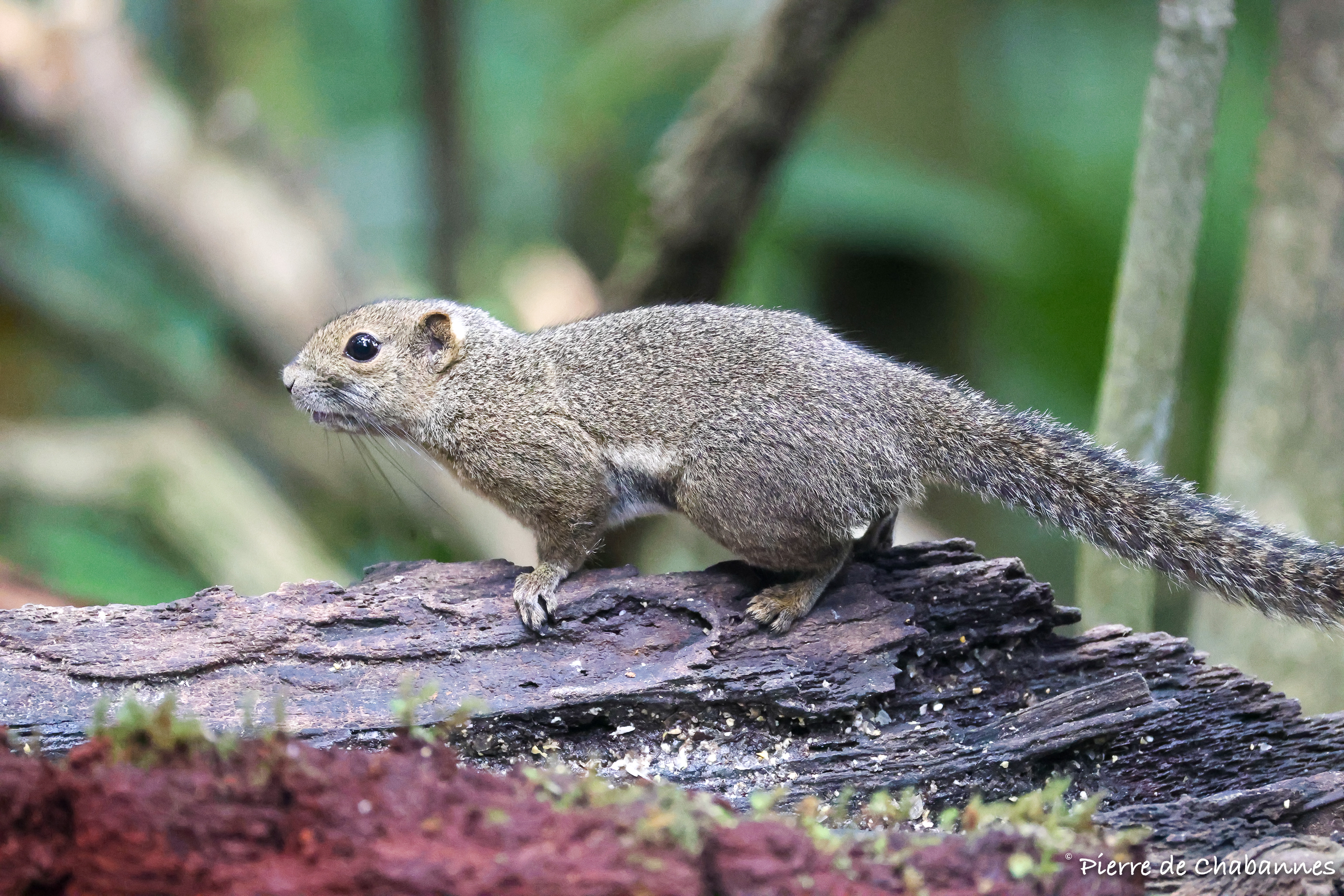 Ear-spot squirrelCallosciurus adamsi
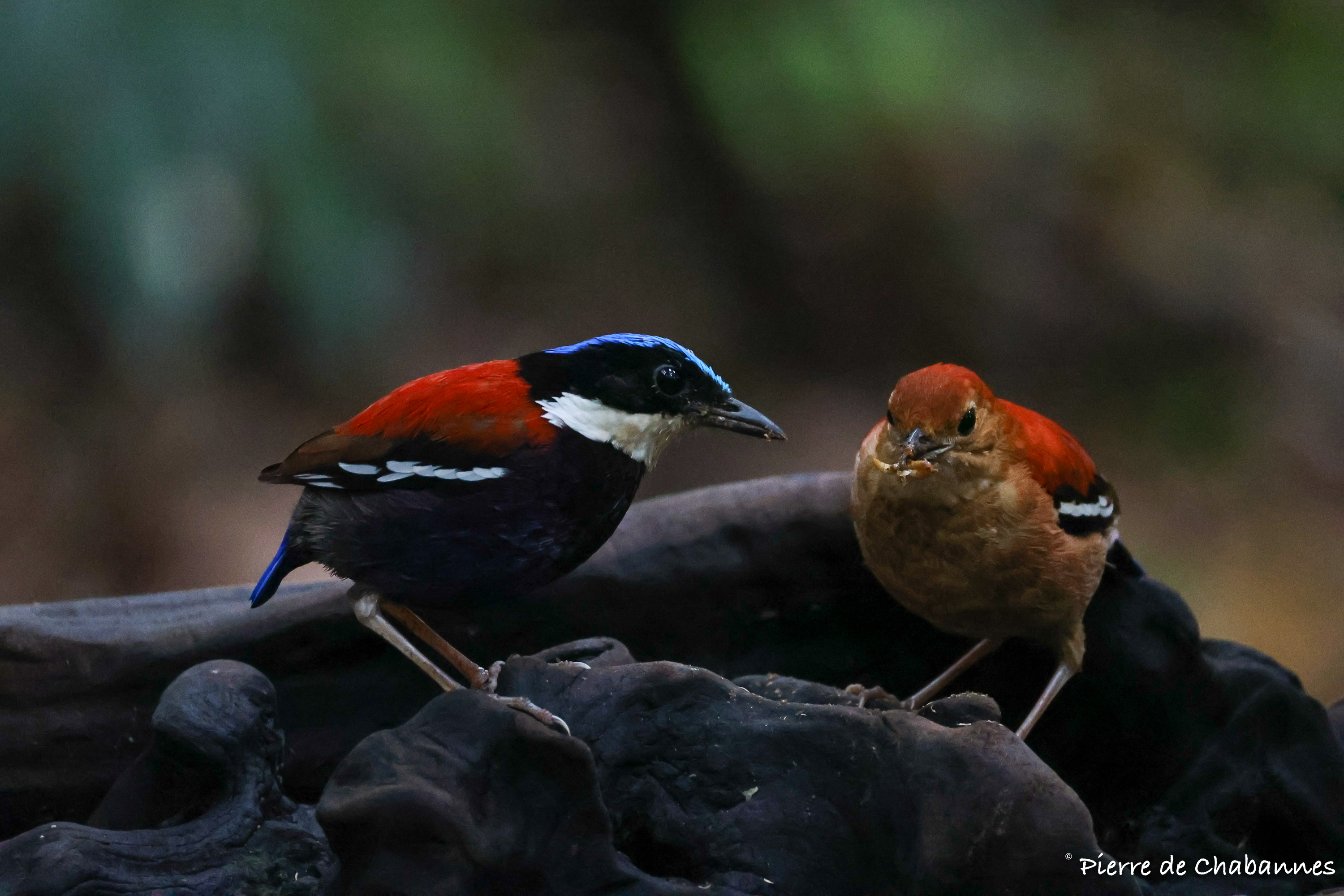 Blue-headed pittaHydrornis baudii
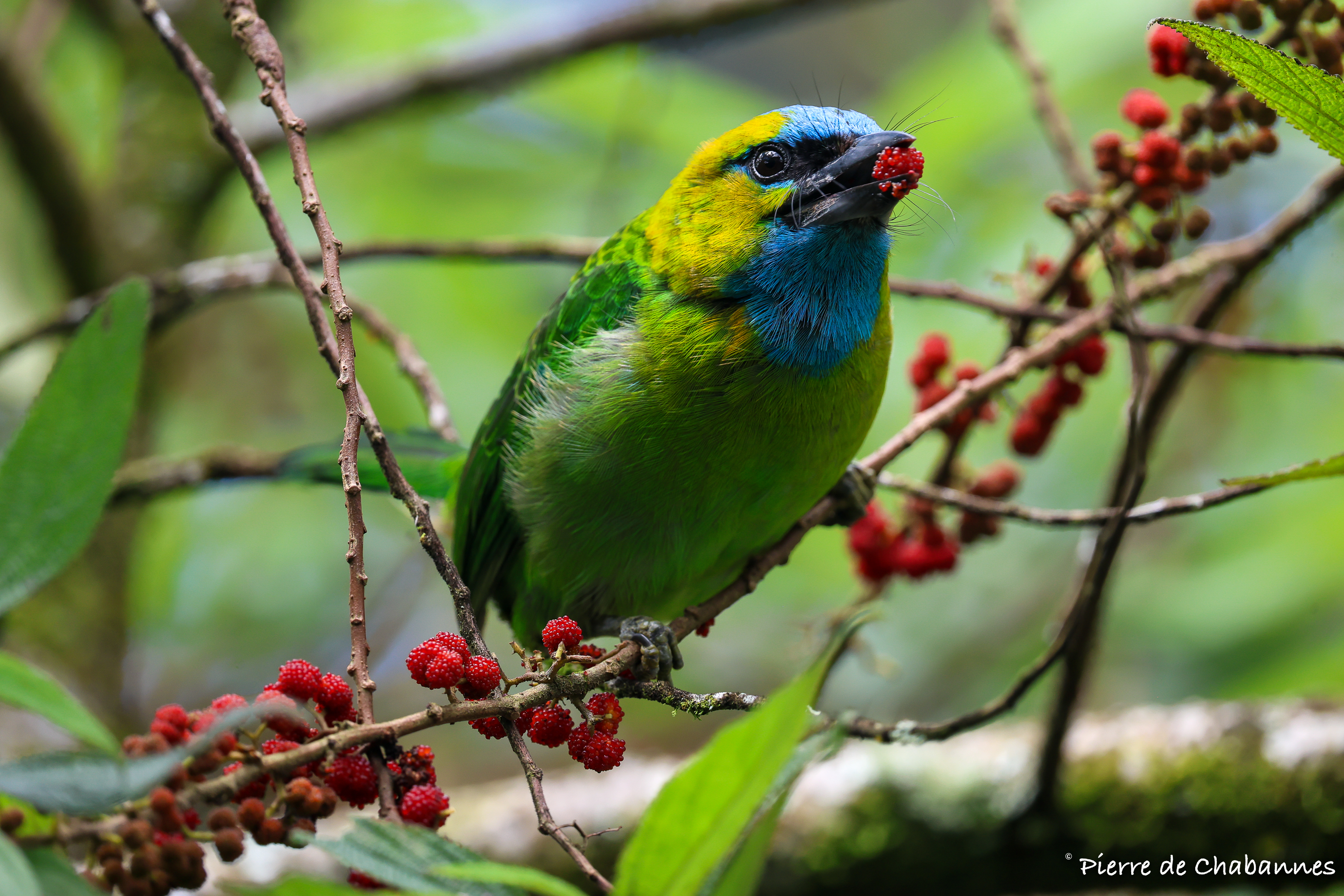 Golden-naped barbetPsilopogon pulcherrimus
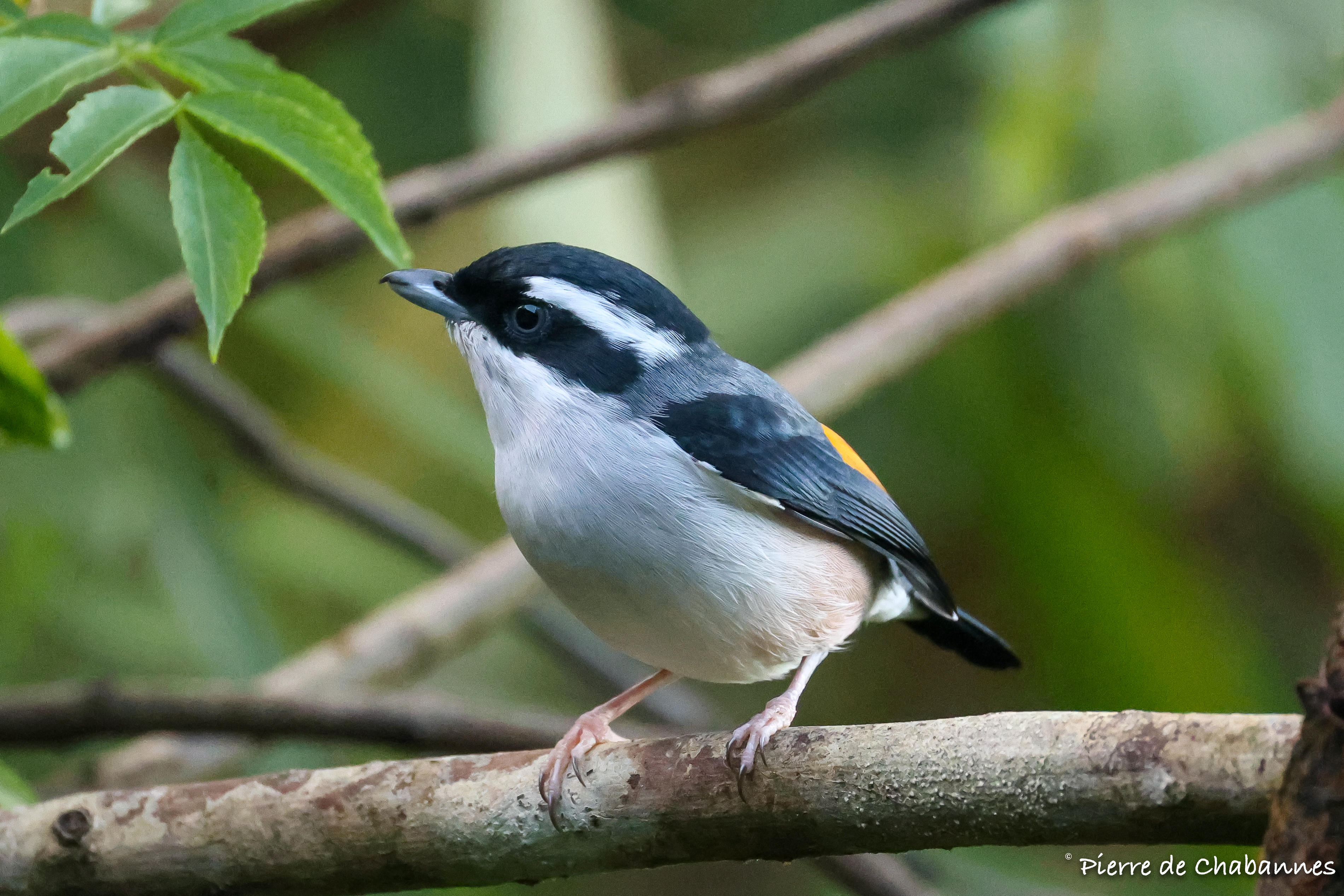 White-browed shrike-babblerPteruthius aeralatus robinsoni
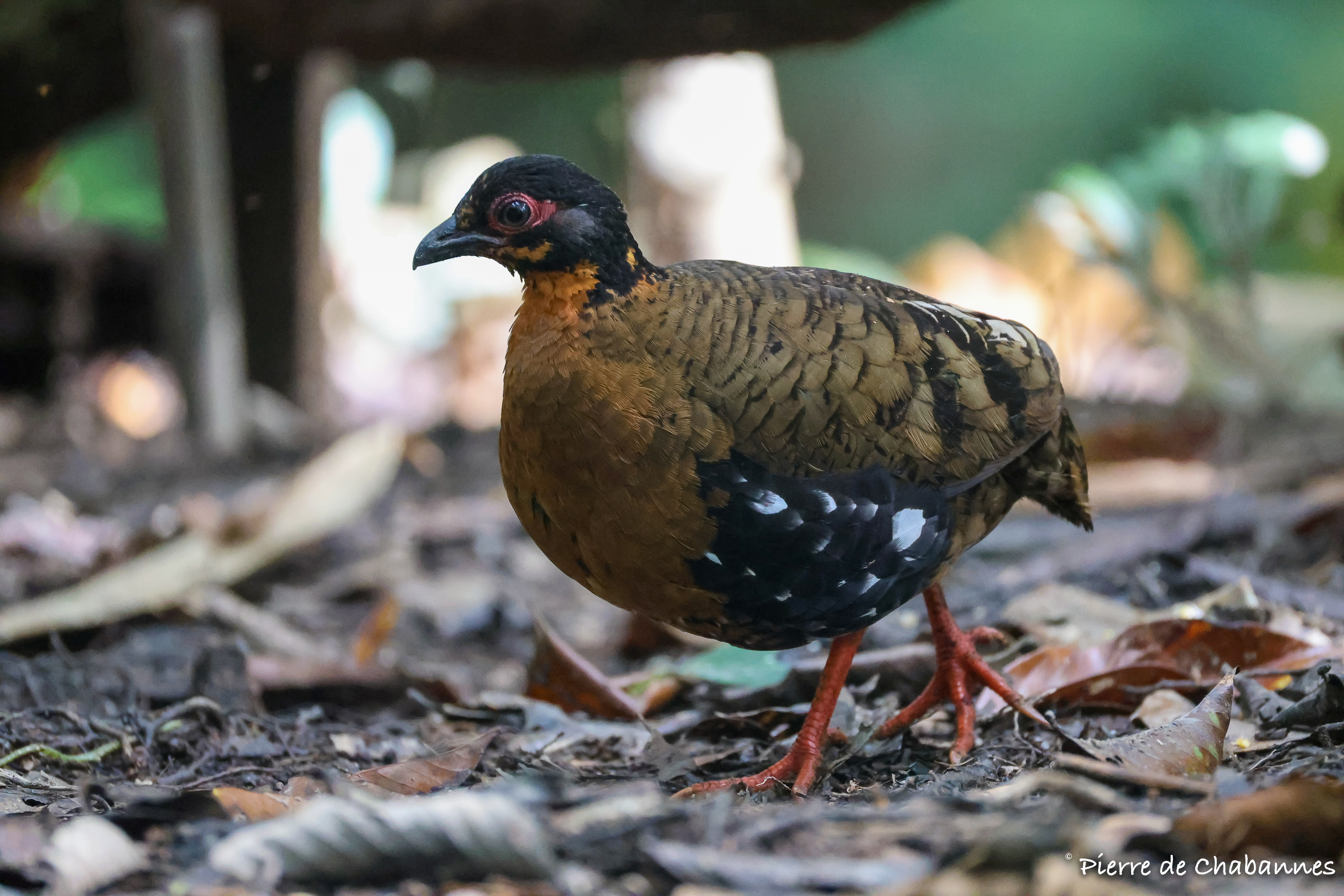 Red-breasted partridgeArborophila hyperythra
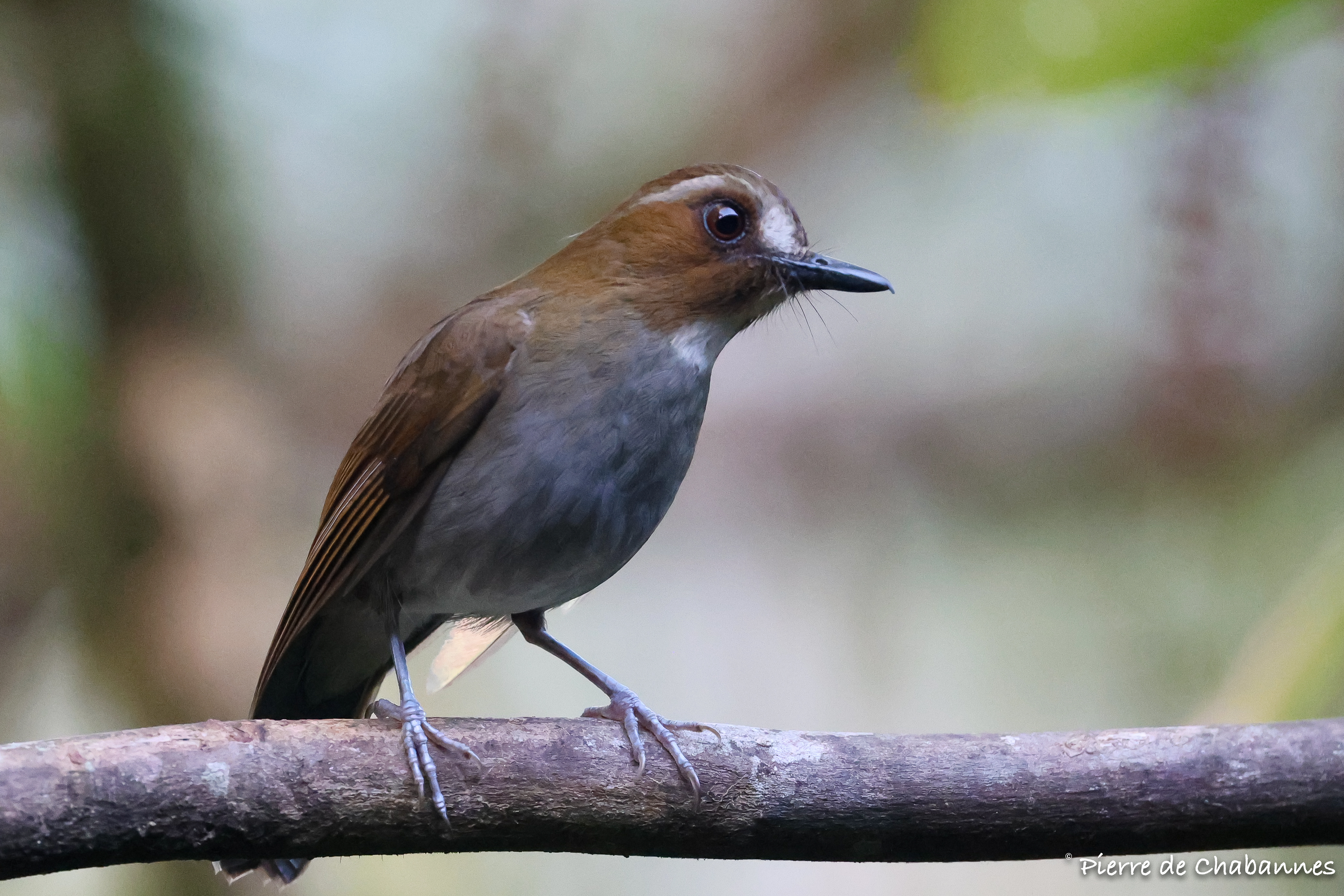 Eyebrowed jungle flycatcherVauriella gularis
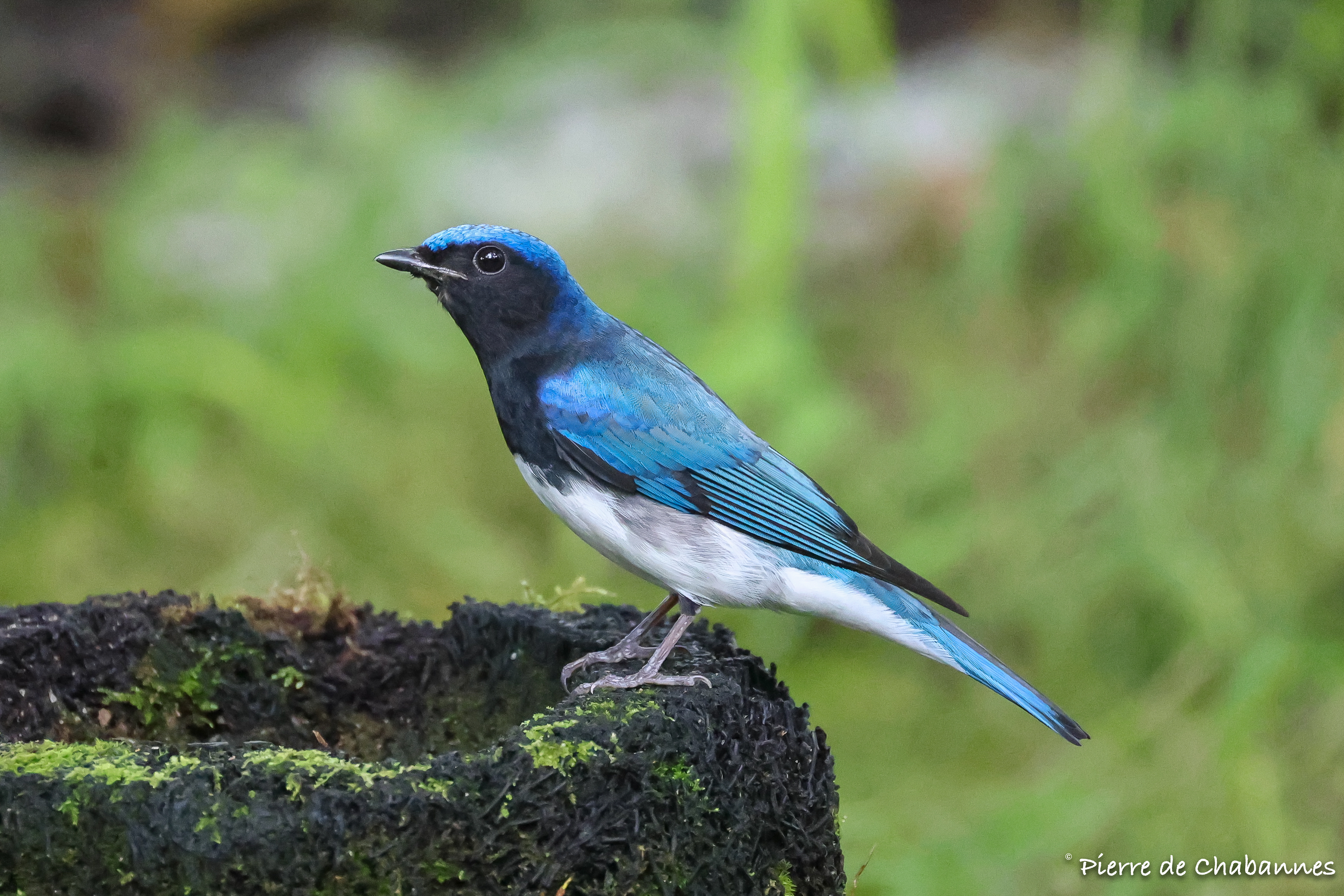 Blue-and-white flycatcherCyanoptila cyanomelana intermedia
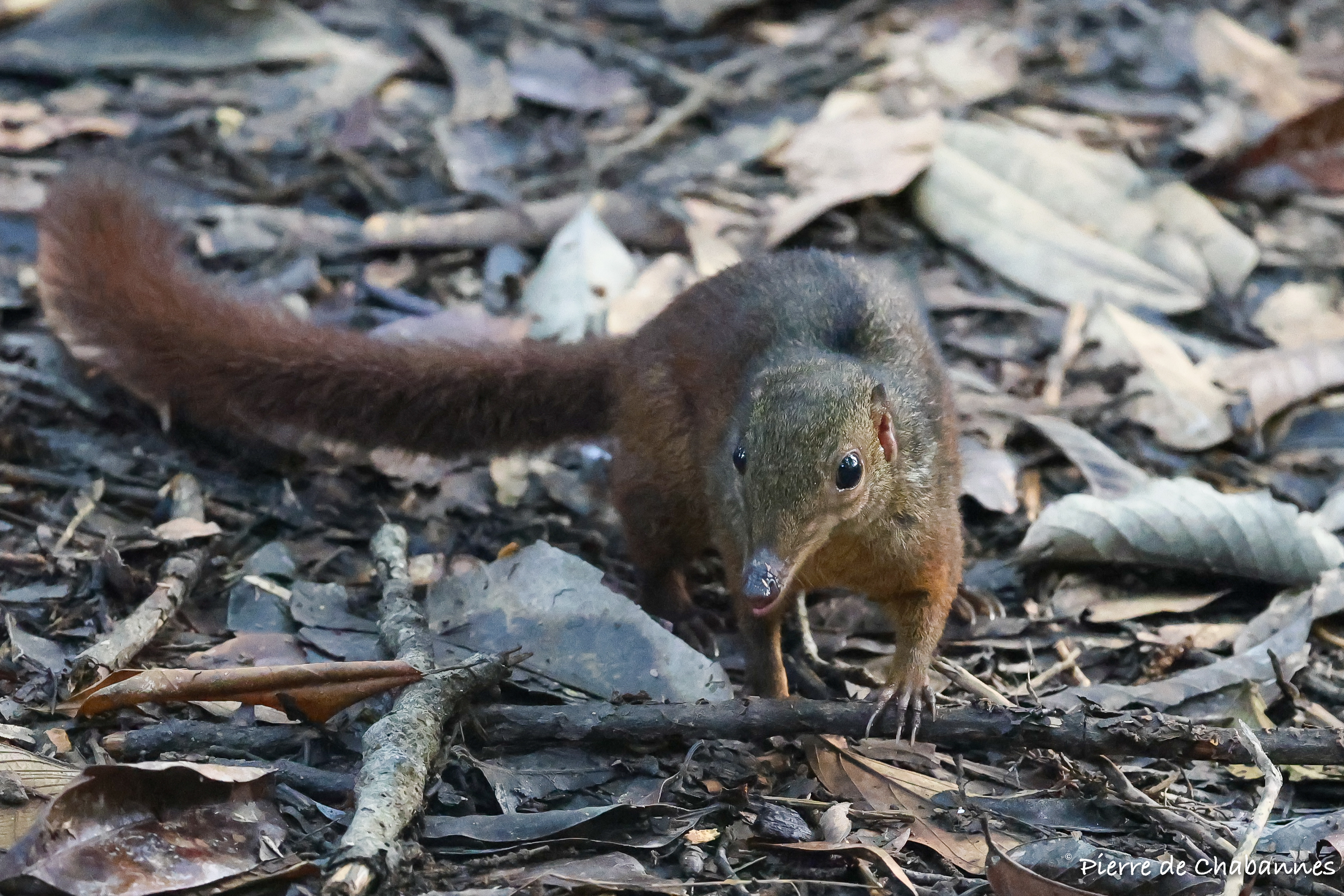 Large treeshrewTupaia tana paitana
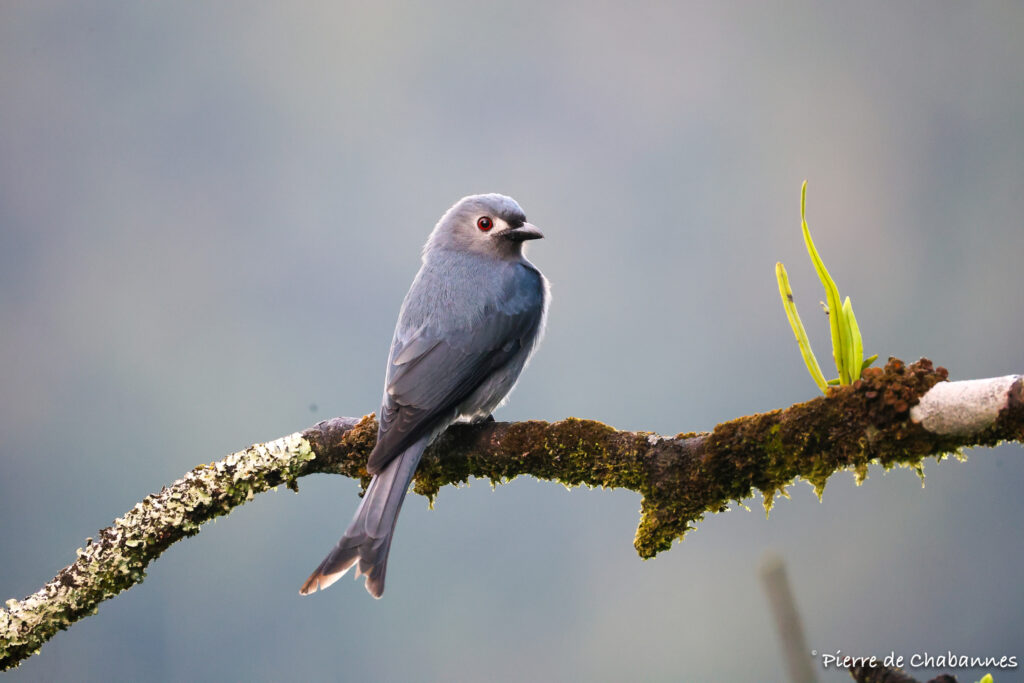
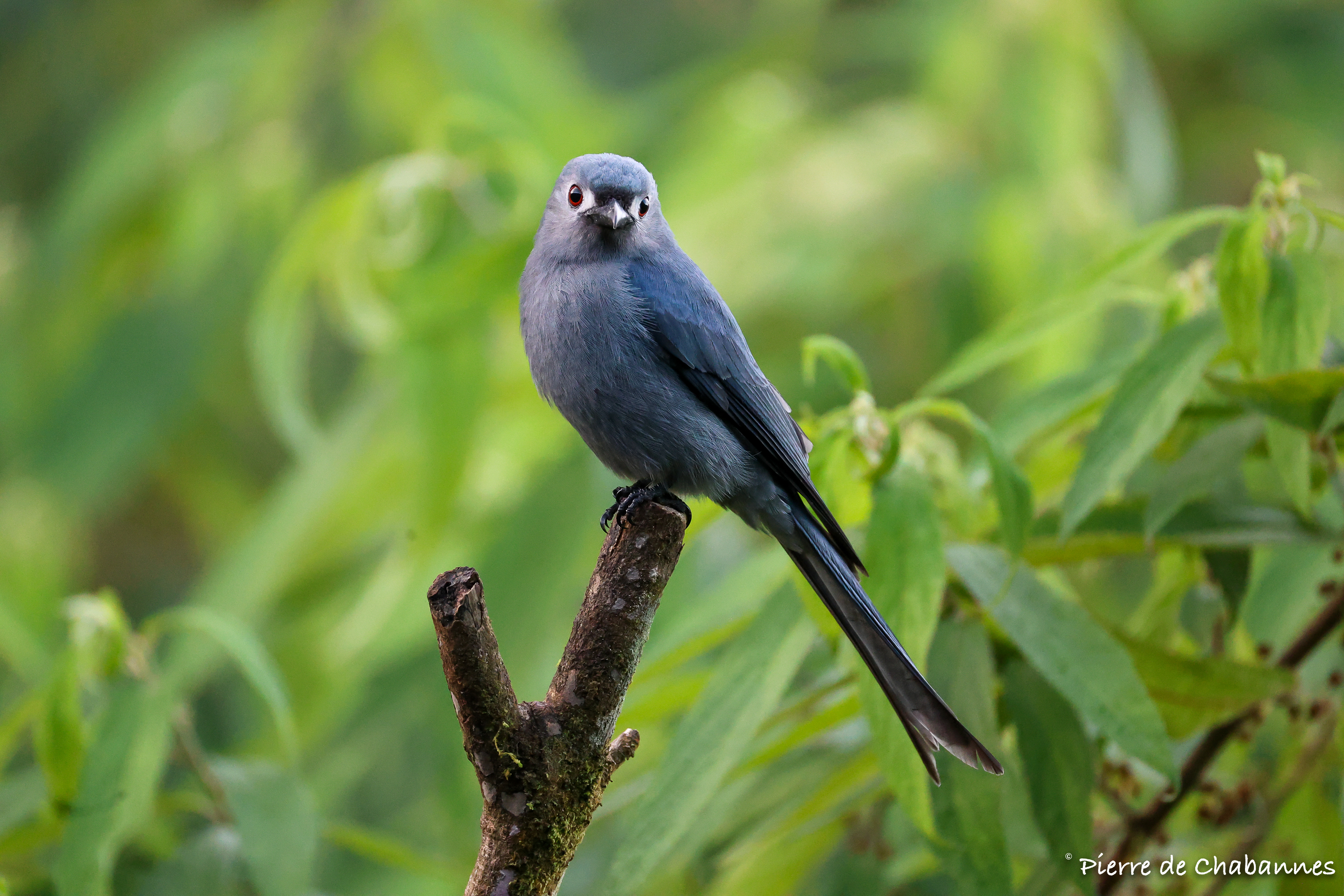 Ashy drongoDicrurus leucophaeus stigmatops
Why this matters
Observation from carefully positioned forest hides can reveal aspects of animal behaviour that are difficult to document during active field exploration. Feeding, preening, resting, courtship, and interactions between individuals may all become visible when animals are observed patiently over extended periods.
Protected forests and responsibly managed observation sites can contribute to the documentation of elusive and threatened species. In Borneo, particularly remarkable examples include Bulwer’s pheasant, the marbled cat, and the tufted ground squirrel, all of which are notoriously difficult to observe in their natural habitats.
When managed responsibly, bird hides can also provide opportunities for nature-based tourism and environmental education, helping demonstrate the value of intact forest ecosystems and the wildlife they support.
By combining close observation, photographic documentation, and practices designed to minimise disturbance, these sites can become valuable tools for improving our knowledge of Borneo’s extraordinary biodiversity and encouraging its long-term conservation.
Other species from Borneo can be found by browsing my Wildlife Database.
“A long-term project documenting biodiversity across the world through fieldwork, zoological observations and educational content.”