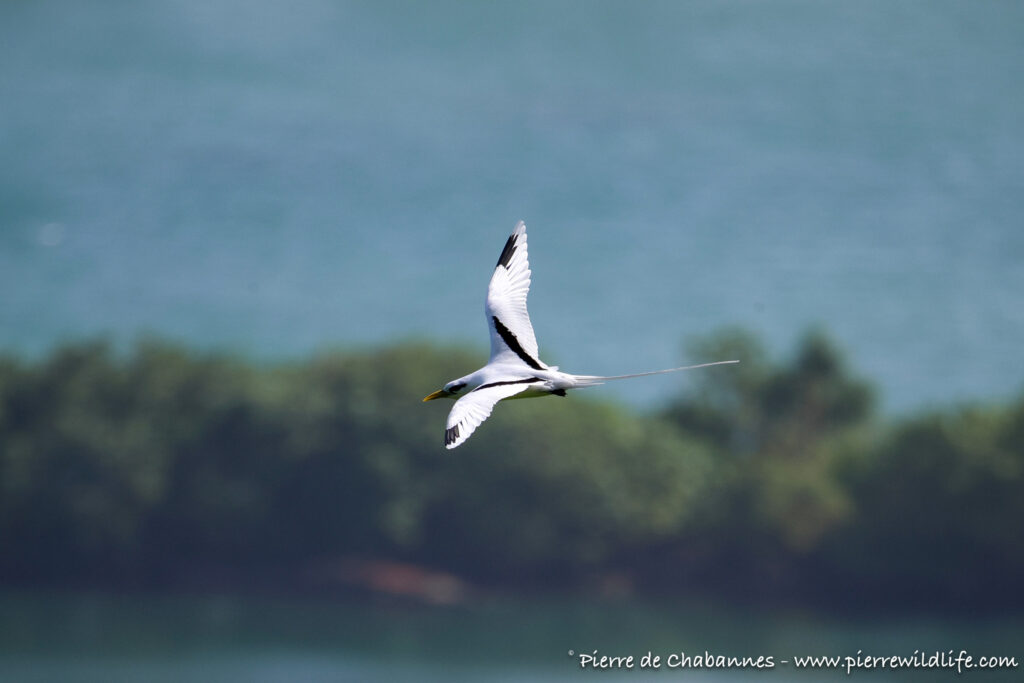
Island Life
Islands harbour extraordinary ecosystems shaped by geographical isolation, where species have evolved independently over thousands or even millions of years.
This selection highlights the remarkable biodiversity of small and remote islands across Southeast Asia and the Pacific, with a particular focus on the endemic wildlife of Pohnpei in Micronesia.
Isolation has encouraged the evolution of distinctive animals found nowhere else on Earth. Yet these same characteristics make island ecosystems especially vulnerable to environmental changes and human disturbance.
Featured species
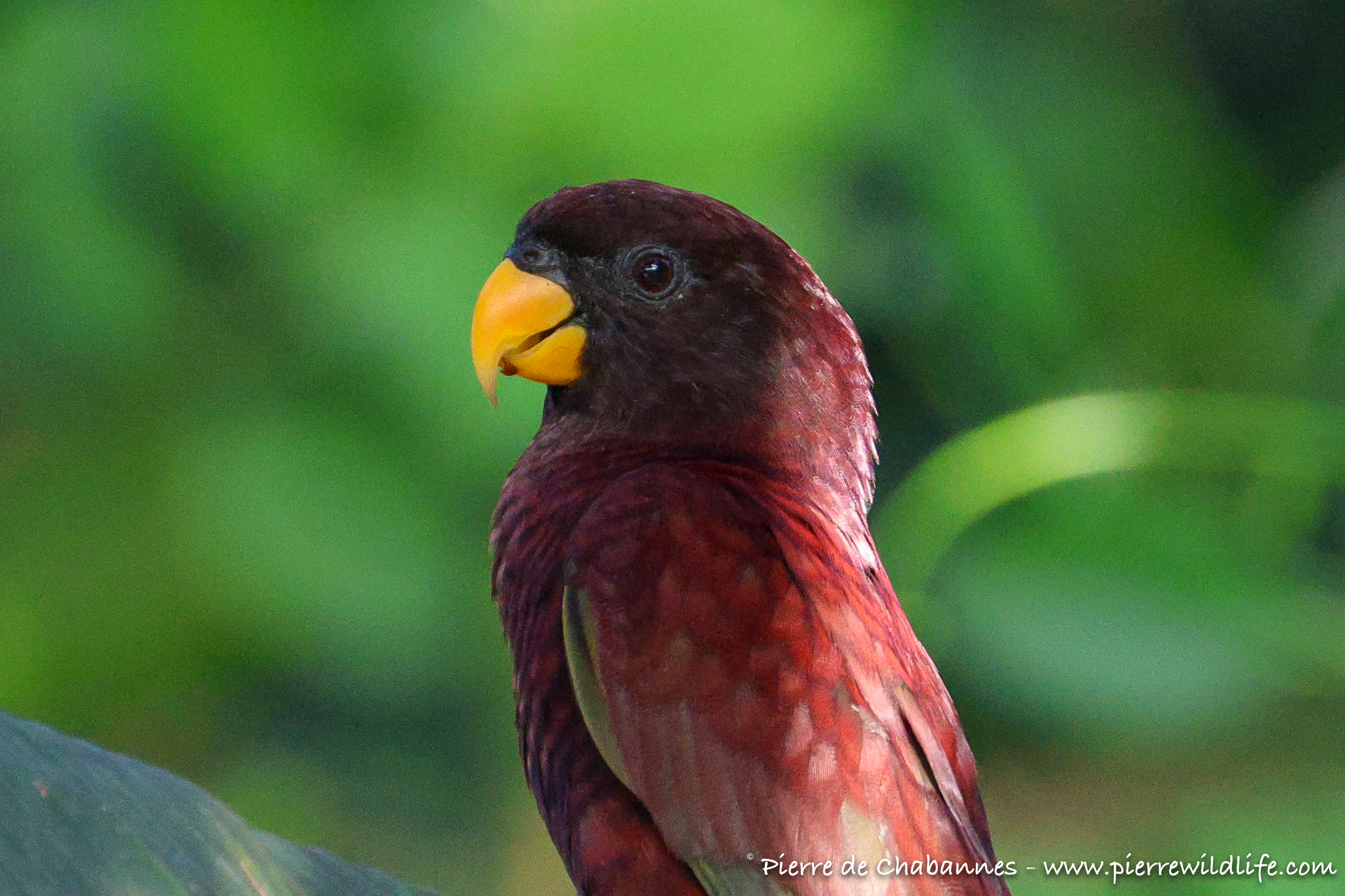 Pohnpei lorikeetTrichoglossus rubiginosus
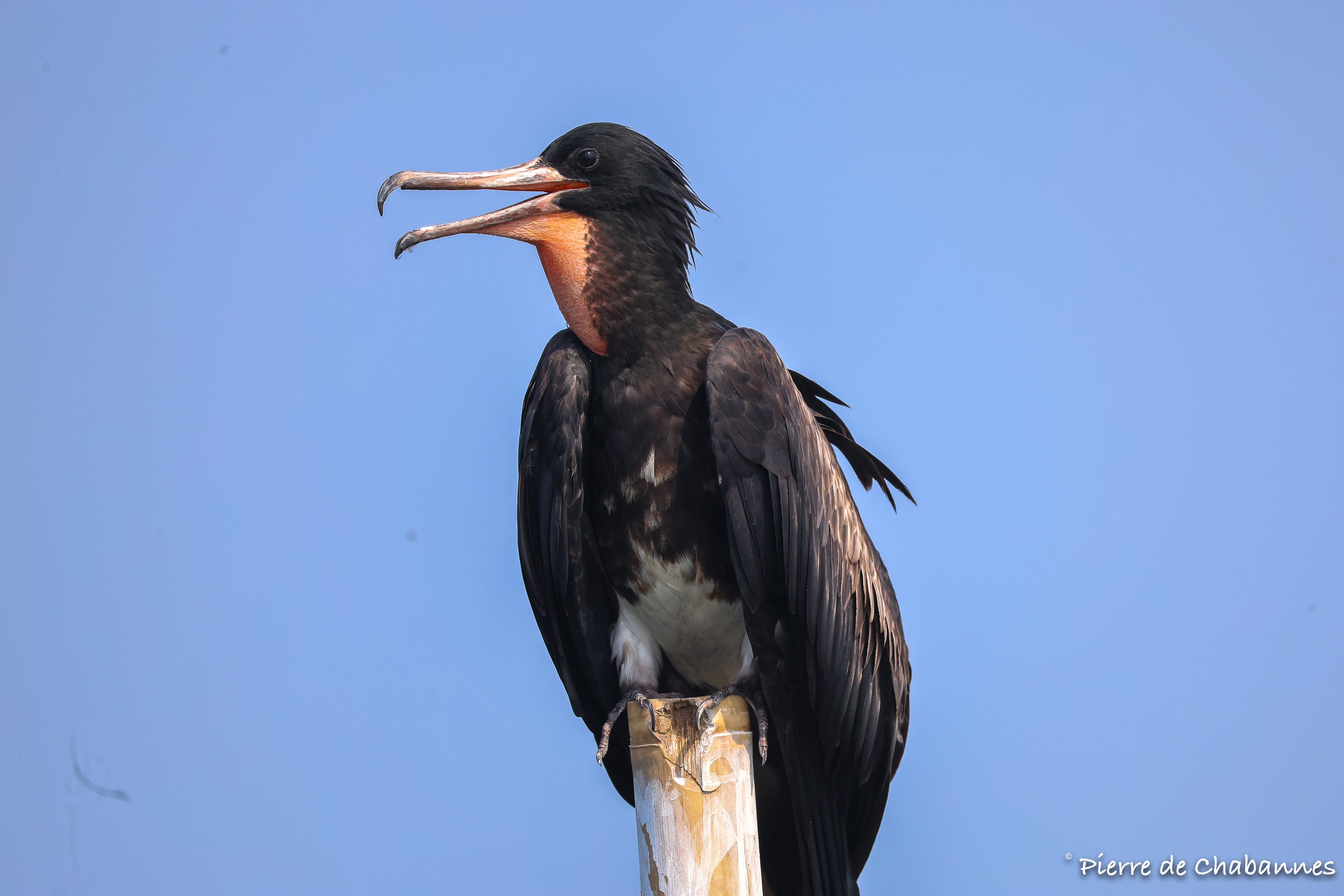 Christmas Island frigatebirdFregata andrewsi
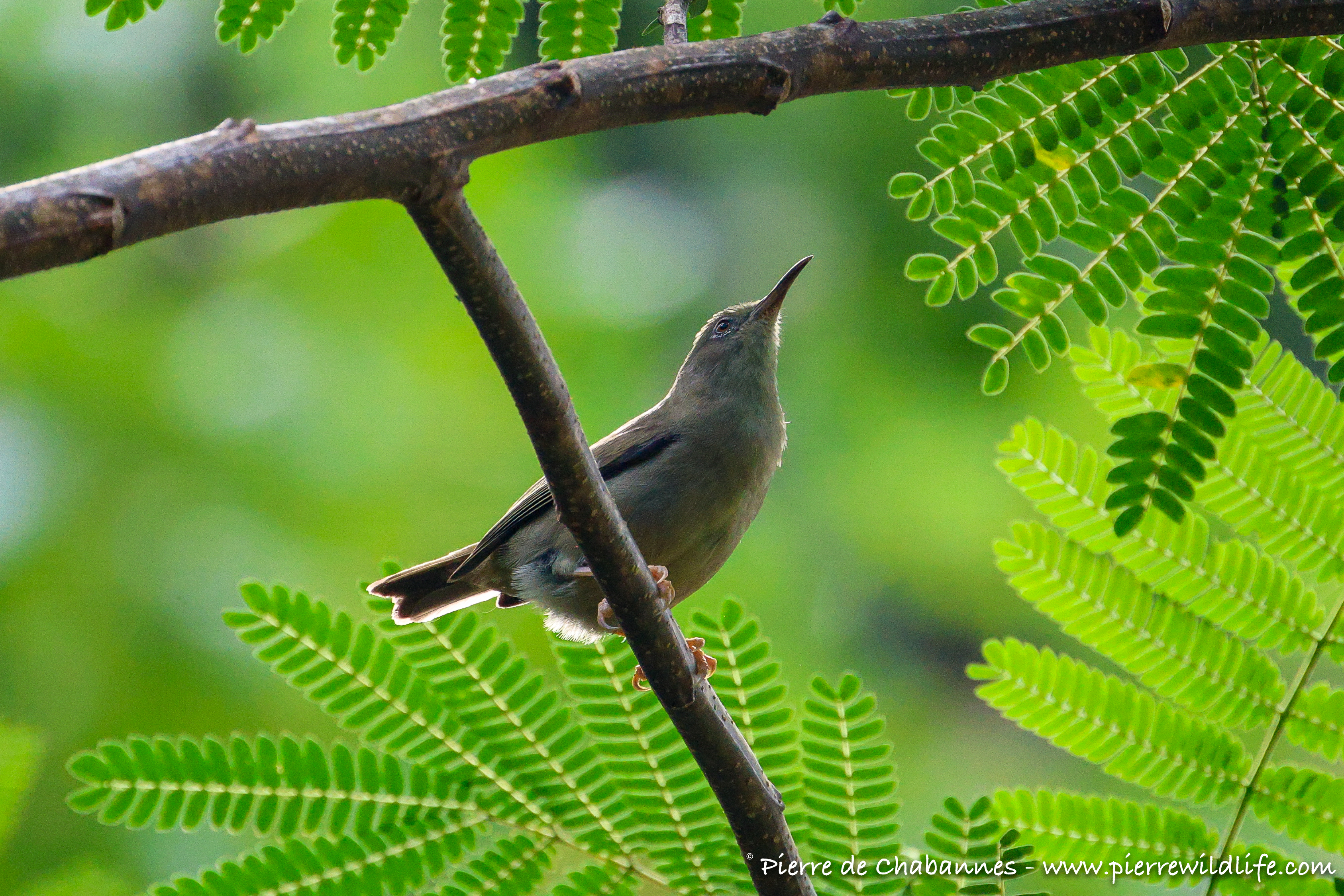 Long-billed white-eyeRukia longirostra
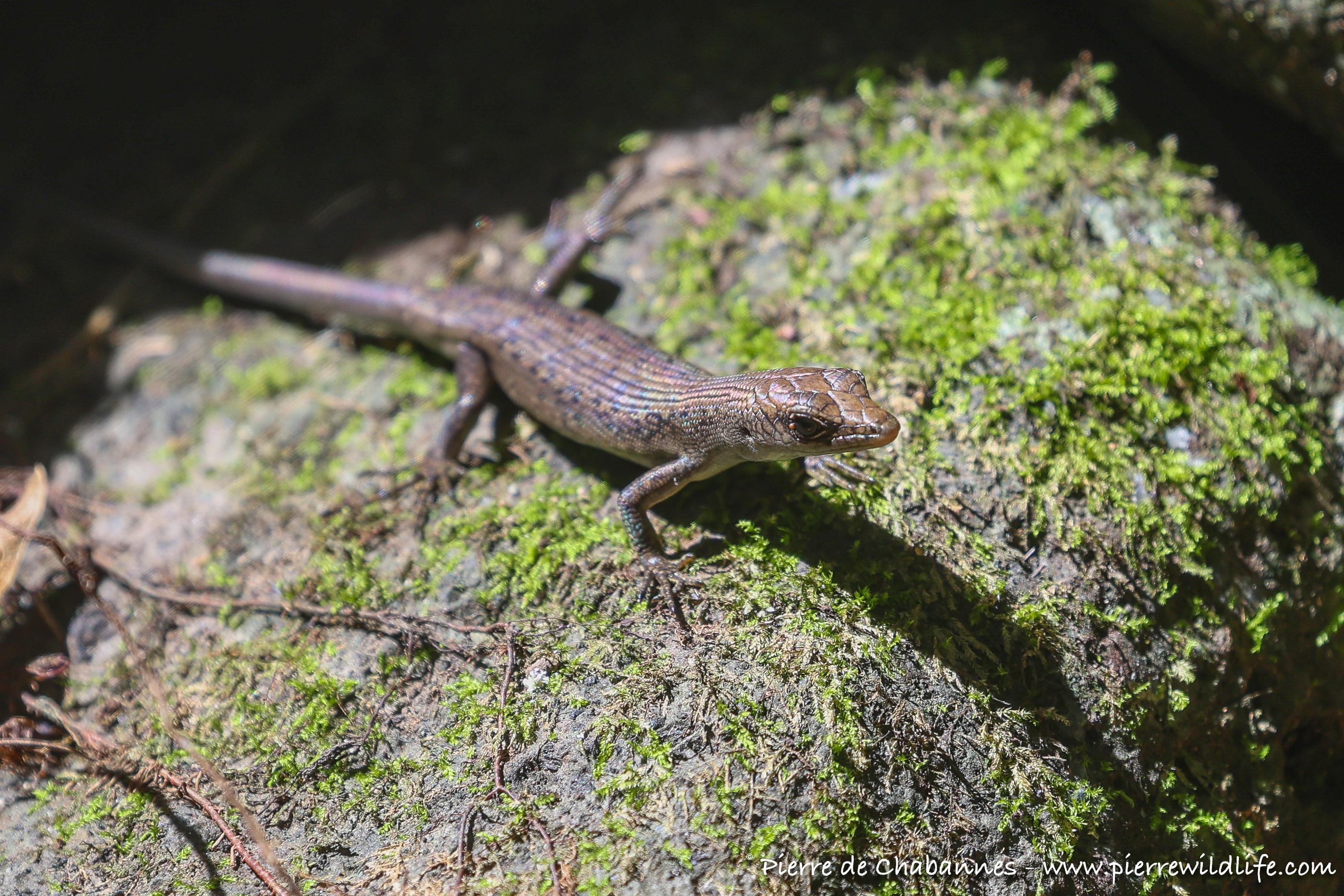 Micronesian spotted skinkEmoia boettgeri
 Pohnpei kingfisherTodiramphus reichenbachii
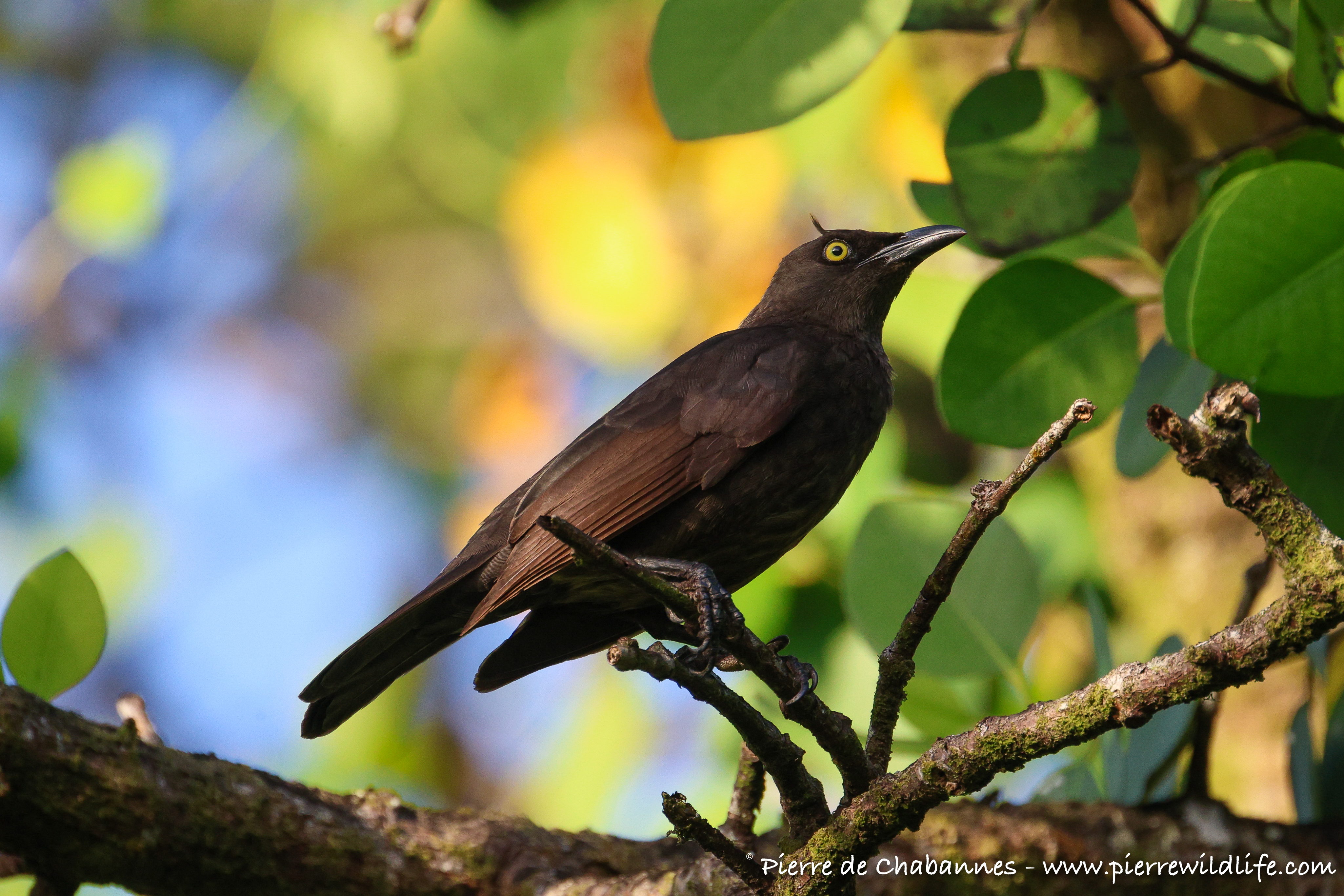 Micronesian starlingAplonis opaca ponapensis
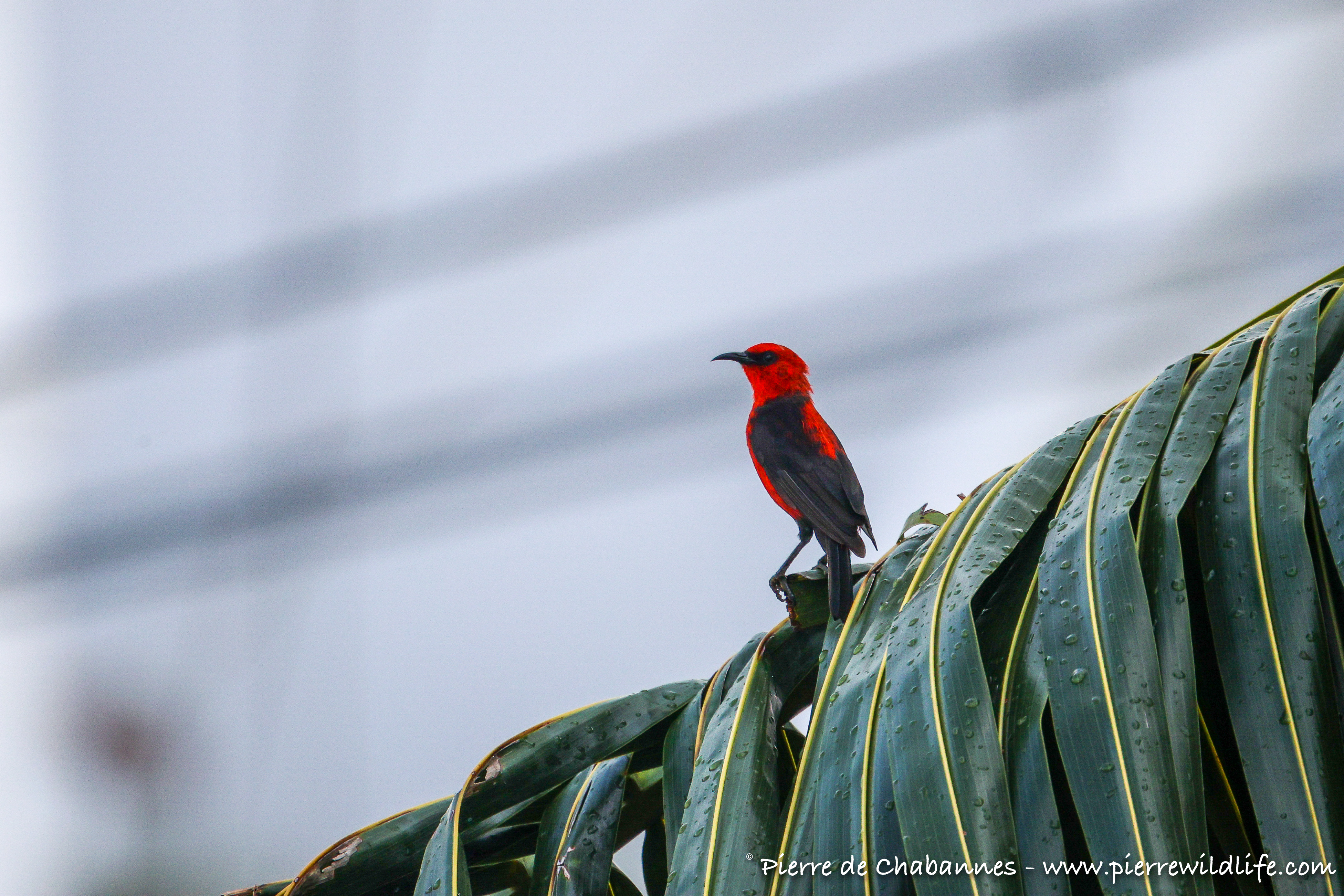 Micronesian myzomelaMyzomela rubratra dichromata
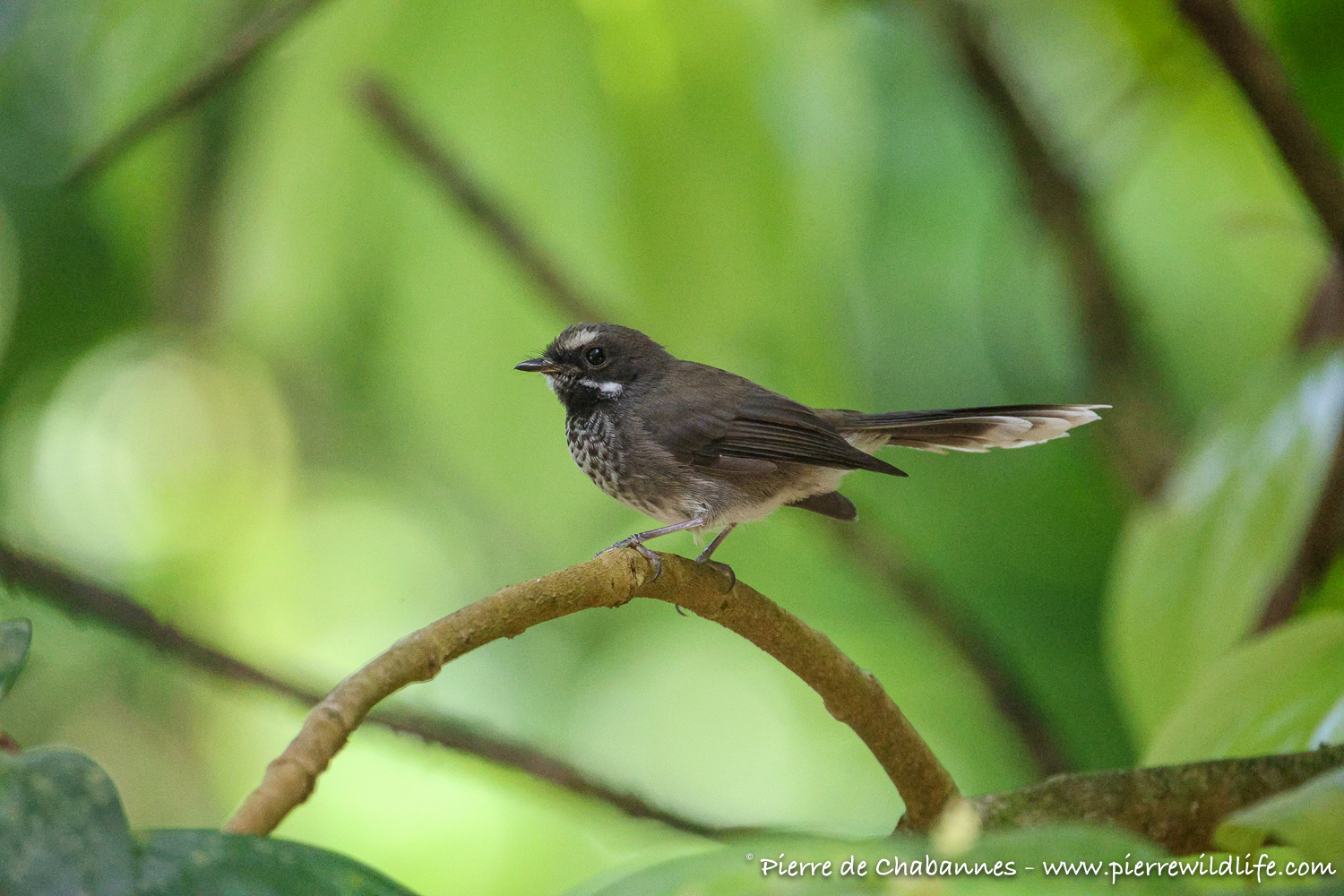 Pohnpei fantailRhipidura kubaryi
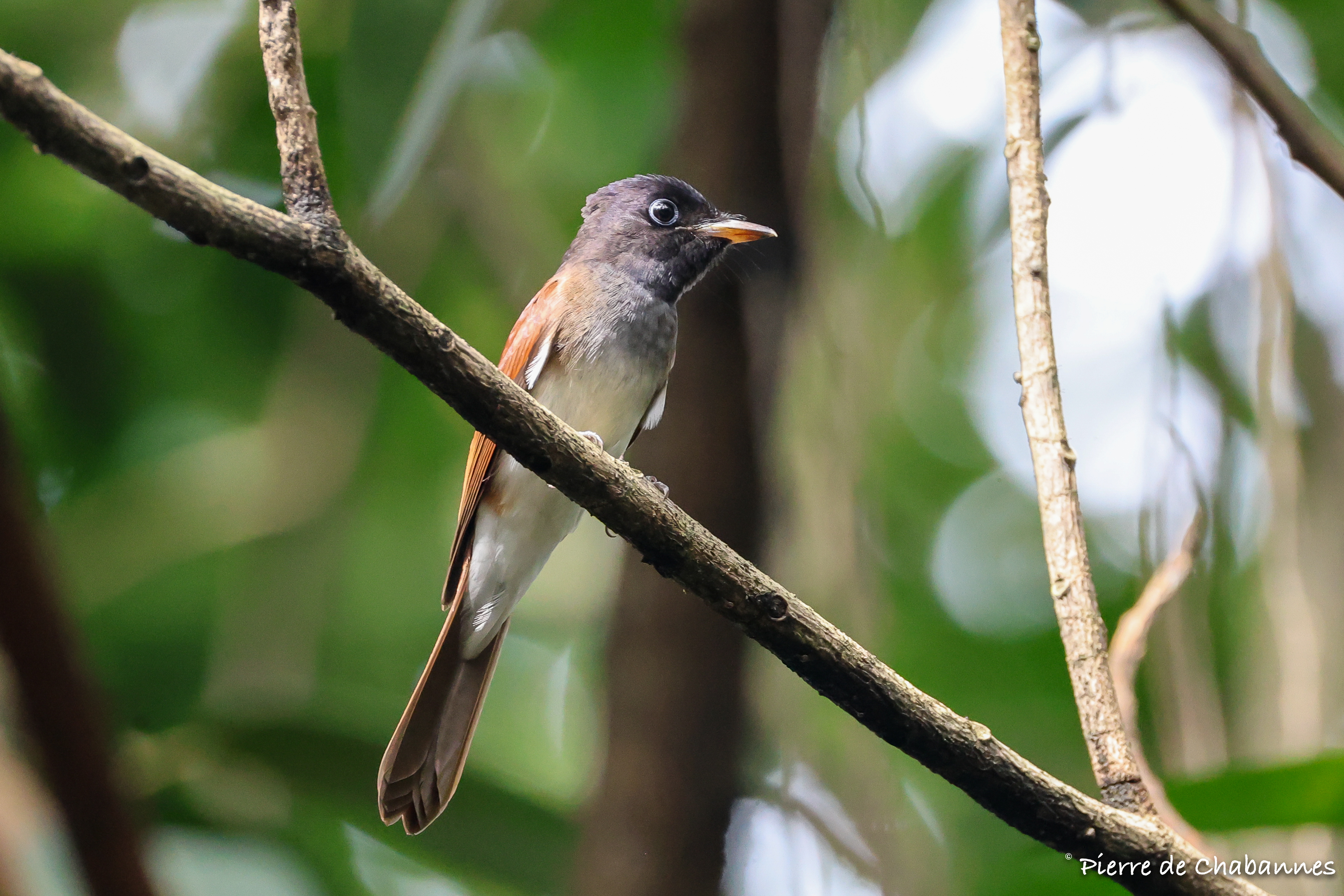 Black paradise-flycatcherTerpsiphone atrocaudata periophthalmica
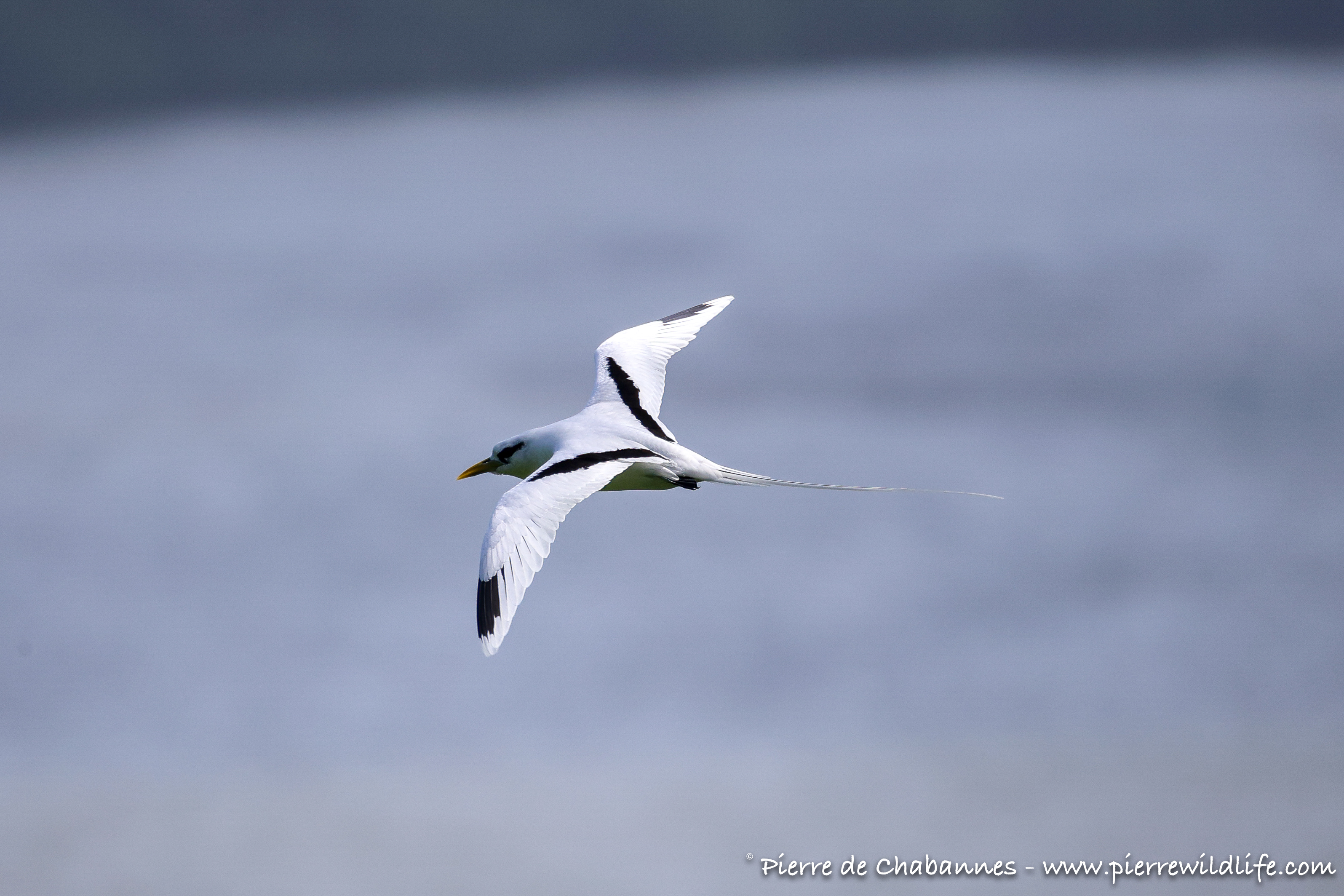 Pacific white-tailed tropicbirdPhaethon lepturus dorotheae
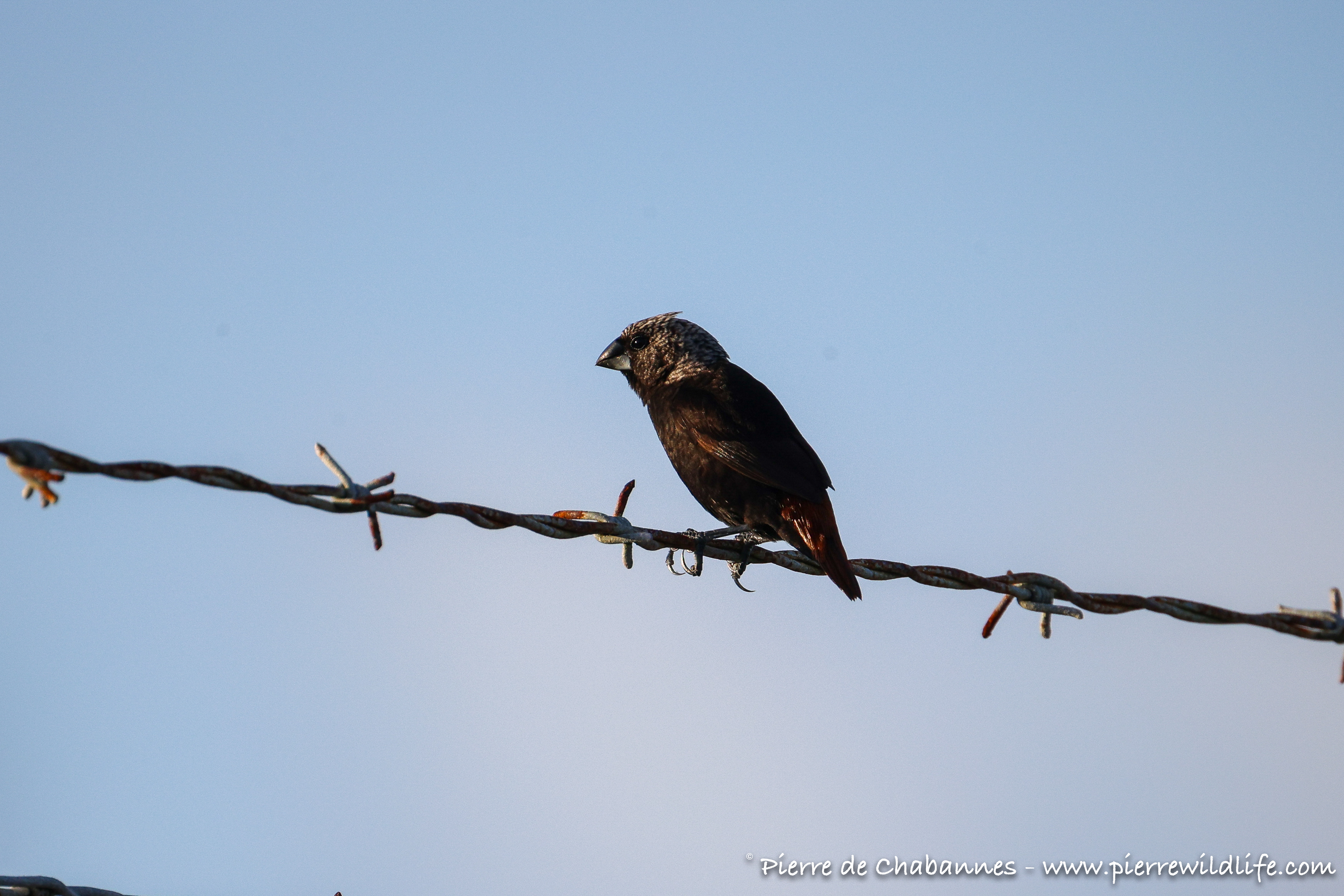 Mottled muniaLonchura hunsteini
Why this matters
Island ecosystems are particularly vulnerable to habitat loss, invasive species, and environmental change. Their wildlife often evolved in the absence of certain predators or competitors, making endemic species especially susceptible to newly introduced threats.
Guam provides a striking example of this vulnerability. The introduction of the invasive brown tree snake contributed to the disappearance of several native bird species from the wild, dramatically transforming the island’s ecosystems.
Understanding and documenting island biodiversity is therefore essential for its conservation. On Pohnpei, several endemic species remain poorly studied, and some have not been reliably recorded for many years. Future expeditions are among my objectives, with the aim of locating these elusive animals and documenting their populations and habitats.
Most species in this selection were photographed on Pohnpei Island, Micronesia, during fieldwork in 2023. The collection also includes two seabirds associated with remote island breeding colonies, photographed during their movements through the Philippines and Indonesia.
Together, these observations illustrate both the remarkable evolutionary diversity of island wildlife and the importance of continued field exploration, scientific documentation, and habitat protection.
Other island species can be found by browsing my Wildlife Database.
“A long-term project documenting biodiversity across the world through fieldwork, zoological observations and educational content.”