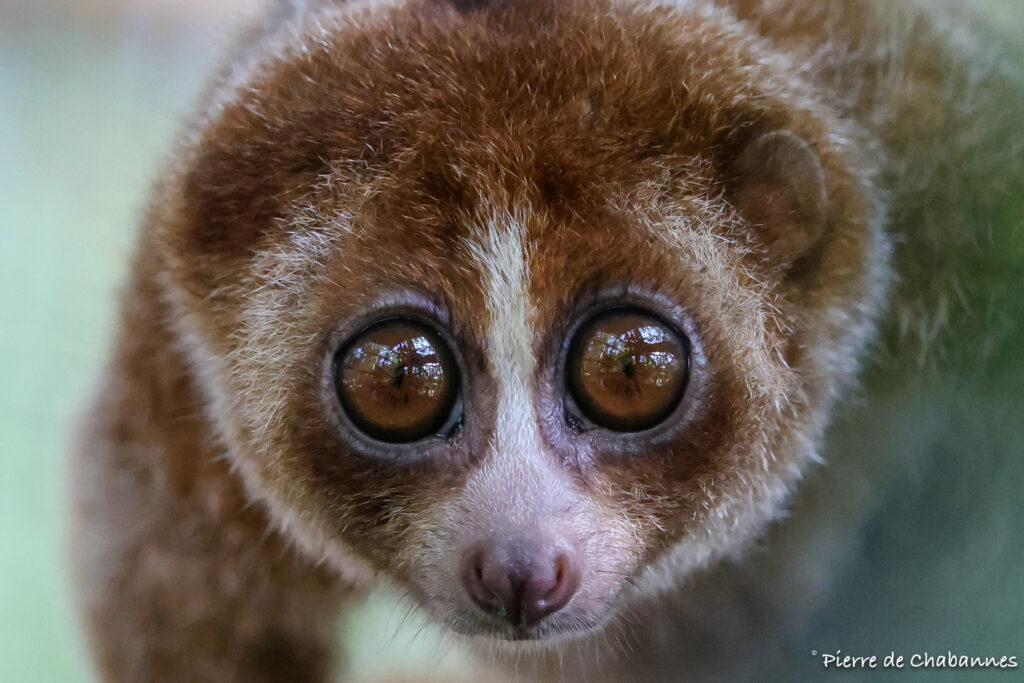
Primates of Southeast Asia
Southeast Asia is home to an extraordinary diversity of primates, from macaques, langurs, and gibbons to tarsiers, slow lorises, and orangutans. Many of these species are threatened by habitat loss, hunting, and the illegal wildlife trade.
This selection brings together ten primate species documented during field observations across Southeast Asia, primarily between 2023 and 2025. Most were photographed in their natural habitats, sometimes at remarkably close range, while one was documented under human care as part of a rescue and conservation programme.
Despite their often impressive size and distinctive appearance, primates can be surprisingly difficult to observe and photograph. Dense tropical forests, high canopies, elusive behaviour, and challenging light conditions make every successful encounter particularly rewarding.
Featured species
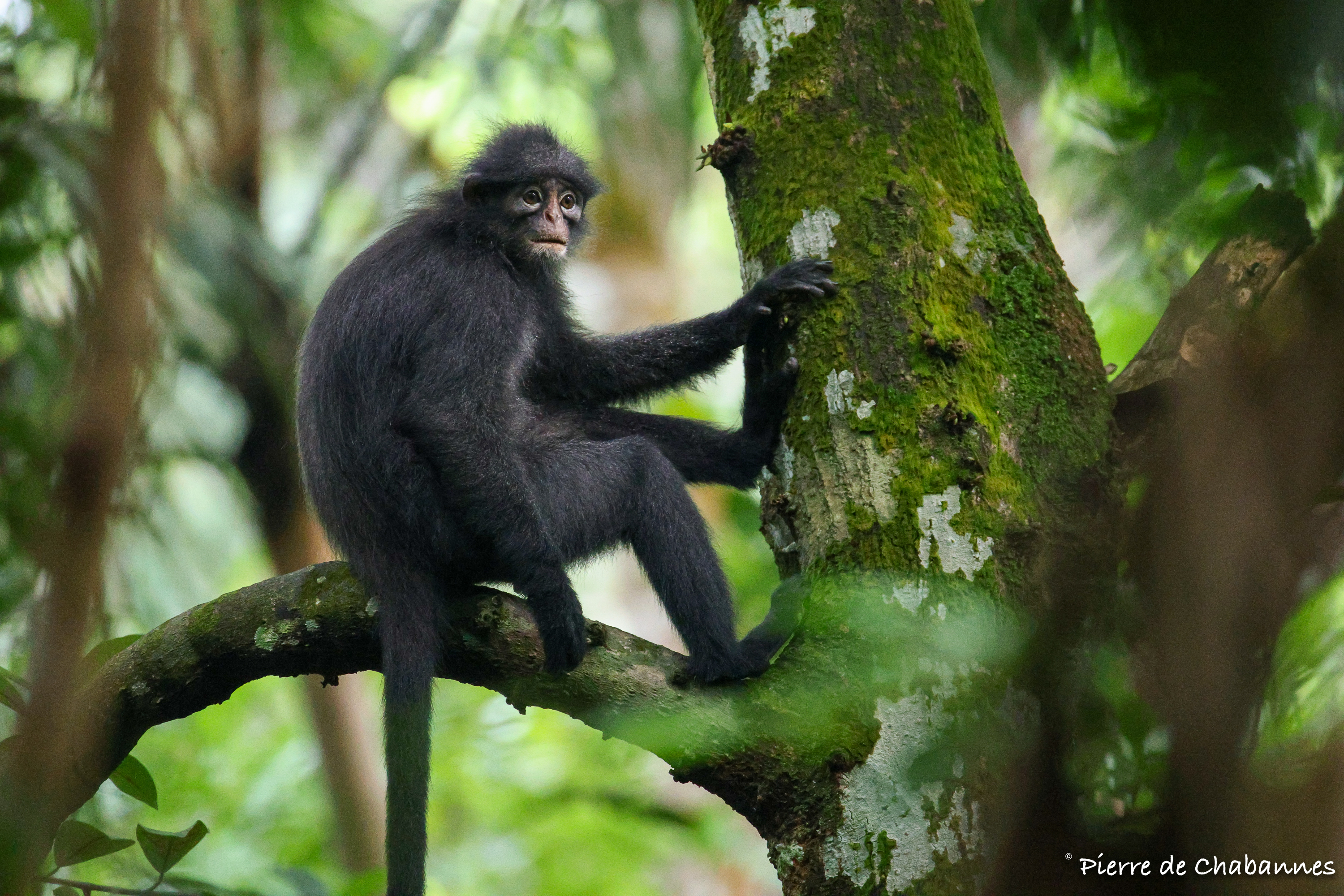 Raffles’ banded langurPresbytis femoralis
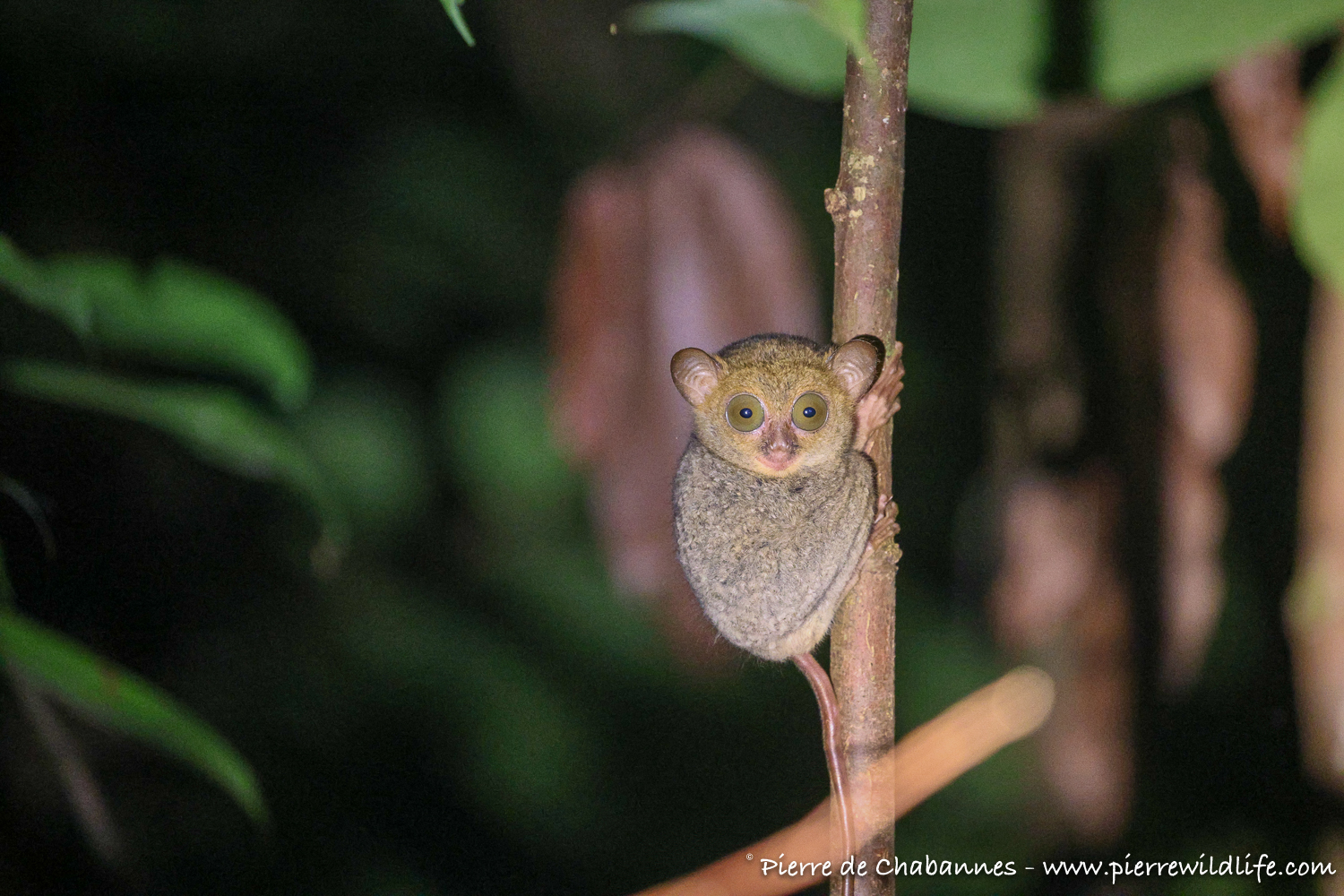 Bornean tarsierCephalopachus bancanus borneanus
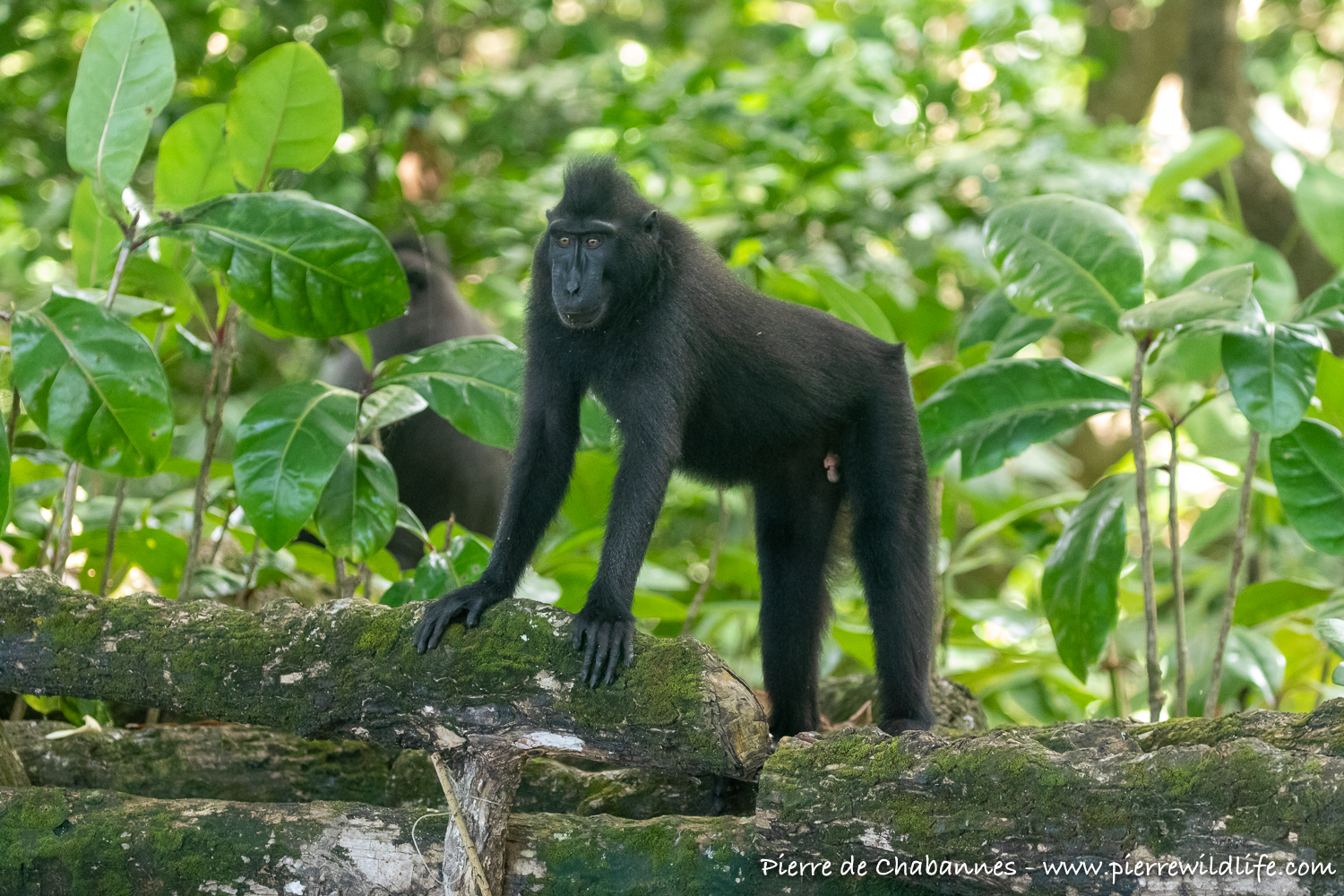 Celebes crested macaqueMacaca nigra
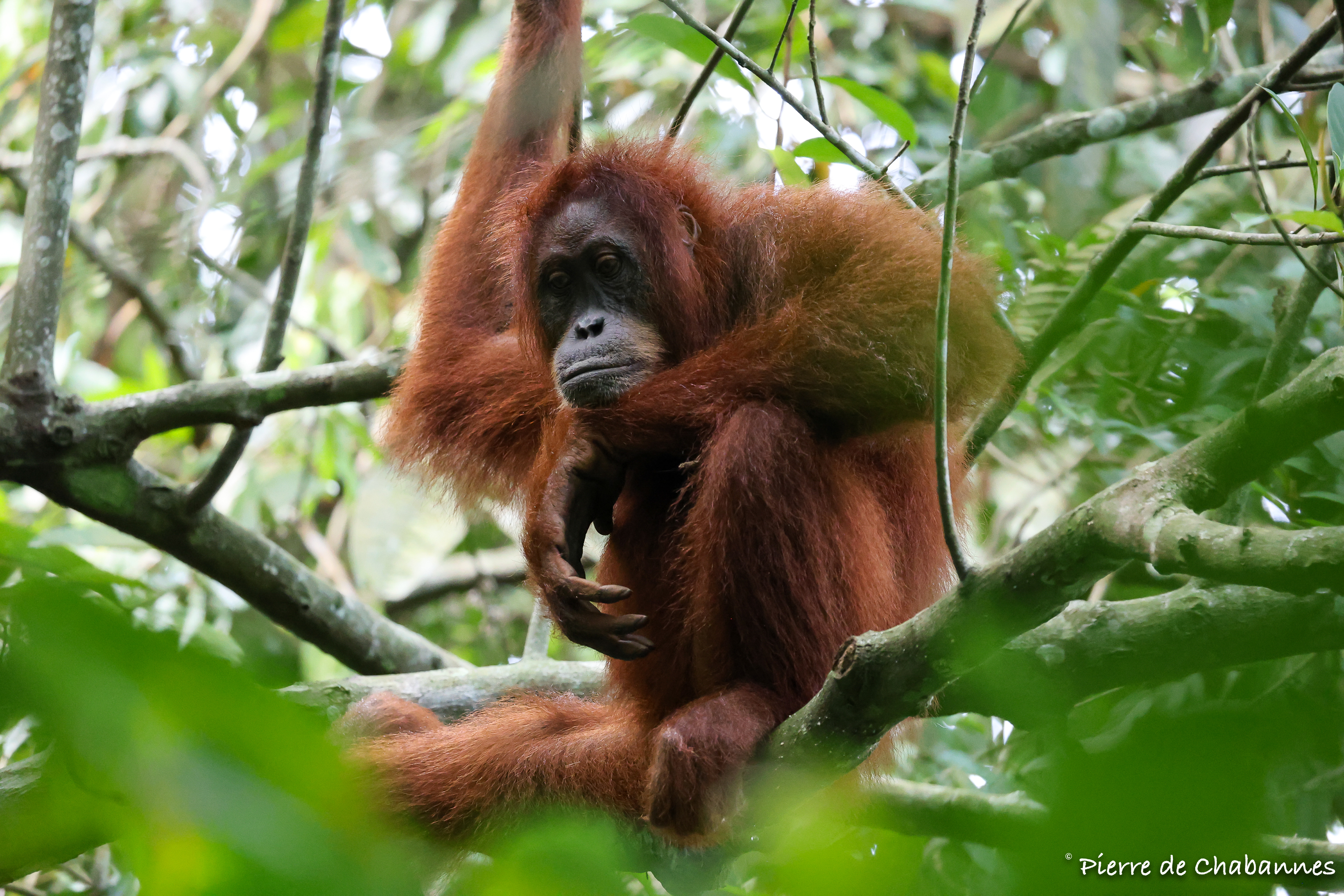 Sumatran orangutanPongo abelii
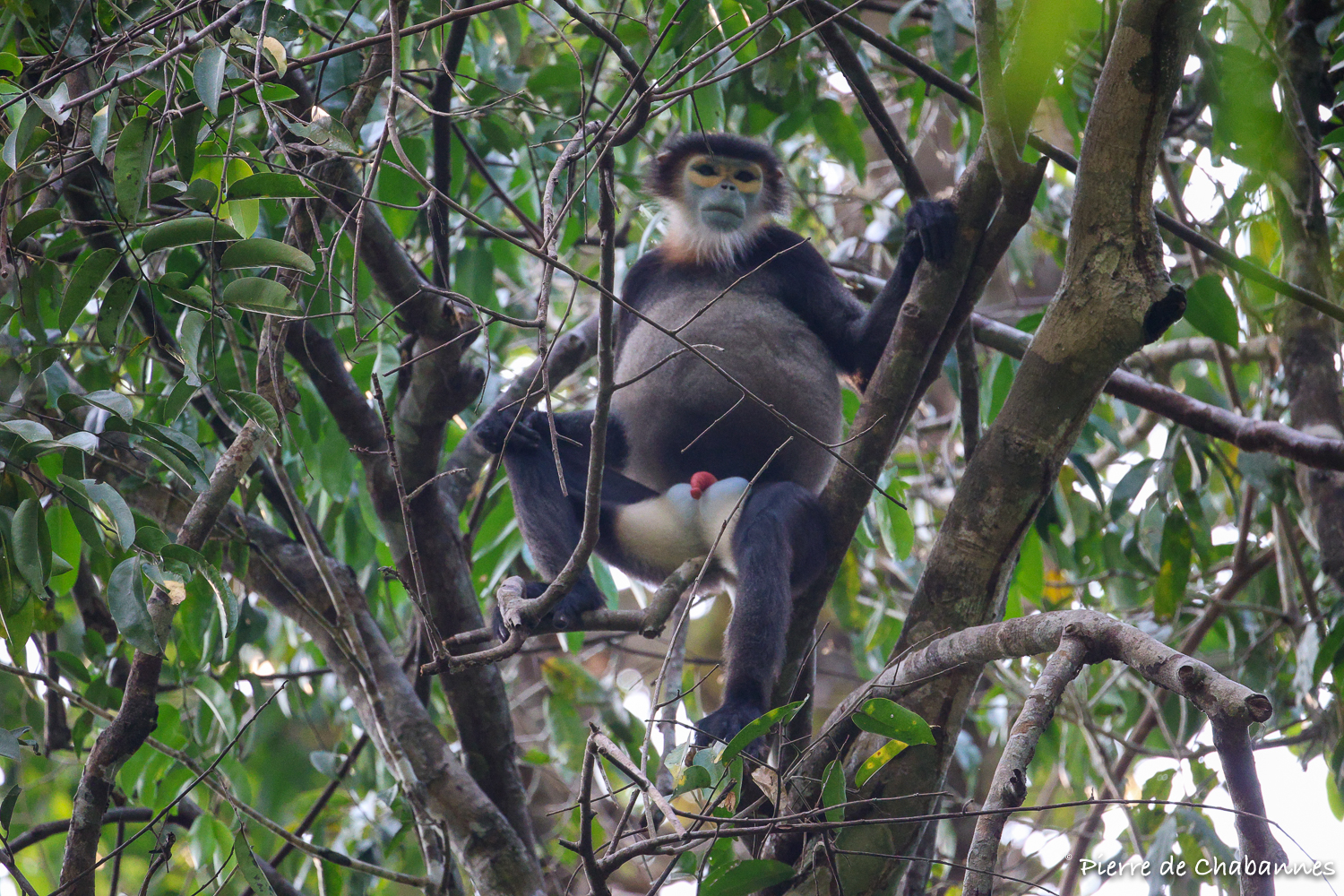 Black-shanked doucPygathrix nigripes
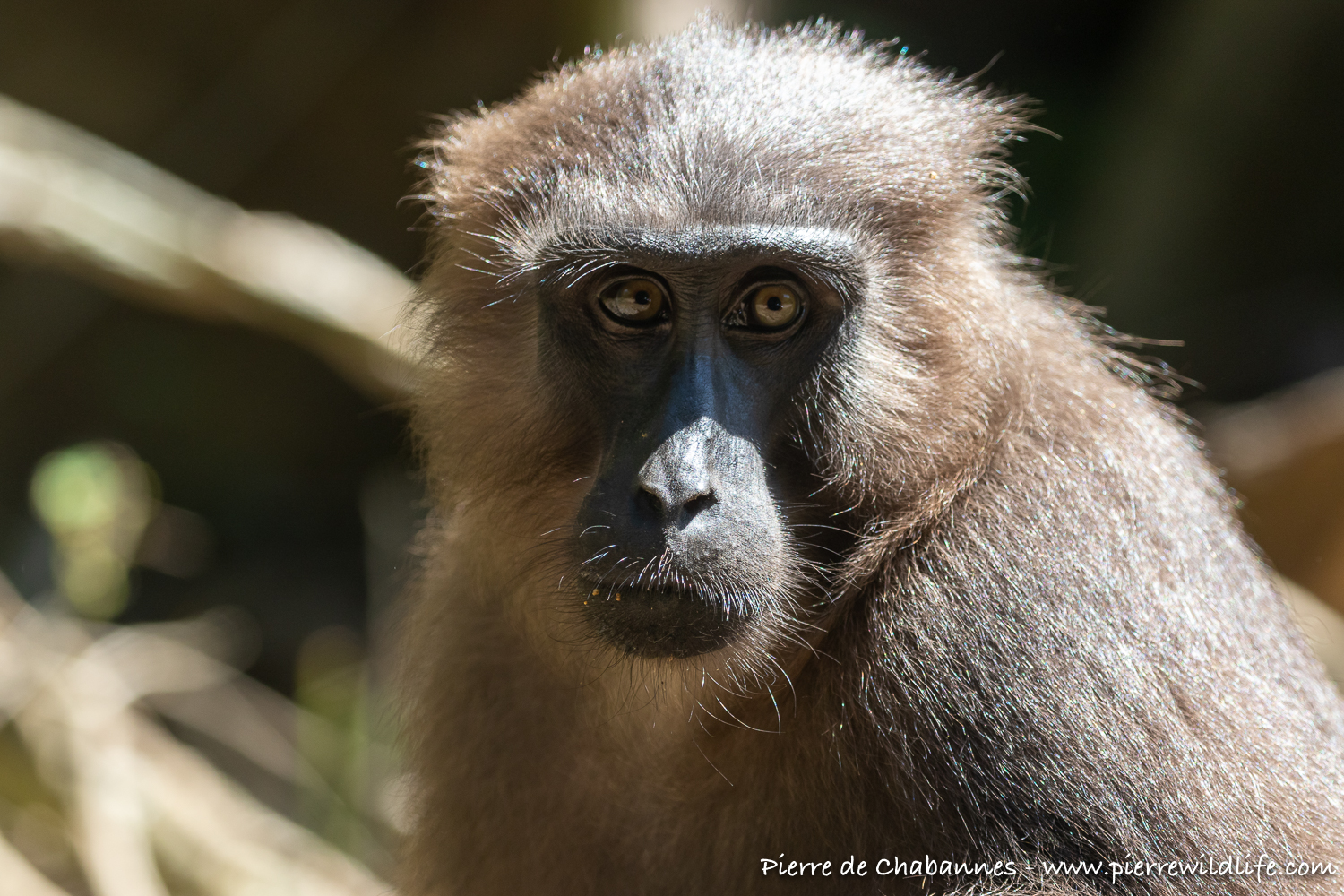 Moor macaqueMacaca maura
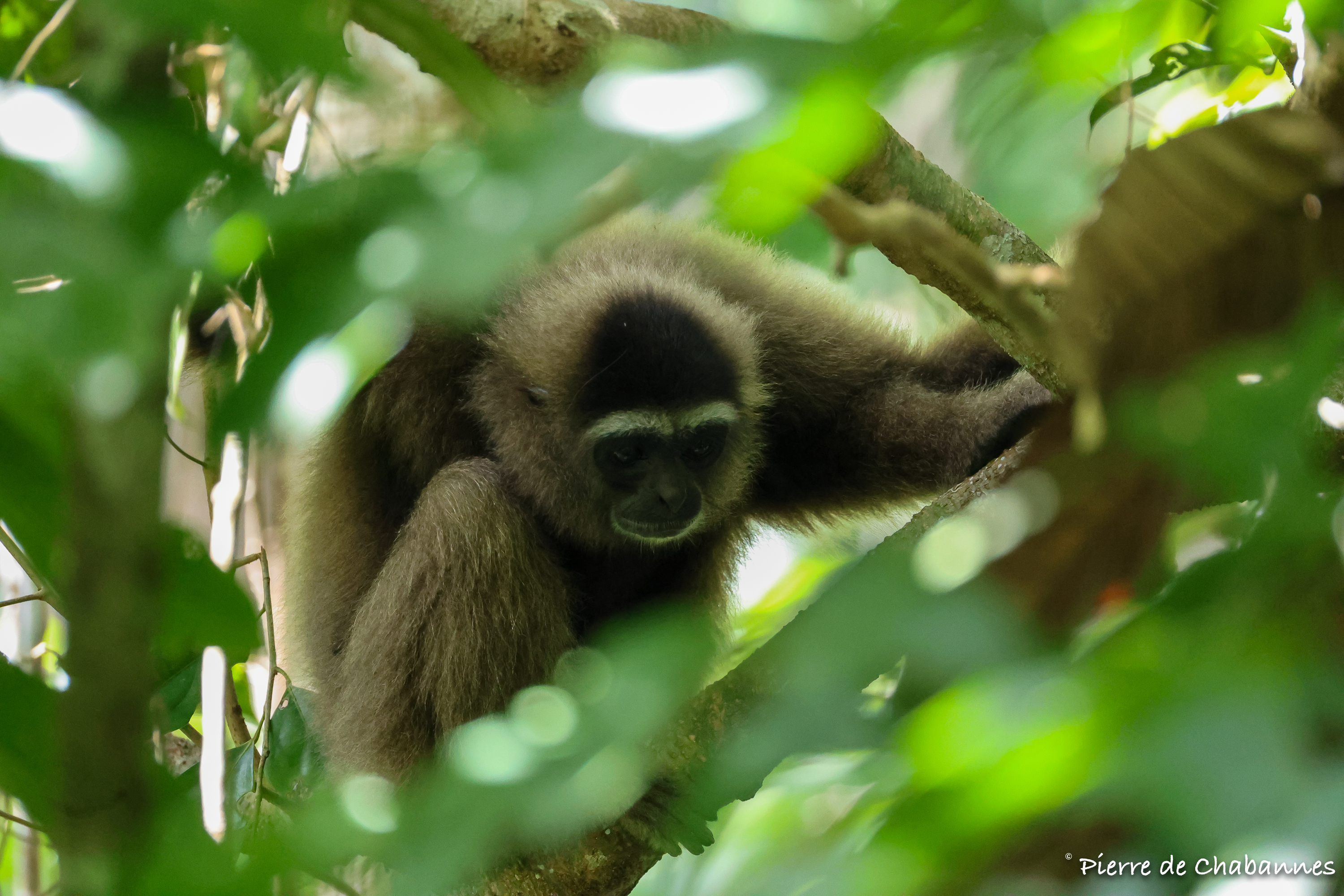 Northern gray gibbonHylobates funereus
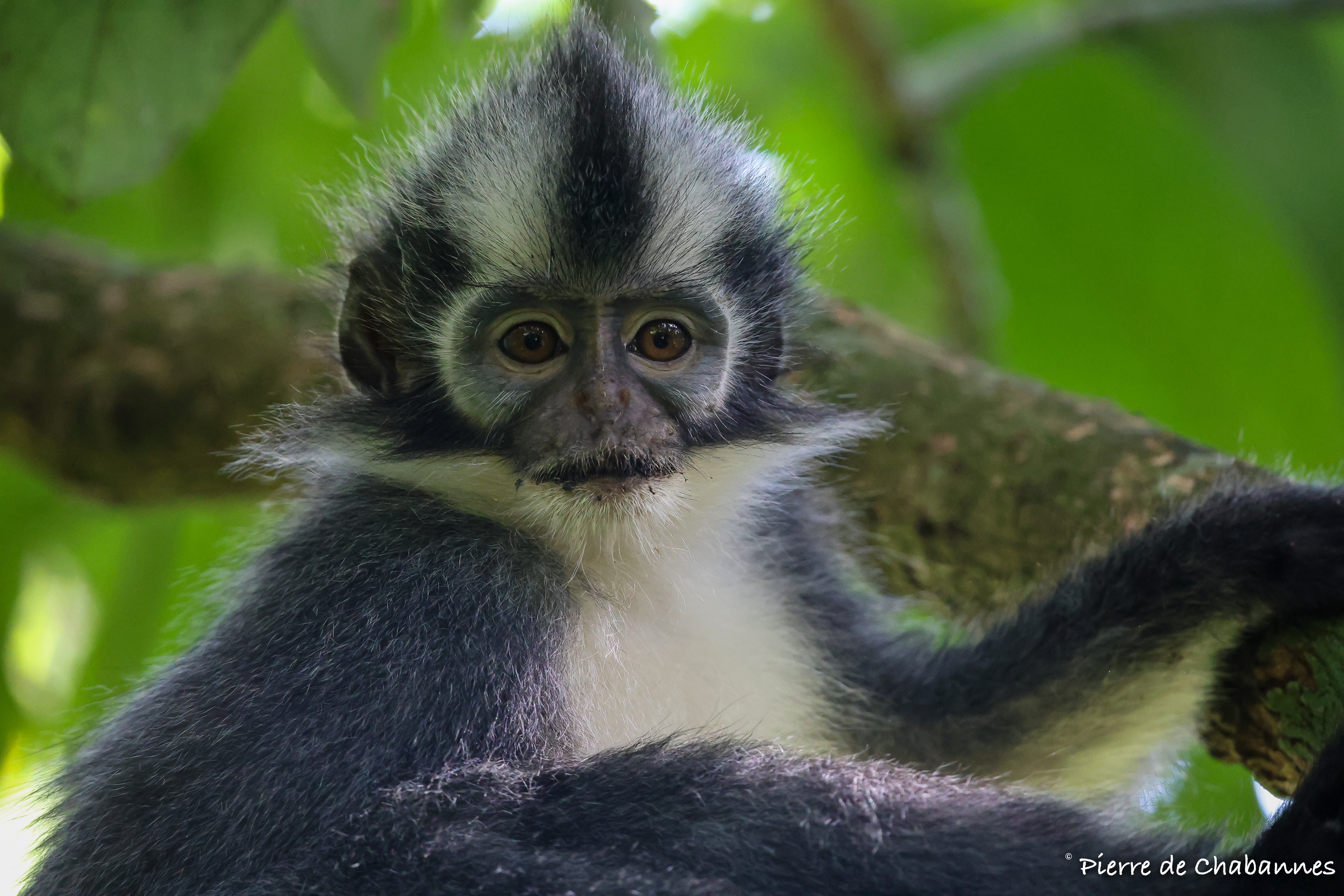 Thomas’ leaf monkeyPresbytis thomasi
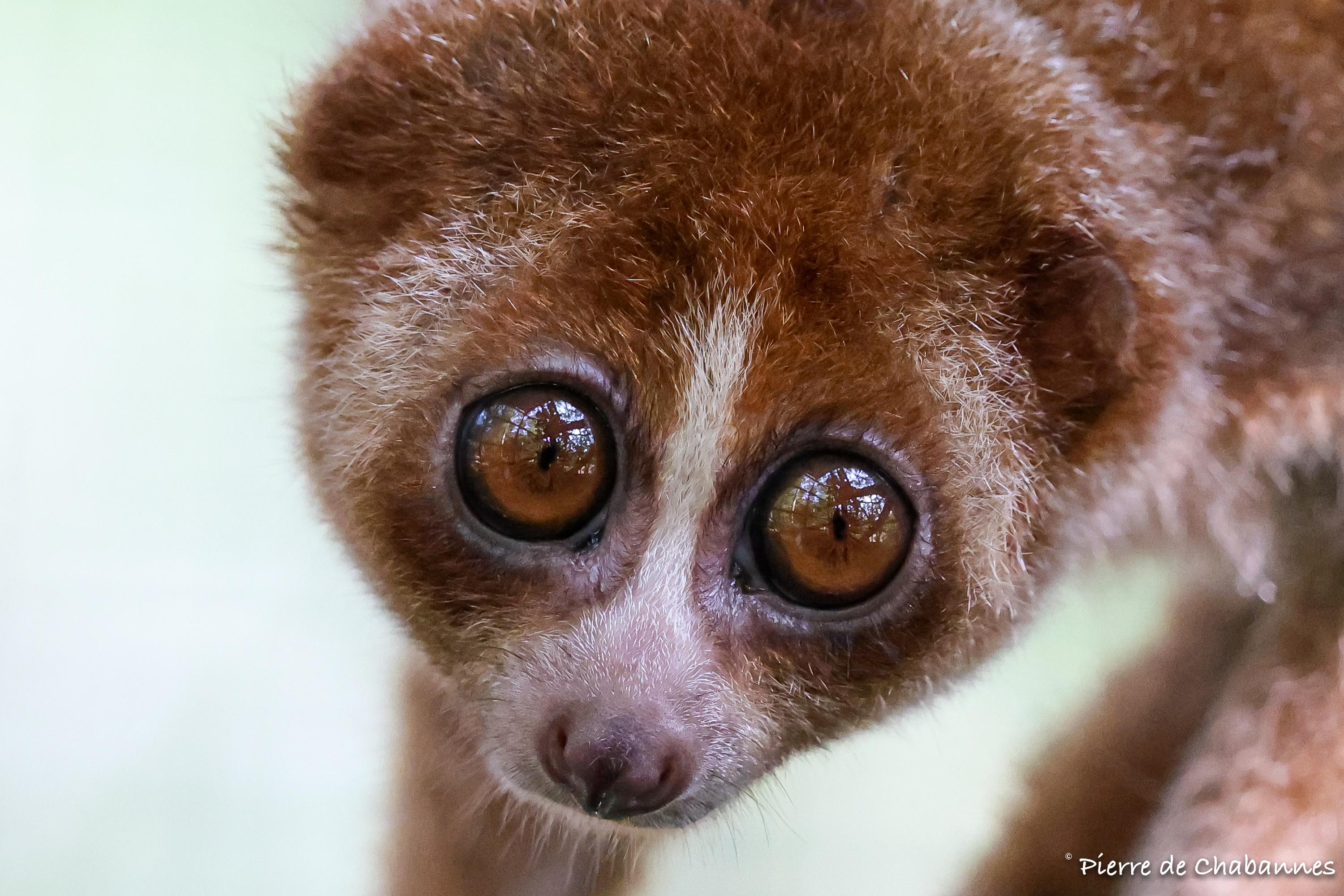 Bangka slow lorisNycticebus bancanus
 Dusky langurTrachypithecus obscurus obscurus
Why this matters
Although primates are among the most recognizable animals in the world, many species remain surprisingly poorly documented. Some langurs inhabiting the forests of Sumatra, Borneo, and smaller surrounding islands are rarely photographed, and important aspects of their behaviour, ecology, and population status remain insufficiently understood.
Primates also hold particular scientific and cultural significance because of their evolutionary relationship with humans. Yet across Southeast Asia, numerous species face growing threats from deforestation, habitat fragmentation, hunting, and illegal trade. Gibbons, in particular, are among the most threatened primate groups, with many species experiencing severe population declines.
Photographic documentation can contribute to a better understanding of these animals by recording their appearance, behaviour, habitats, and interactions with their environment. It also helps make lesser-known species more visible to the public and highlights the importance of protecting the forests on which they depend.
These ten encounters illustrate both the extraordinary diversity of Southeast Asian primates and the urgent need for continued research, habitat protection, and conservation action. The inclusion of a rescued Bangka slow loris also highlights the important contribution of rehabilitation centres working to protect species affected by the illegal wildlife trade.
Other primate species can be found by browsing my Education resources.
“A long-term project documenting biodiversity across the world through fieldwork, zoological observations and educational content.”