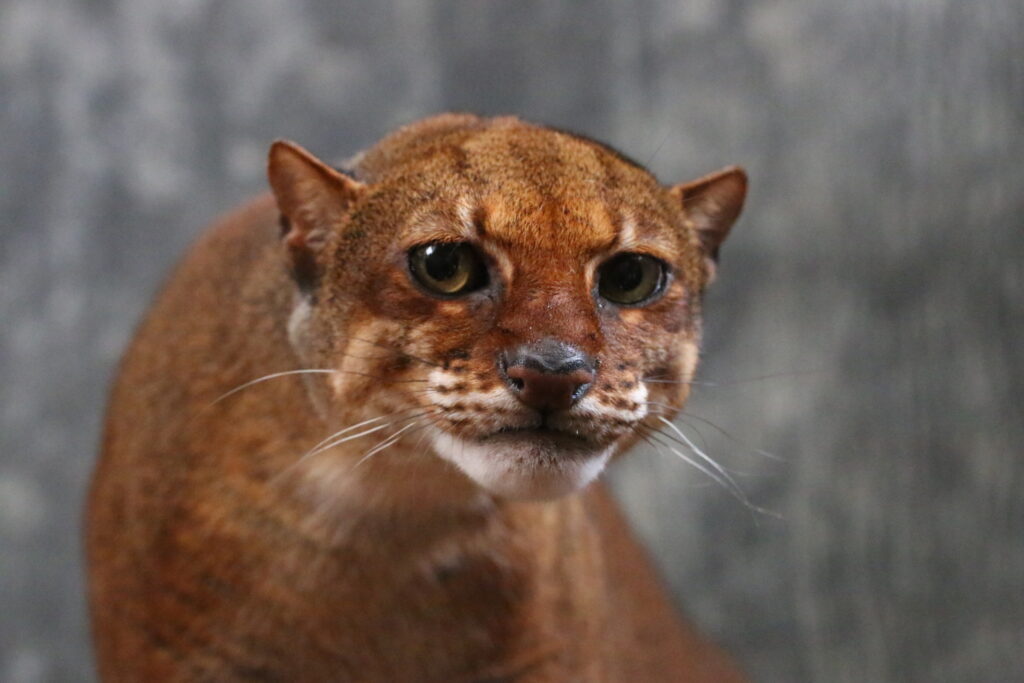
Conservation under human care — Zoological institutions and biodiversity
Zoological institutions play an important role in the conservation, scientific study, and protection of threatened animal species around the world.
This selection highlights ten remarkable species photographed under human care, each associated with conservation initiatives carried out either ex situ, through managed breeding programmes, or in situ, through research and conservation activities in their natural habitats.
Some of these species are critically endangered, and their survival may depend partly, or in certain cases almost entirely, on coordinated conservation efforts involving zoological institutions, scientists, and local partners.
Featured species
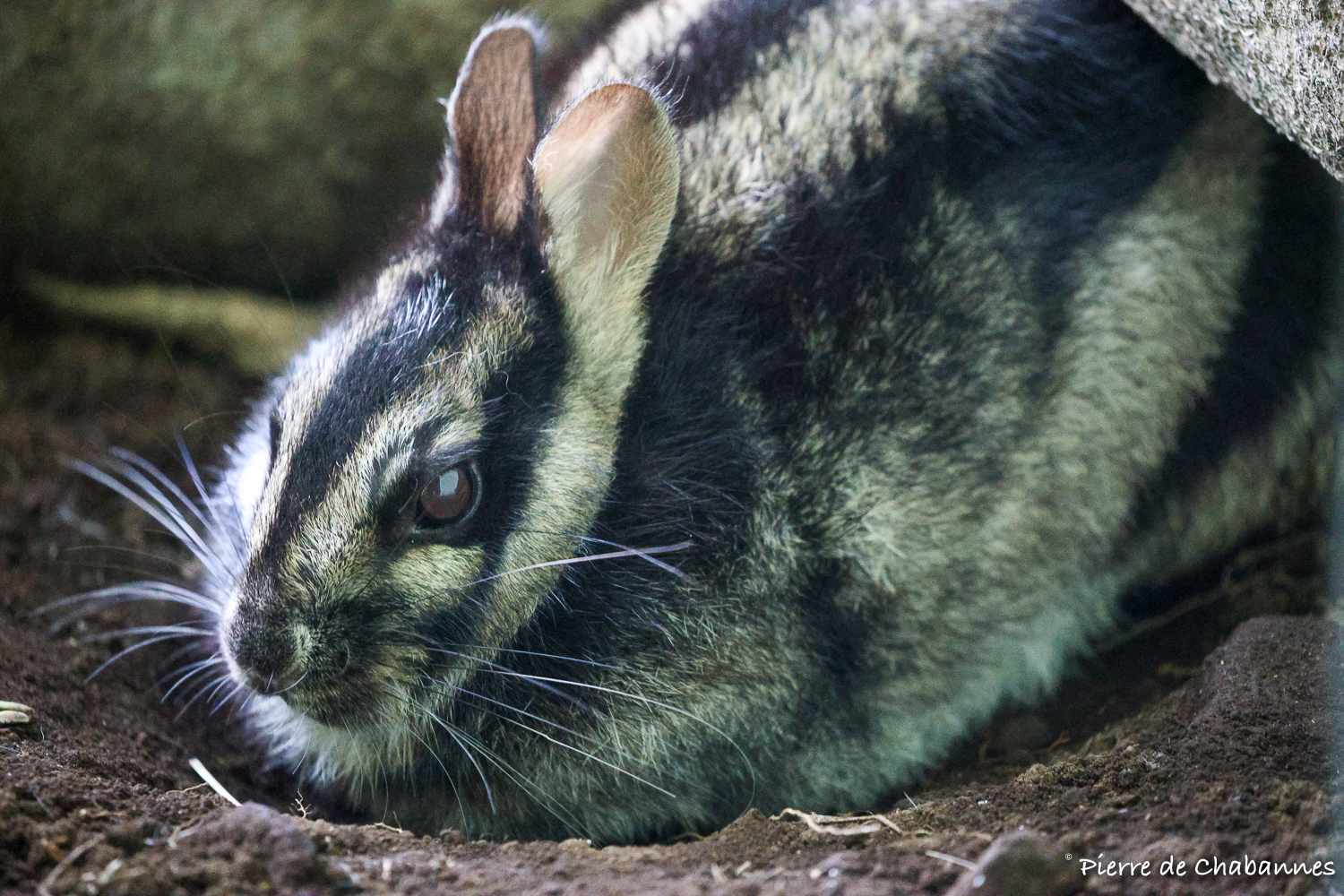 Sumatran striped rabbitNesolagus netscheri
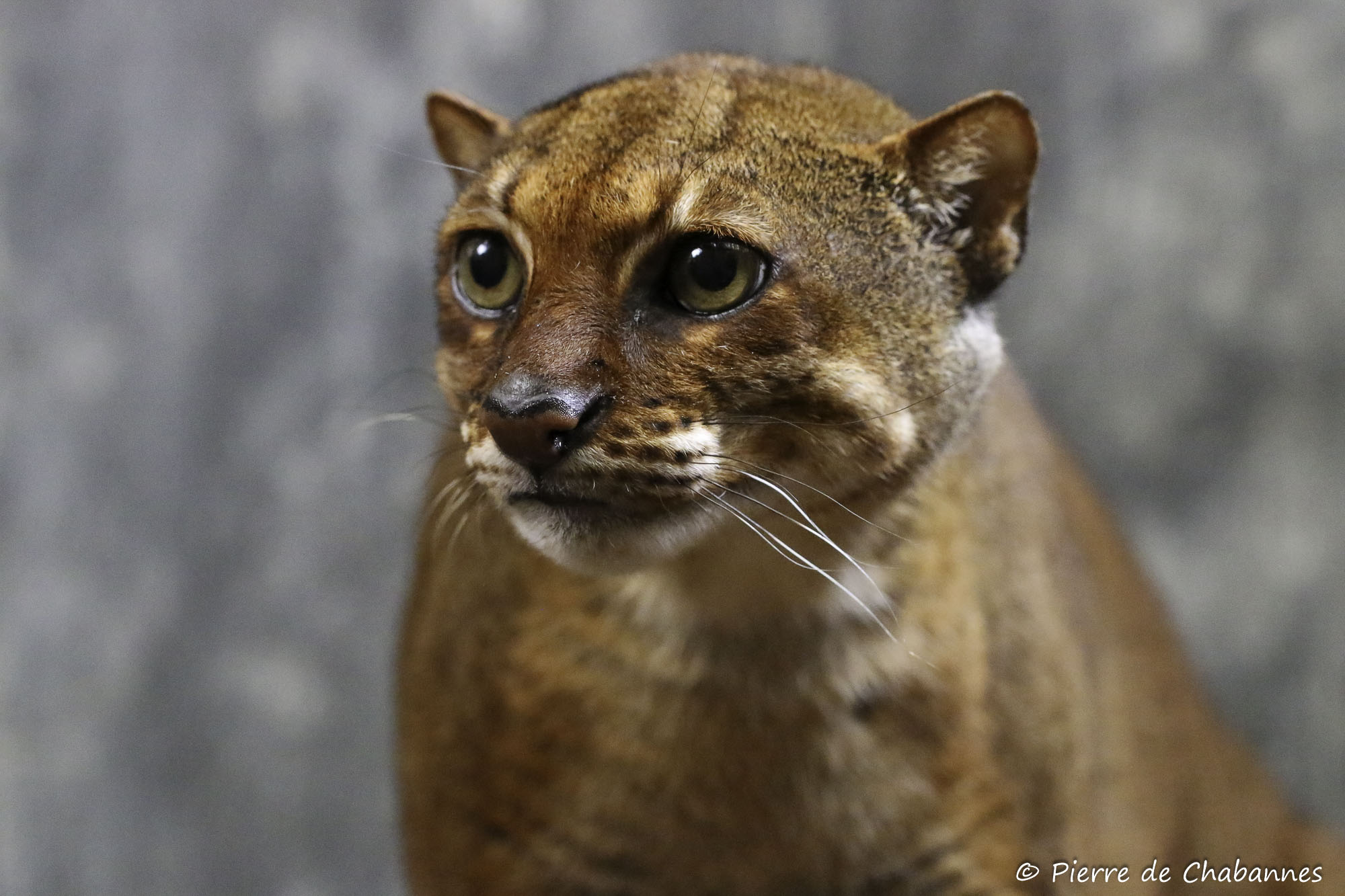 Bornean bay catCatopuma badia
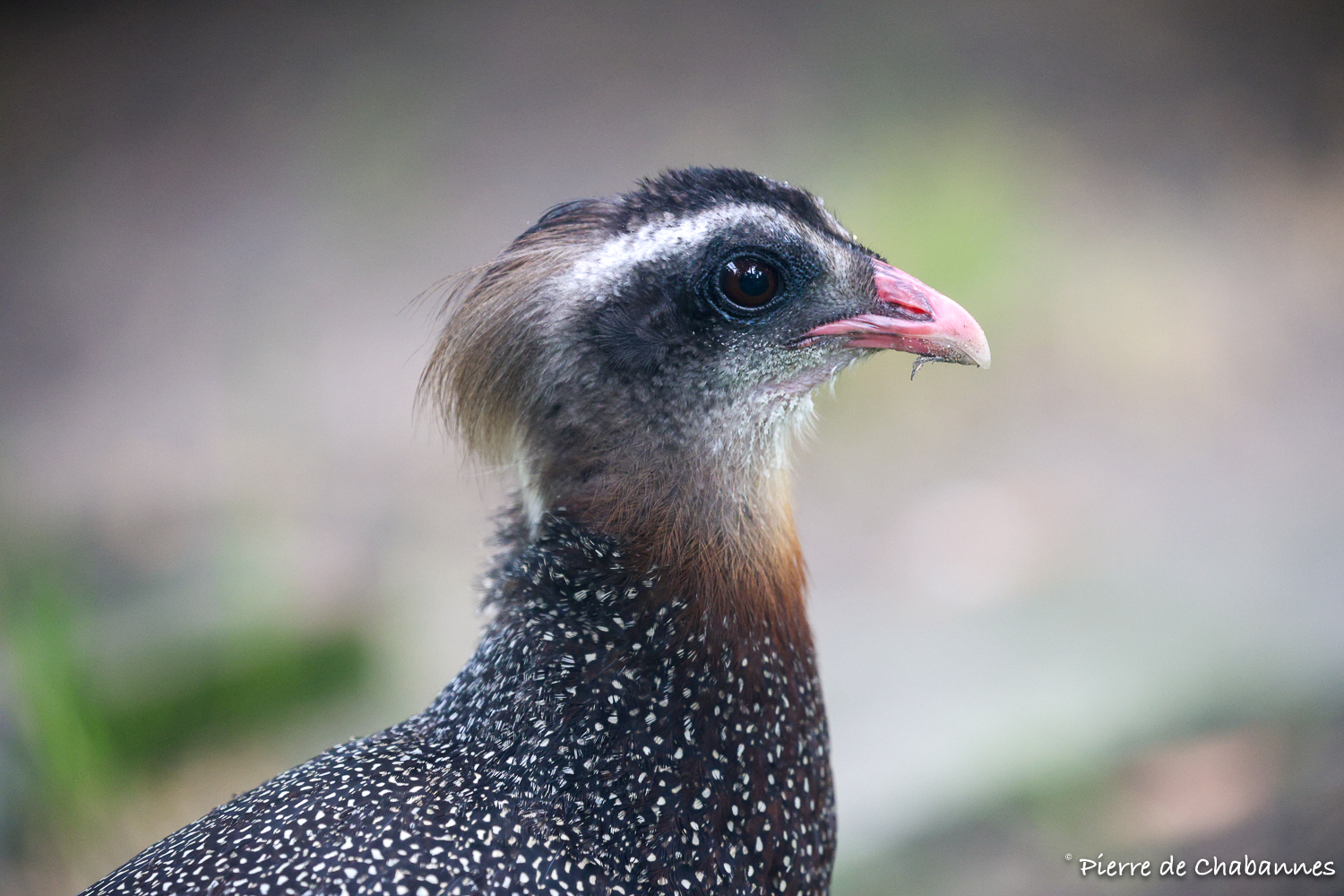 Vietnamese crested argusRheinardia ocellata
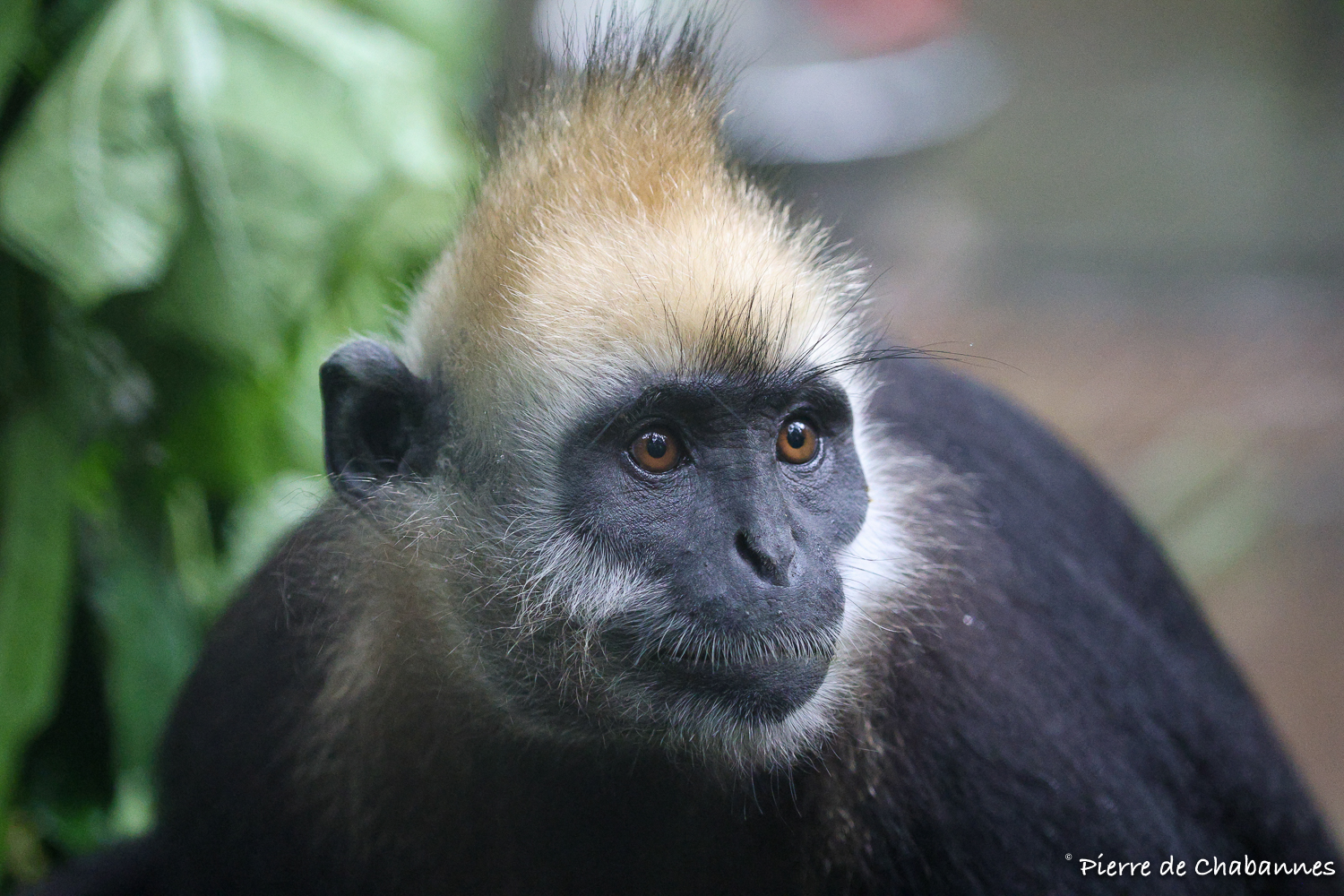 Cat Ba langurTrachypithecus poliocephalus
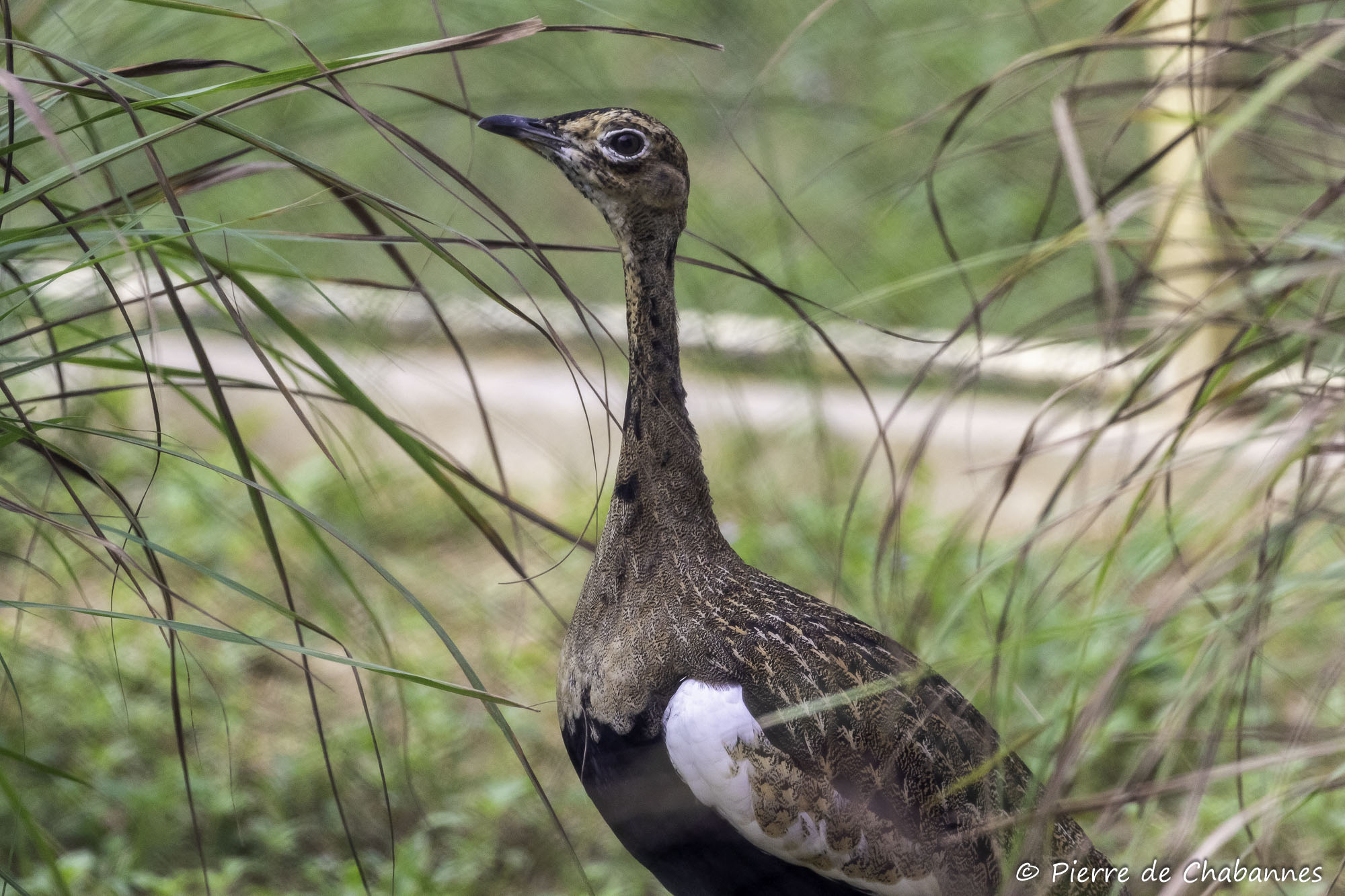 Bengal floricanHoubaropsis bengalensis blandini
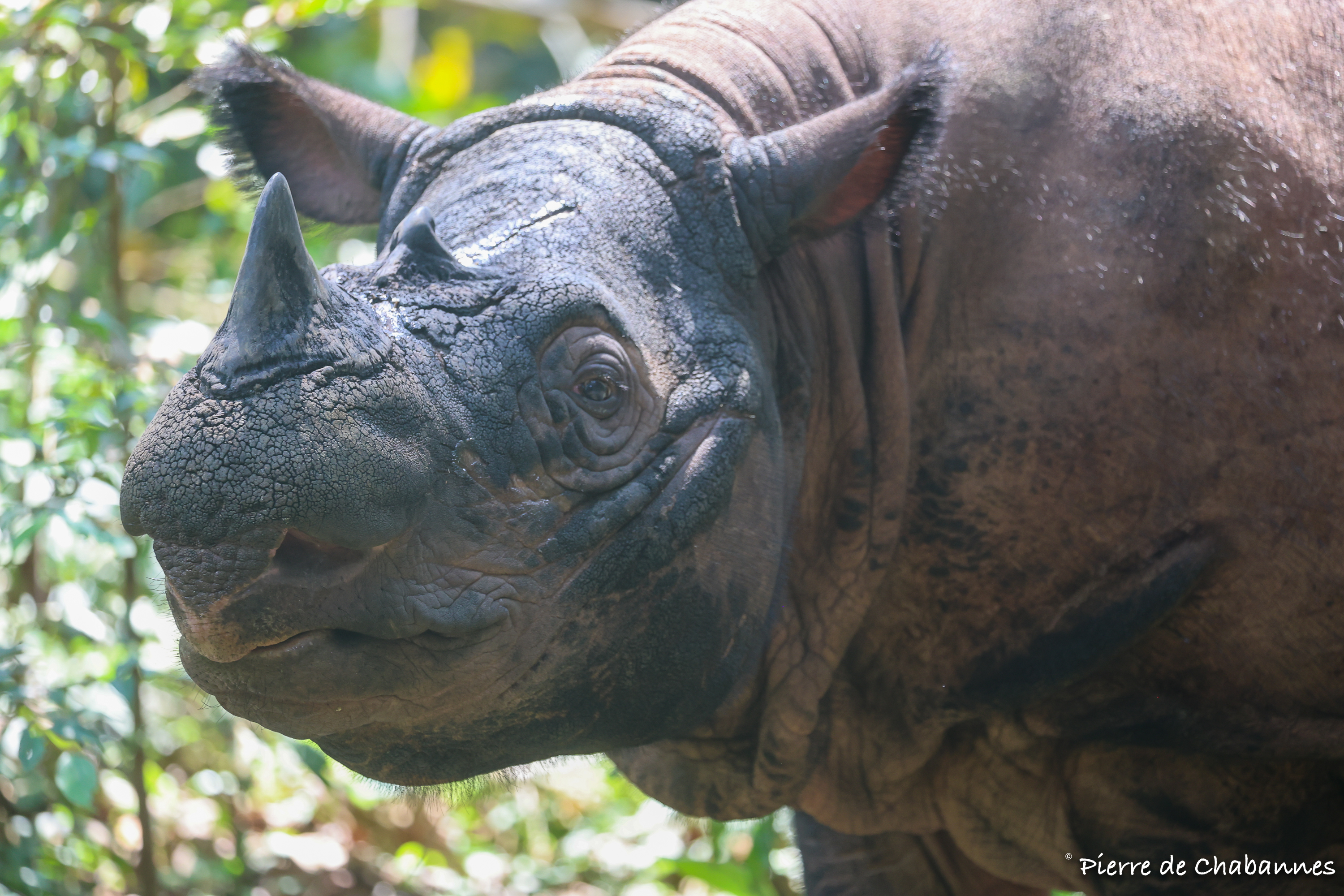 Sumatran rhinocerosDicerorhinus sumatrensis sumatrensis
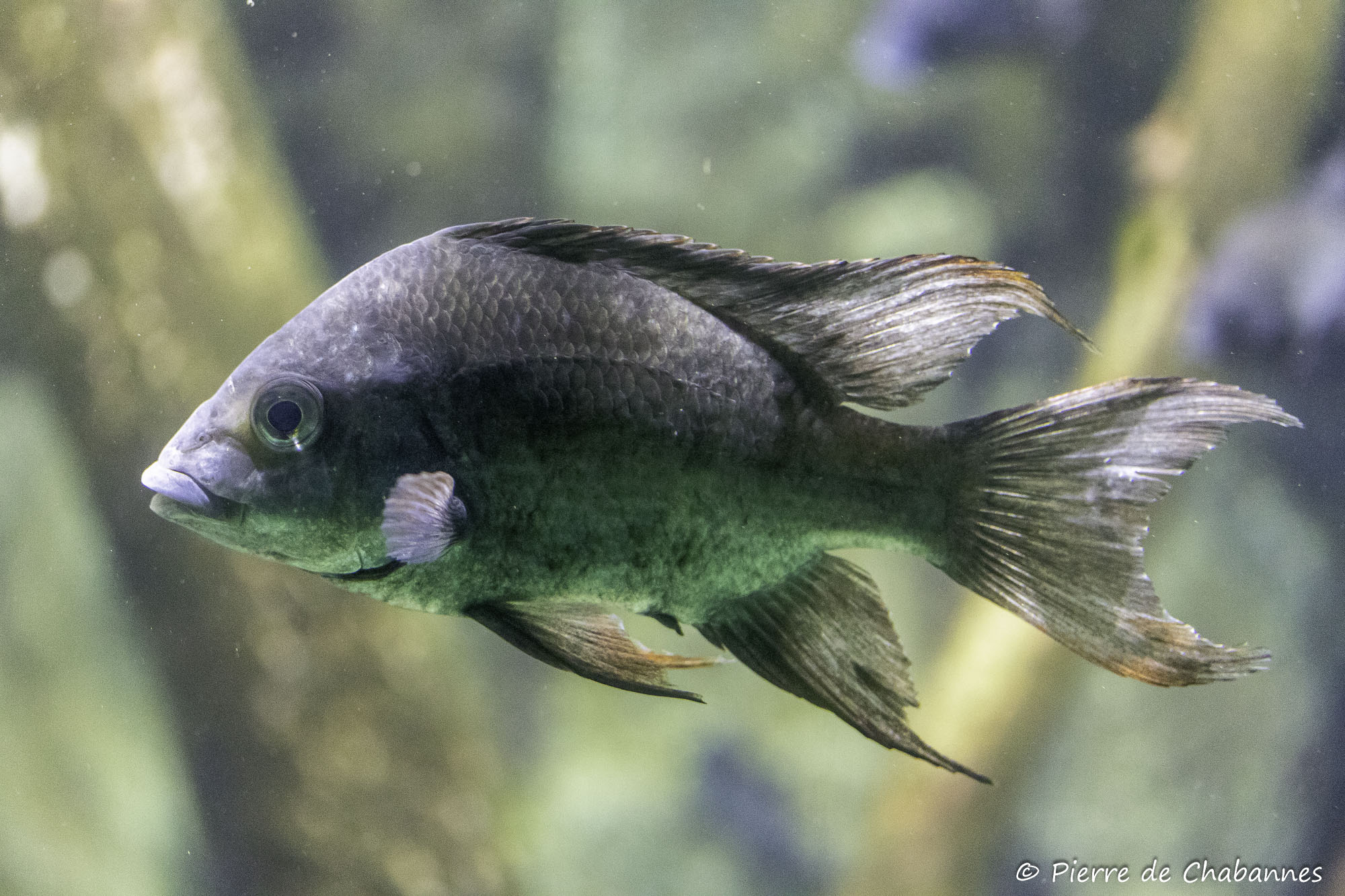 Mangarahara cichlidPtychochromis insolitus
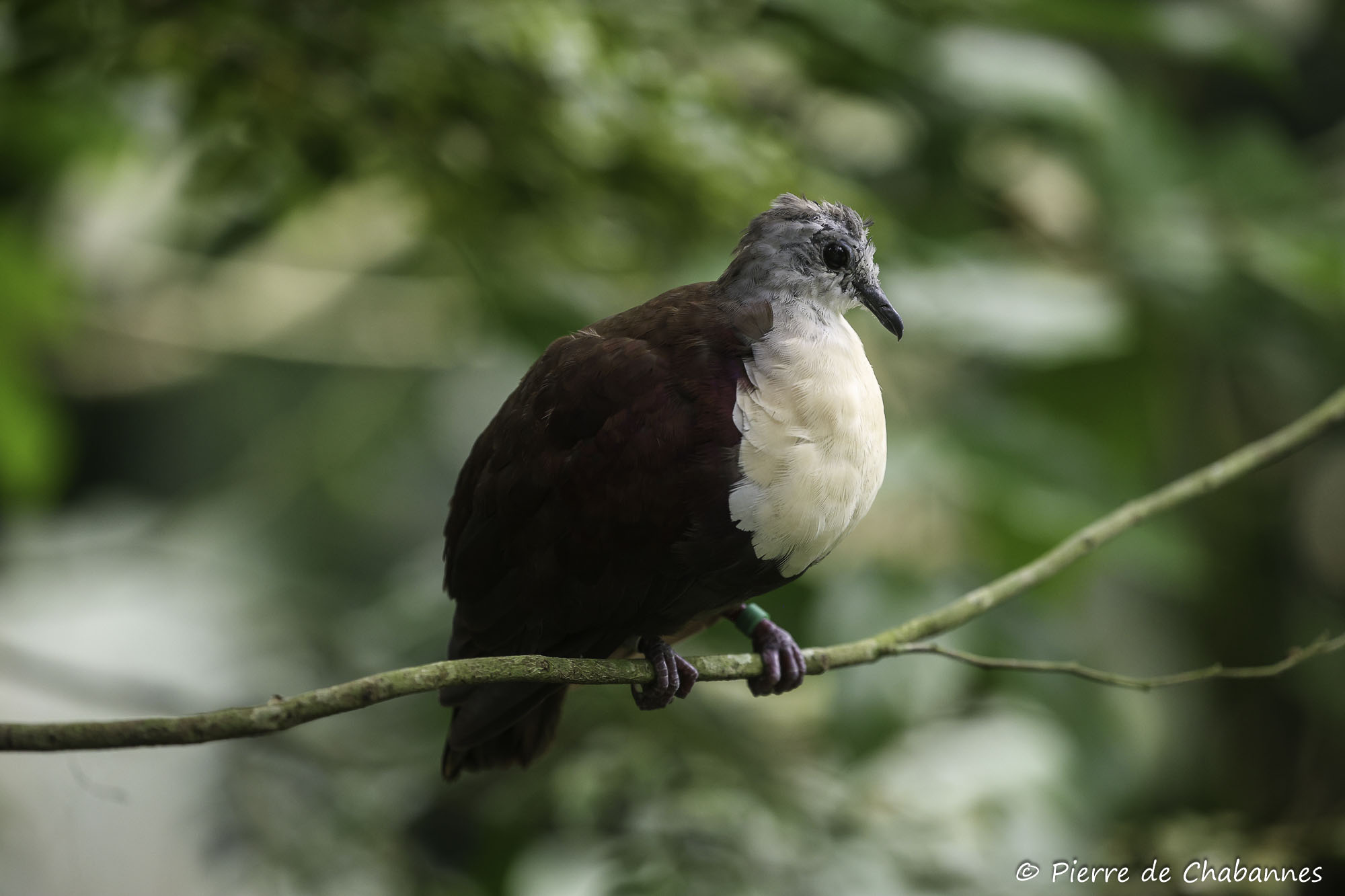 Santa Cruz ground dovePampusana sanctaecrucis
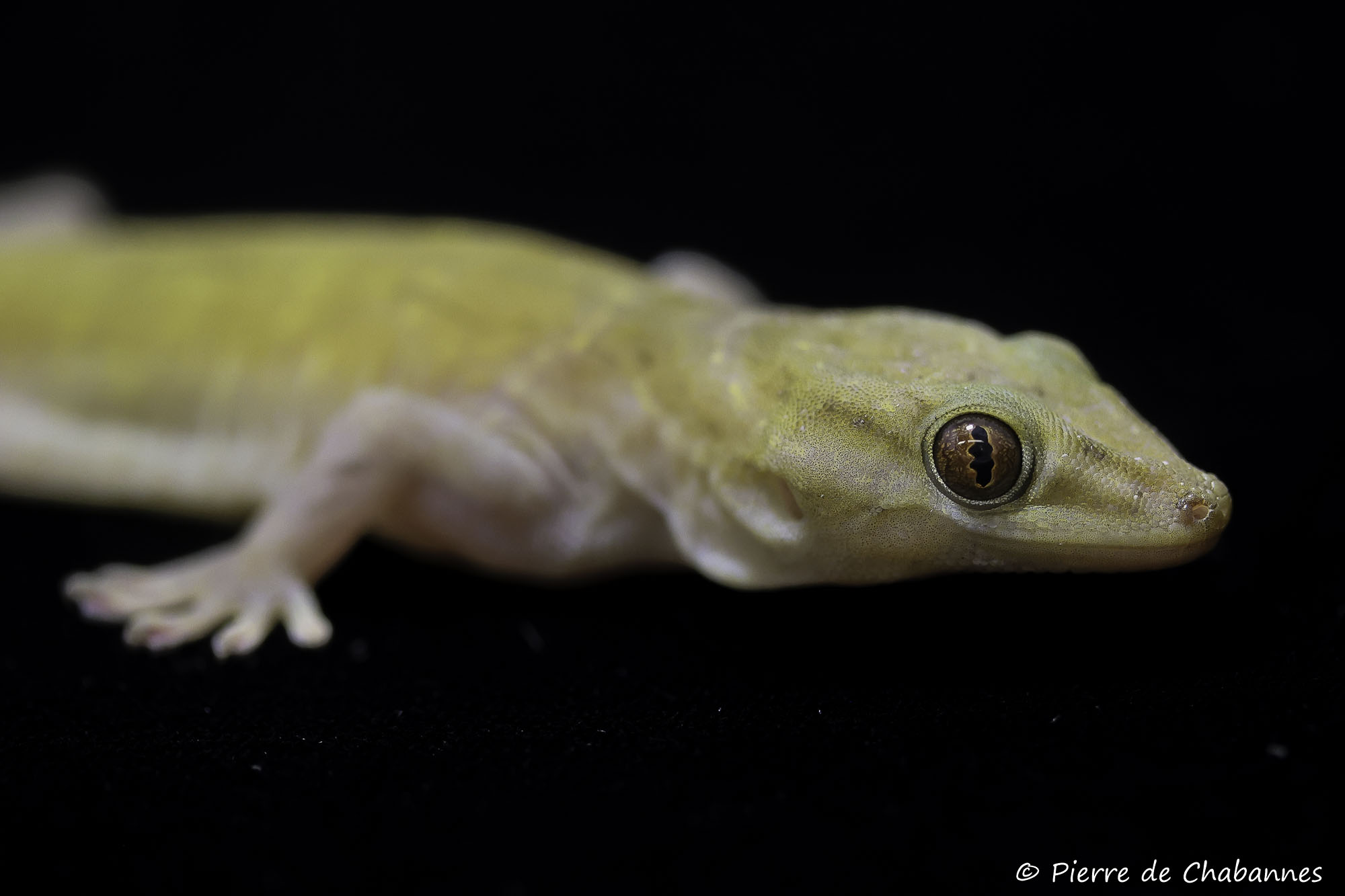 Golden geckoGekko badenii
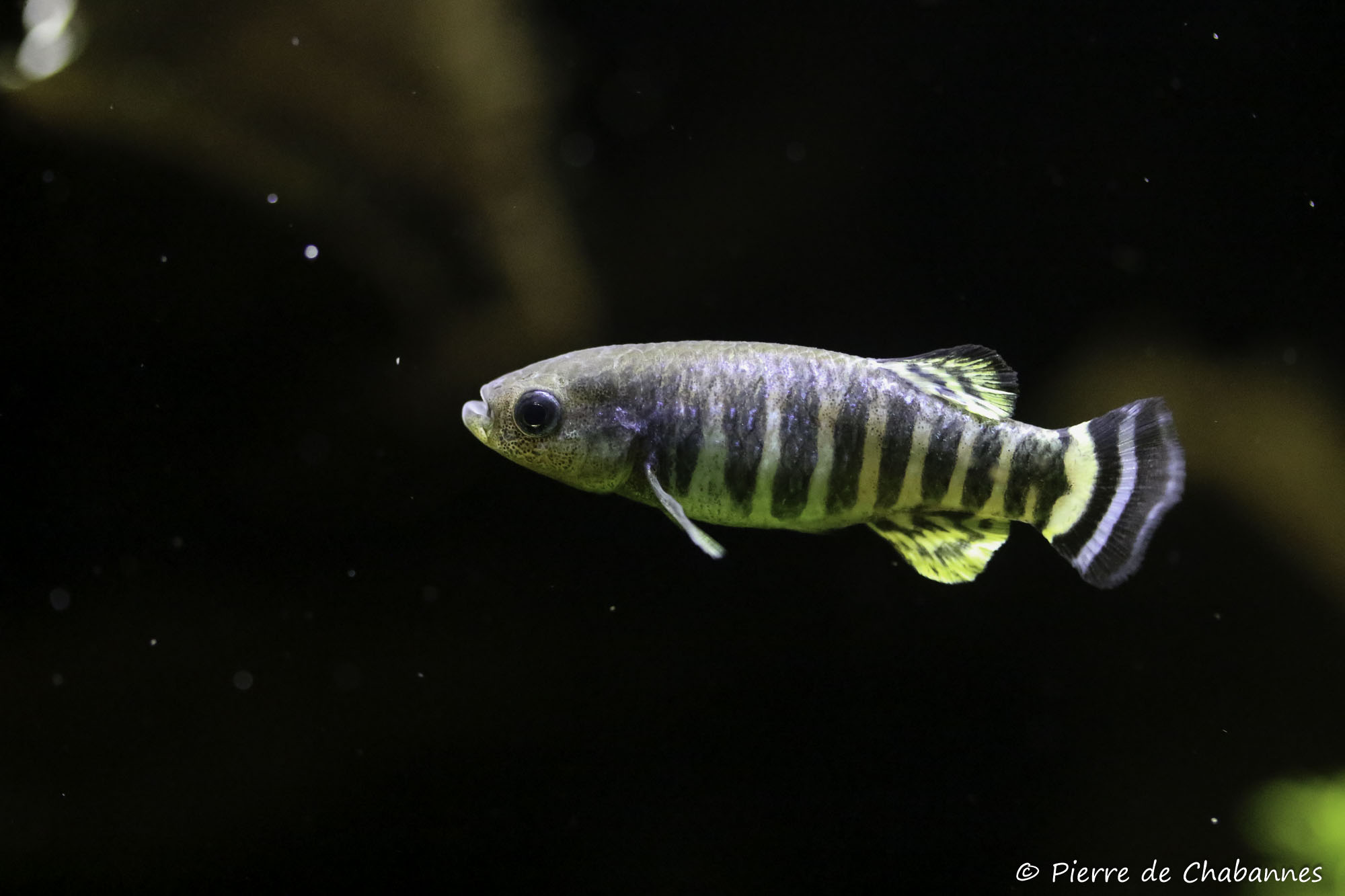 Azraq toothcarpAphaniops sirhani
Why this matters
Several species featured in this selection are dangerously close to extinction in the wild. For some, carefully managed conservation breeding programmes have become an essential safeguard, preserving populations that might otherwise disappear completely.
However, the contribution of zoological institutions extends far beyond breeding animals under human care. Many zoos and aquariums support conservation projects in the field, fund scientific research, collaborate with local communities, operate rescue and rehabilitation programmes, and contribute to the protection of threatened habitats.
Public education is another important part of this work. By allowing visitors to discover species they might never encounter in the wild, zoological institutions can raise awareness of biodiversity loss and encourage greater involvement in conservation.
When combined with scientific expertise, responsible animal care, and meaningful partnerships in the countries where these species occur, modern zoological institutions can make a valuable contribution to protecting biodiversity for future generations.
Other species involved in conservation programmes can be found by browsing my Education resources.
“A long-term project documenting biodiversity across the world through fieldwork, zoological observations and educational content.”