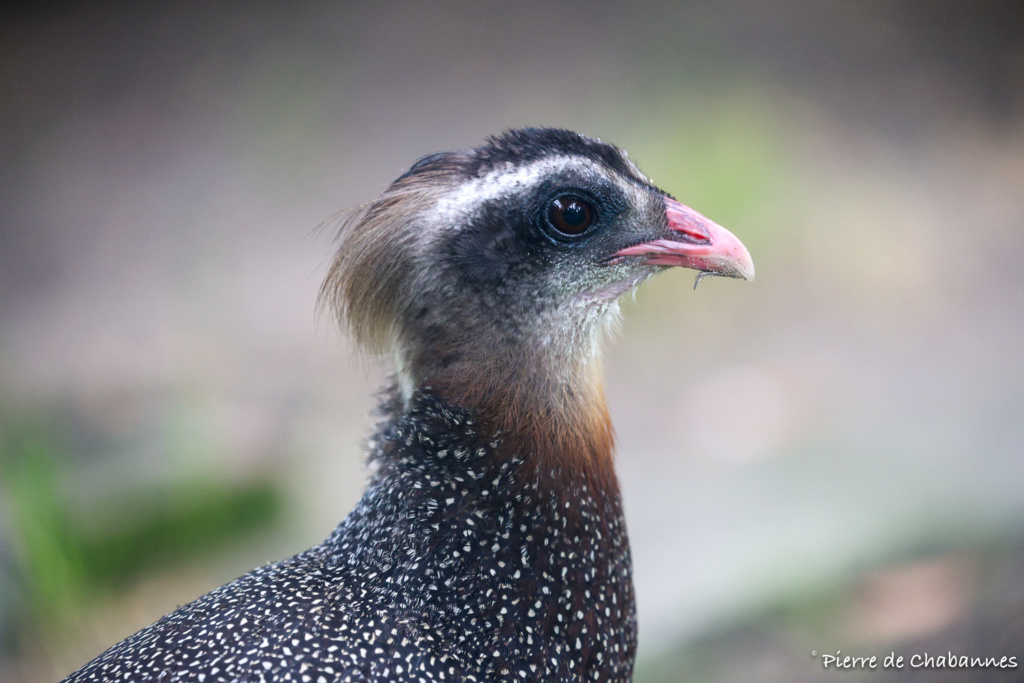
Vietnamese crested argus (Rheinardia ocellata)
One of Southeast Asia’s most spectacular pheasants, threatened by snare hunting and on the verge of extinction in the wild.
Context
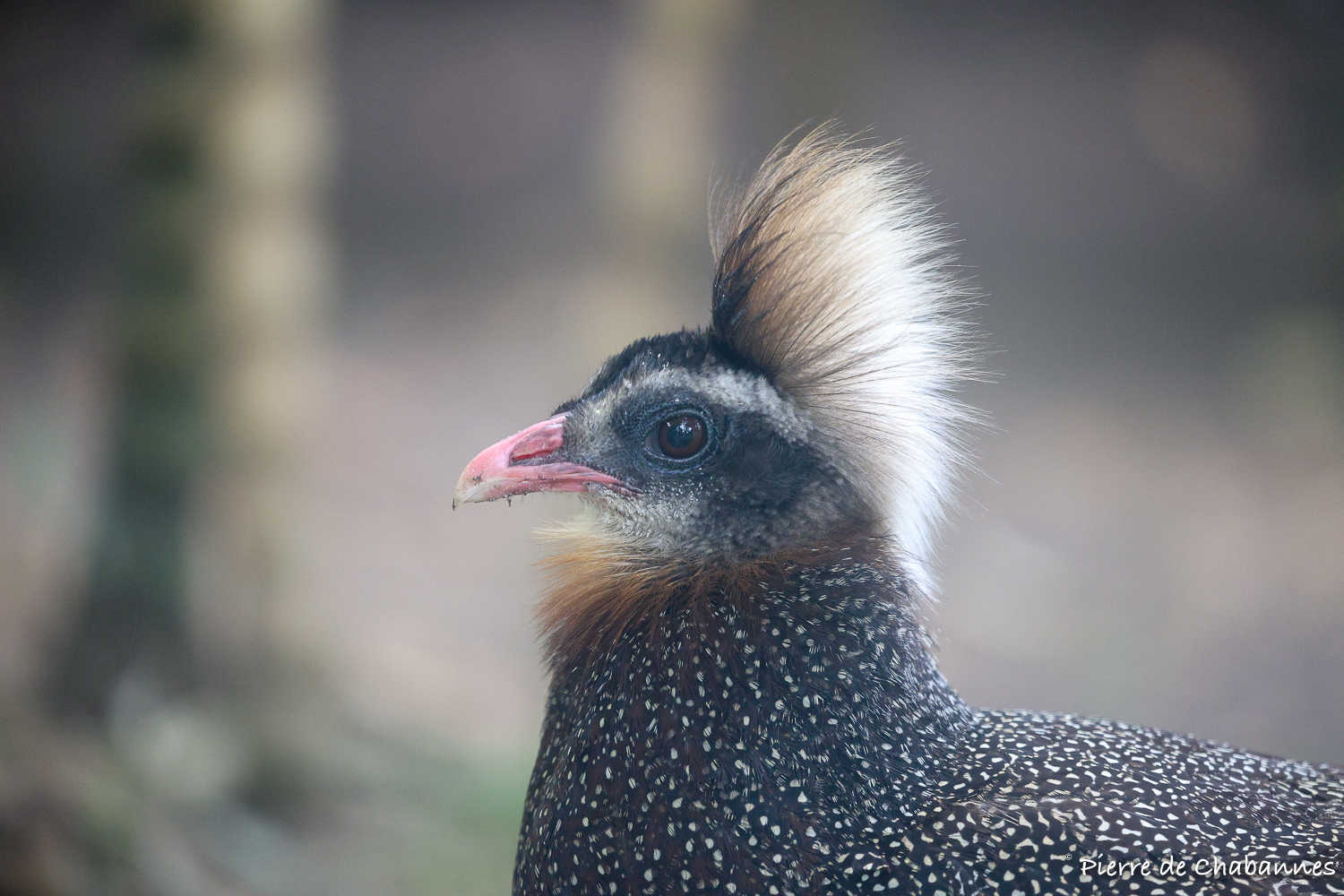
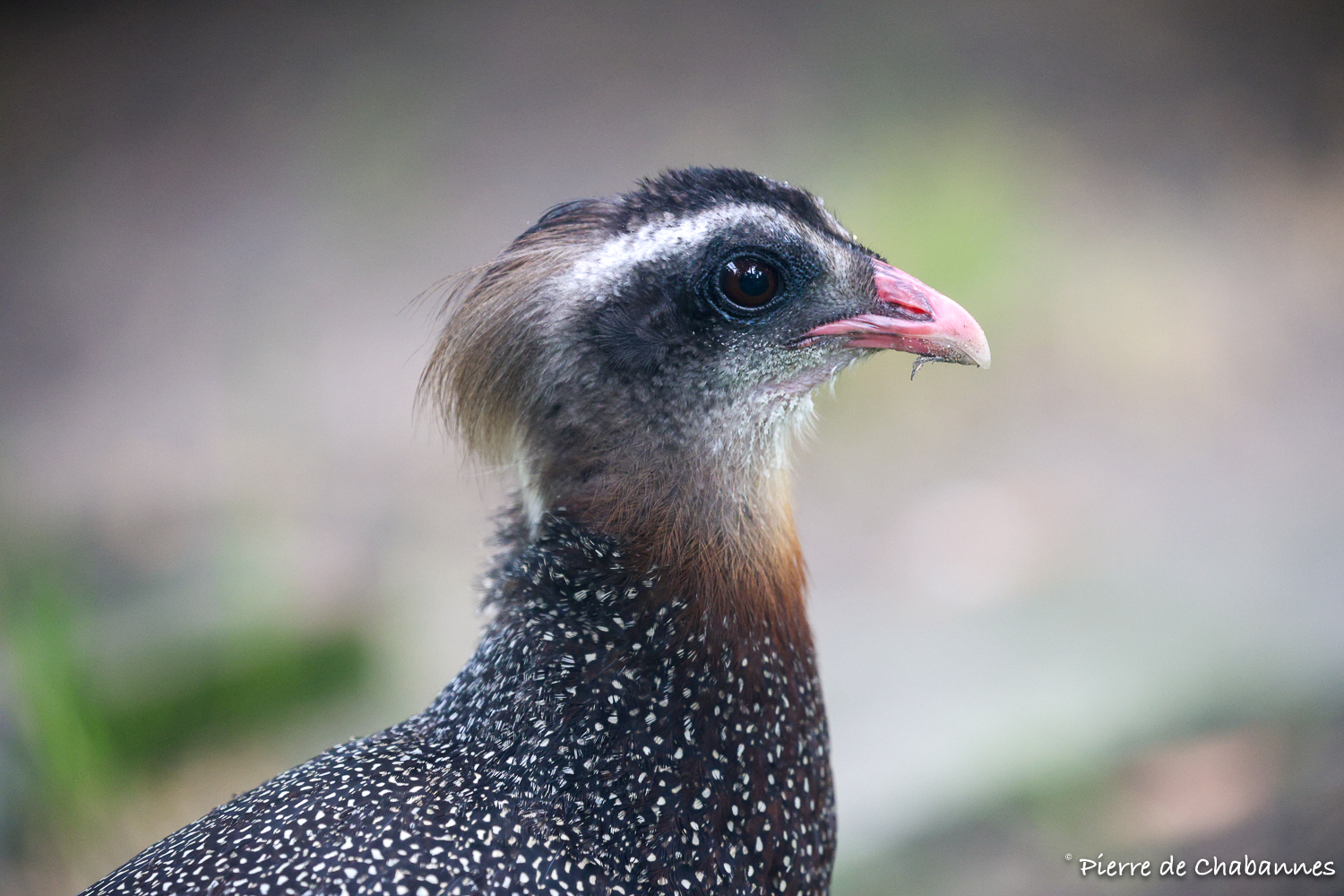
Observed under human care at Saigon Zoo (Vietnam), which currently maintains one of the world’s only known breeding groups of this critically endangered species.
Field notes
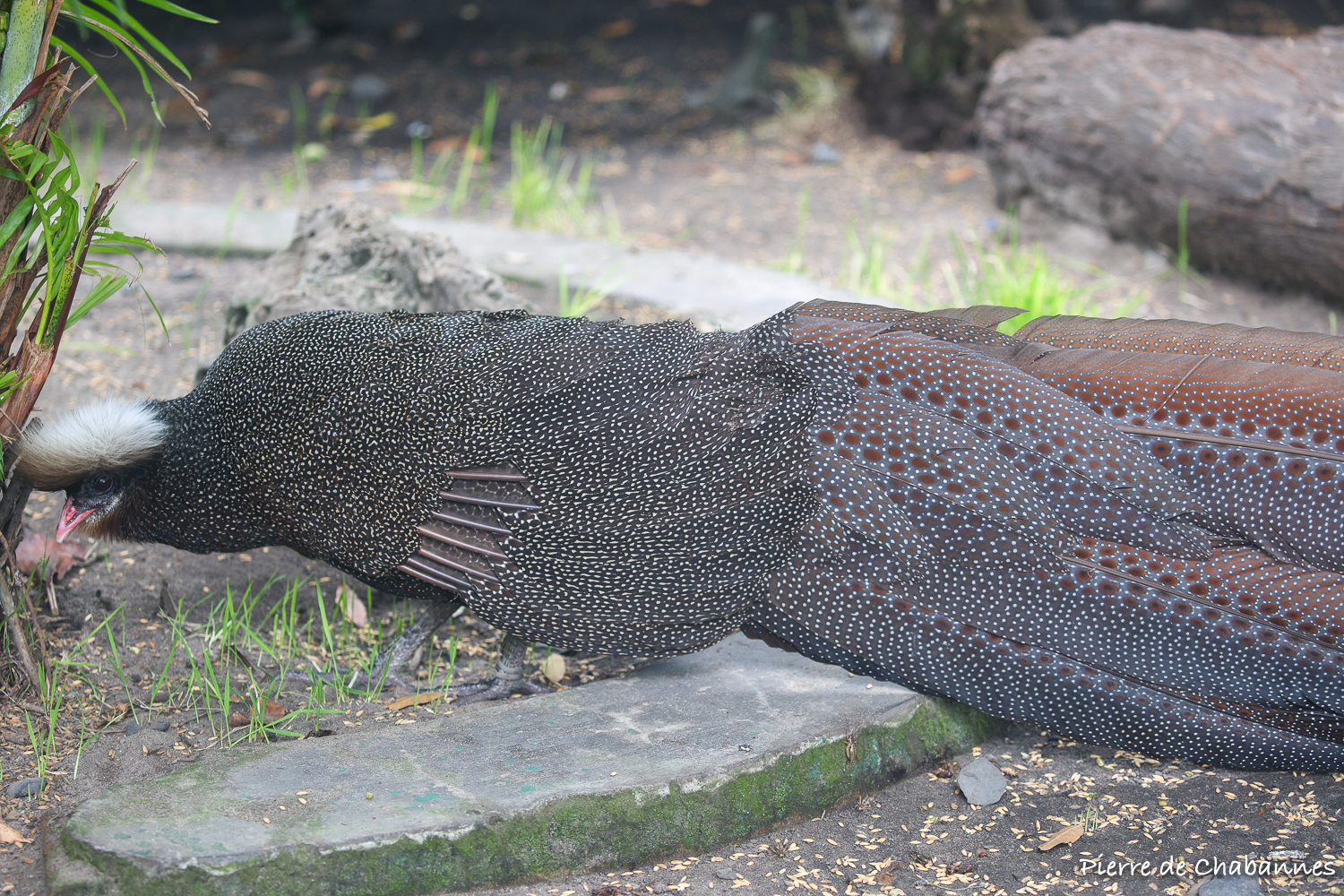
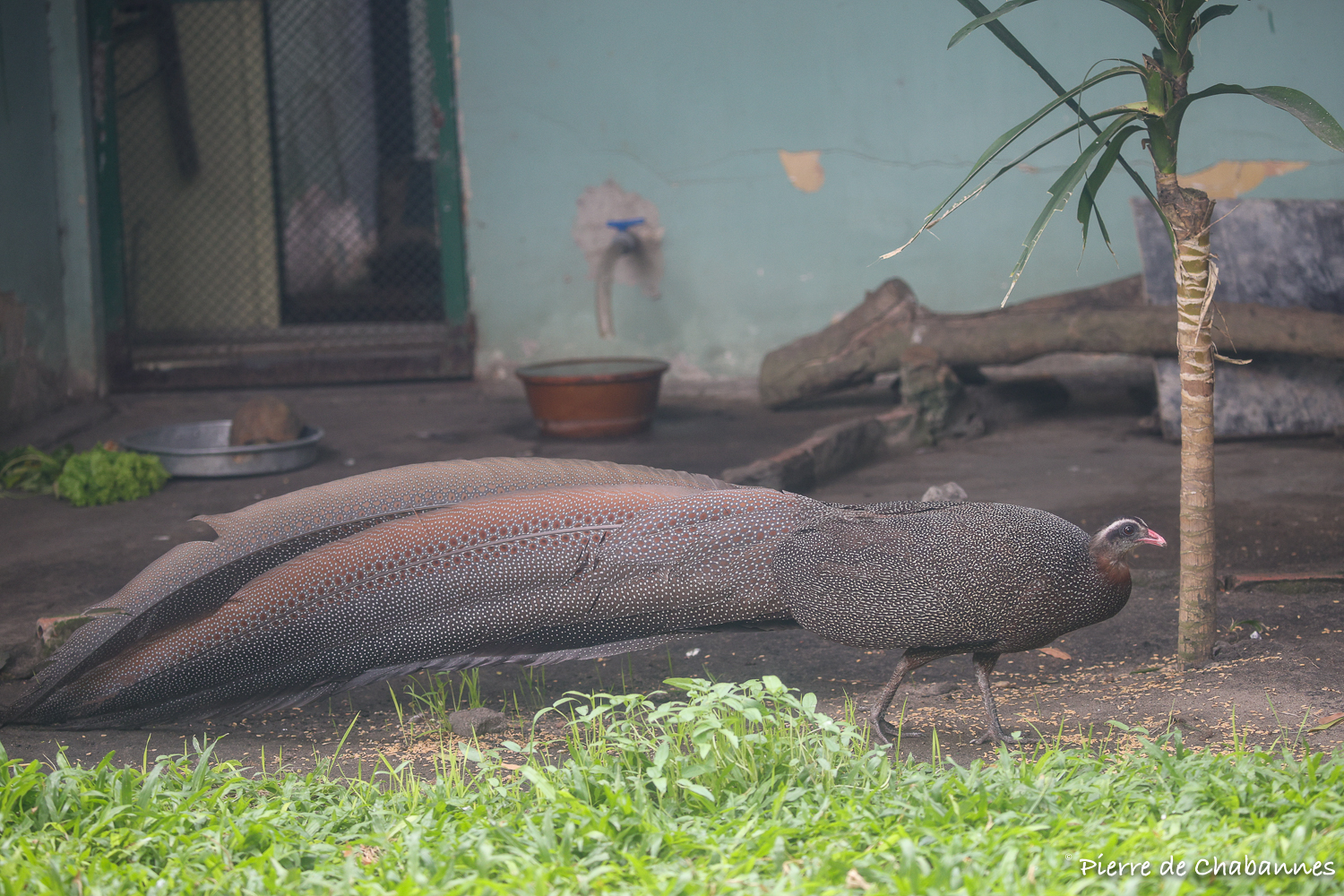
The Vietnamese crested argus is among the most impressive pheasants in the world, with adult males displaying broad and extremely elongated tail feathers that can reach up to 150 cm in length. These feathers are used during elaborate courtship displays before being shed during molting and regrown for the following breeding season.
The species was always considered difficult to keep alive in zoological collections and has seldom been bred in the past. Now, there is one breeding pair in a Japanese zoo and many breeding pairs in Saigon Zoo where most of the conservation breeding takes place. Additional breeding pairs are also maintained at a conservation station near the entrance of Bach Ma National Park.
During the breeding season, males throughout the Saigon Zoo pheasantry continuously call and display, creating a remarkable atmosphere. Vocalizations and courtship displays of this species have now become extremely rare in the wild due to the dramatic decline of natural populations.
Key facts
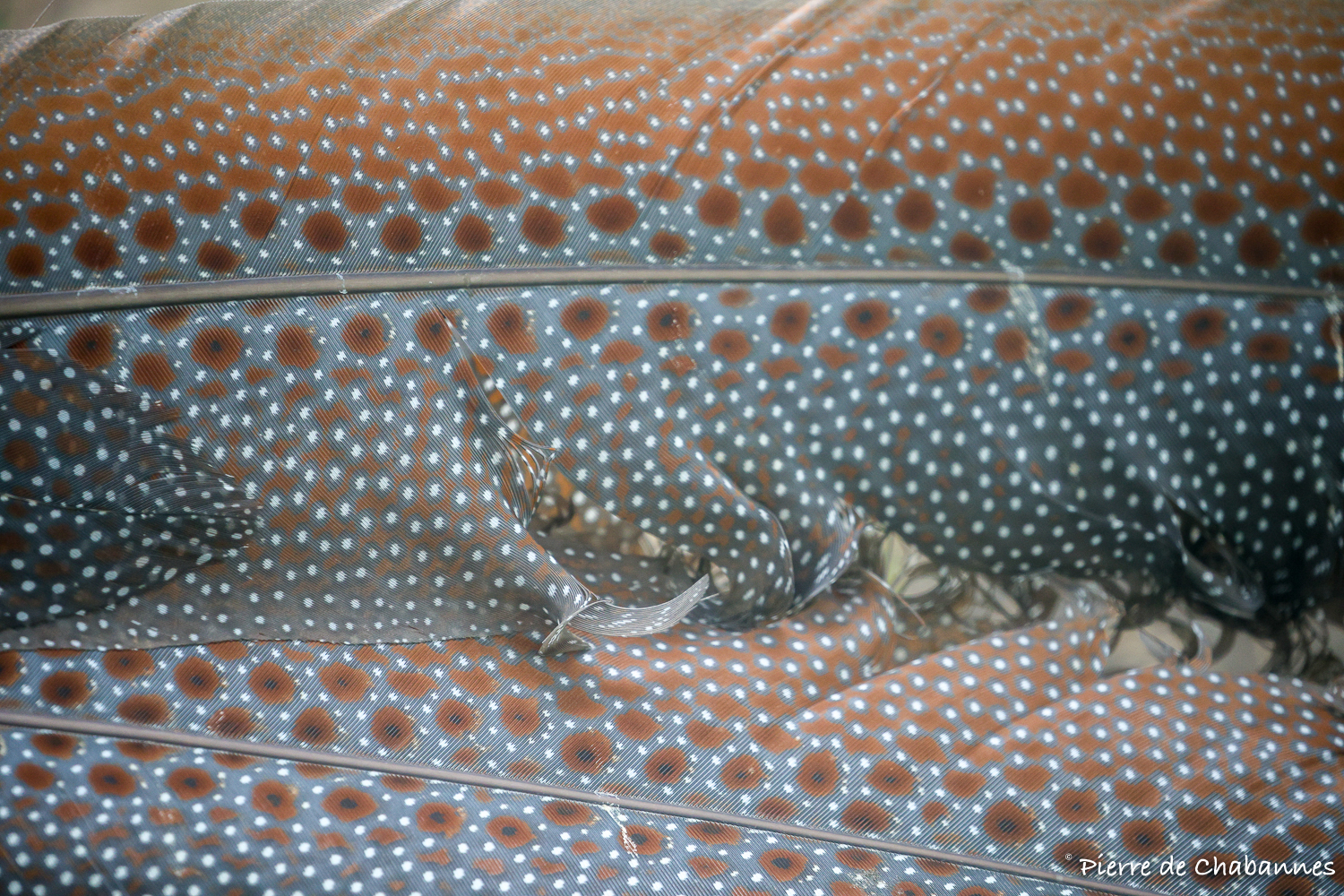
Males possess extremely elongated tail feathers decorated with ocelli (“eye spots”), giving the species its scientific name ocellata. These feathers are said to grow to 170 cm in length. Although visually spectacular, it remains one of the least frequently observed large birds of Indochina’s forests.
The species primarily inhabits humid lower montane forests, although it may also occur near sea level where suitable forest habitat remains intact.
Humidity seems to be a very important factor for this species’ survival as it seems that amphibians make up for a significant proportion of the species’ diet. It will also feed on invertebrates and berries.
Conservation
The species is listed as Critically Endangered on the IUCN Red List. Until less than 5 years ago, it was only listed as Near Threatened.
Snare trapping now represents the most severe threat to the species. Large numbers of individuals have been trapped for food markets and the illegal wildlife trade, causing major declines across much of its known range, including in Bach Ma National Park, currently considered the species’ main stronghold.
If unsustainable trapping continues at current levels, conservation breeding programs may ultimately represent the species’ only realistic chance of long-term survival.
More photos from this observation
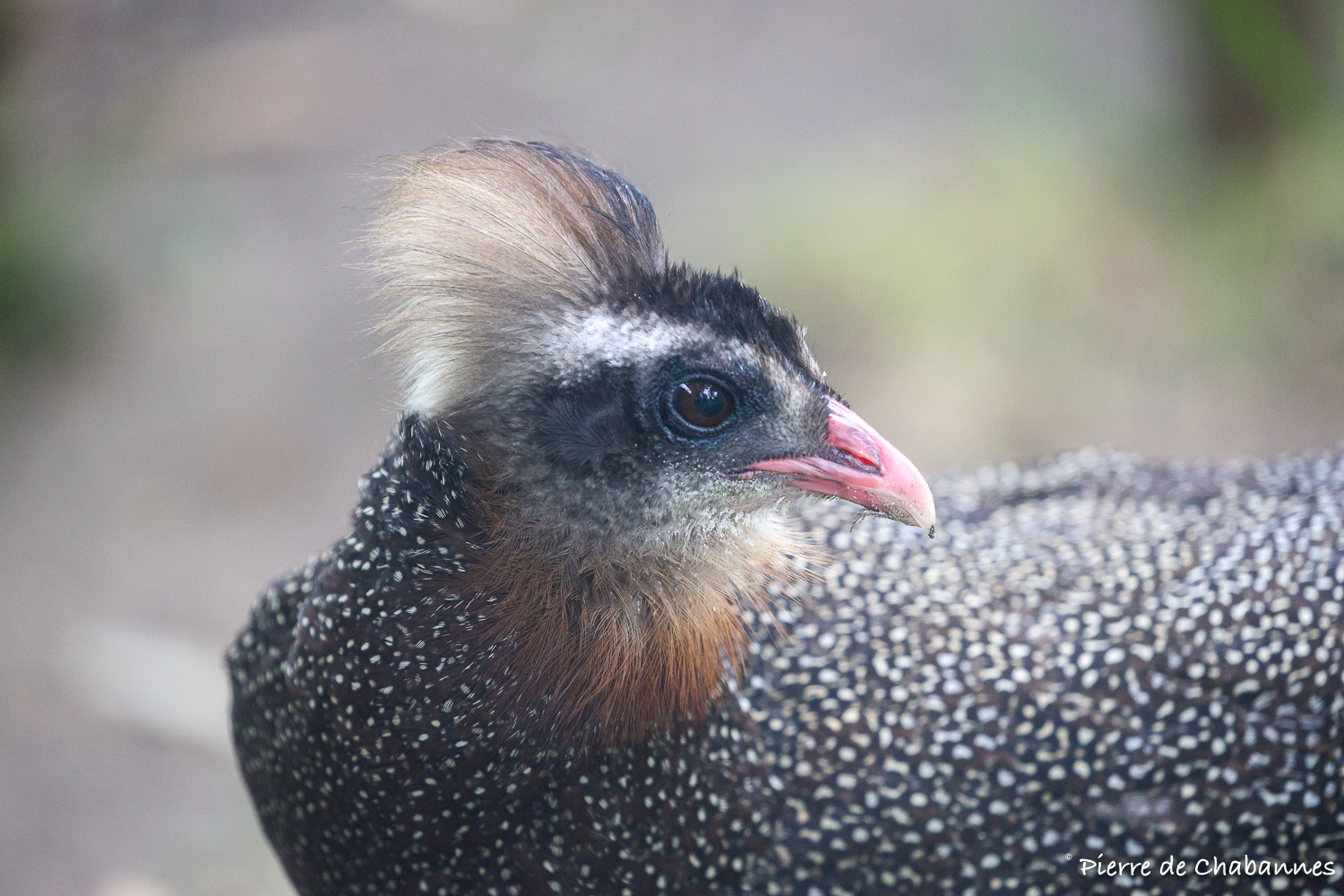
Other species with zoo conservation programs can be found by browsing
my Education resources.
Back to Zoo Conservation ←Previous species Next Species →
“A long-term project documenting biodiversity across the world through fieldwork, zoological observations and educational content.”