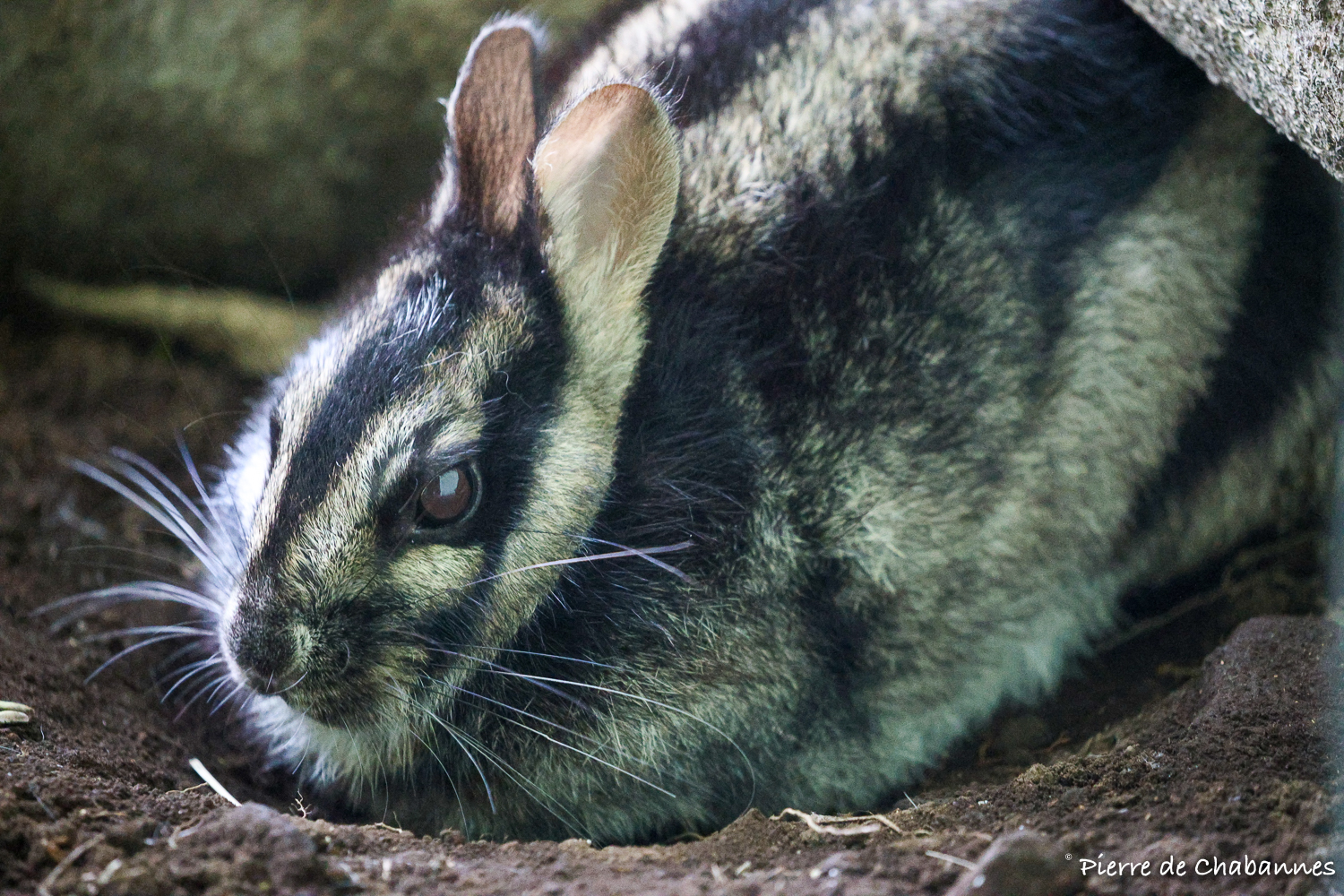
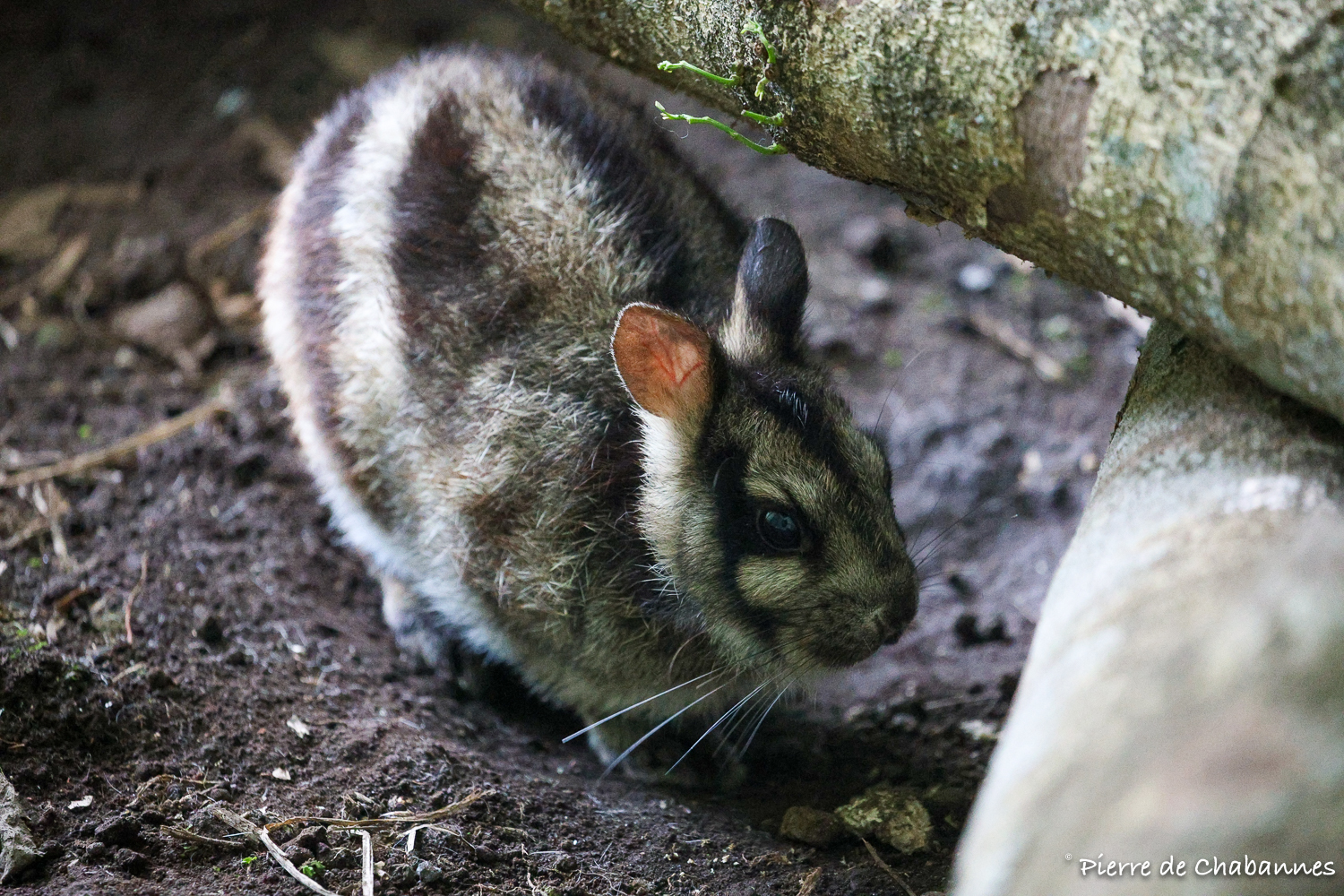
Sumatran striped rabbit (Nesolagus netscheri)
One of the world’s most mysterious mammals, with very little known about its biology, population size, or conservation status.
Context
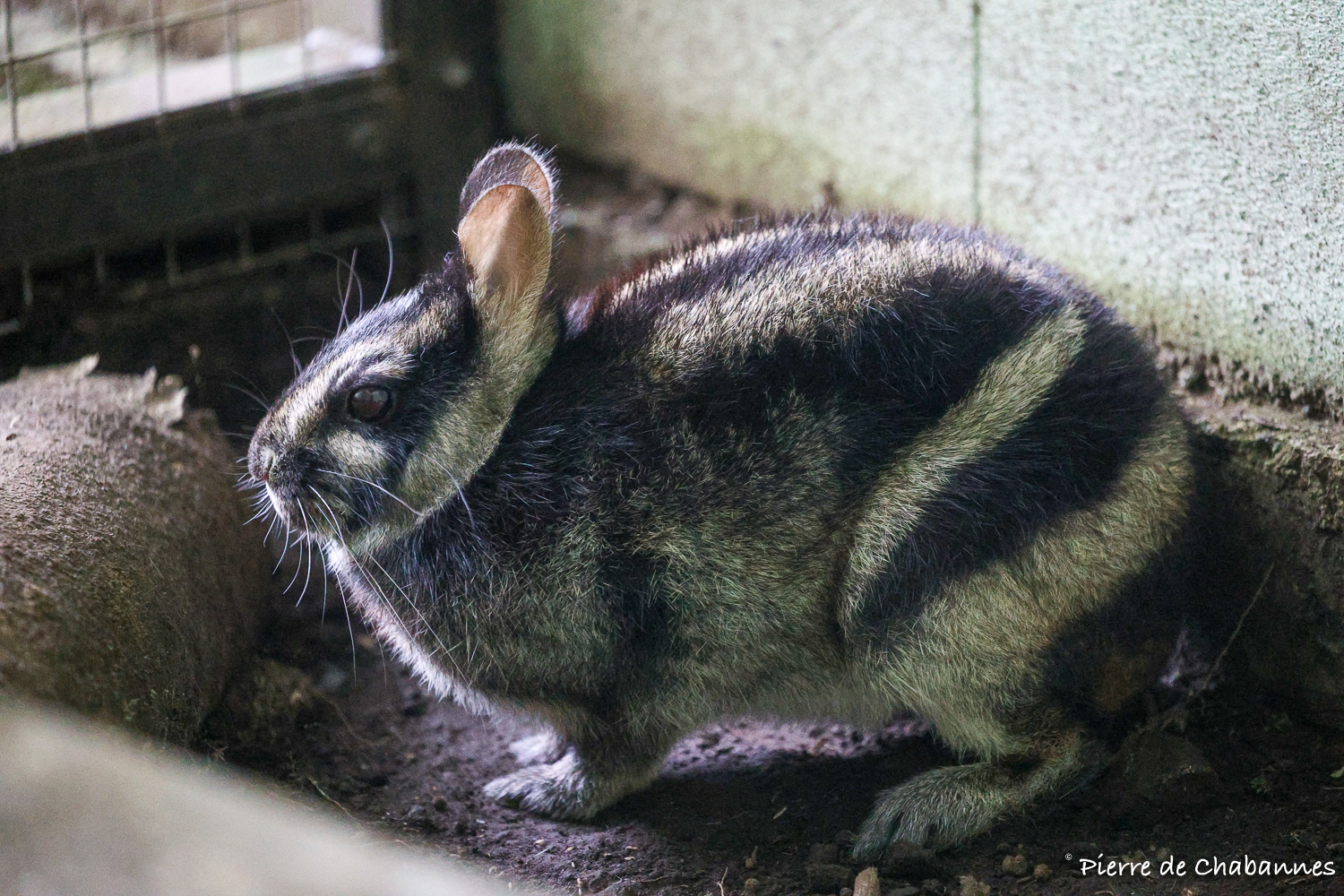
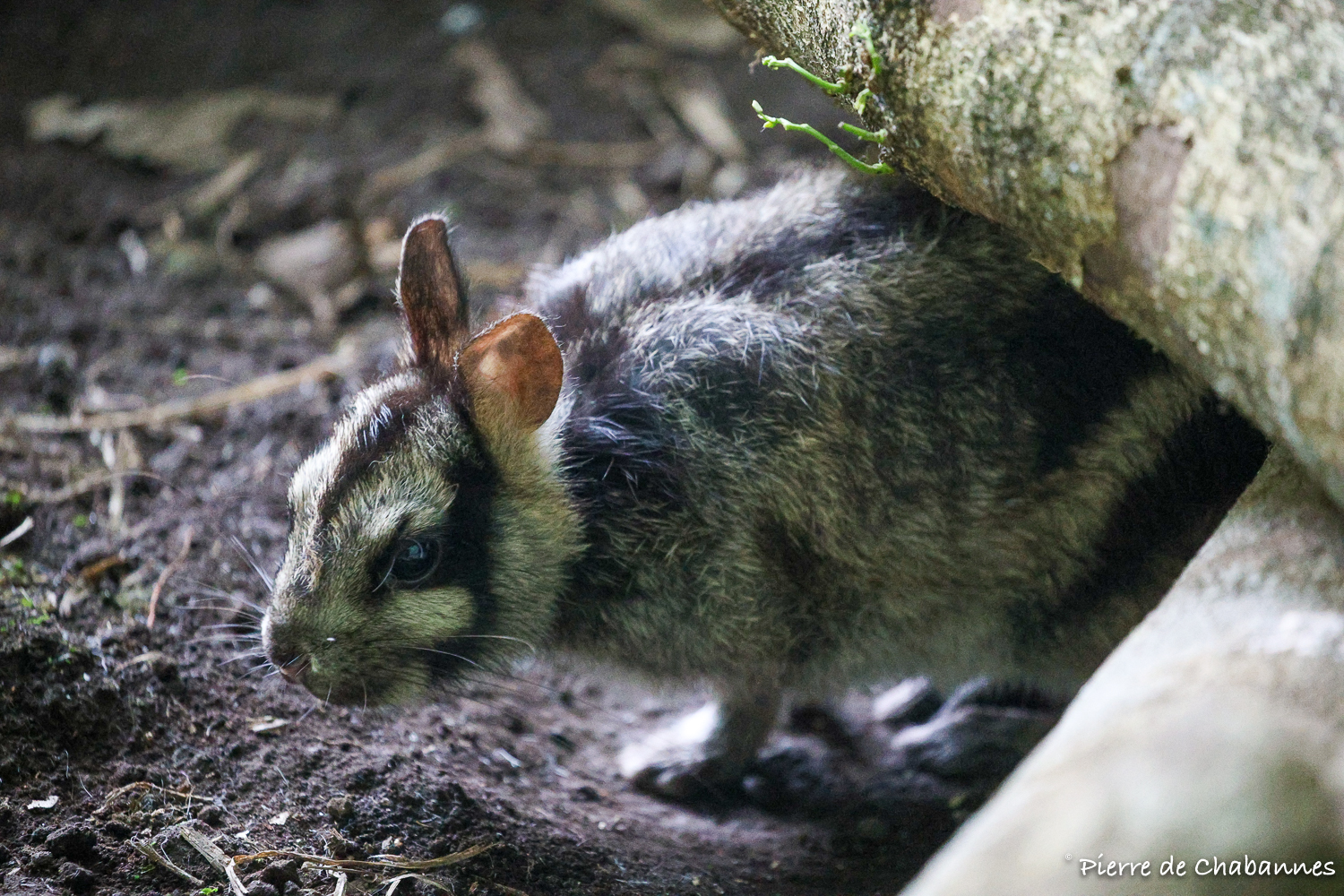
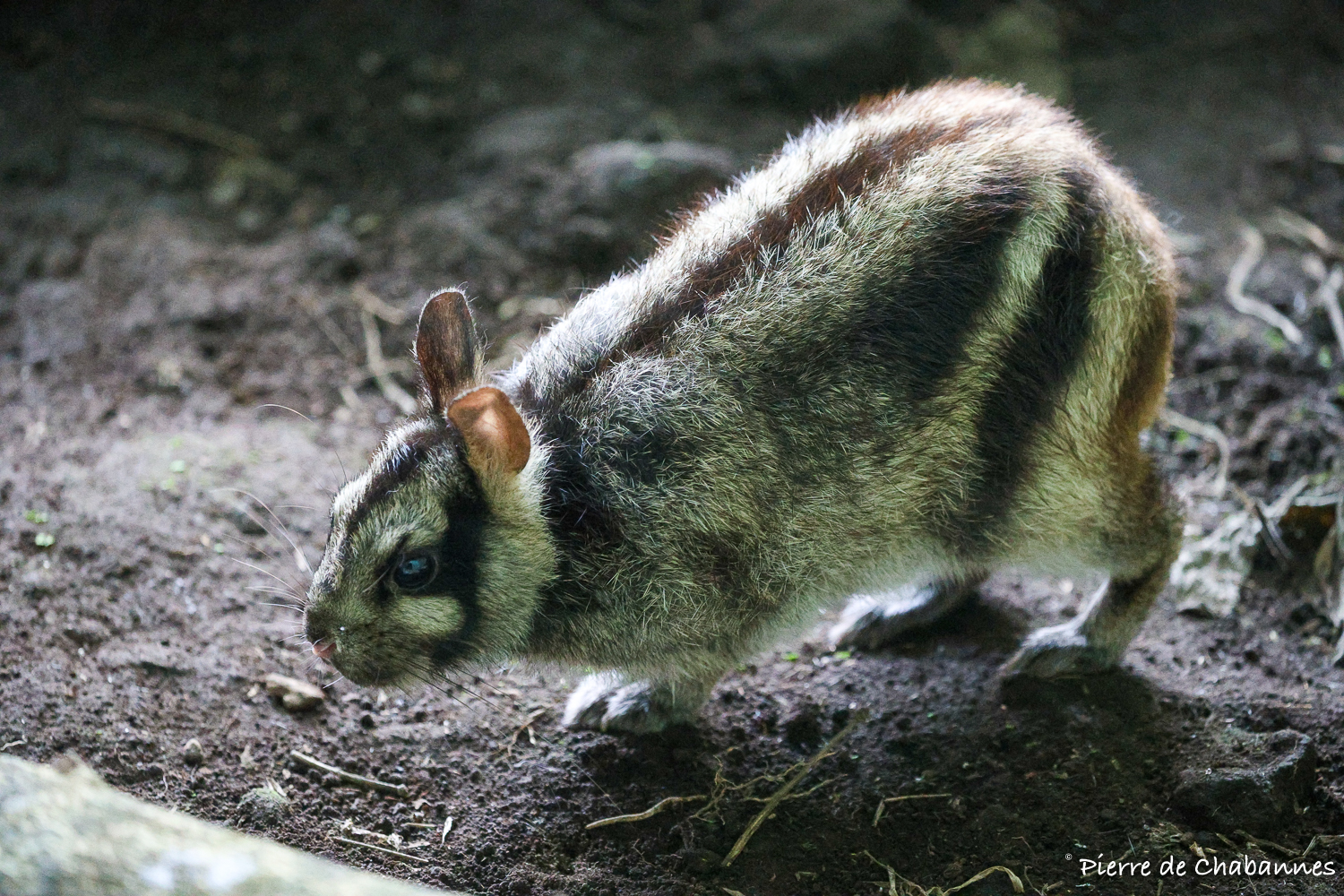
Three Sumatran striped rabbits rescued from the wildlife trade and maintained under human care at the Prigen Conservation Breeding Ark (PCBA), Indonesia.
Field notes
Sumatran striped rabbits are occasionally captured for the wildlife trade, but historically, individuals brought under human care have rarely survived for long, with the underlying causes remaining poorly understood. The three adults transferred to PCBA have successfully adapted to their new environment and have now survived under human care for approximately three years, representing a particularly important achievement for such a poorly known species.
Two of the individuals remain extremely sensitive to disturbance and tend to hide even from their keepers, while the male has gradually become noticeably more tolerant of human presence. These observations suggest that, with appropriate housing conditions, sufficient time, and careful management, future rescued individuals may have a better chance of adapting successfully.
I was extremely fortunate to photograph these remarkable animals at PCBA. The work carried out by the conservation centre has also led to a major breakthrough: in 2025, the species successfully reproduced under human care, reportedly for the first time, with healthy juveniles developing under the care of the breeding team.
Key facts
The Sumatran striped rabbit inhabits dense montane forests and has been documented from a limited number of mountainous regions on Sumatra. Its only living congener, the Annamite striped rabbit (Nesolagus timminsi), inhabits forest habitats in mainland Southeast Asia, particularly Vietnam and Laos.
The species is primarily nocturnal, and much of our knowledge of its occurrence comes from camera-trap records obtained at night. Its natural diet remains poorly understood, although observations under human care suggest that individuals do not necessarily accept commonly cultivated fruits or vegetables.
Conservation
The species is currently listed as Data Deficient on the IUCN Red List, and reliable estimates of its wild population remain unavailable. Some of its habitat is protected, notably within Gunung Leuser National Park, but forest fragmentation and opportunistic capture continue to raise concerns for its long-term survival.
The conservation breeding programme developed at PCBA represents an important opportunity to improve scientific knowledge of this elusive mammal. The successful maintenance and reproduction of individuals under human care could contribute valuable information about its behaviour, husbandry requirements, and reproductive biology, potentially supporting future conservation efforts.
More photos from this observation
Other species involved in zoo conservation programmes can be found by browsing my Education resources.
“A long-term project documenting biodiversity across the world through fieldwork, zoological observations and educational content.”