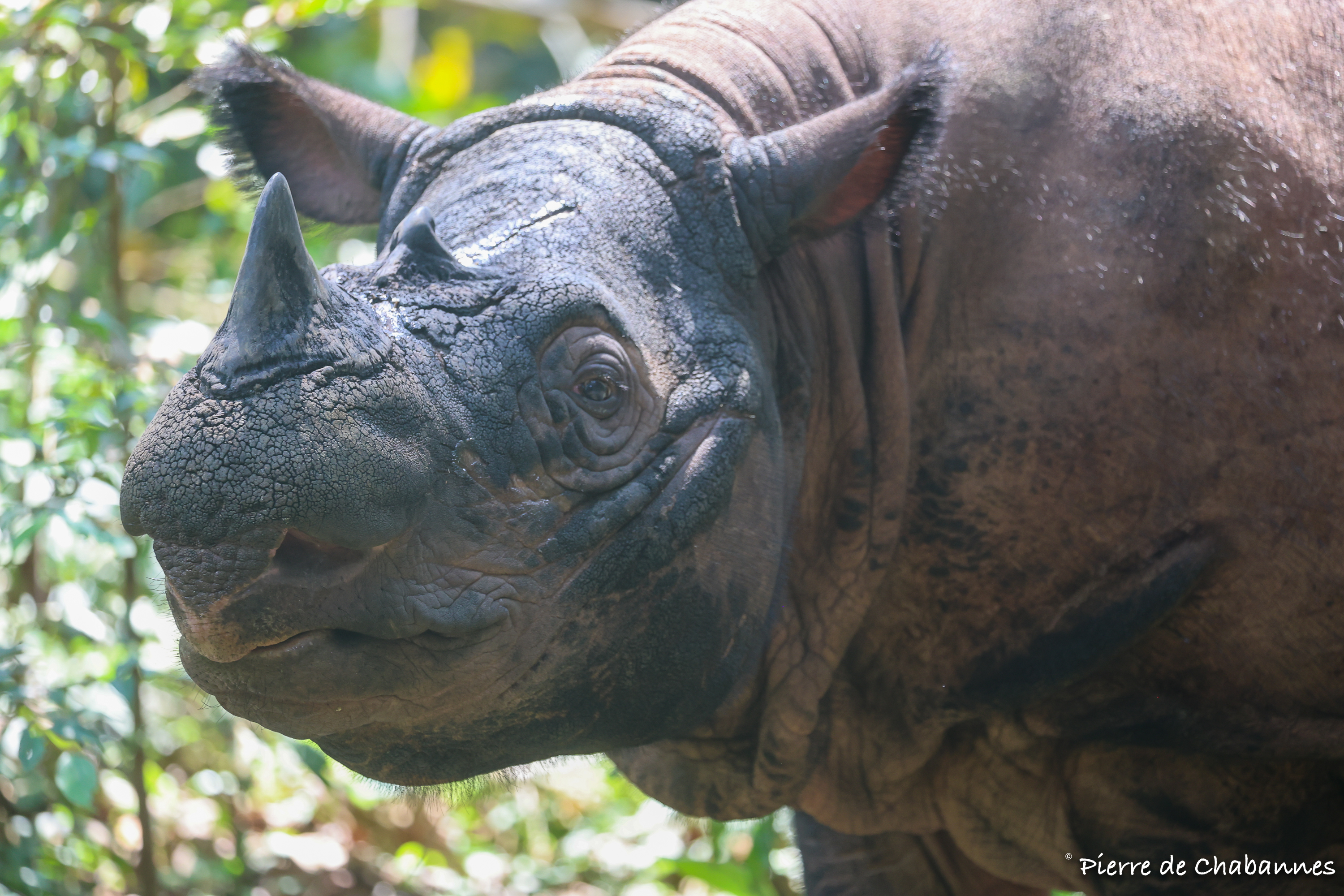
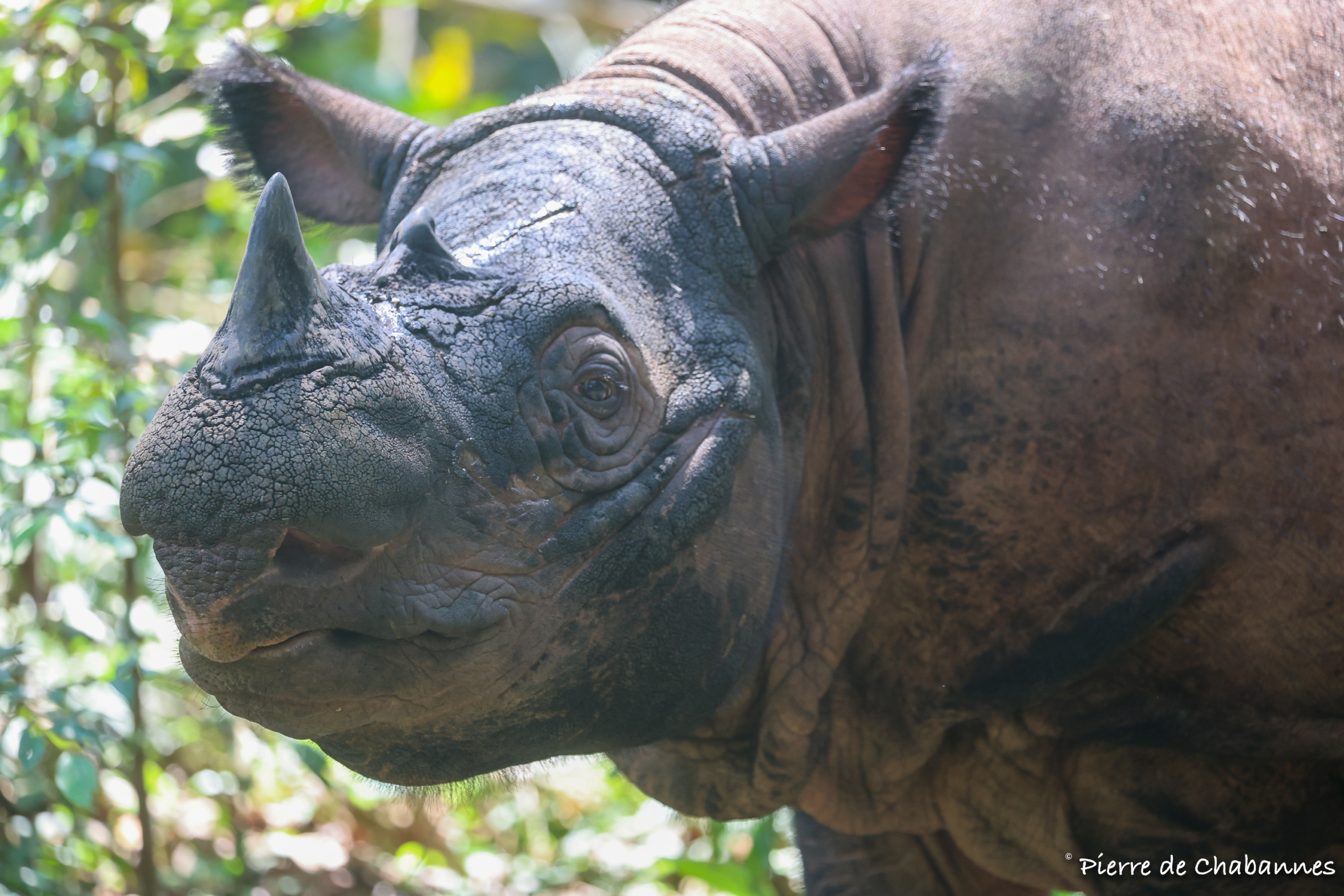
Sumatran rhinoceros (Dicerorhinus sumatrensis sumatrensis)
The smallest living rhinoceros species, representing an ancient evolutionary lineage now on the brink of extinction in Southeast Asia.
Context
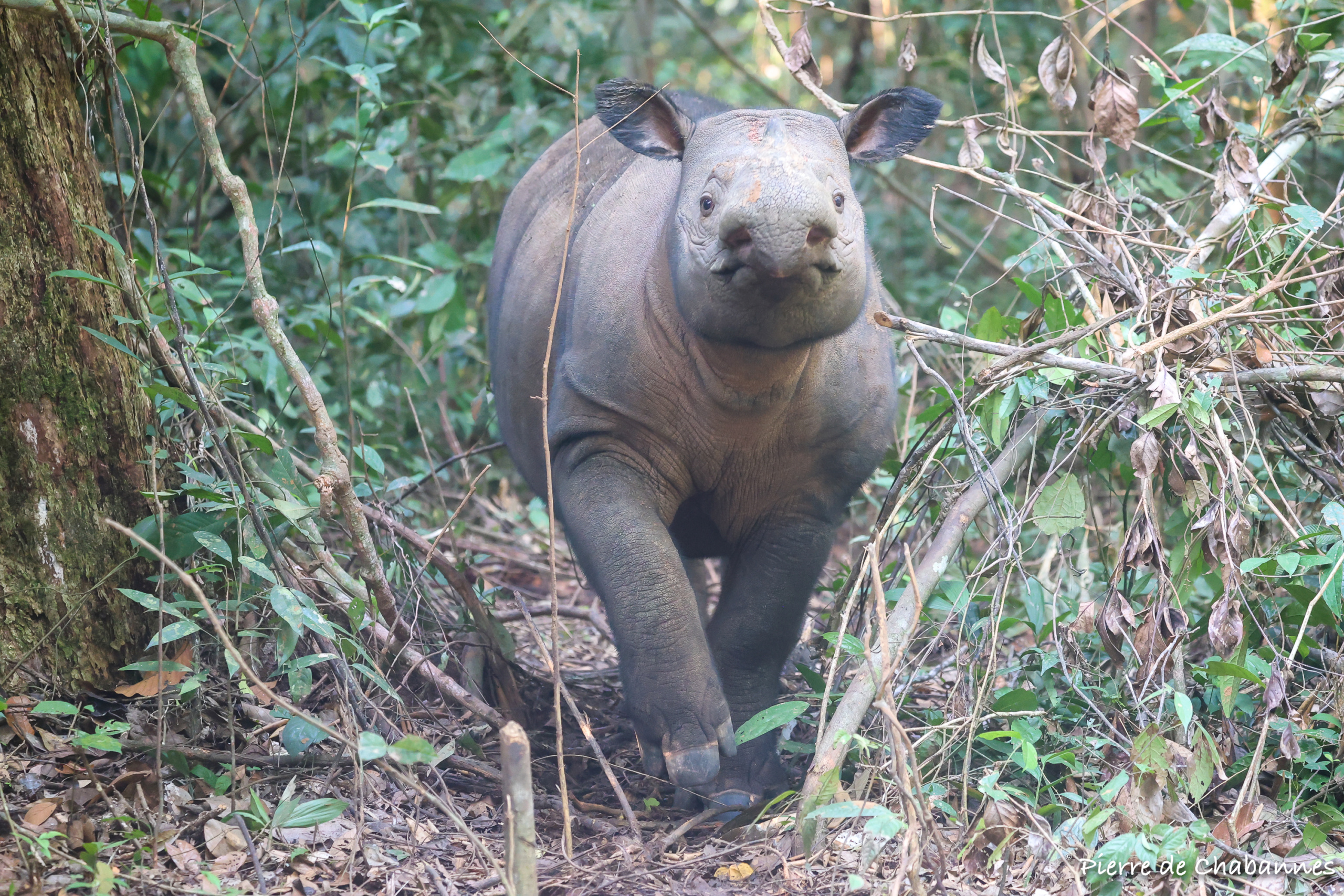
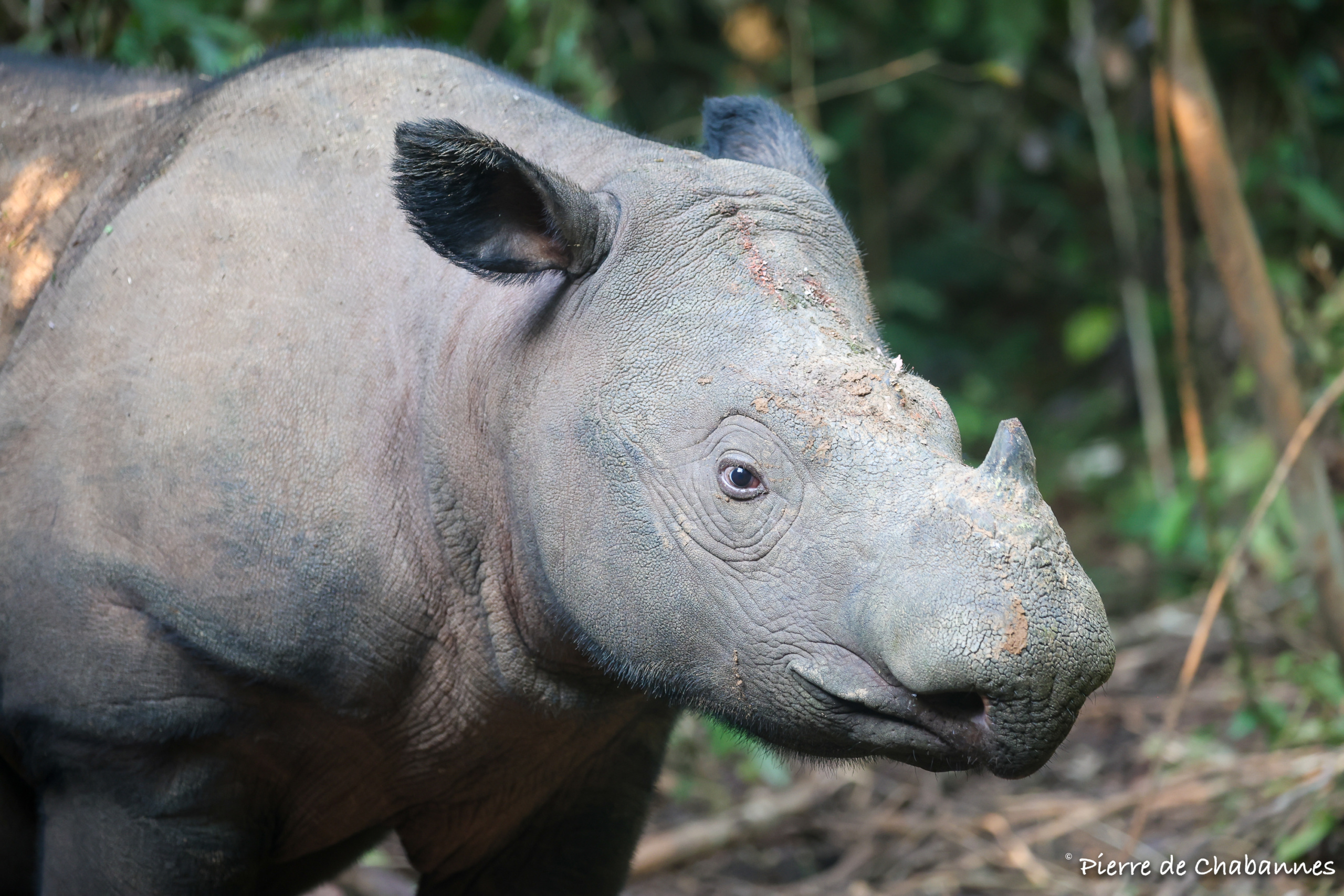
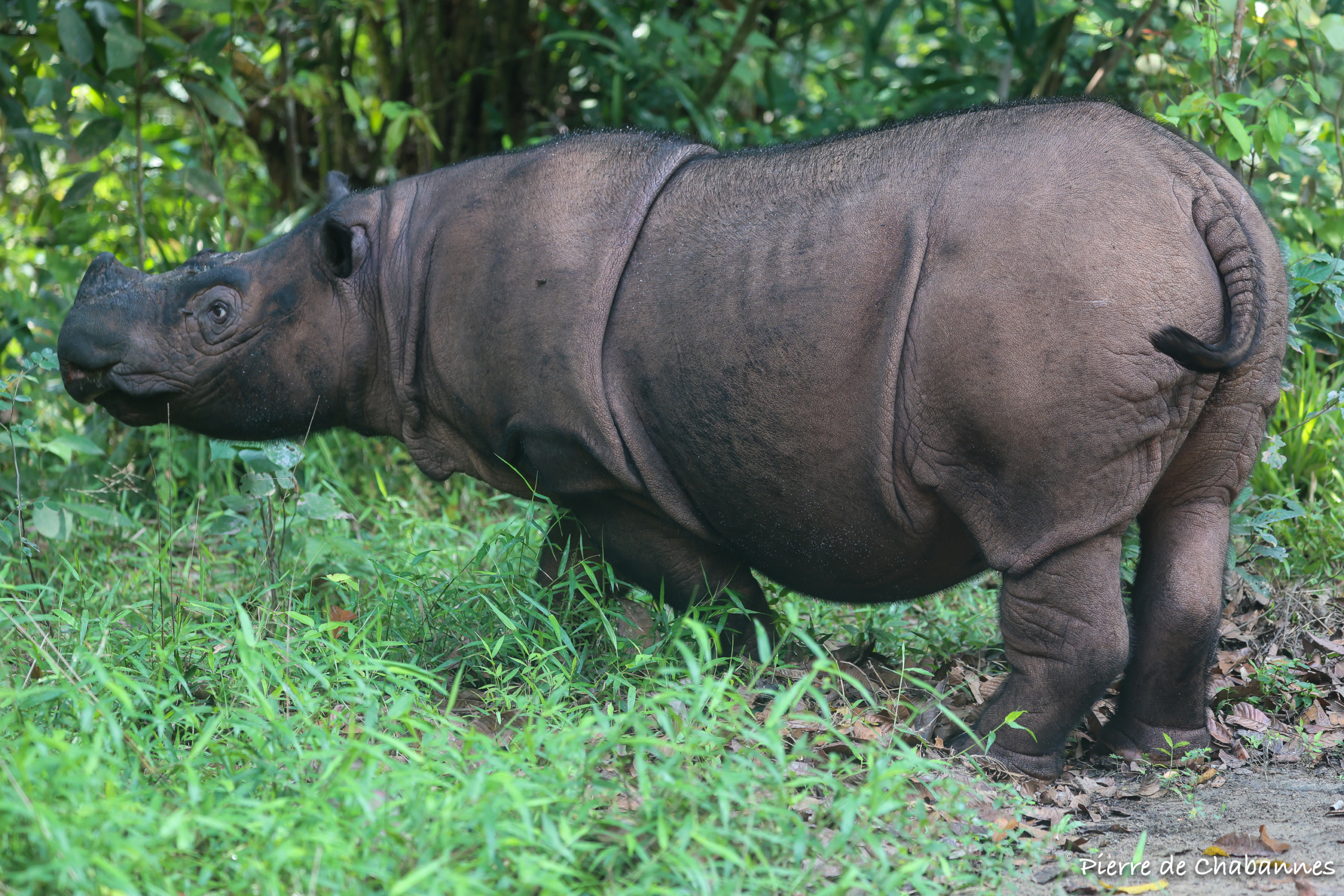
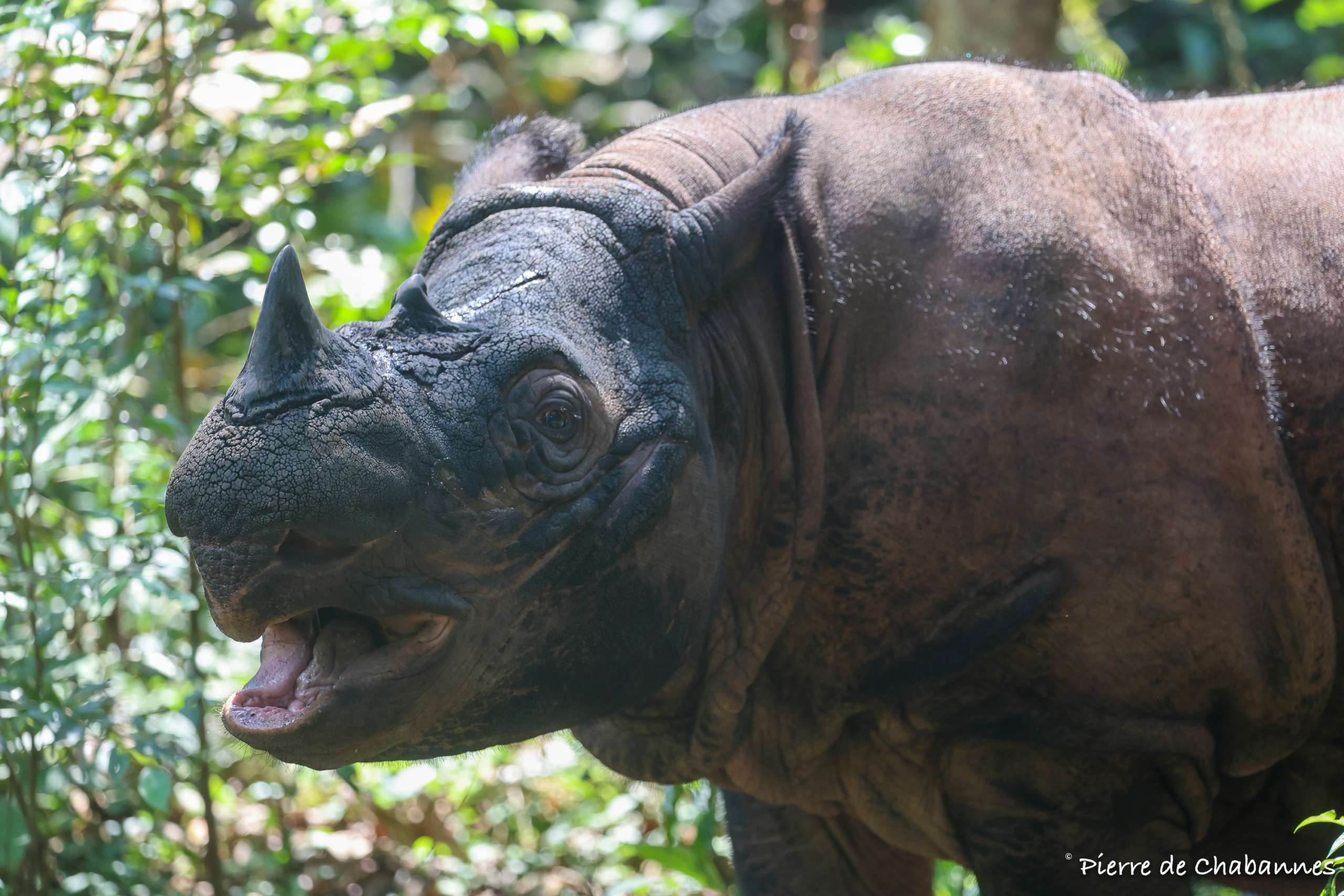
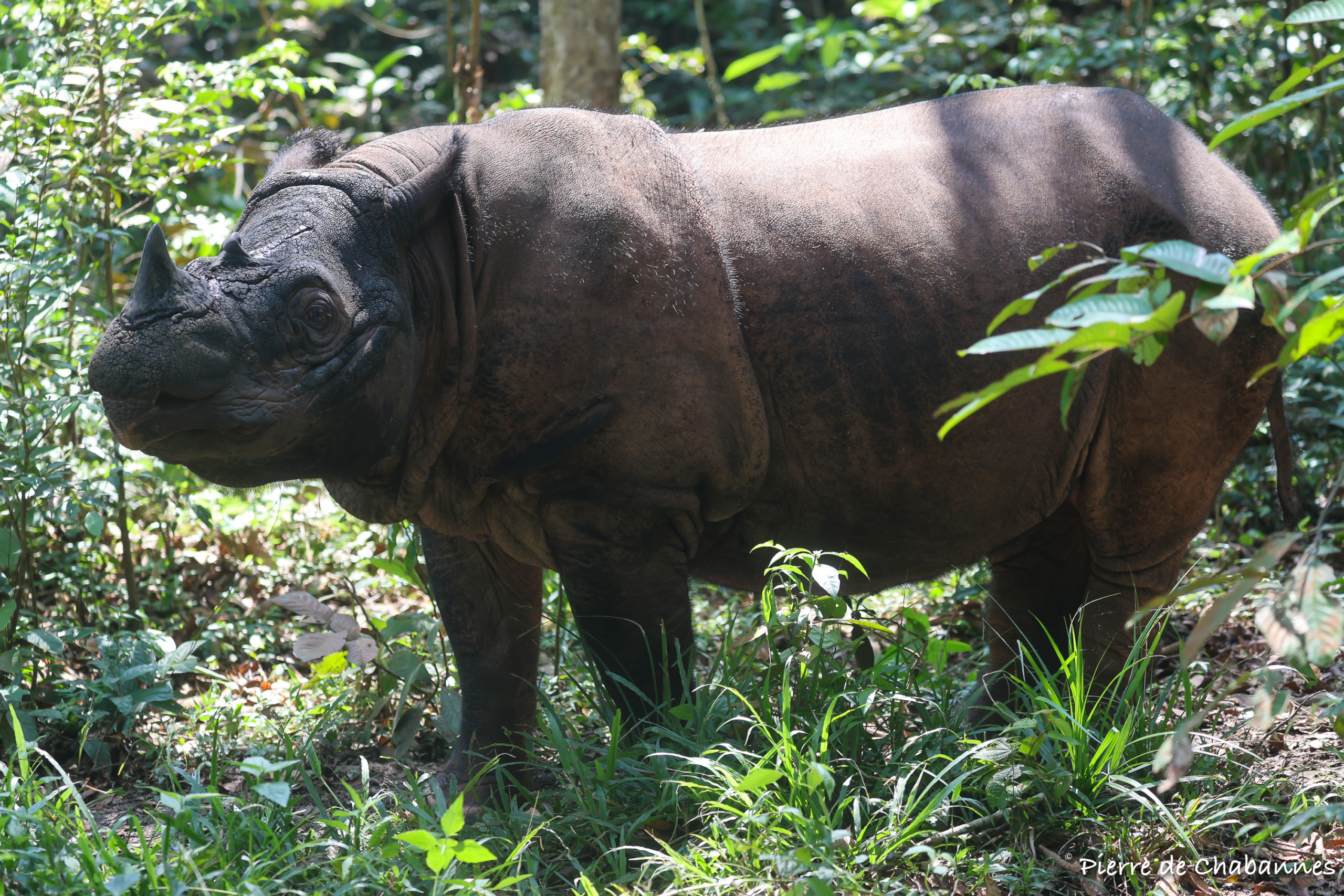
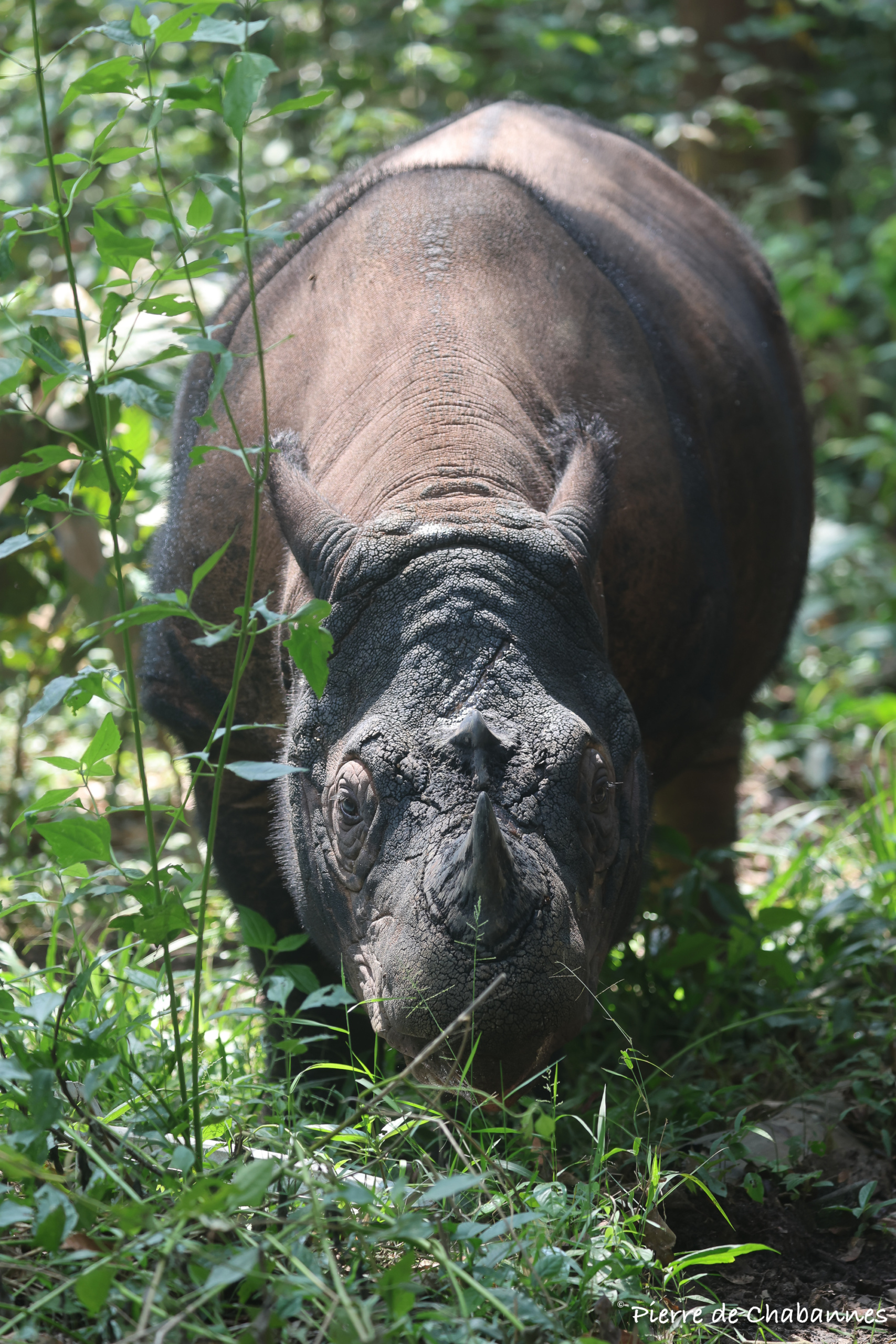
Eight individuals, including adults and juveniles, photographed at the Sumatran Rhino Sanctuary (SRS), located within Way Kambas National Park in southern Sumatra, Indonesia.
Field notes
Located deep within the forests of Way Kambas National Park, the Sumatran Rhino Sanctuary maintained eight rhinoceroses at the time of my visit. The animals occupy large forested enclosures designed to provide natural vegetation, shelter, and conditions suited to their behavioural needs.
Most of the rhinoceroses maintained at the sanctuary were born in Indonesia. However, two individuals, including the large male pictured above, Harapan, were born in American zoological institutions during the final period when the species was still maintained in the United States. Harapan was subsequently transferred to Indonesia to contribute to the conservation breeding programme.
The forest surrounding the sanctuary remains an important habitat for numerous wild species, documented through direct observations and camera traps, including the critically endangered Sumatran tiger.
Unlike conventional zoological collections, the sanctuary was specifically developed to provide conditions resembling the species’ natural rainforest habitat as closely as possible. Its forested enclosures and specialized management practices are intended to reduce stress, support natural behaviour, and encourage successful reproduction in this highly sensitive species.
Key facts
The Sumatran rhinoceros is the smallest living rhinoceros species and the only surviving member of the genus Dicerorhinus. It represents a distinctive and ancient branch of rhinoceros evolution and is notable for its relatively dense covering of dark hair, particularly in younger individuals.
The nominate subspecies presented here, Dicerorhinus sumatrensis sumatrensis, survives on Sumatra and represents the principal remaining population of the species. The Bornean form, Dicerorhinus sumatrensis harrissoni, has suffered catastrophic declines and is considered functionally extinct or possibly extinct in the wild. The mainland form, traditionally known as Dicerorhinus sumatrensis lasiotis, is generally considered extinct, although the classification and historical distribution of these forms have been subject to taxonomic discussion.
Unlike primarily grazing rhinoceros species, the Sumatran rhinoceros is predominantly a browser, feeding on leaves, shoots, fruits, and other vegetation found within dense tropical forests.
Conservation
The species is currently listed as Critically Endangered on the IUCN Red List and is considered one of the world’s most threatened large mammals. Its total surviving population is believed to number only a few dozen individuals, although reliable estimates are exceptionally difficult to obtain.
Habitat fragmentation has isolated the remaining rhinoceroses into extremely small populations, making encounters between potential breeding partners increasingly unlikely. Although poaching for rhinoceros horns historically caused catastrophic declines, habitat loss, population isolation, and reproductive difficulties now represent major obstacles to recovery.
Specialized facilities such as the Sumatran Rhino Sanctuary play a crucial role in conservation breeding, veterinary care, scientific research, and the coordination of long-term recovery strategies. Successful births under human care have demonstrated that reproduction is possible when individuals receive appropriate management and veterinary support.
Nevertheless, despite these encouraging achievements, the number of surviving animals and the rate of successful reproduction remain critically low. Securing the future of the Sumatran rhinoceros will require continued investment in conservation breeding, protection of remaining habitats, and coordinated efforts to prevent further population isolation.
More photos from this observation
Other species involved in zoo conservation programmes can be found by browsing my Education resources.
“A long-term project documenting biodiversity across the world through fieldwork, zoological observations and educational content.”