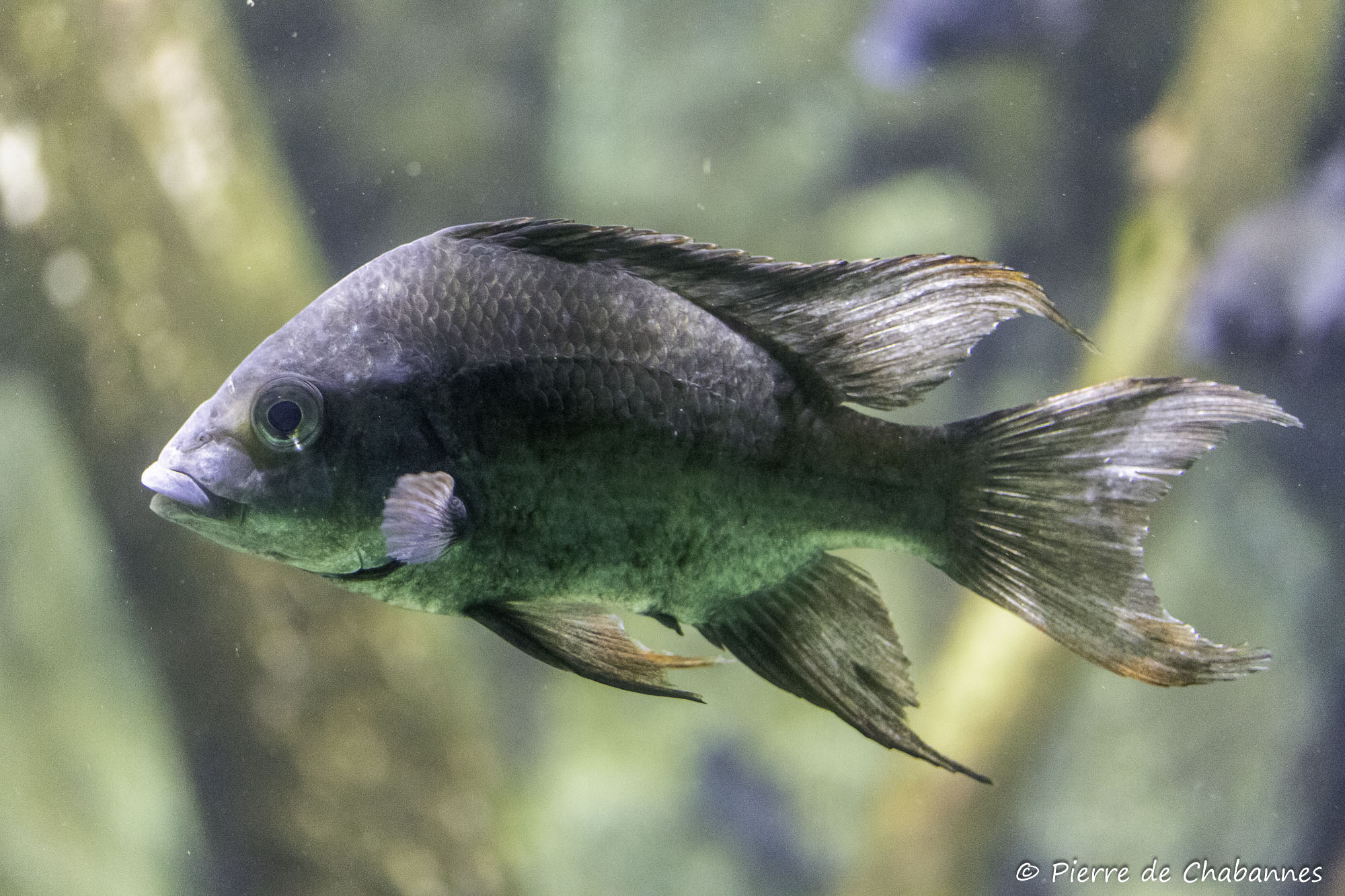
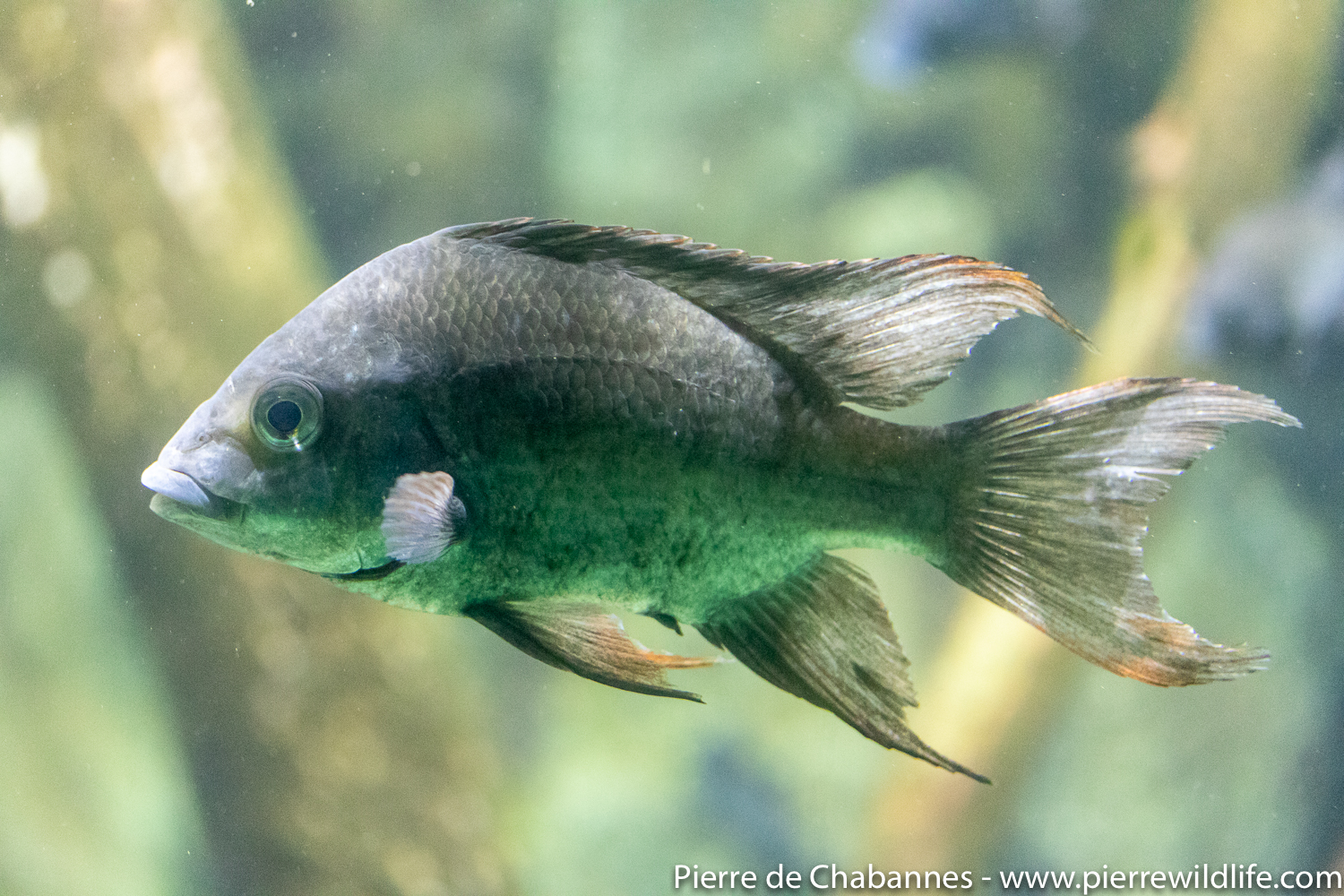
Mangarahara cichlid (Ptychochromis insolitus)
A freshwater fish once feared extinct in the wild, now representing an important conservation breeding success for Madagascar’s threatened aquatic fauna.
Context
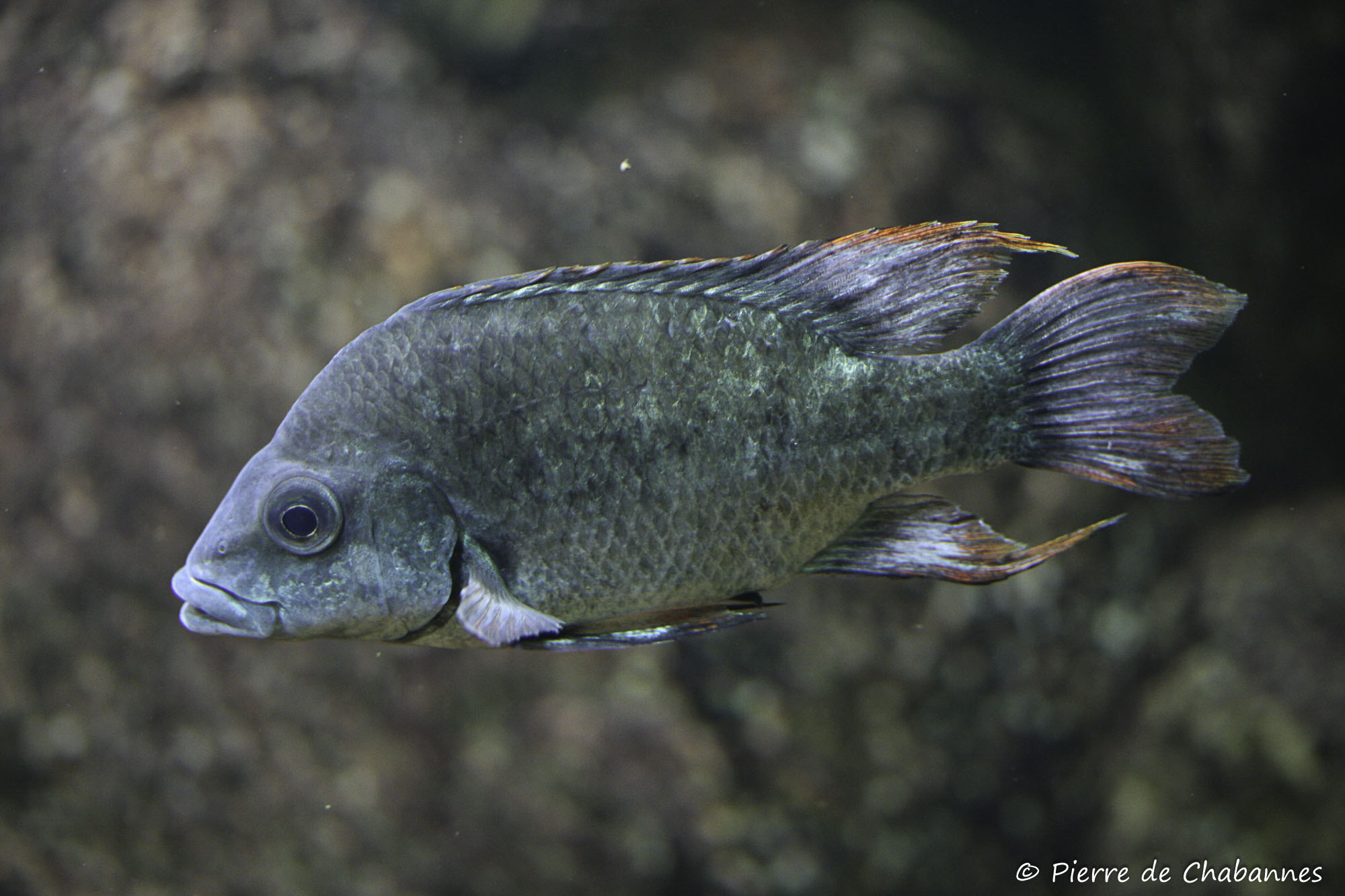
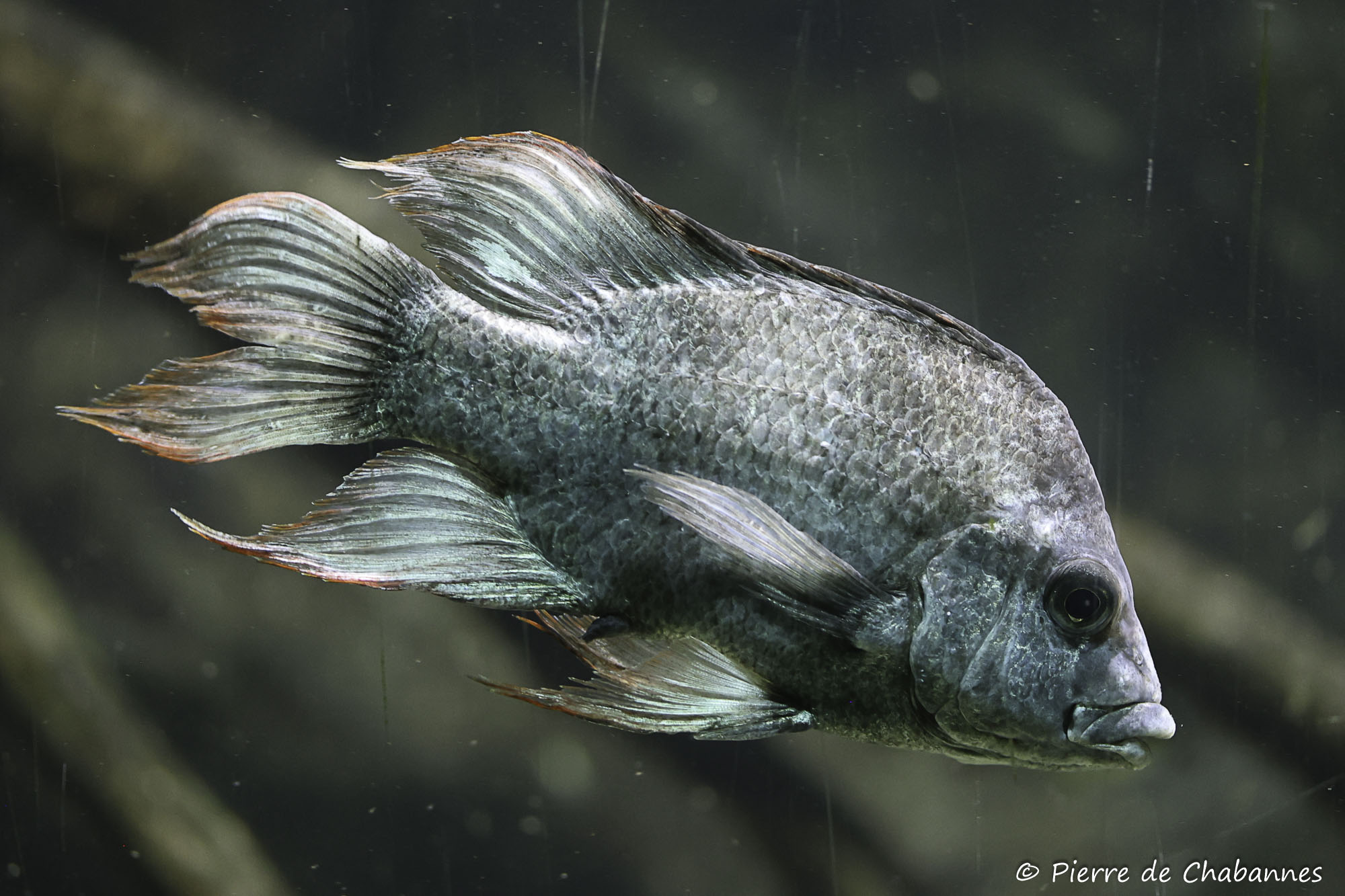
Breeding groups observed and photographed at the Aquarium de la Porte Dorée in France, Berlin Zoo in Germany, and Kölner Zoo in Germany, all participating in conservation breeding efforts dedicated to this critically endangered species.
Field notes
In 2008, an adult male maintained at Berlin Zoo was feared to be among the last surviving individuals of the species. Fortunately, the Mangarahara cichlid was subsequently rediscovered in the wild, and a coordinated conservation breeding programme was developed through the efforts of European zoological institutions, including Kölner Zoo.
The programme has expanded considerably over the years. At the time of my observations, the species was reportedly maintained in approximately 22 European zoos and aquariums, as well as one collection in North America, with regular breeding successes recorded in several participating institutions.
These efforts form part of a much broader conservation initiative aimed at establishing sustainable breeding populations for Madagascar’s endangered freshwater fishes. Many of these species face severe threats in their natural habitats, making coordinated management under human care an important safeguard against extinction.
Key facts
The Mangarahara cichlid is endemic to Madagascar and was originally known from the Mangarahara River system in the northwestern part of the island. Following severe habitat degradation, surviving wild populations have been documented in a limited number of waterways associated with the Sofia River drainage.
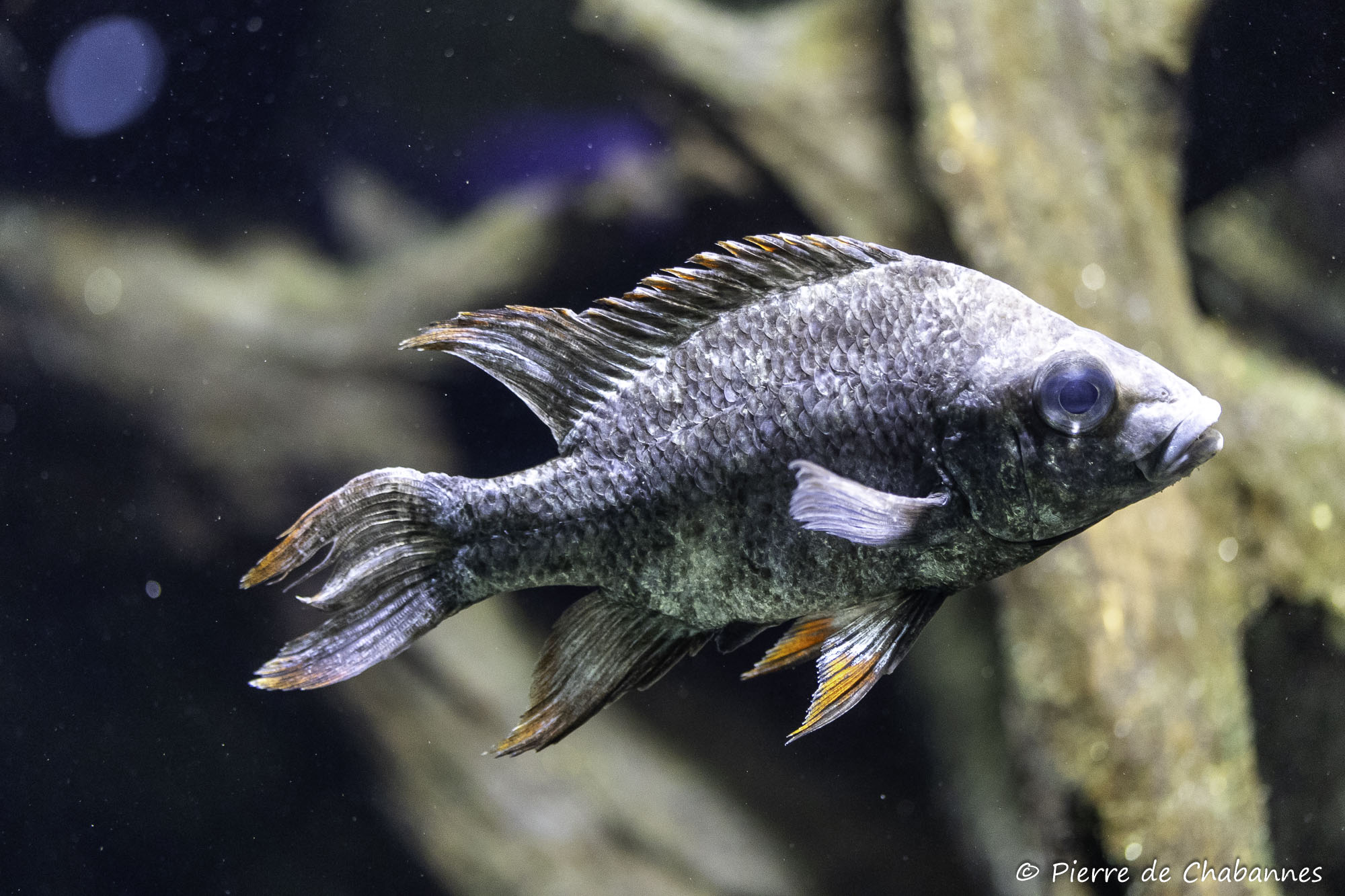
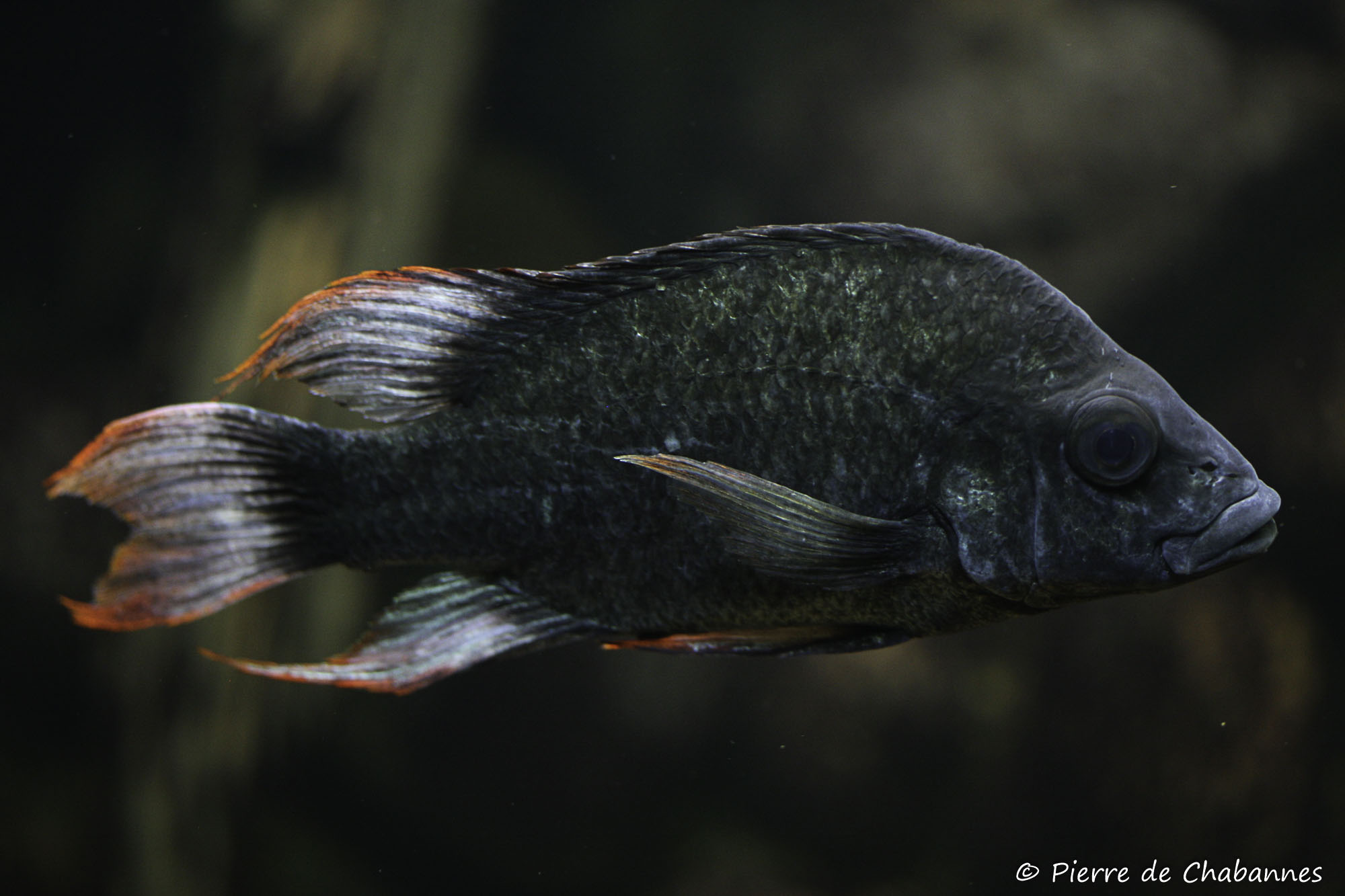
The species belongs to the distinctive evolutionary radiation of Malagasy cichlids, which developed separately from the well-known cichlid assemblages of Africa’s Great Lakes. It is recognizable by its metallic bluish coloration and elongated fins, sometimes showing reddish tones, particularly in adult males.
Its diet includes small aquatic invertebrates, algae, and other food resources available among submerged vegetation and rocks. During reproduction, pairs establish and defend breeding territories, displaying the strong parental behaviour characteristic of many cichlid species.
Conservation
The species is currently listed as Critically Endangered on the IUCN Red List. For several years, it was feared to have disappeared from the wild following extensive degradation of its original river habitats.
Conservation breeding efforts in Madagascar, including work carried out in Andapa, together with coordinated programmes in European zoological institutions, have helped establish an important population under human care. Nevertheless, the remaining wild populations continue to face serious threats from drought, habitat destruction, altered water systems, and pollution.
The future of the species in its natural habitat remains uncertain. Without coordinated conservation breeding, the risk of global extinction would be considerably greater. The story of the Mangarahara cichlid demonstrates how well-managed zoological institutions can contribute directly to the preservation of species that might otherwise disappear.
More photos from this observation
Other species involved in zoo conservation programmes can be found by browsing my Education resources.
“A long-term project documenting biodiversity across the world through fieldwork, zoological observations and educational content.”