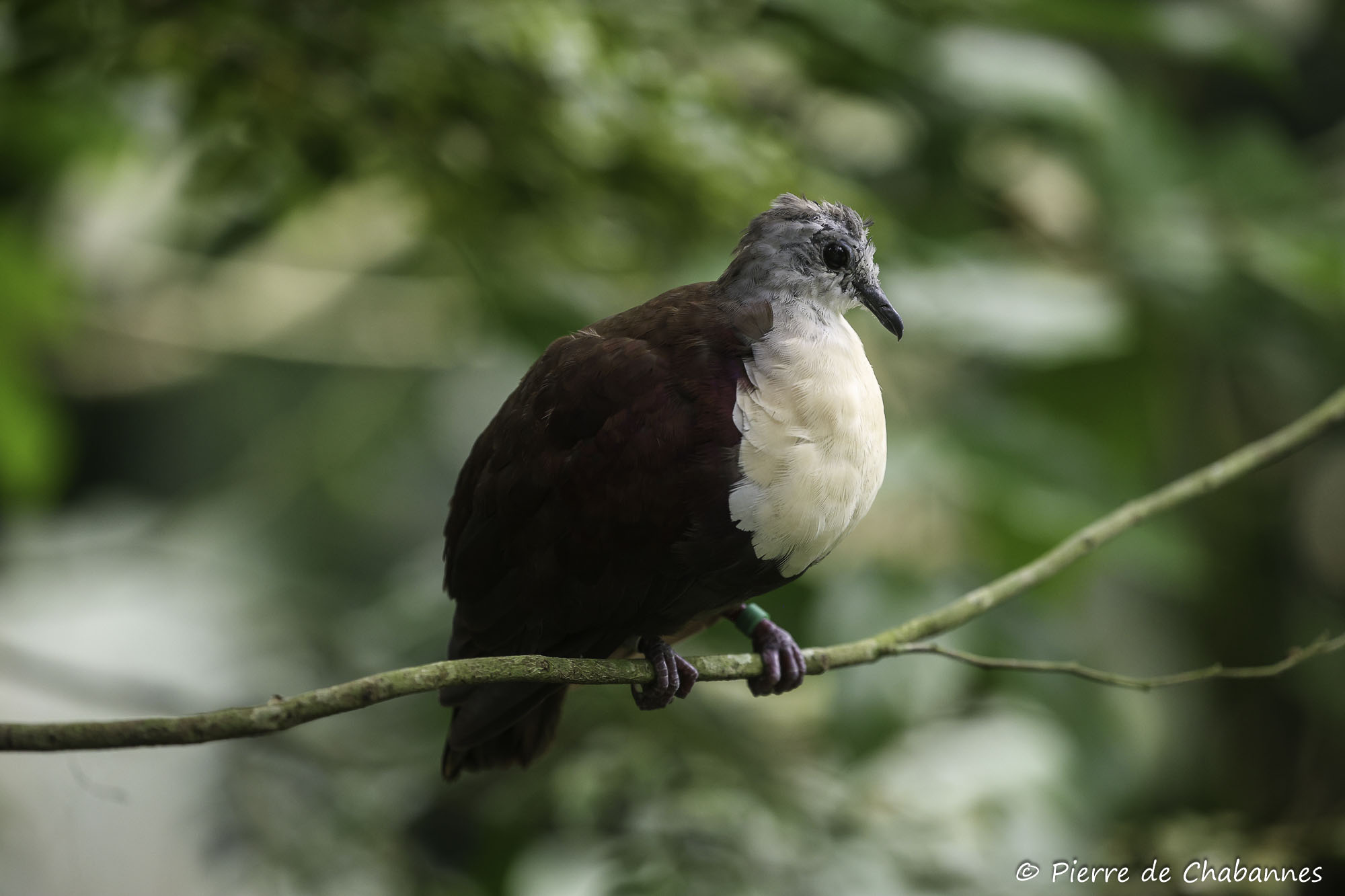
Santa Cruz ground dove (Pampusana sanctaecrucis)
A mysterious island ground dove once feared extinct, now benefiting from carefully managed conservation breeding programmes.
Context
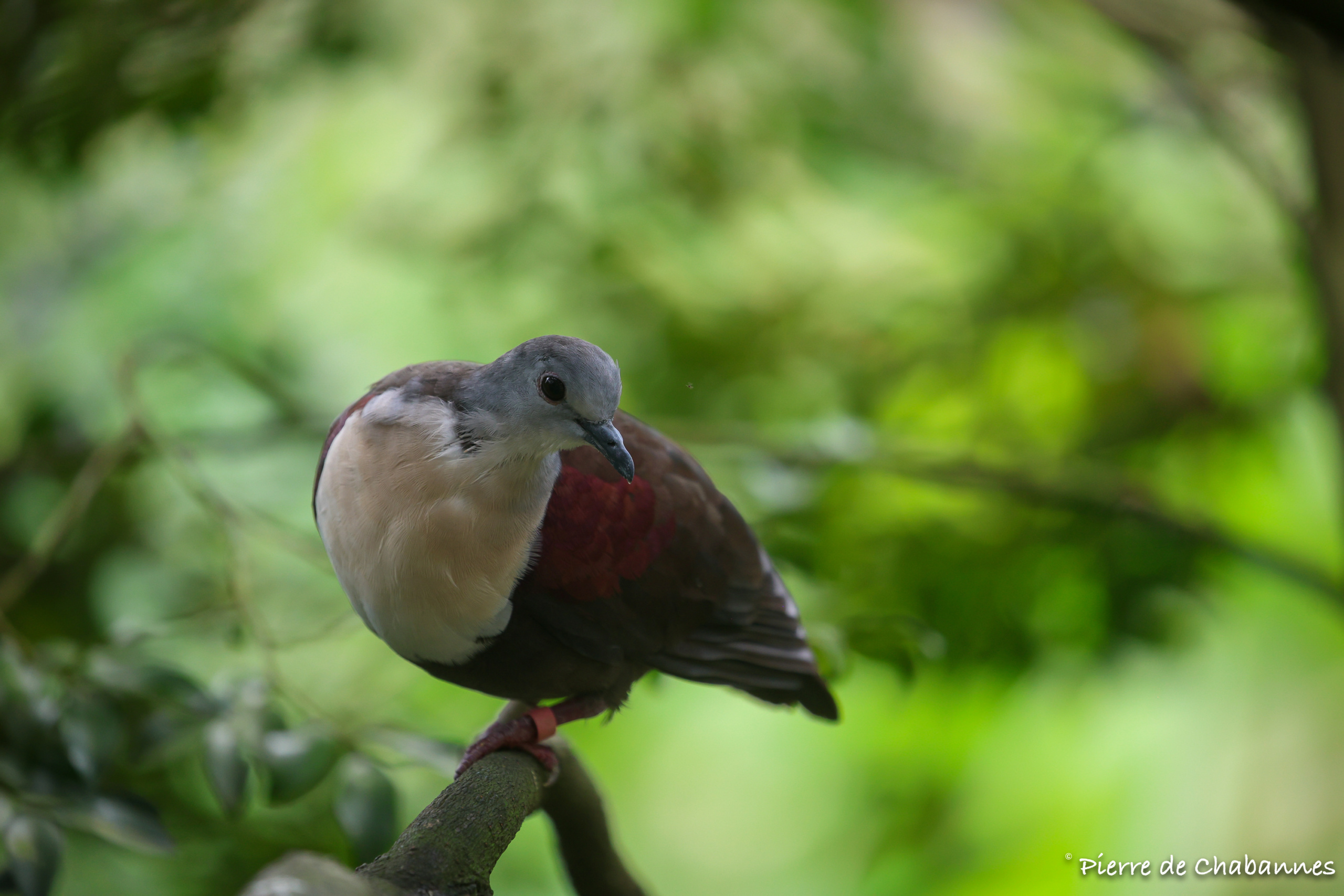
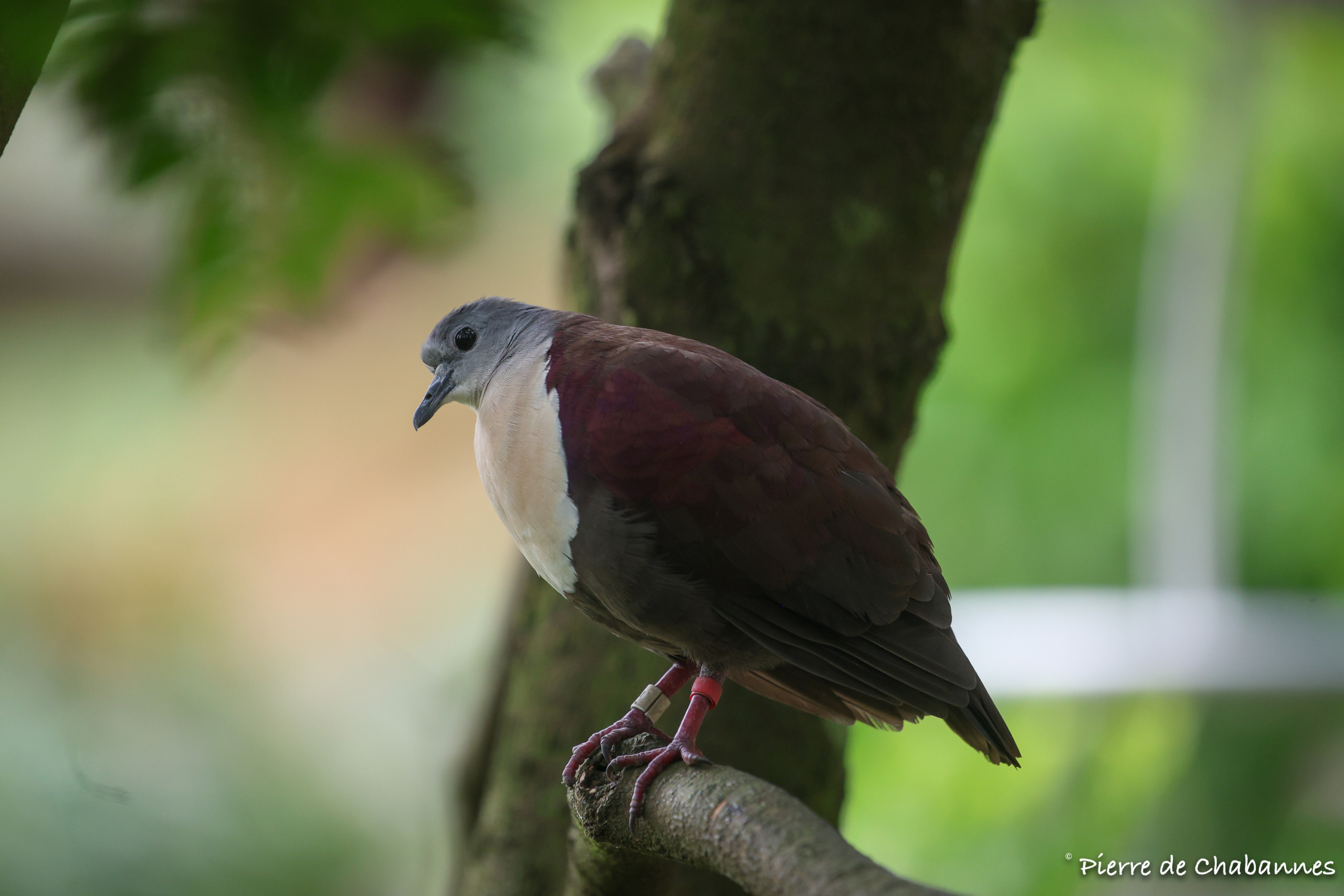
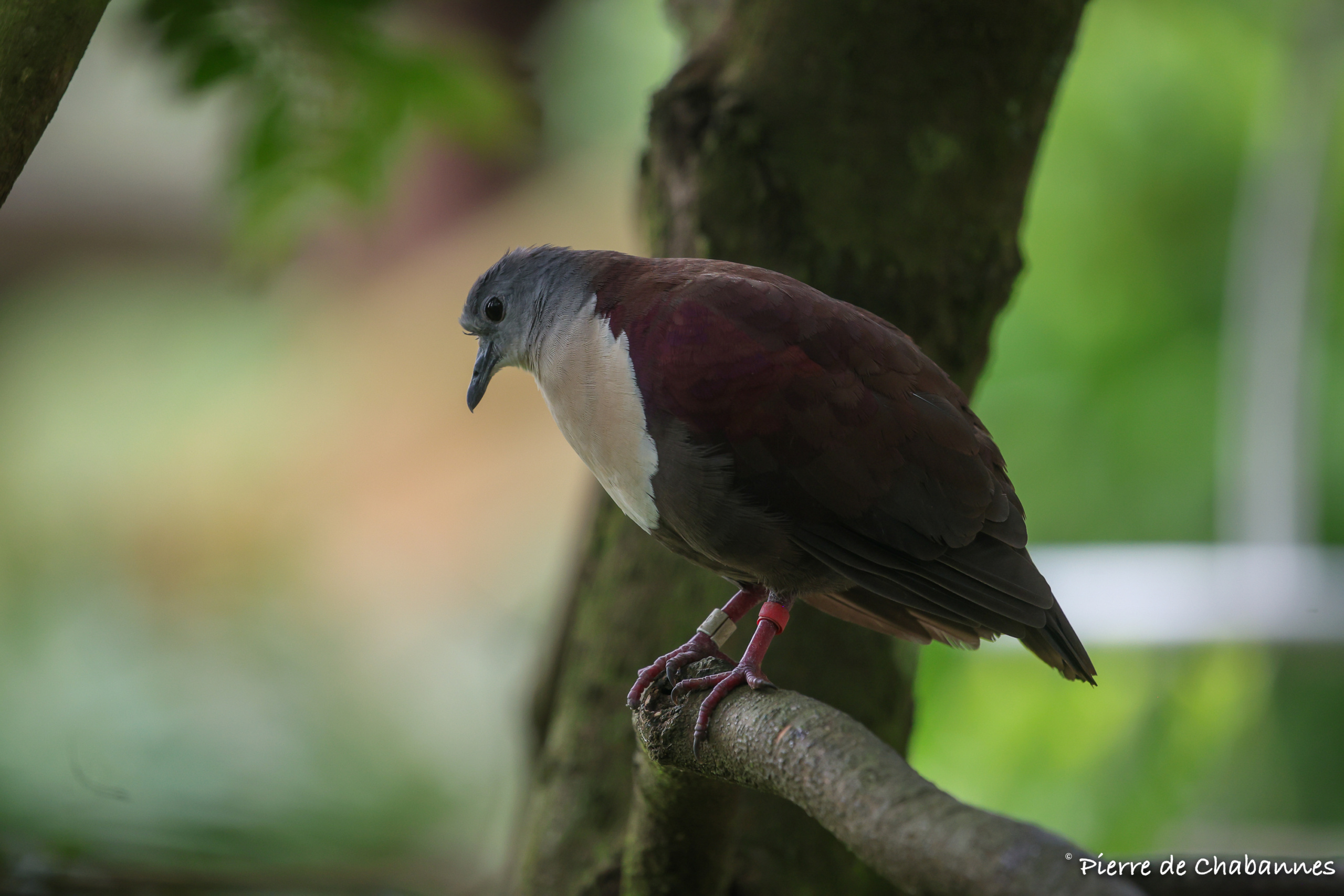
A breeding group observed and photographed in one of the large walk-through aviaries at Mandai Bird Paradise in Singapore.
Field notes
Mandai Bird Paradise and the nearby Singapore Zoo are among the very few zoological institutions maintaining this endangered species under human care. They have achieved significant breeding success and collaborate with conservation initiatives based in the Solomon Islands.
The Santa Cruz ground dove is one of the least-known pigeons in the world. For decades, very little information was available about its ecology, behaviour, or population size because of its remote distribution and secretive habits.
Individuals maintained under human care have provided valuable opportunities to study aspects of the species’ biology, behaviour, and reproduction that would otherwise be extremely difficult to document in the wild.
Key facts
The Santa Cruz ground dove is native to the Santa Cruz Islands, a remote island group belonging to the Solomon Islands. It also occurs on Espiritu Santo Island in Vanuatu, giving the species a highly restricted and fragmented distribution in the southwestern Pacific.
Males are readily distinguished by their whitish breast and face, often washed with delicate pink and grey tones. The remainder of the plumage is predominantly brown, with an iridescent purple patch on the wings. Females are mainly tawny chestnut, with darker wings and upperparts.
As its name suggests, the Santa Cruz ground dove spends much of its time on the forest floor, where it searches for fallen fruits, seeds, and small invertebrates beneath dense tropical vegetation.
Conservation
The species is currently listed as Endangered on the IUCN Red List and has an exceptionally restricted distribution among Pacific pigeons.
It belongs to the genus Pampusana, a group of ground doves distributed across the Pacific region. Several members of this genus have suffered severe population declines or extinction following the introduction of invasive predators, particularly rats and other mammals, to oceanic islands.
Volcanic activity on Tinakula Island, once an important refuge for the species, has severely affected its habitat and population. These events have further highlighted the vulnerability of ground doves restricted to small islands, where a single natural disaster can have devastating consequences.
Conservation initiatives in the Solomon Islands, together with coordinated breeding programmes in Singapore, now provide an important safeguard for the species. Maintaining viable populations under human care, monitoring remaining wild populations, and protecting suitable island habitats will be essential to its long-term survival.
More photos from this observation
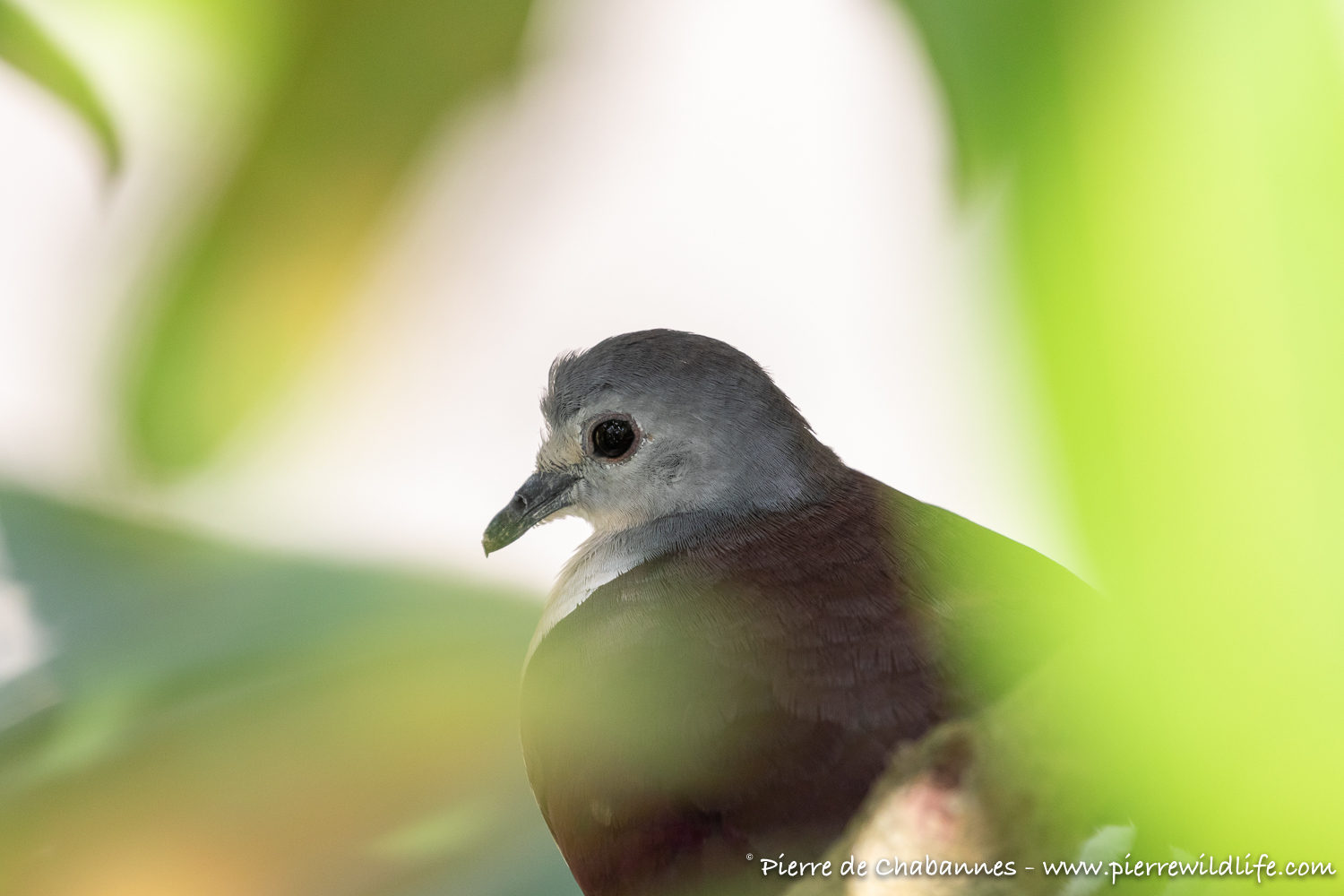
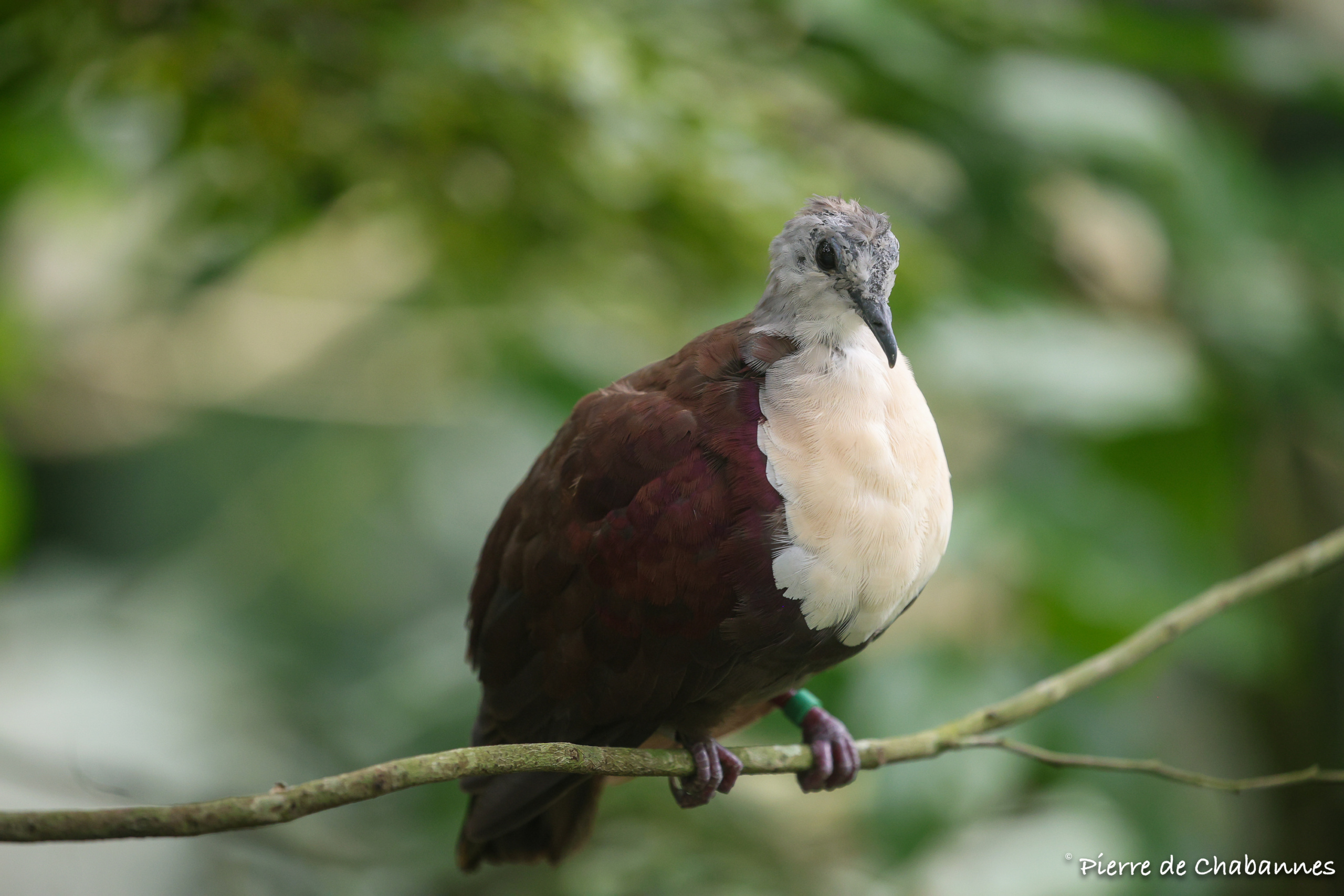
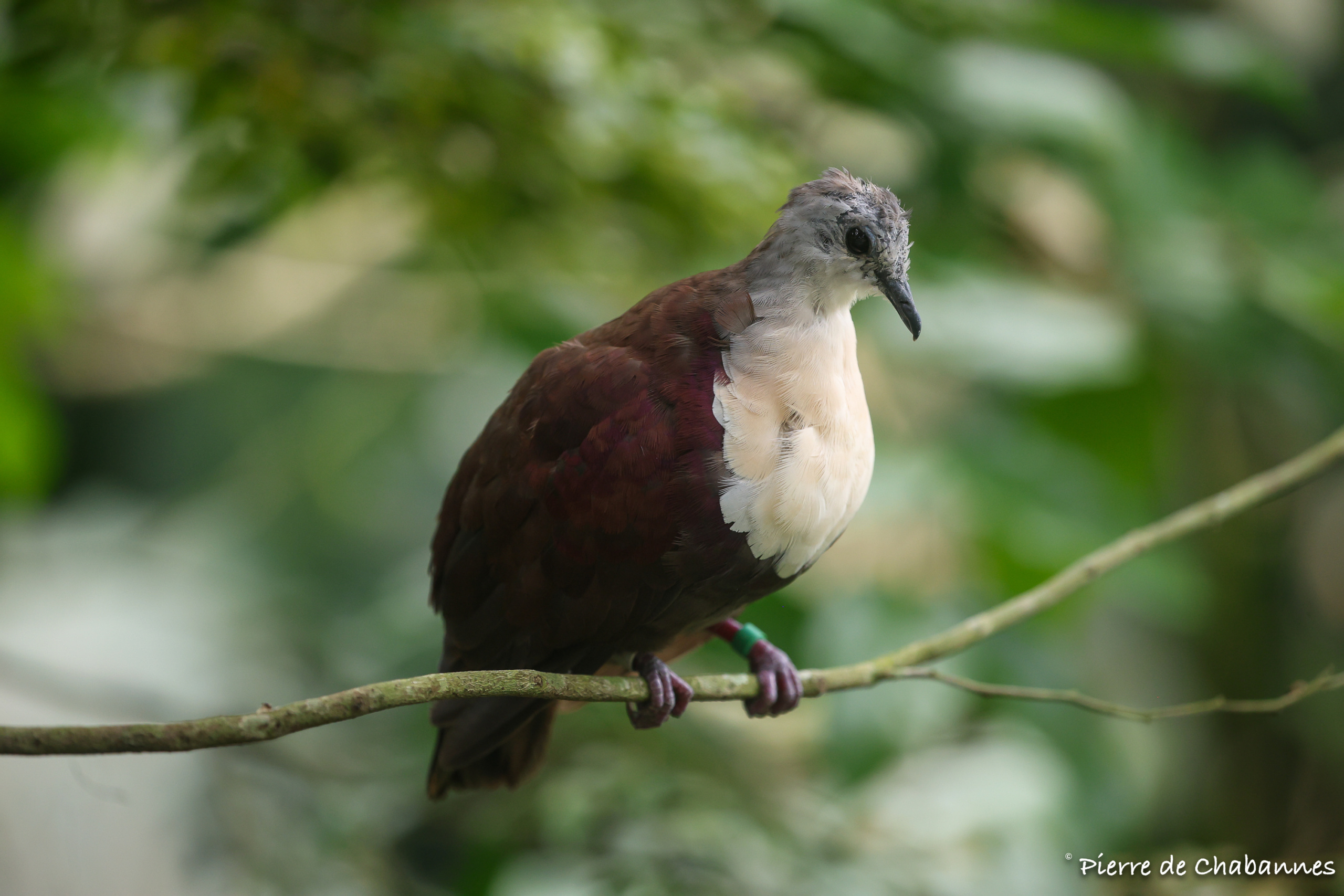
Other species involved in zoo conservation programmes can be found by browsing my Education resources.
“A long-term project documenting biodiversity across the world through fieldwork, zoological observations and educational content.”