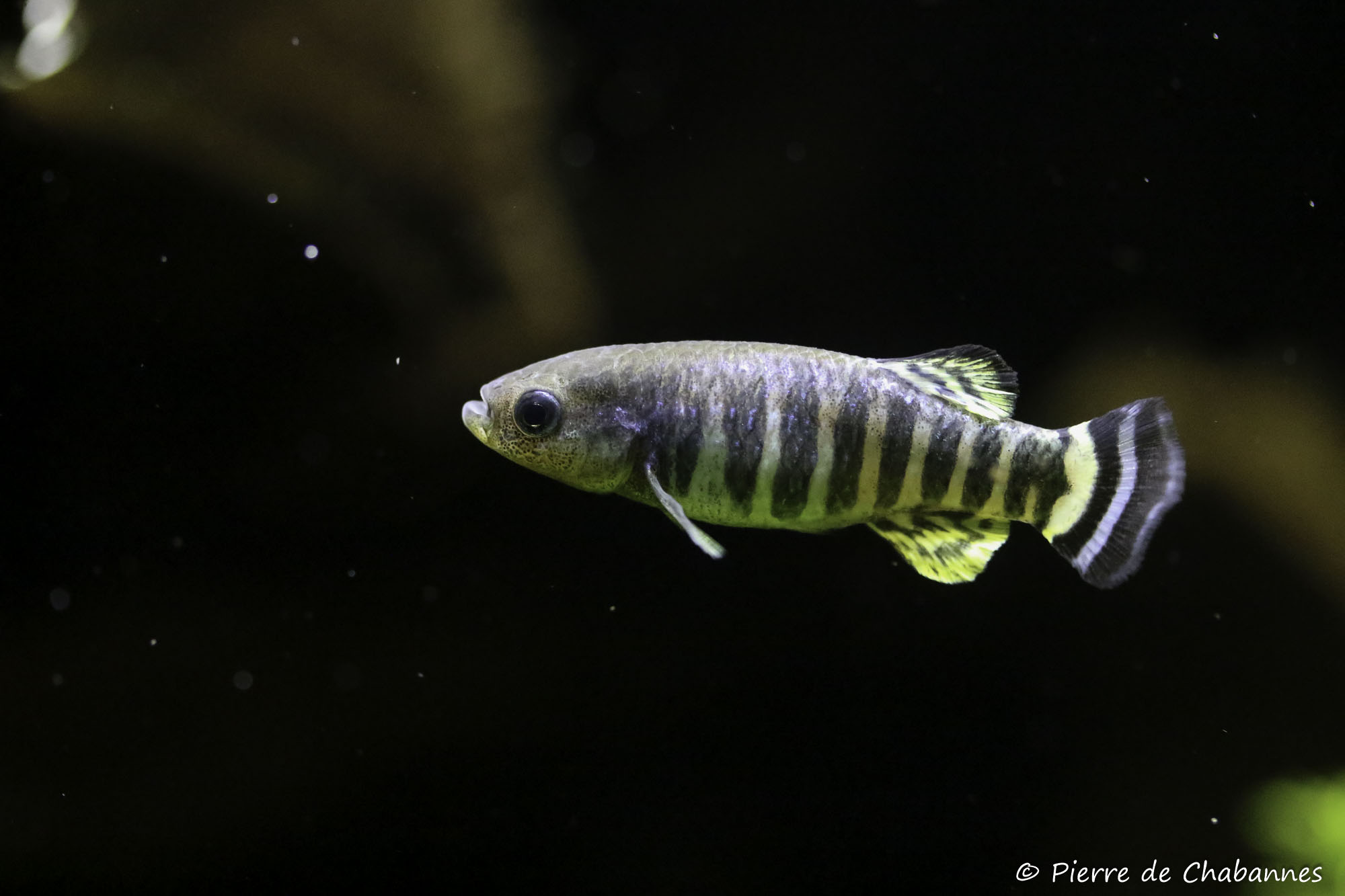
Azraq toothcarp (Aphaniops sirhani)
This tiny freshwater fish is Jordan’s only endemic vertebrate species and remains heavily dependent on conservation efforts for its survival.
Context
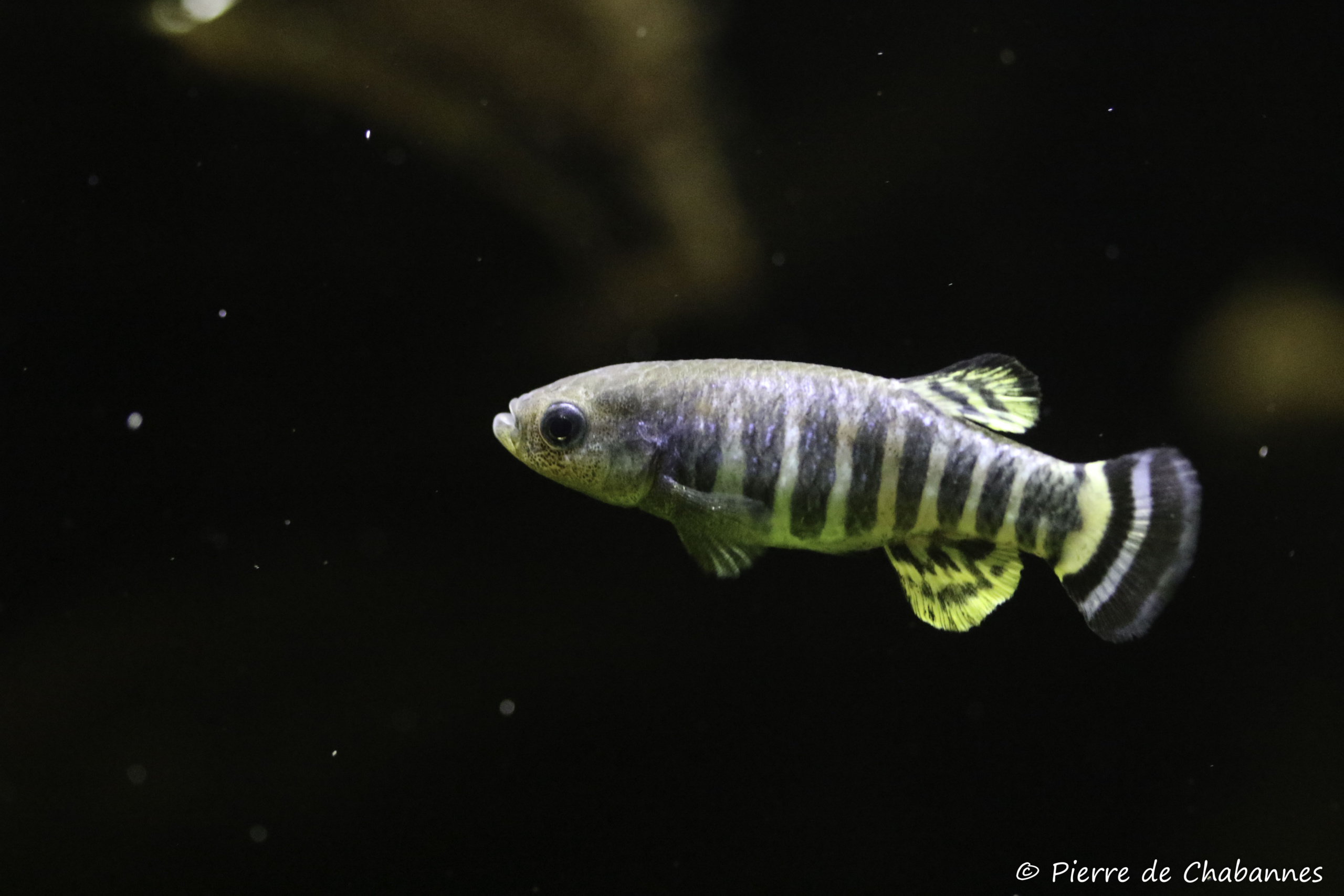
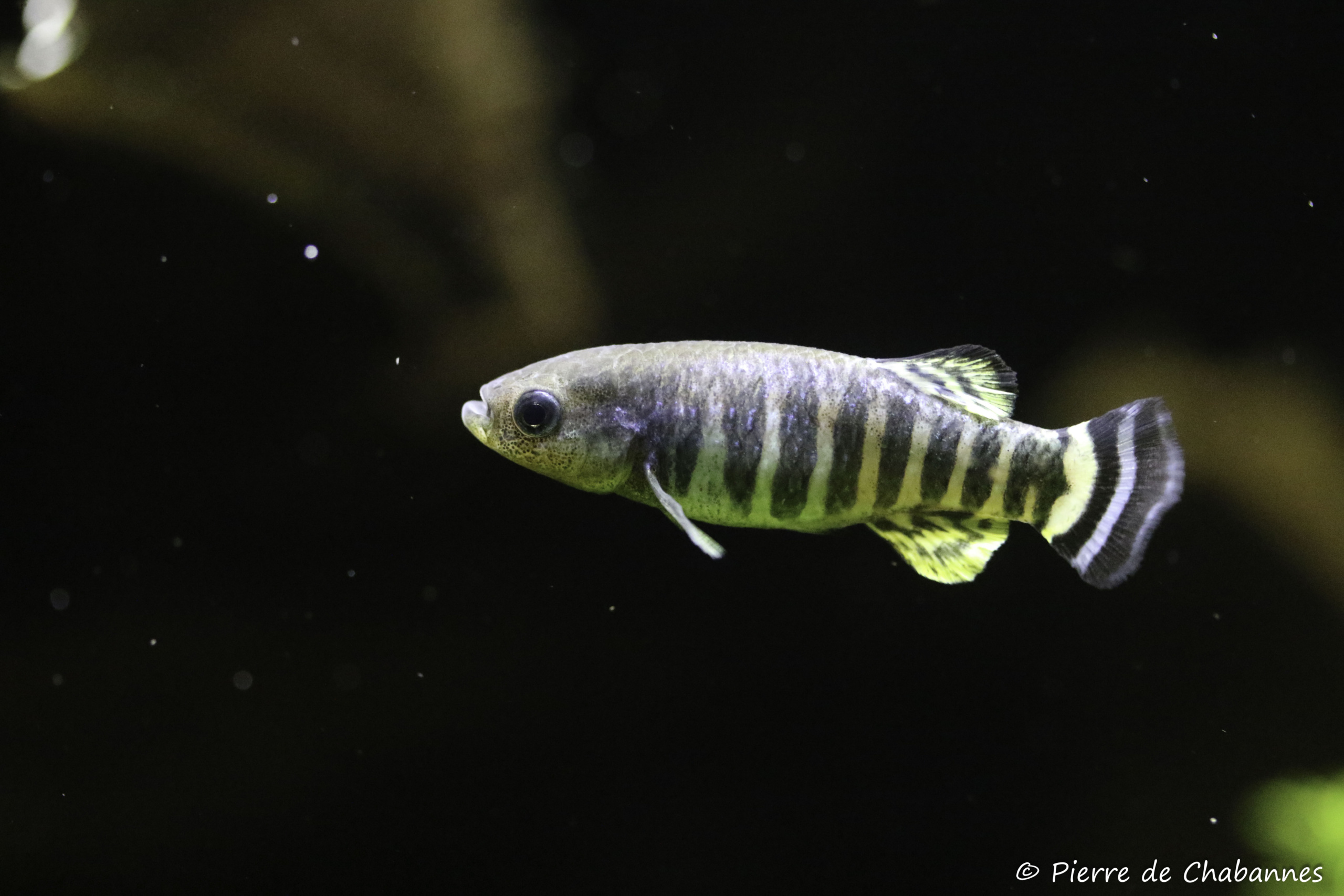
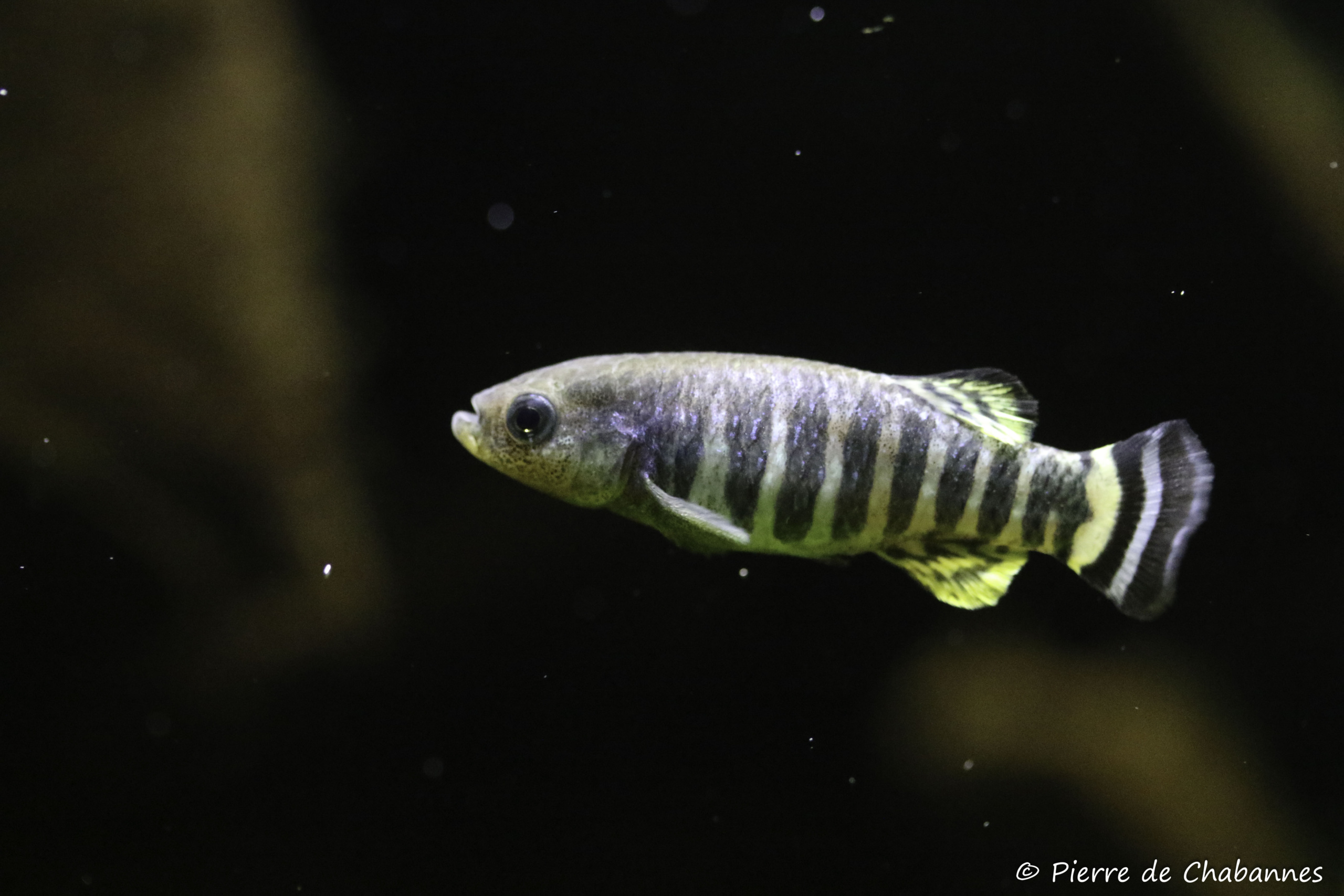
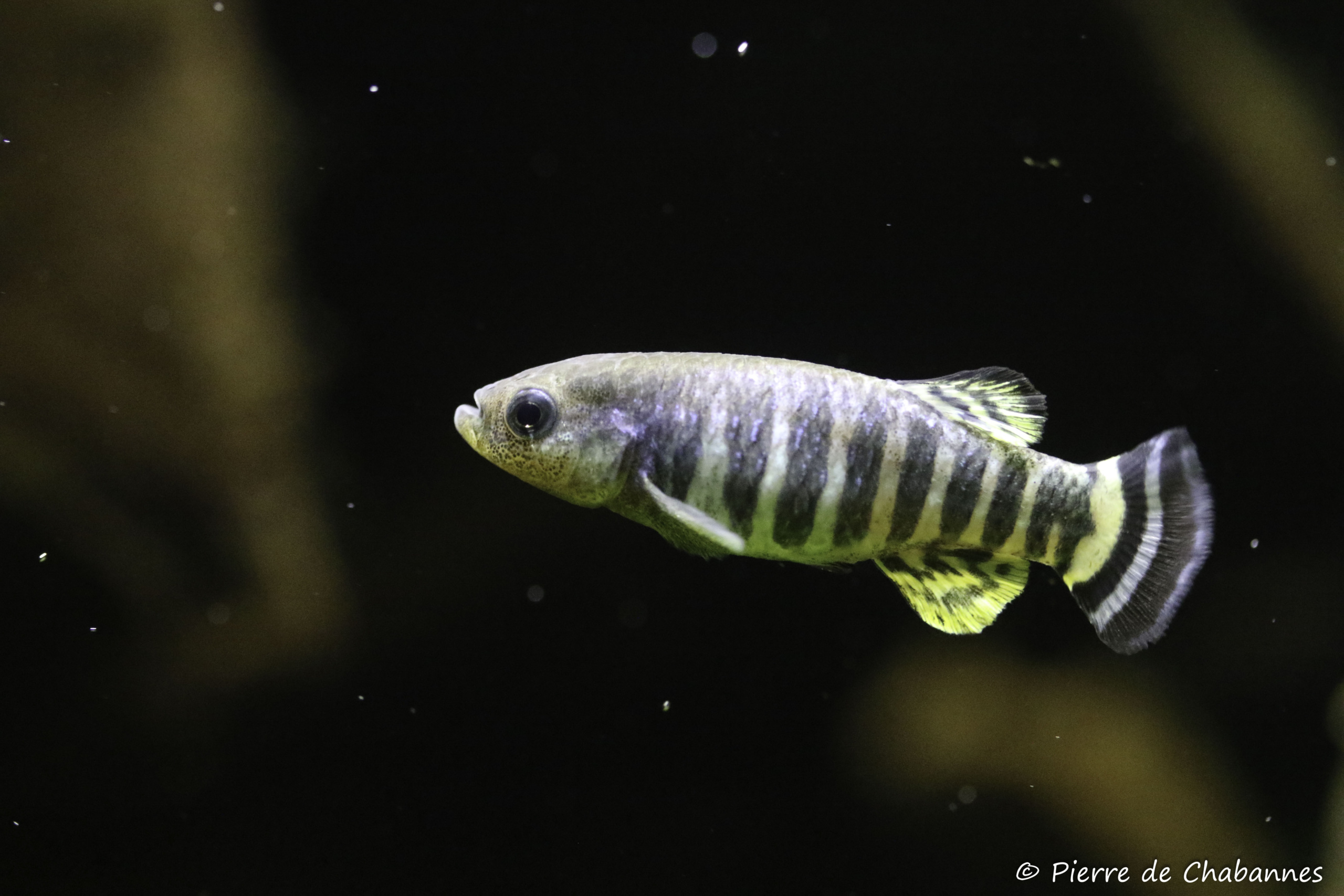
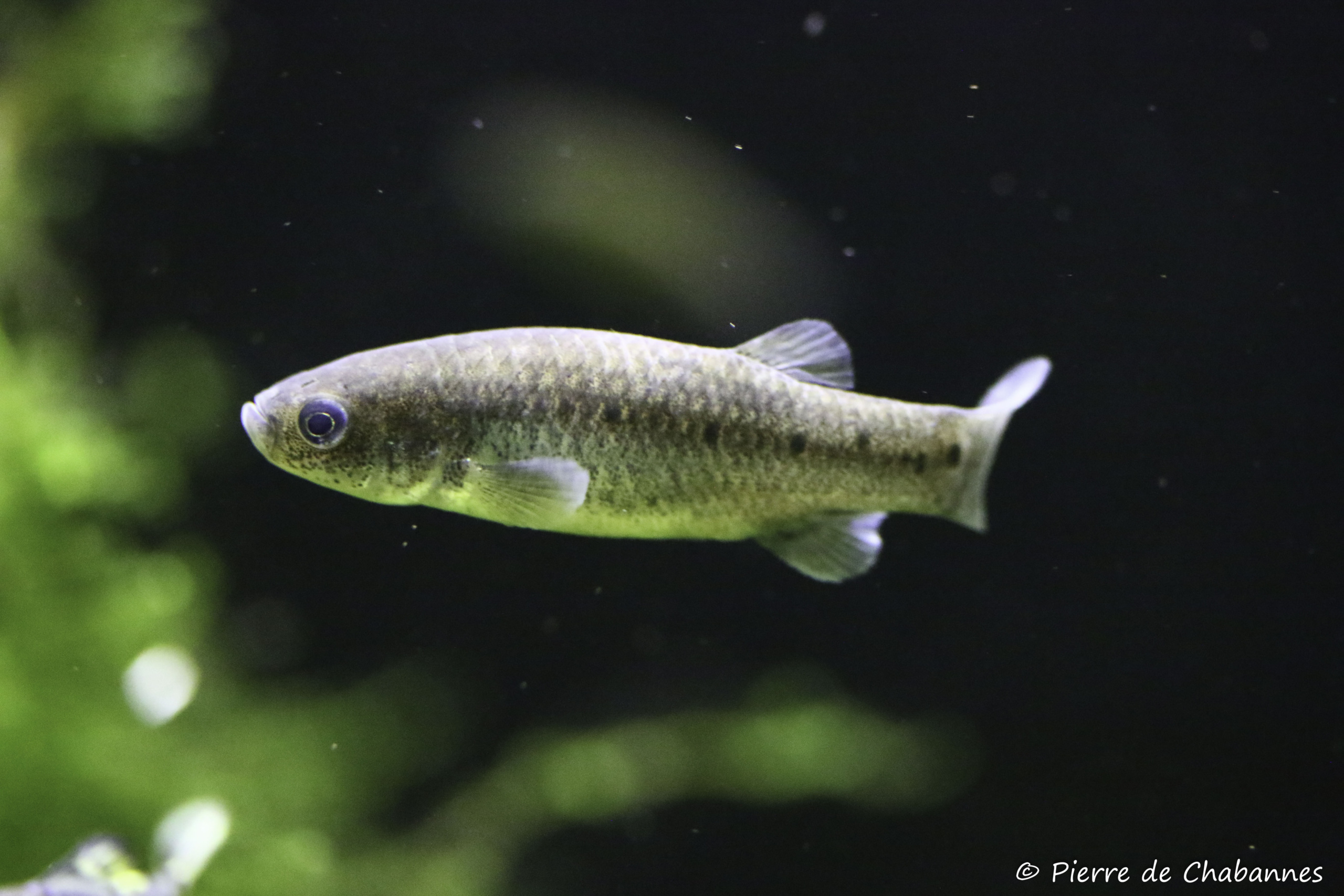
A breeding group observed and photographed in the endangered freshwater fish section of Aquazoo Düsseldorf, housed within the Löbbecke Museum in Düsseldorf, Germany. The group forms part of an international conservation breeding programme dedicated to this critically endangered species.
Field notes
The Azraq toothcarp, also known as the Azraq killifish, was formerly classified within the genus Aphanius, which has since been divided into several genera. This group includes some of the most threatened freshwater fishes in the world.
Thanks to the involvement of European zoological institutions such as Kölner Zoo, Aquazoo Düsseldorf, and Tiergarten Schönbrunn in Vienna, several species belonging to the former Aphanius complex are now maintained and bred under human care. Private aquarists also play an important role, supported by specialist breeding associations such as the Association France Vivipares.
The Azraq toothcarp was once considered particularly challenging to maintain and reproduce in aquariums. However, scientific research and collaboration between zoological institutions and experienced private breeders have significantly improved husbandry techniques, allowing the species to breed successfully under controlled conditions.
These coordinated breeding efforts now provide an essential safeguard against global extinction while conservation work continues in the species’ natural habitat.
Key facts
As its name suggests, the Azraq toothcarp is endemic to the Azraq Oasis in Jordan, a wetland system situated within the Wadi Sirhan depression on the edge of the Syrian Desert.
The species displays striking sexual dimorphism. Males have distinctive vertical yellow and black bars along their flanks, with contrasting patterns on their fins and subtle blue iridescence on their cheeks. Females are predominantly silvery, with a horizontal row of small dark spots along the body.
During courtship, males can become highly territorial and aggressive towards rivals. Females may lay eggs over an extended breeding period, attaching them to algae or other aquatic vegetation using fine adhesive filaments.
Conservation
The species is currently listed as Critically Endangered on the IUCN Red List. It was considered functionally extinct in the wild during the 1990s before reintroduction efforts began in the early 2000s, supported by conservation breeding work involving Tiergarten Schönbrunn in Vienna. Its continued survival remains closely linked to both captive breeding and the maintenance of suitable wetland habitats.
The Azraq Oasis was once one of the most important wetland ecosystems in the Middle East and is internationally recognized as a Ramsar site. Unfortunately, excessive groundwater extraction, particularly to supply urban areas including Amman, caused the natural springs to dry up in 1992, resulting in the near-total collapse of the original wetland ecosystem.
Parts of the wetlands have since been restored, but their survival remains dependent on managed water supplies. Continued pressure on groundwater resources and insufficient water availability threaten the long-term stability of the oasis. Without sustained water management, the remaining and reintroduced populations of the Azraq toothcarp would face a severe risk of disappearing from the wild once again.
Zoological institutions and dedicated private breeders therefore carry considerable responsibility for maintaining healthy, genetically managed populations under human care. Through breeding, research, education, and cooperation with conservation authorities, they provide an essential safeguard for the future of this exceptionally threatened fish.
More photos from this observation
Other species involved in zoo conservation programmes can be found by browsing my Education resources.
“A long-term project documenting biodiversity across the world through fieldwork, zoological observations and educational content.”