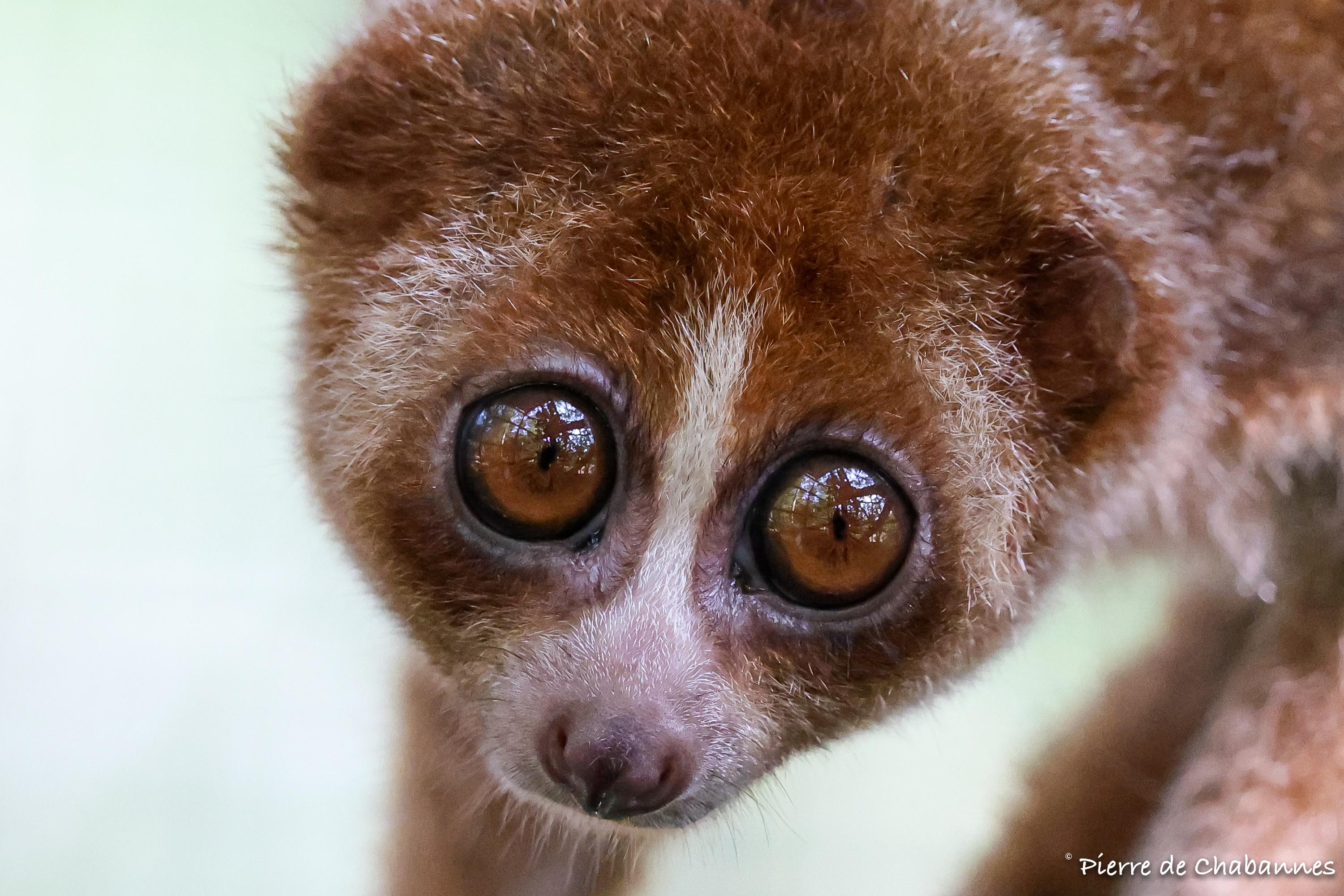
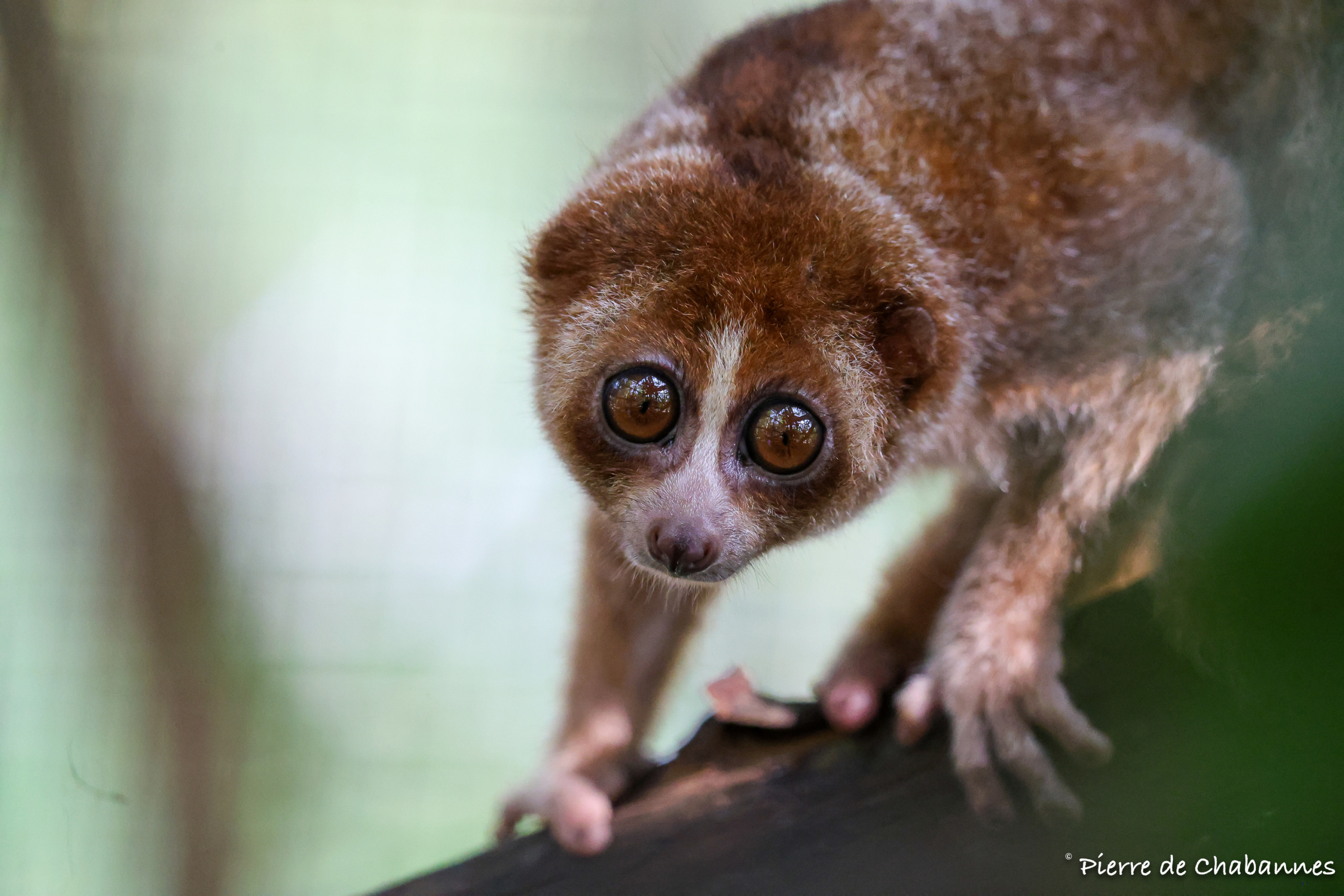
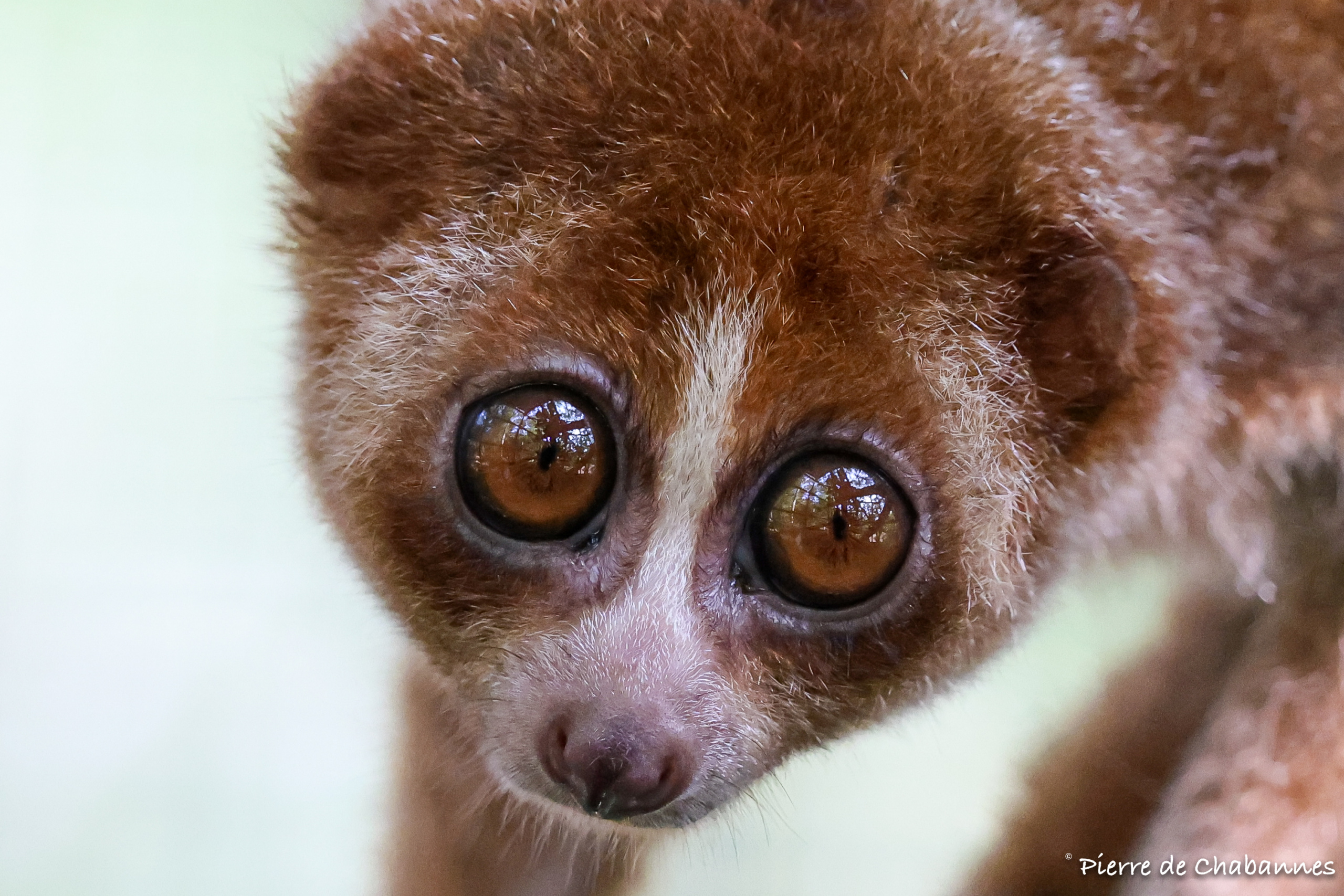
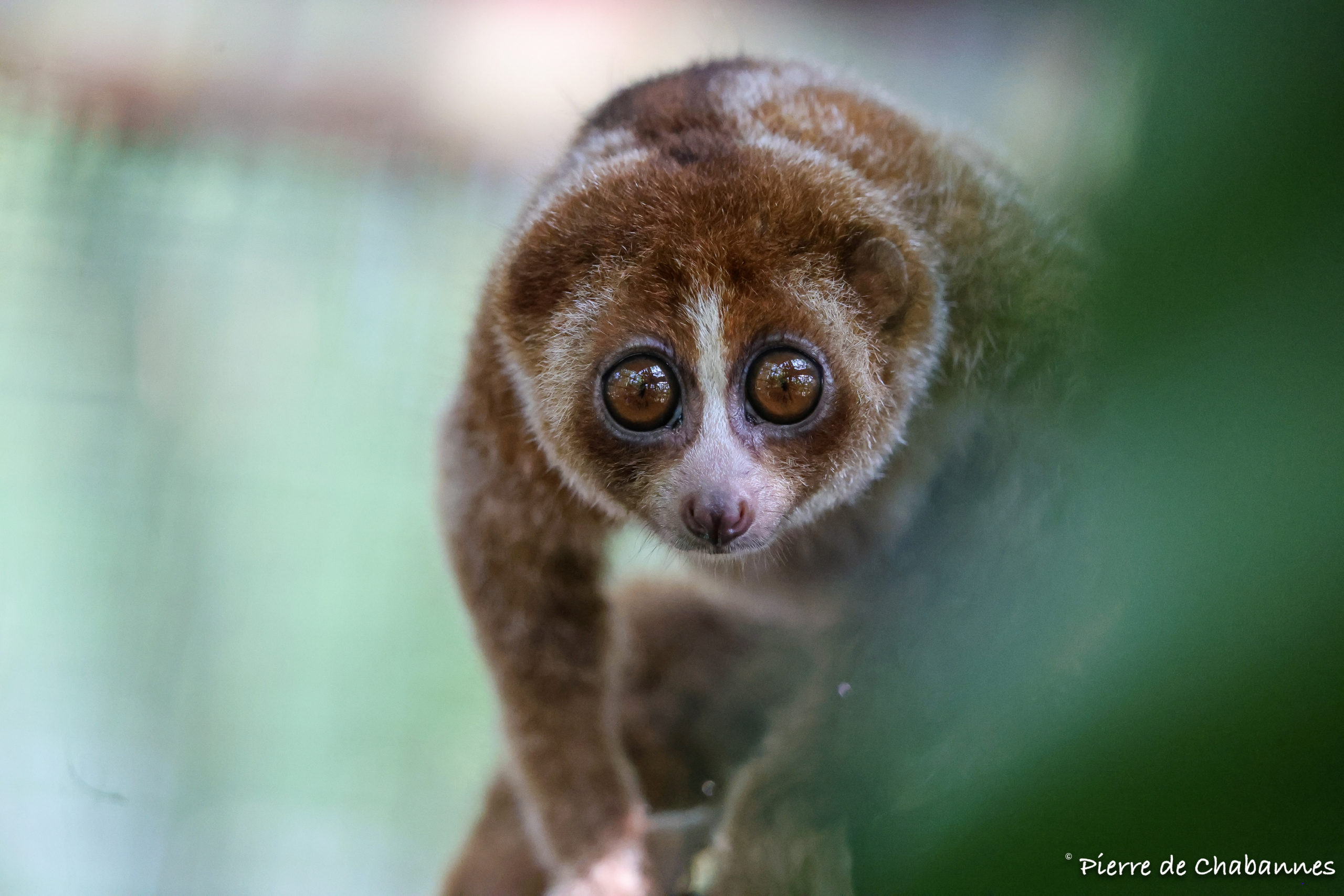
Bangka slow loris (Nycticebus bancanus)
A remarkable nocturnal primate endemic to Bangka Island and among Southeast Asia’s most threatened mammals.
Context
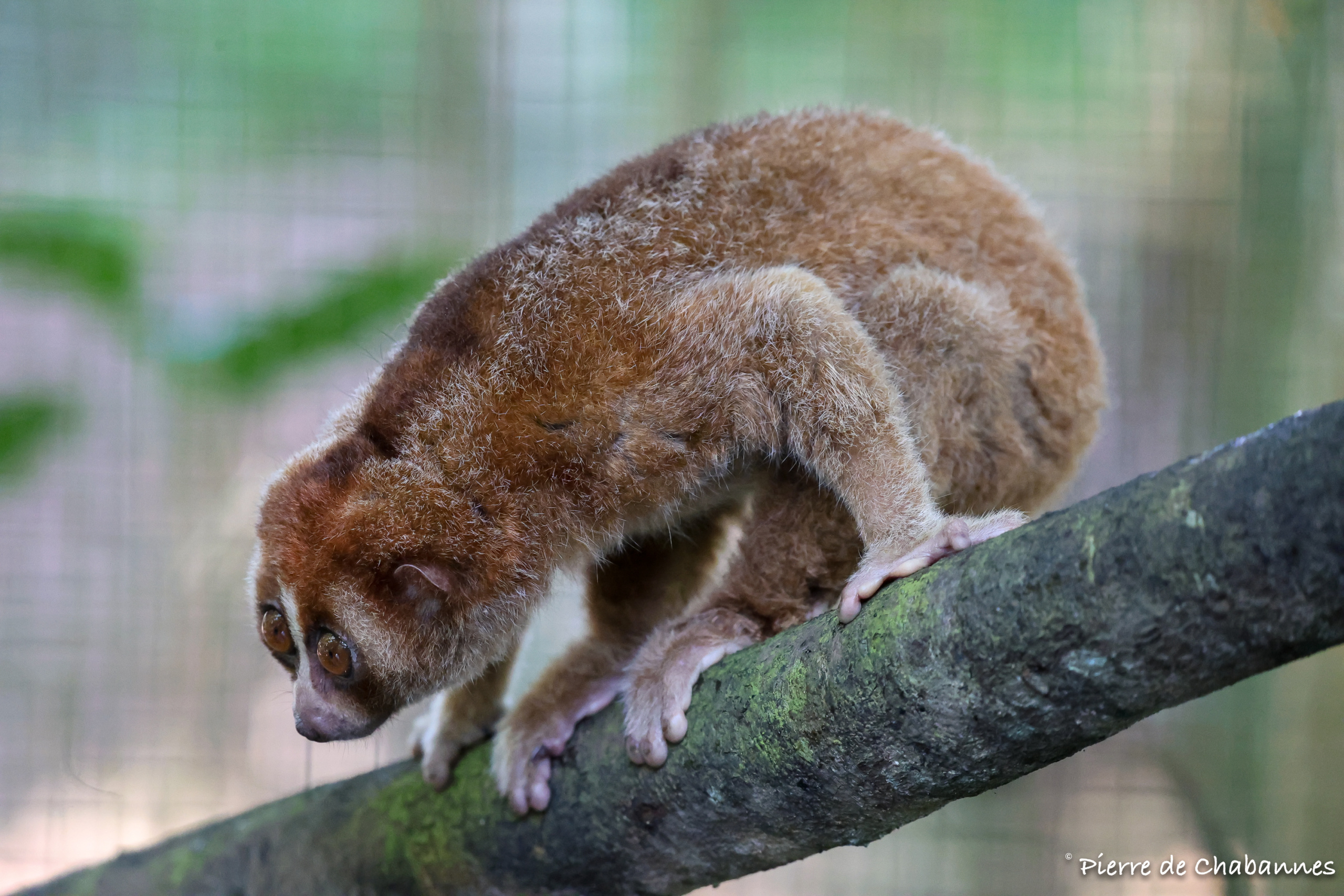
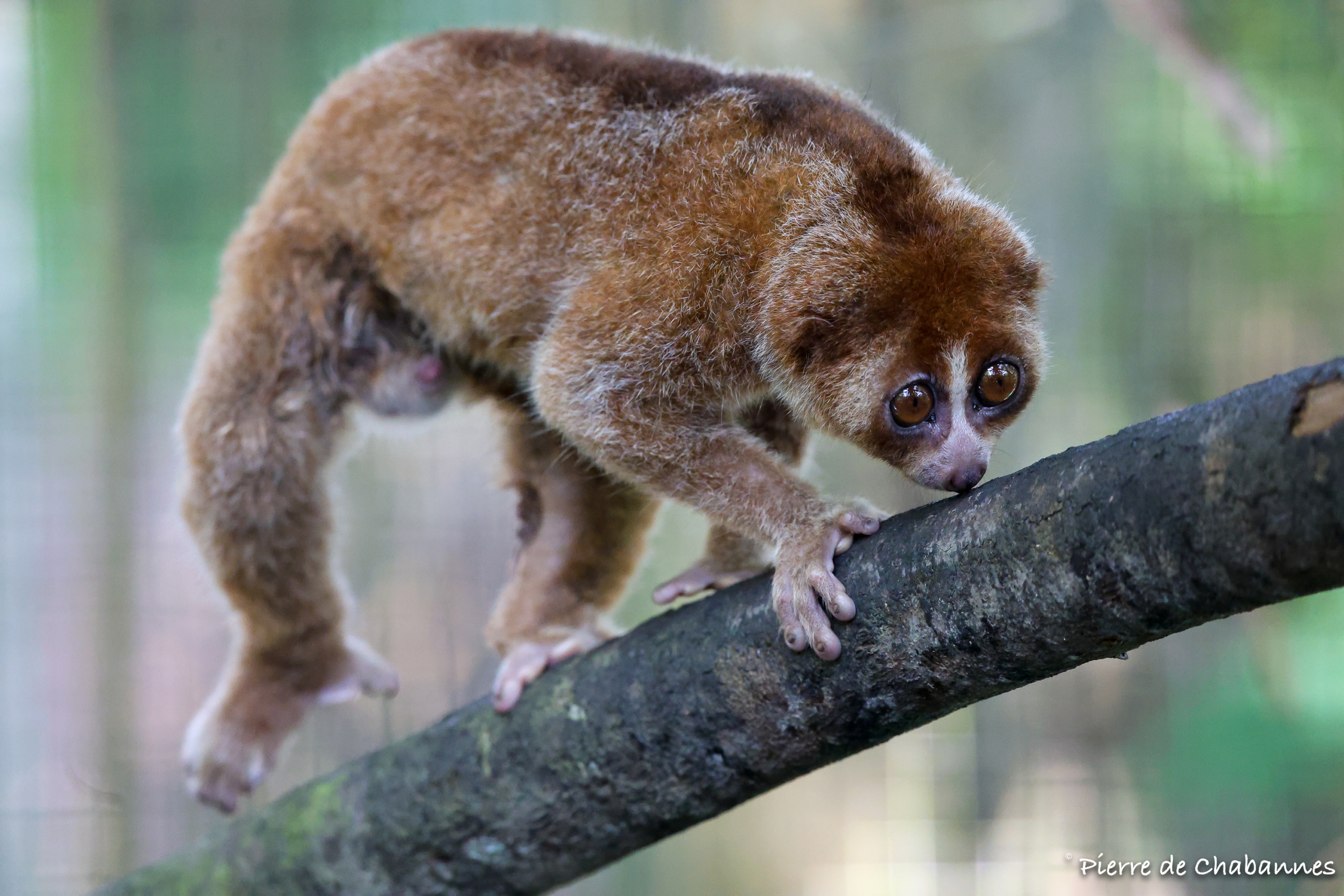
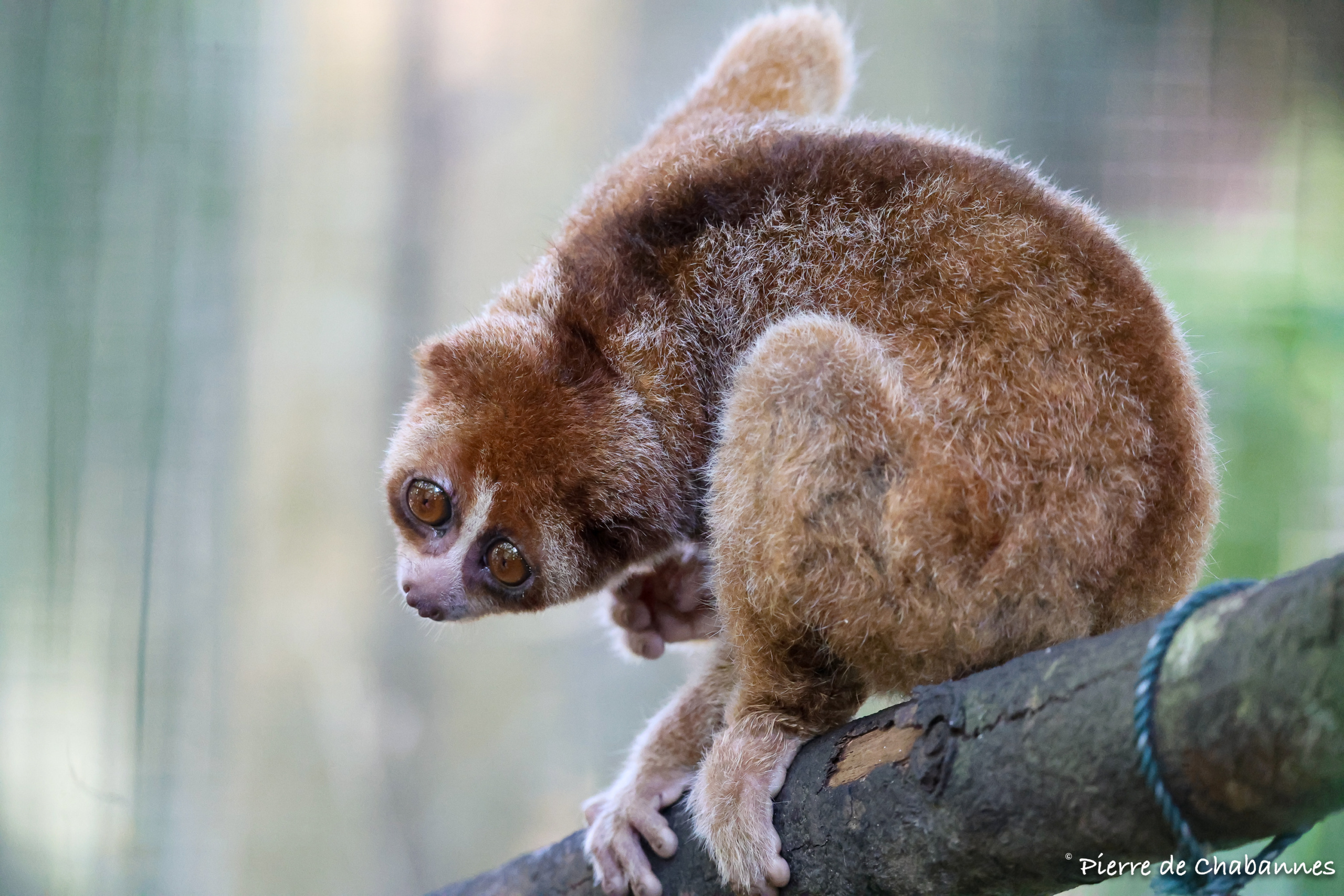
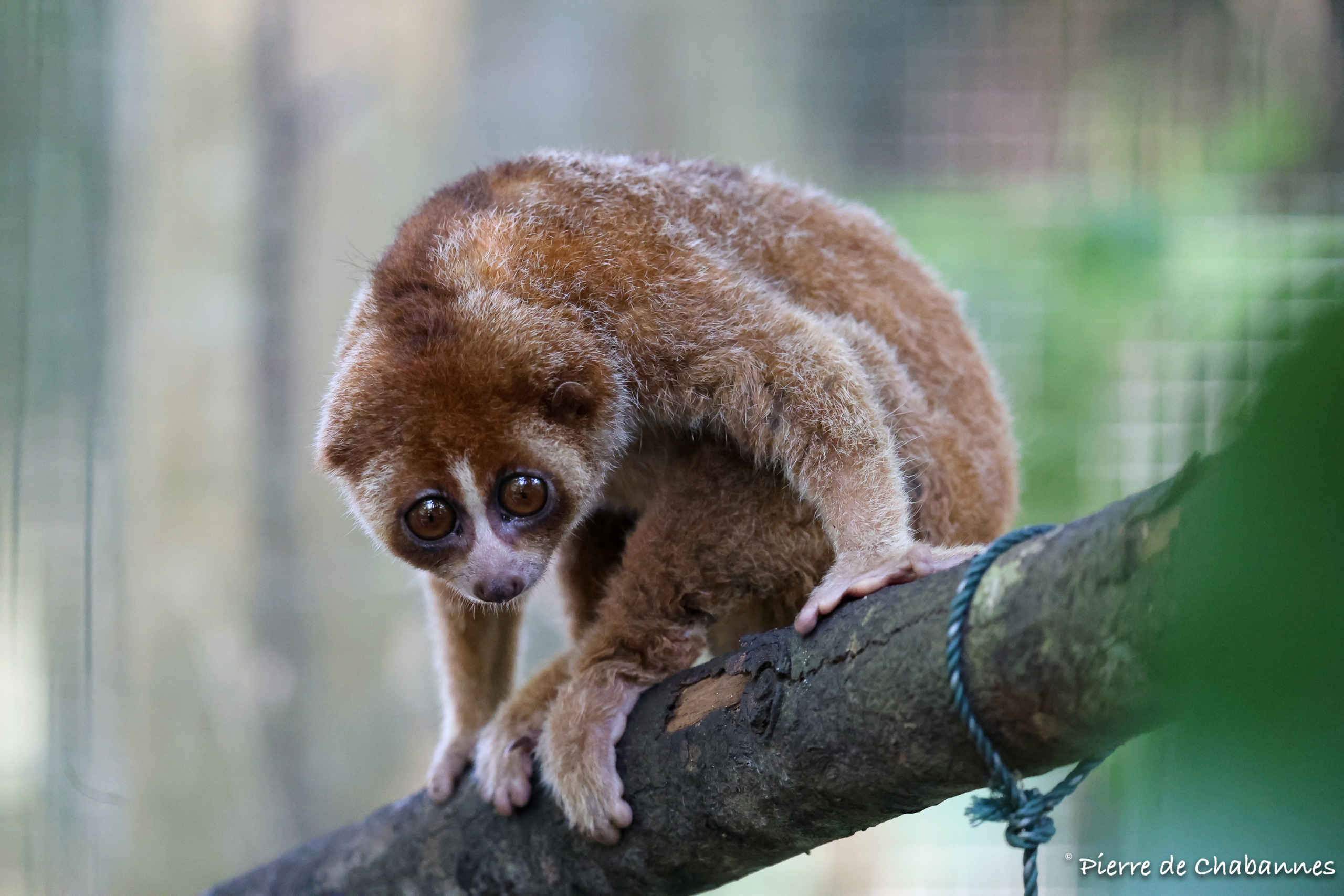
A single individual was photographed under human care at the rescue and breeding centre operated by ALOBI Foundation on Bangka Island, Indonesia.
2026 Update – Scientific Publication
In October 2026, a newly published scientific study brought renewed international attention to the Bangka slow loris (Nycticebus bancanus), documenting its continued presence on Bangka Island.
During my 2023 and 2025 National Geographic Photo Ark field assignments, I spent numerous days on Bangka, meeting and collaborating with the ALOBI Wildlife Rescue Centre. Thanks to Langka and his team, I was able to photograph a non-releasable Bangka slow loris under human care. On another occasion, my wife and I also had the privilege of participating in the release of a rehabilitated Bangka slow loris into a protected forest.
At the time, I had not travelled to Bangka specifically to document this species. It was through my conversations with the ALOBI team, and subsequent research into its conservation status, that I came to appreciate the significance of this encounter.
I am delighted to see the work of ALOBI Foundation and the conservation of this remarkable primate receiving the international attention they deserve.
For more background on this remarkable species and the outstanding conservation work carried out by ALOBI, I invite you to revisit my Instagram posts from 2023 and 2026. In these posts, I shared my experiences on Bangka Island and highlighted the rediscovery of the Bangka slow loris before the scientific paper was published in October 2026.
Field notes
Like all slow lorises, this species is adapted to nocturnal arboreal life, with large forward-facing eyes that provide excellent vision in low-light conditions. During the day, individuals usually rest in sheltered locations, including dense vegetation, tree cavities, and occasionally artificial nest boxes, as we observed at the ALOBI rescue centre. At night, they become active and can move surprisingly quickly through the canopy in search of food.
In 2022, my wife and I were given the opportunity to assist with the release of a rehabilitated Bangka slow loris into a protected forest area on Bangka. It remains one of the most memorable moments of our time on the island, and we are still deeply grateful to our friends at ALOBI Foundation for allowing us to share this extraordinary experience.
Bangka Island has experienced extensive forest destruction as a result of logging, mining, and land conversion. The island supports numerous distinctive and endemic animals, including fishes and mammals, many of which face serious threats from the disappearance and fragmentation of their natural habitats.
Key facts
The Bangka slow loris was elevated to full species status in 2013. Earlier taxonomic interpretations associated it with slow loris populations from Sumatra and Borneo, but it is now generally recognized as a distinct species endemic to Bangka Island. It has not been reliably documented from nearby Belitung Island.
Like other slow lorises, it possesses a specialized toothcomb used for grooming and feeding. Its varied diet includes tree gum, nectar, fruits, and small animals.
Slow lorises are among the few venomous mammals known to science. They produce a secretion from glands located near their elbows, which can be mixed with saliva and delivered through a bite.
Conservation
The species is currently listed as Critically Endangered on the IUCN Red List and is considered among the most threatened slow lorises. Its survival is seriously jeopardized by the extensive destruction of Bangka’s forests, particularly through mining, logging, and habitat conversion. For several years, its continued presence in the wild was poorly documented, raising serious concerns about the status of the remaining population.
Like many other slow lorises, it is also vulnerable to the illegal pet trade because of its appealing appearance. Captured individuals may suffer severe injuries, stress, and inadequate care, while their removal places further pressure on already threatened wild populations.
The work of ALOBI Foundation is particularly important for the future of the Bangka slow loris. The organization rescues injured and confiscated wildlife, rehabilitates animals whenever possible, and supports their return to suitable natural habitats. Its efforts also include rescuing lorises endangered by human infrastructure, such as power lines, and monitoring released individuals in the wild.
Protecting the remaining forests of Bangka Island, supporting local conservation initiatives, and improving knowledge of the species’ distribution and population status will be essential to ensuring its long-term survival.
More photos from this observation
Other species of primates can be found by browsing my Education resources.
“A long-term project documenting biodiversity across the world through fieldwork, zoological observations and educational content.”