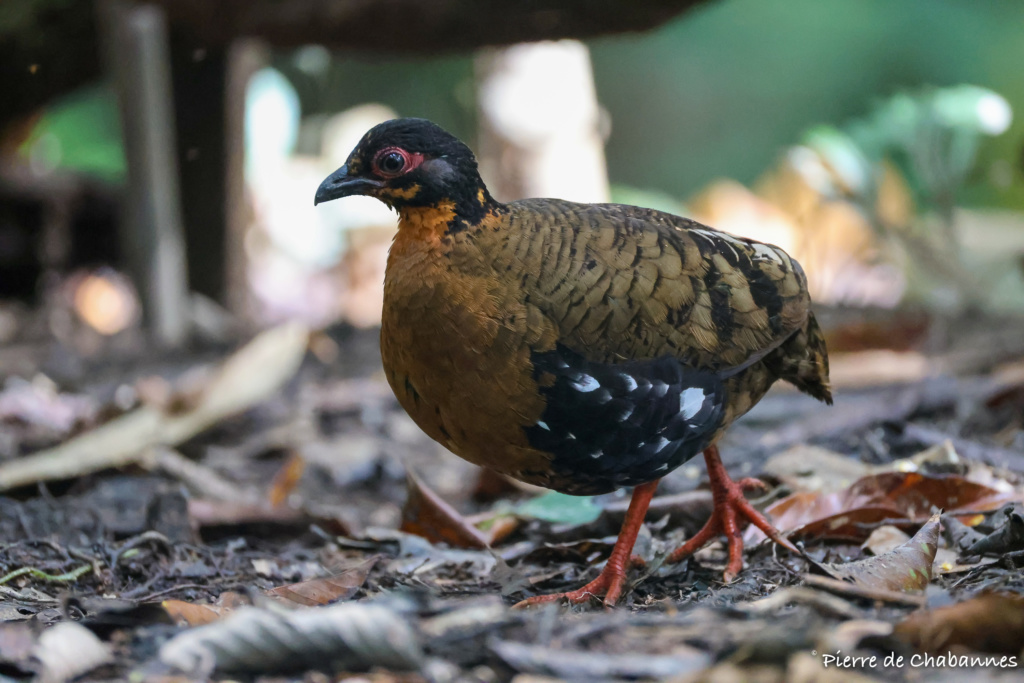
Red-breasted partridge (Arborophila hyperythra)
A secretive but beautiful partridge, endemic to the montane forests of the northern half of Borneo.
Context
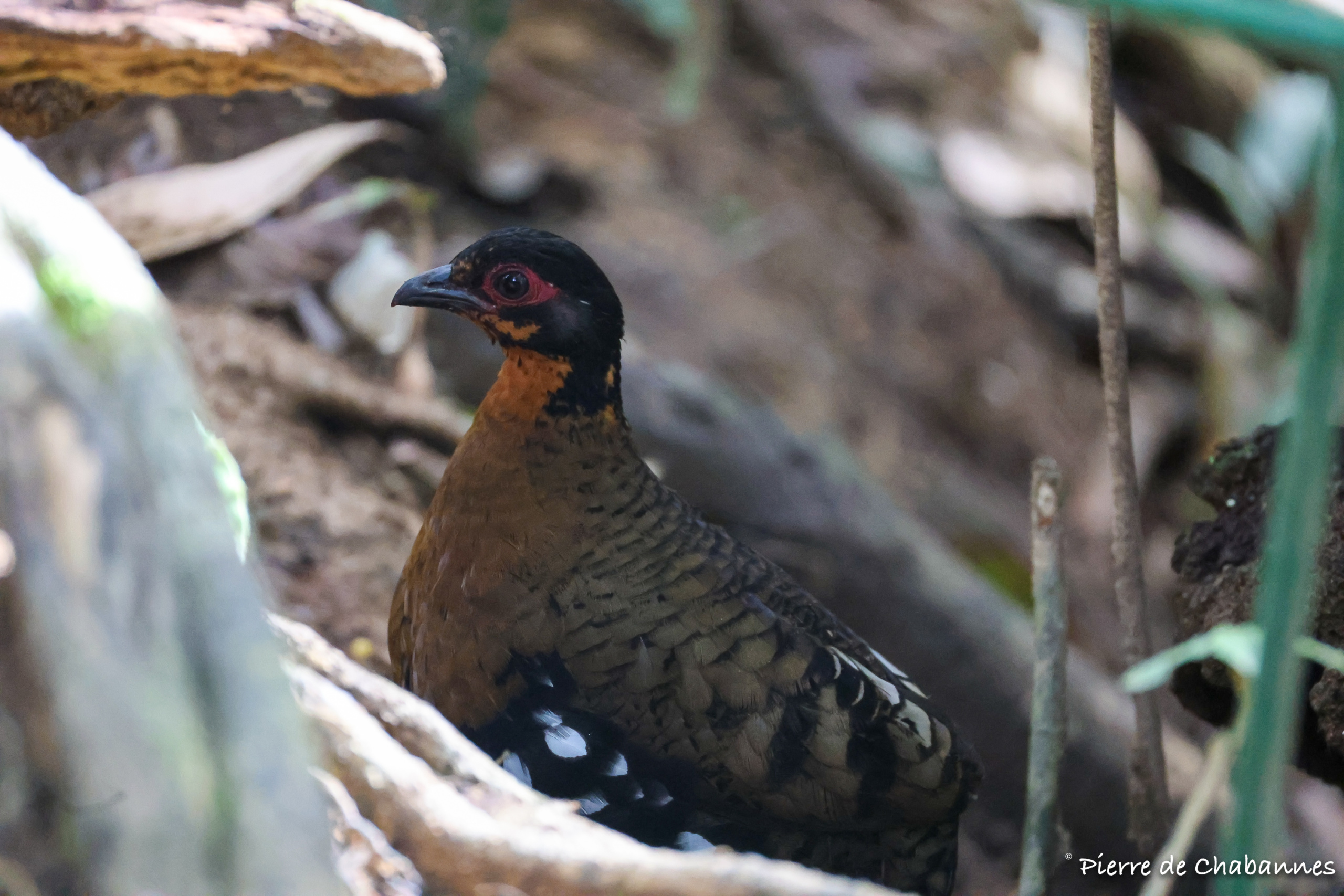
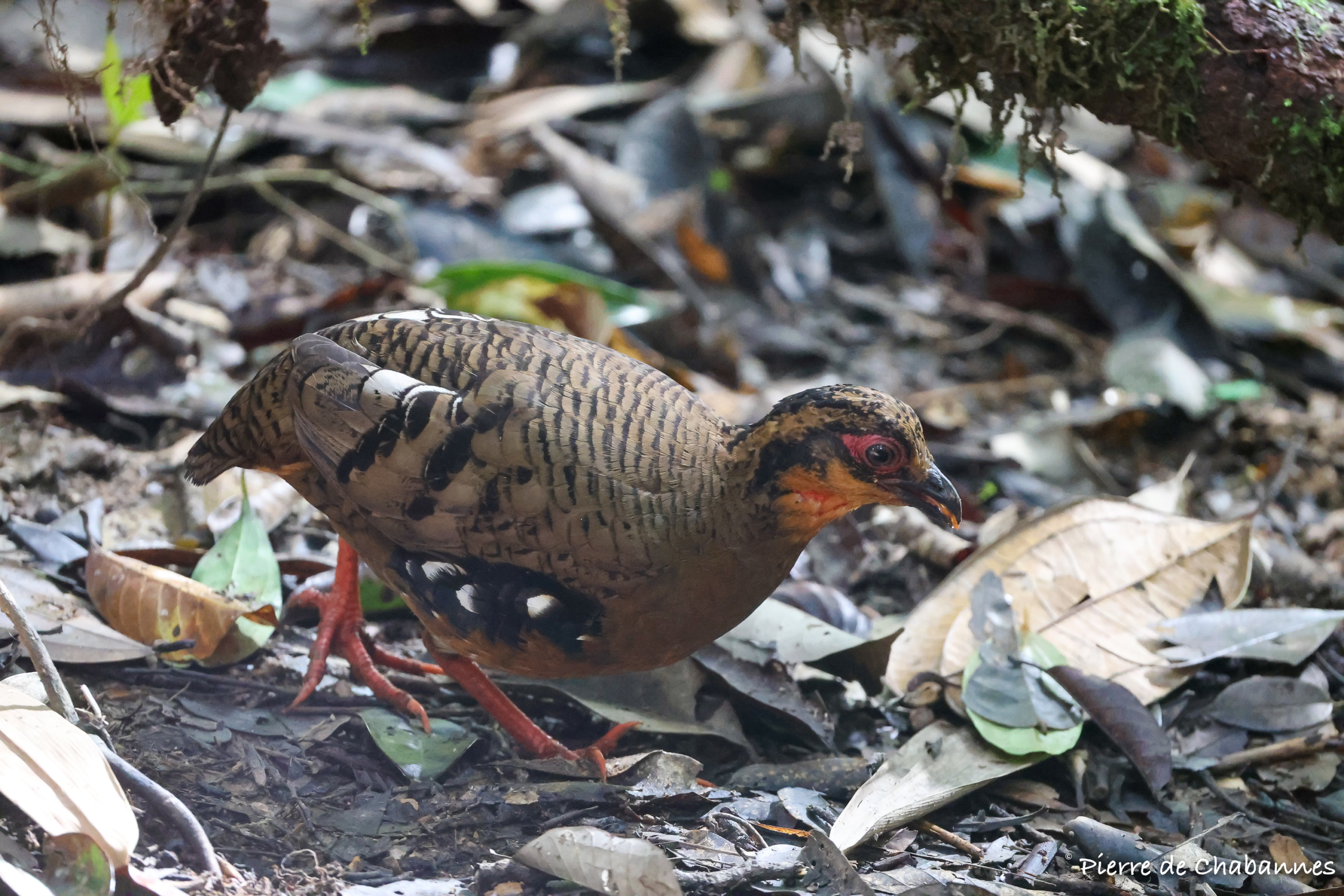
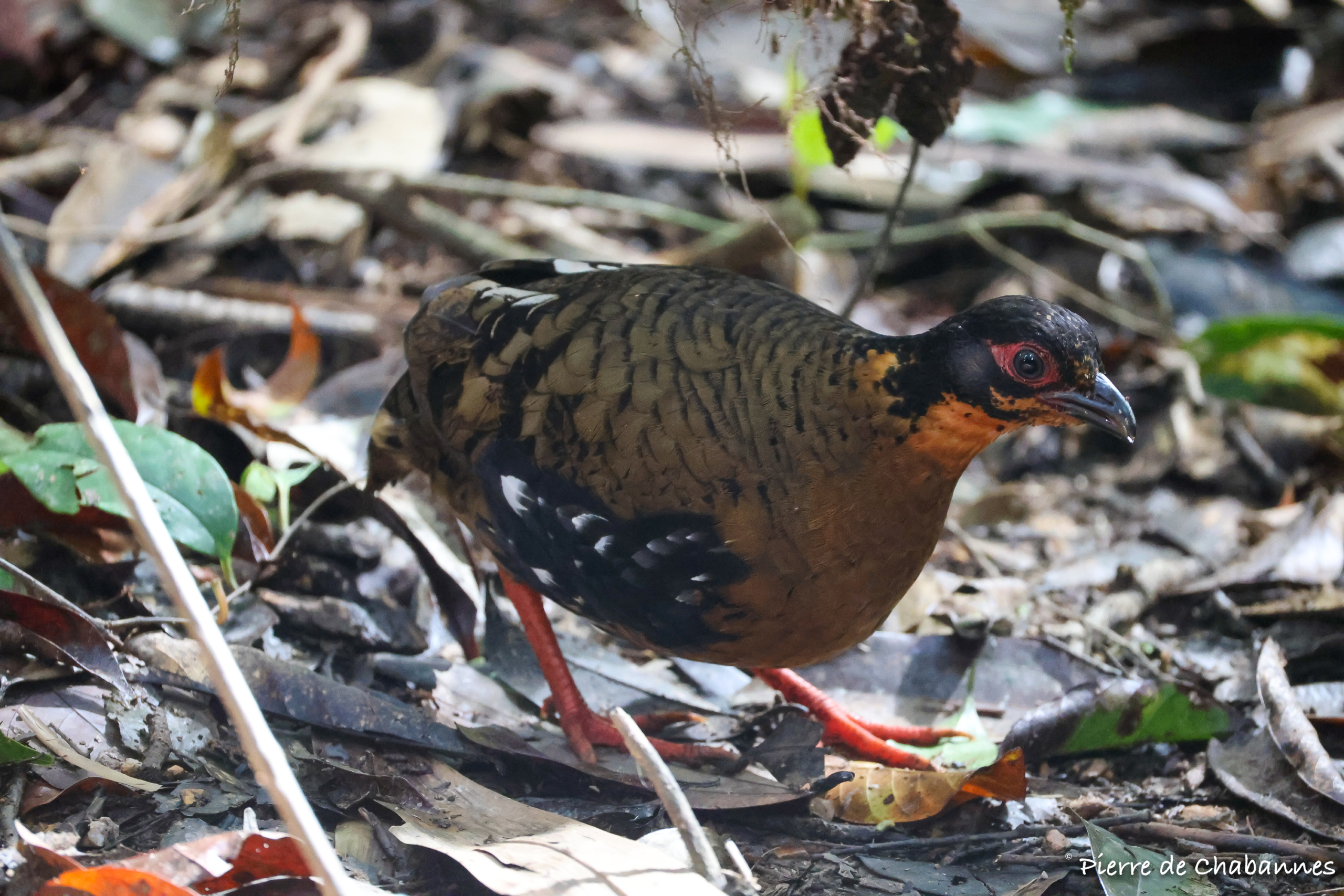
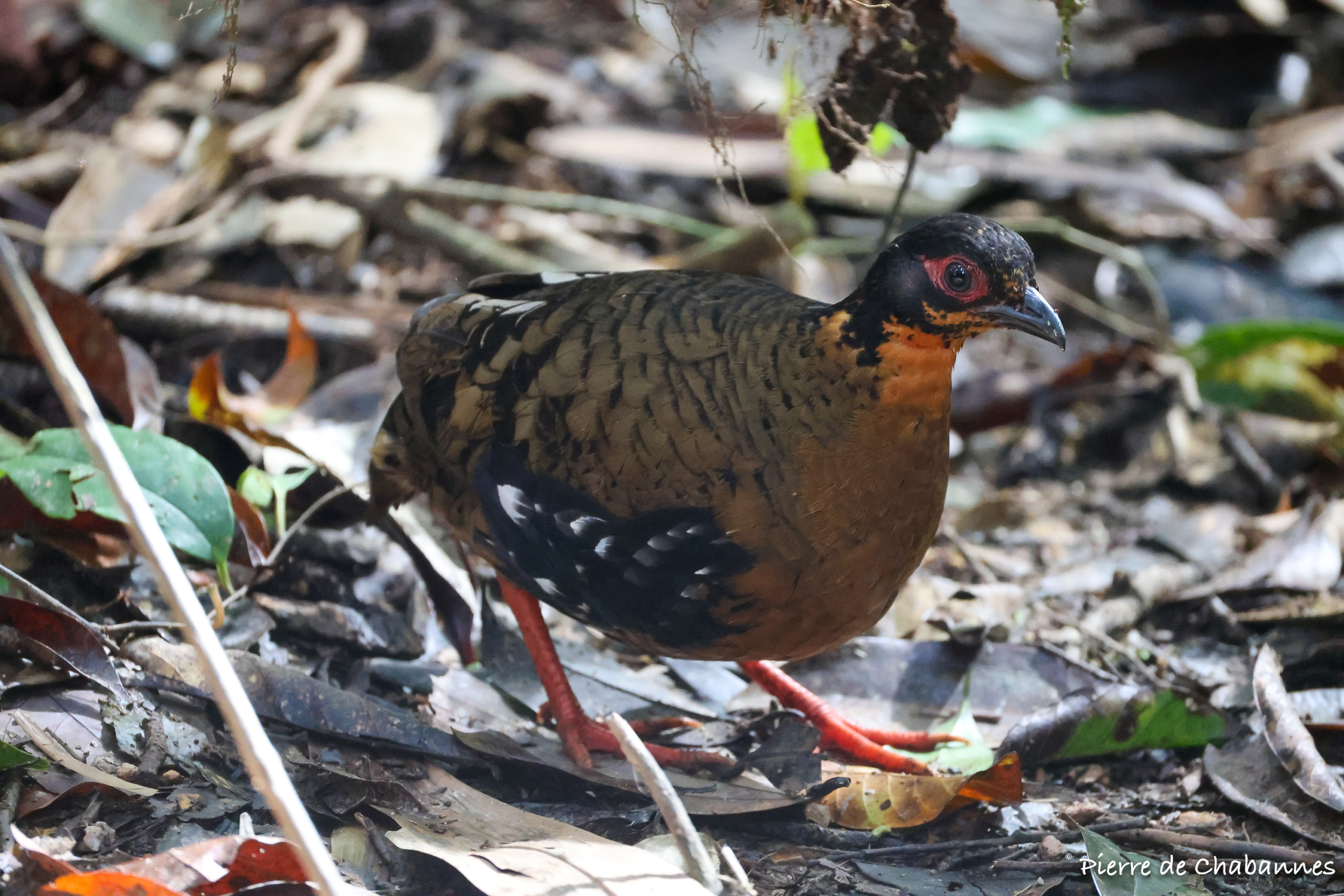
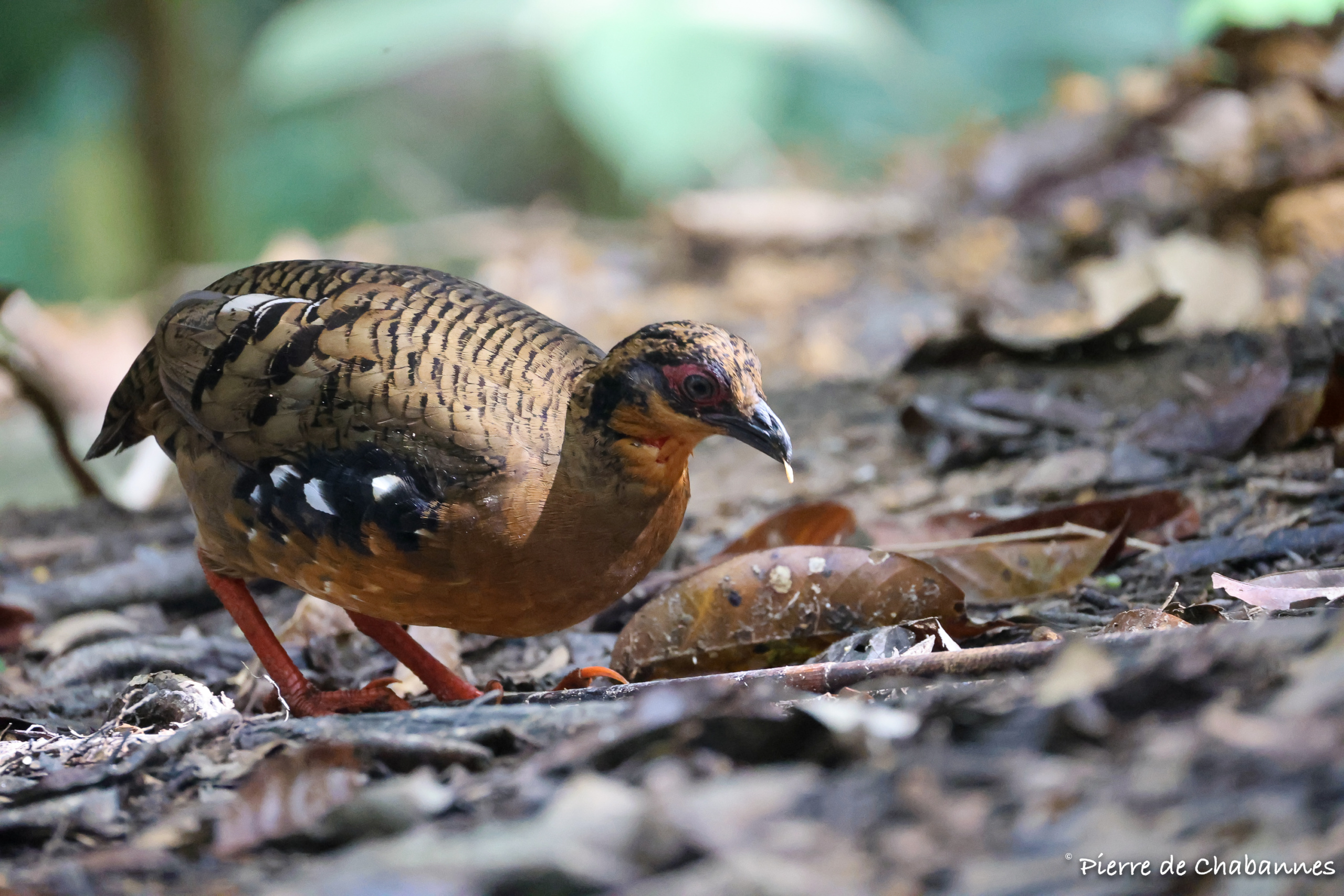
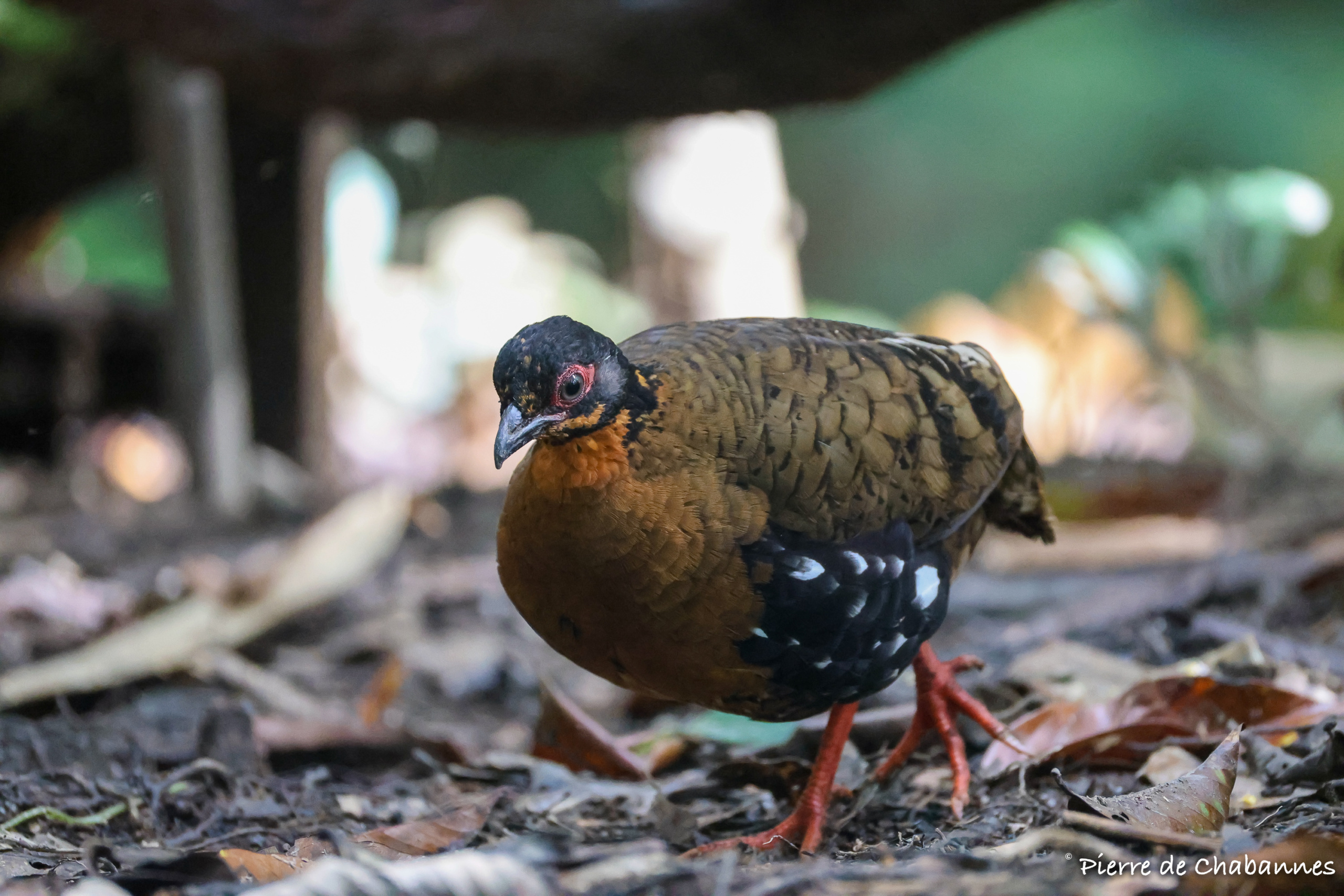
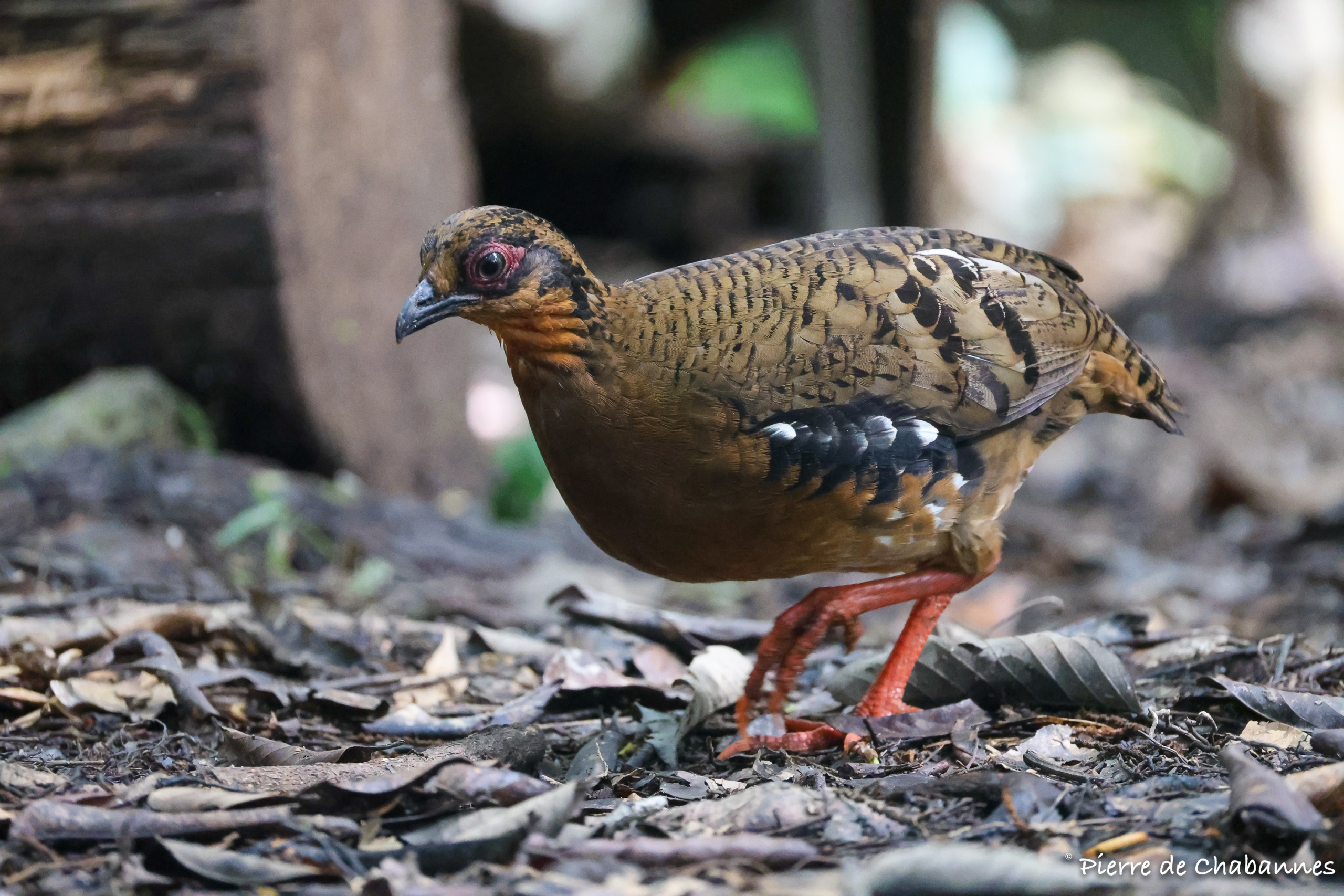
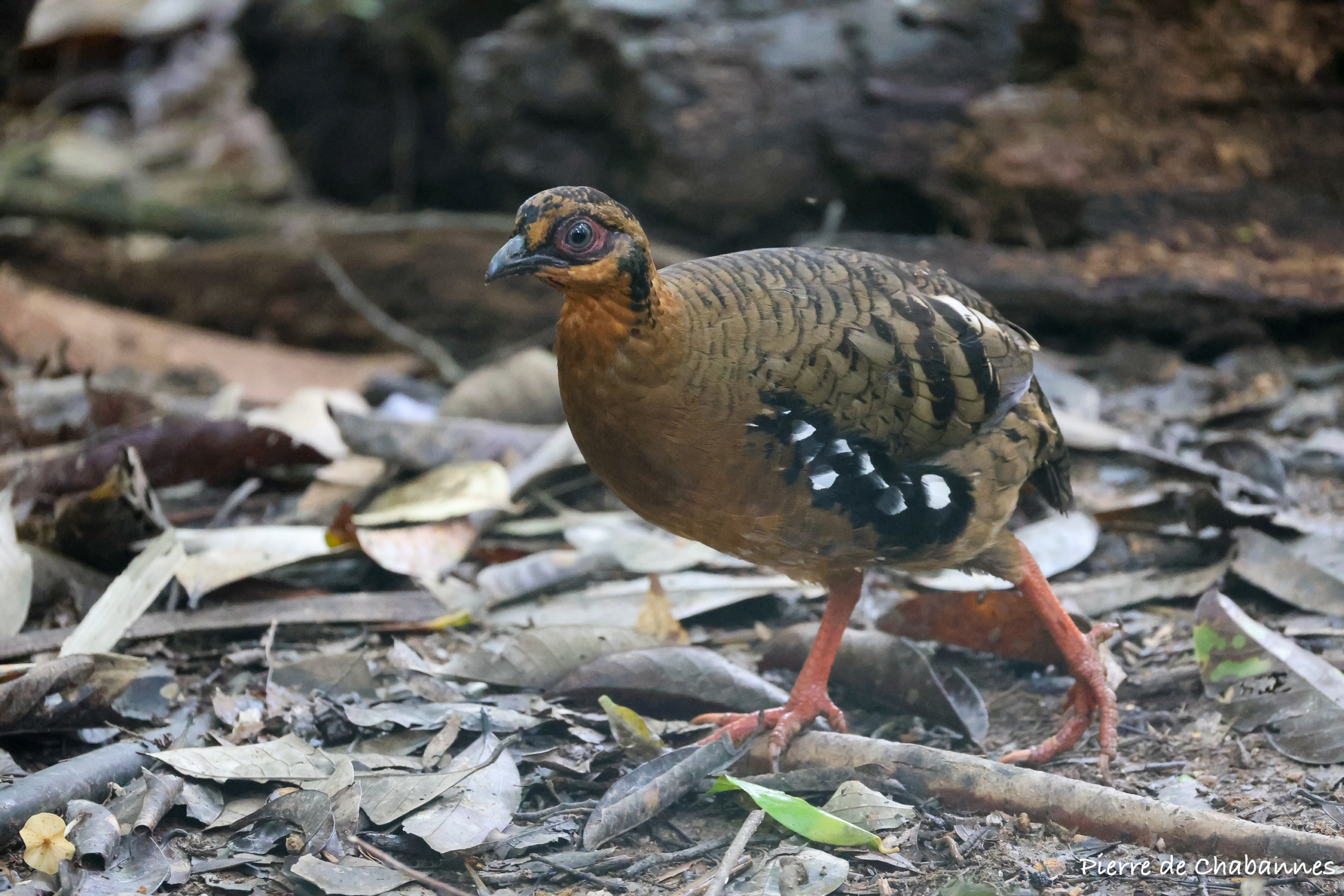
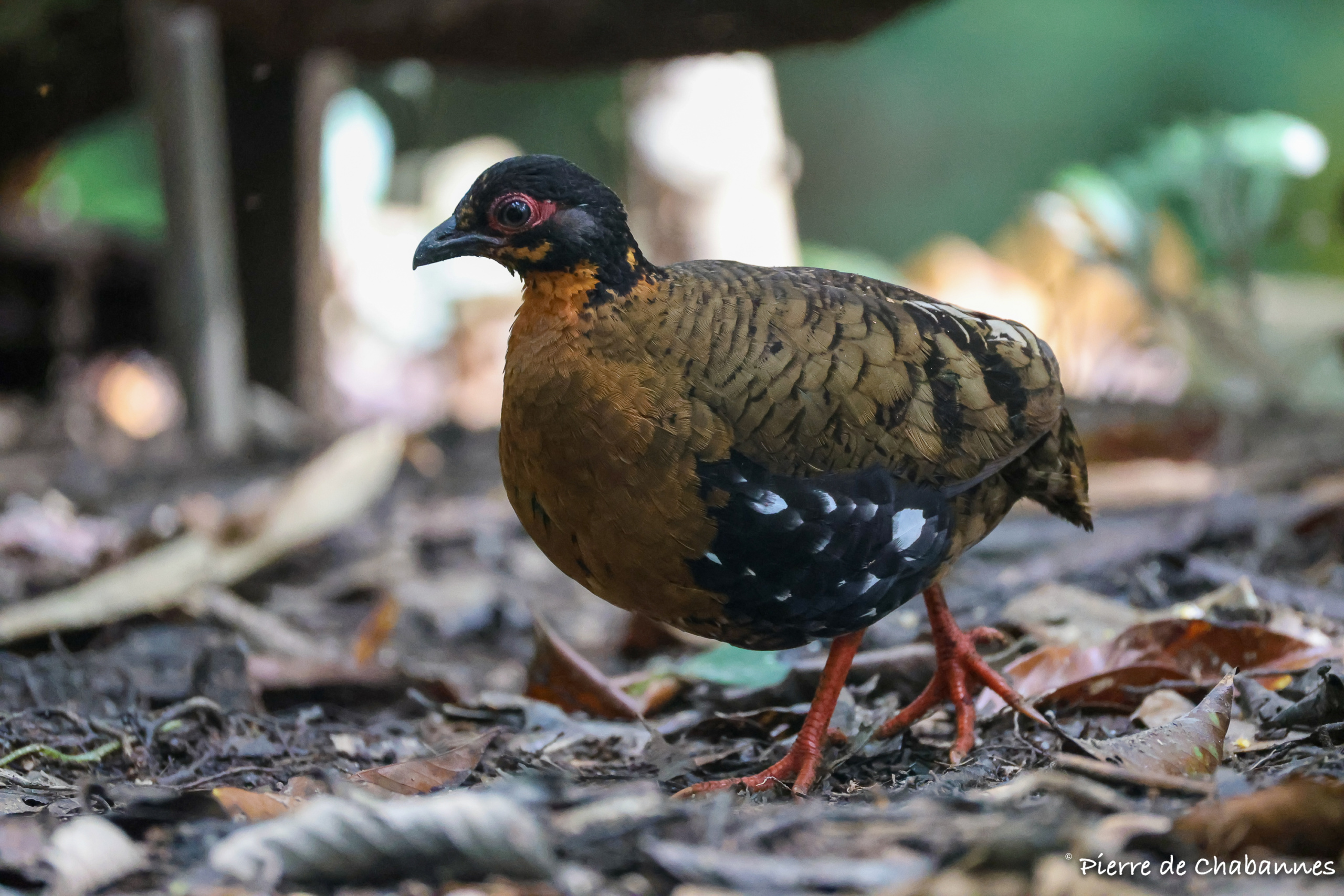
A breeding pair and three additional individuals photographed foraging on the forest floor at Trusmadi CP Song bird hide in Sabah (Malaysia), scratching through leaf litter and feeding on worms and insect larvae.
Field notes
Bird hides are now the most reliable way to observe partridges and pheasants for prolonged periods and get good photographic and video opportunities. Mt Trusmadi bird hide, maintained by CP. Song is currently the best place to reliably photograph this species.
Like most partridges of the genus Arborophila, the red-breasted partridge spends most of its life on the forest floor, moving through dense vegetation while scratching through leaf litter and turning over fallen leaves in search of food.
The species is often heard before being seen, producing characteristic whistles that echo through the montane forests of Kinabalu, Trusmadi and nearby mountain ranges.
Key facts
This species is a montane forest specialist, occurring from submontane forests at 600 m asl all the way to high mountain forests at 3050 meters asl. It is found in both primary and secondary forests.
The species is easily recognized by its rich orange breast. Head coloration is highly variable, ranging from orange with a dark crown and eye stripe to almost entirely black. This variation occurs in both sexes and does not appear to be linked to sexual dimorphism.
The species is associated with bamboo thickets in forests. It feeds on all kinds of small invertebrates, acorns, berries, seeds and fruits. It forages mostly in pairs or small groups.
Conservation
The species is currently listed as Least Concern on the IUCN Red List and remains locally common in suitable montane habitats.
It was previously considered vulnerable because it was known from only nine locations and so rarely observed, until the mid 1990s.
The species currently appears relatively secure as it occurs in many protected areas within its range. However habitat degradation (logging, deforestation) is likely causing local declines in populations.
More photos from this observation
Other species from Borneo can be found by browsing my Education resources.
Back to Borneo hides ←Previous species Next species →
“A long-term project documenting biodiversity across the world through fieldwork, zoological observations and educational content.”