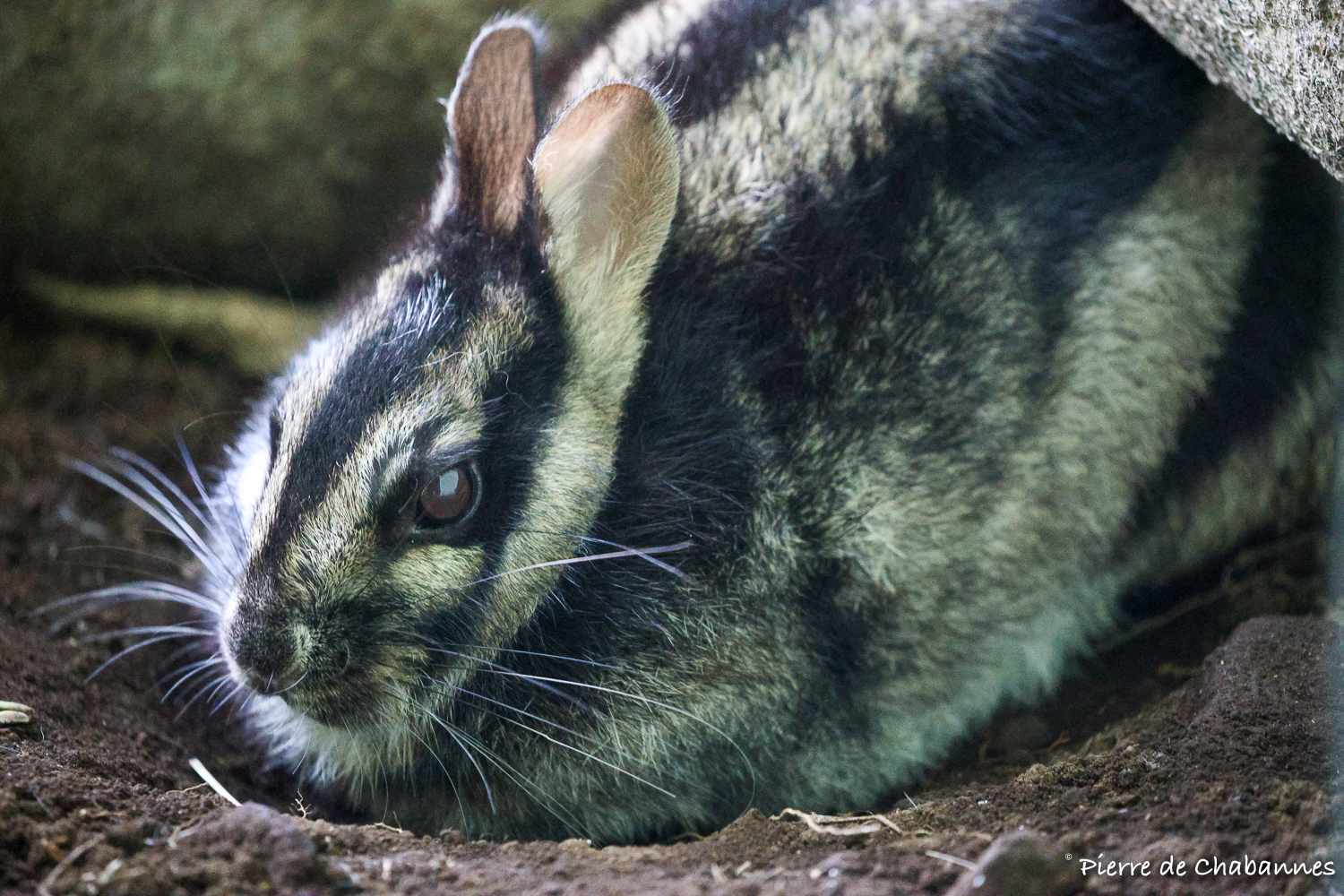
Sumatran striped rabbit (Nesolagus netscheri)
One of the world’s most mysterious mammals, with very little known about its biology or conservation status.
Context
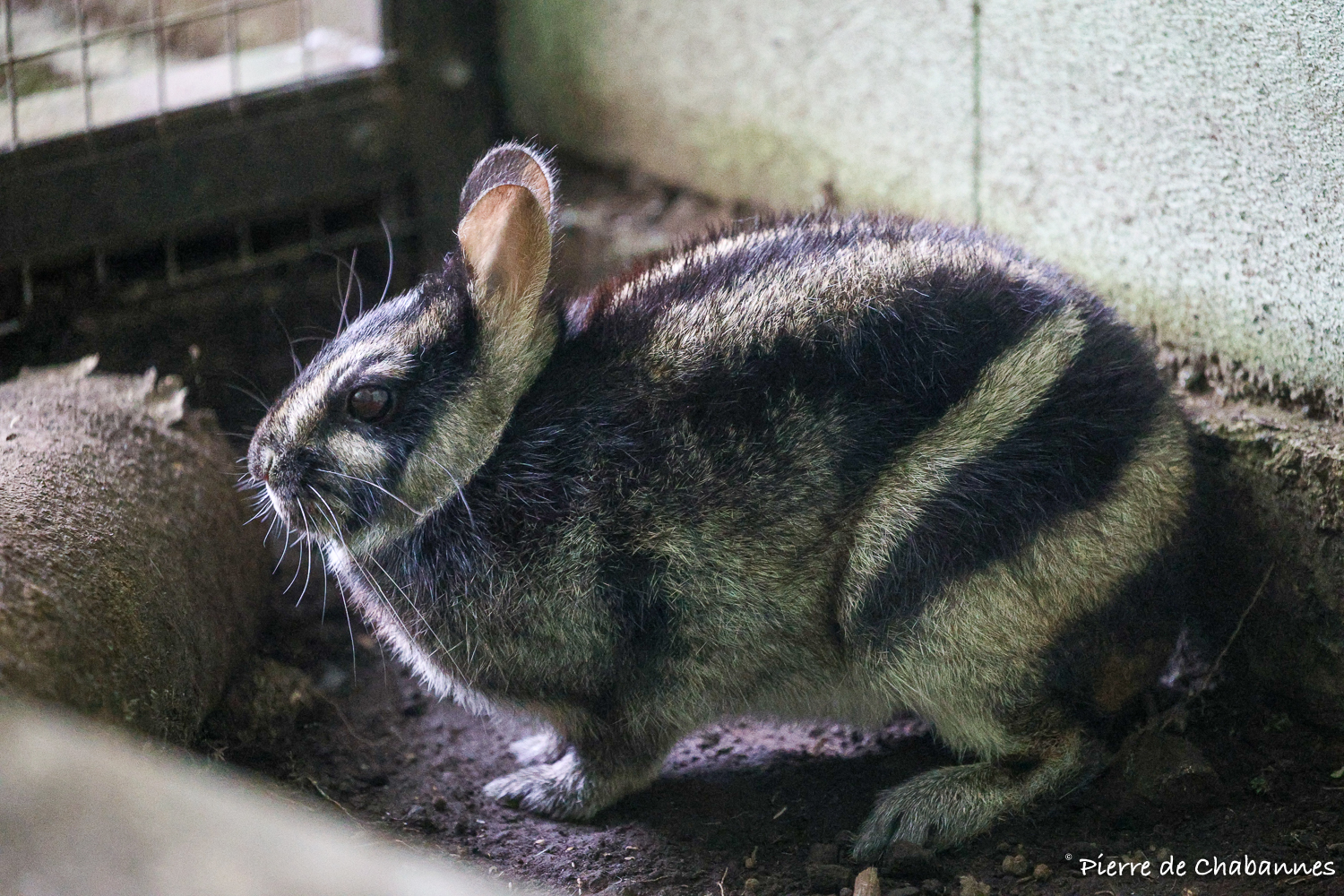
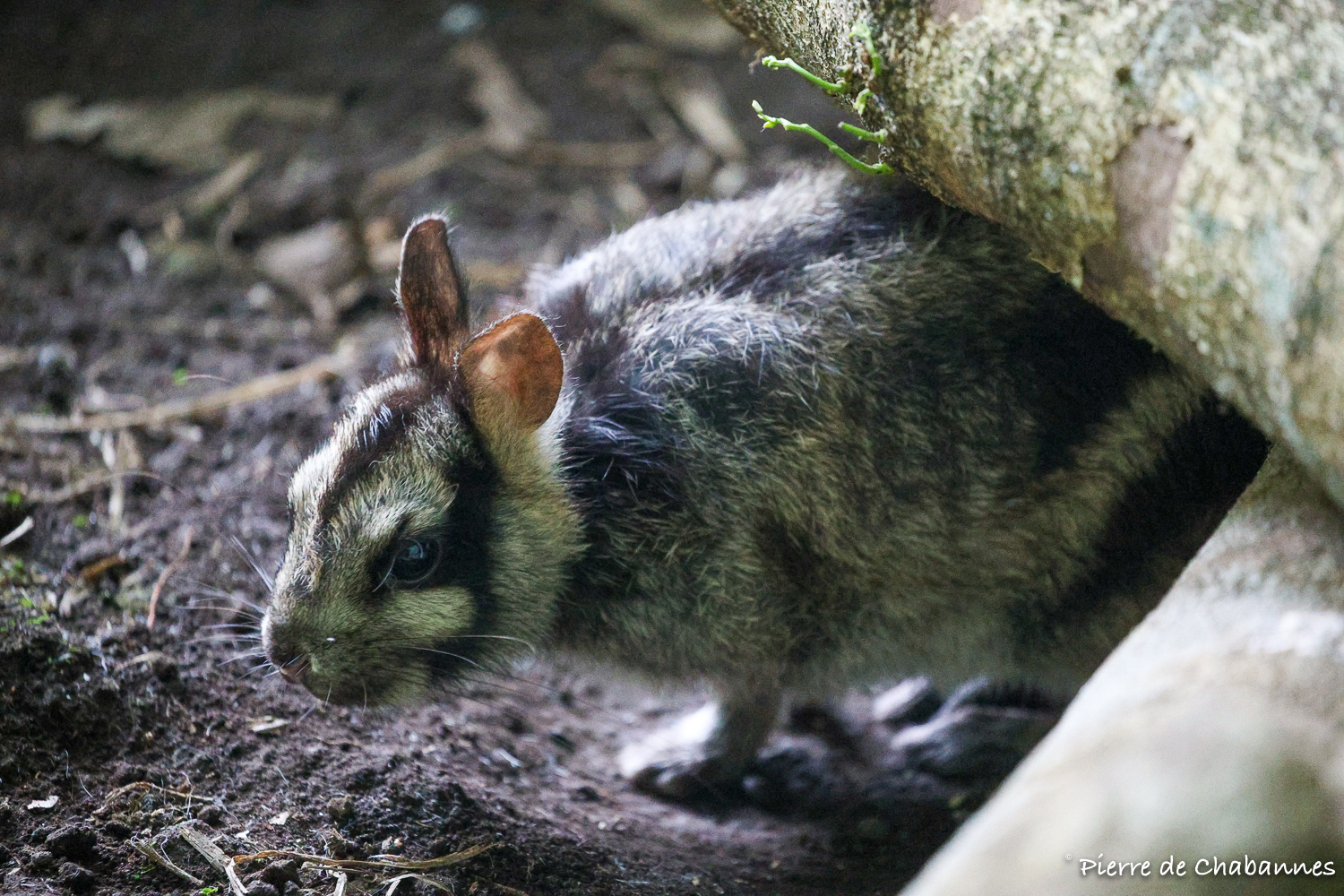
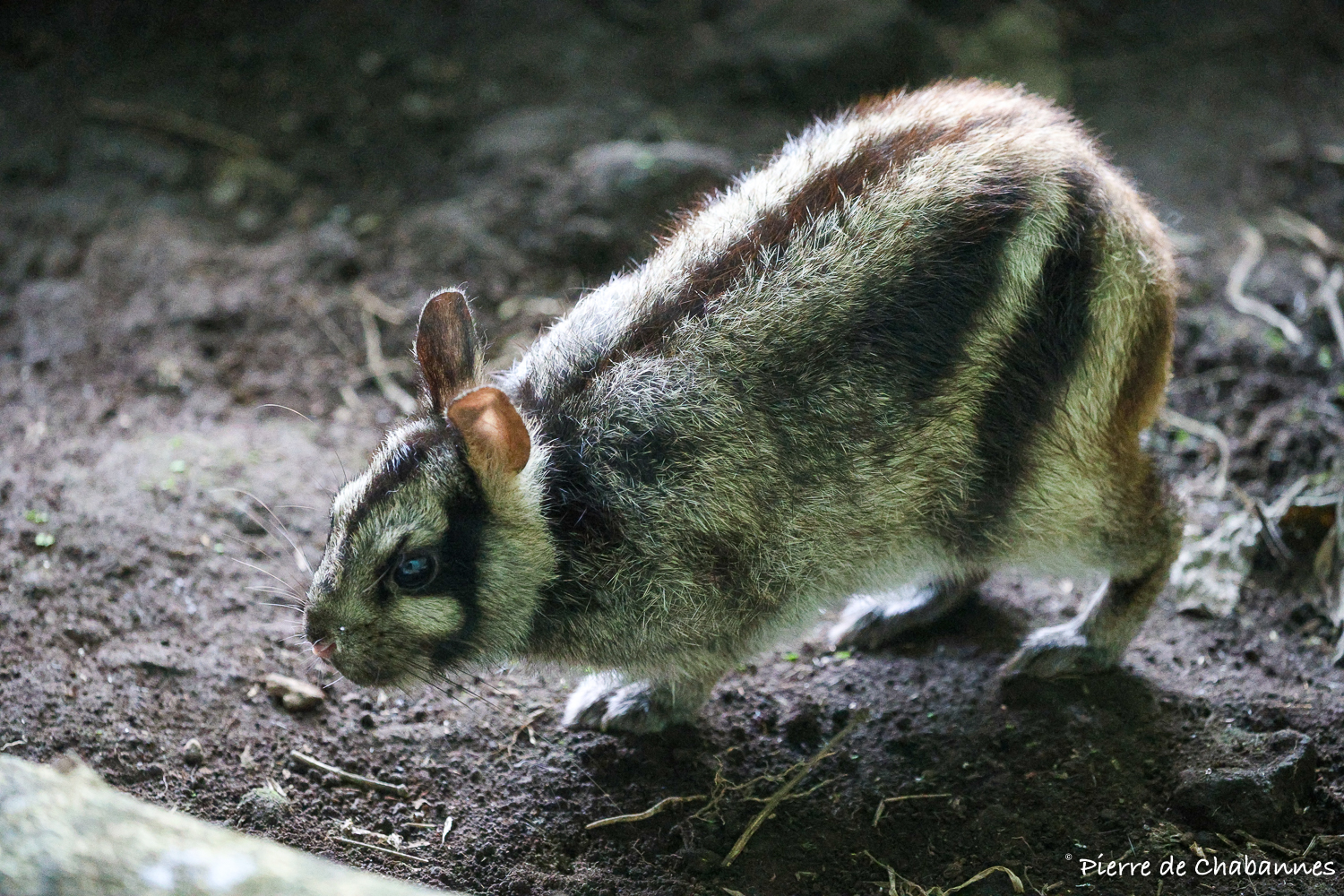
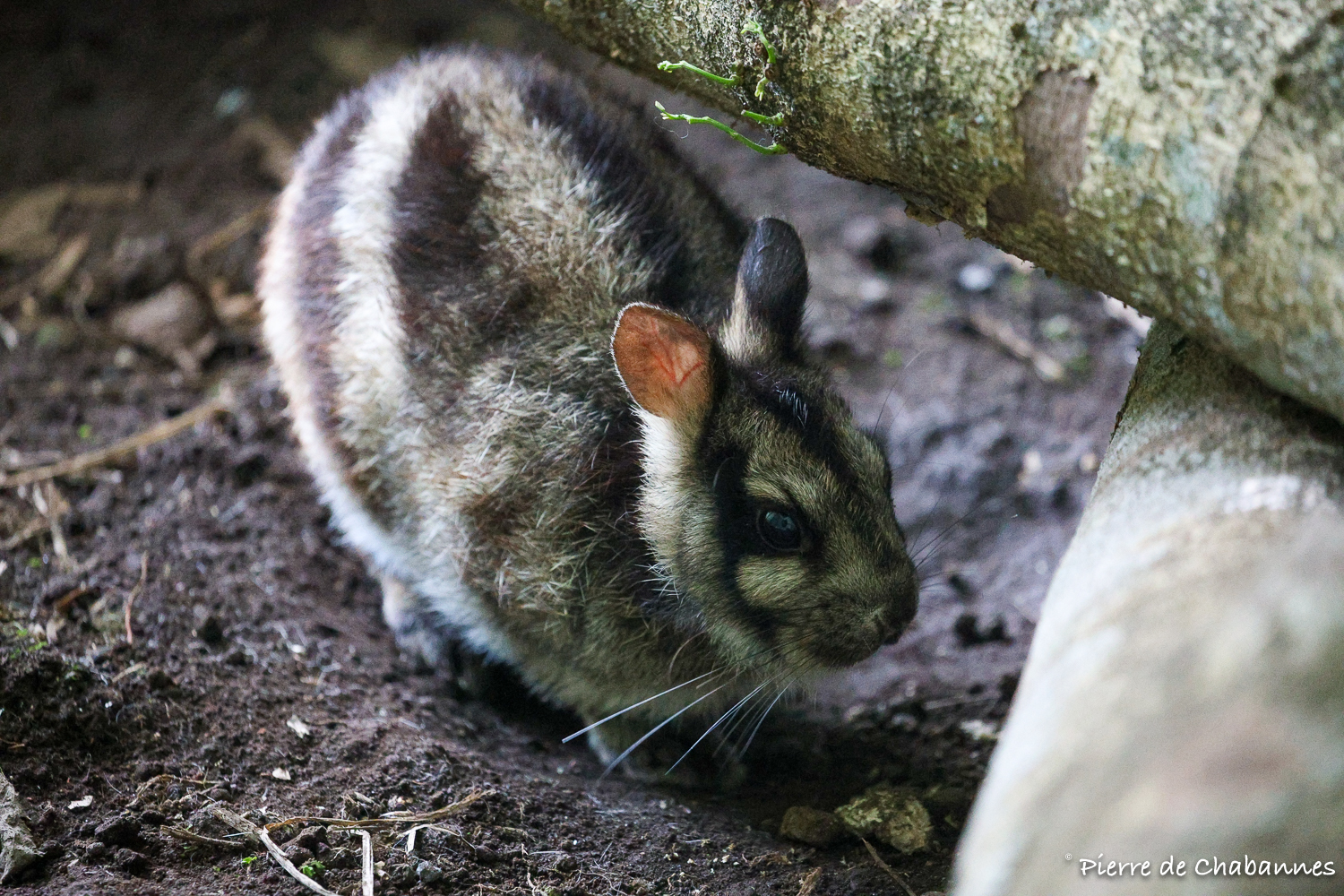
Three Sumatran striped rabbits rescued from the pet trade and maintained at the Prigen Conservation Breeding Ark (PCBA), Indonesia.
Field notes
Sumatran striped rabbits are occasionally caught for the pet trade, but they have historically failed to survive under human care, with little understanding of the causes. The three adult individuals transferred to PCBA are the first known to have successfully adapted, surviving under human care for three years now.
Two of the individuals remain extremely sensitive and tend to hide even from their keepers, while the male has become noticeably more tolerant over time. This suggests that, with appropriate conditions, time, and careful management, future rescues may have a higher chance of success.
I was extremely fortunate to photograph these individuals at PCBA. The work carried out by this conservation center has now led to a major breakthrough: for the first time, the species has successfully bred under human care in 2025, with healthy juveniles currently developing.
Key facts
Sumatran striped rabbits are restricted to dense montane forests and are known from only two distinct regions on Sumatra. The only other species in the genus occurs in similar habitats in Vietnam.
This species is primarily nocturnal, with most records coming from camera trap observations at night. Its diet remains poorly understood, although observations show it does not readily consume cultivated fruits or vegetables.
Conservation
The species is currently listed as Data Deficient on the IUCN Red List, with no reliable population estimates available. Its habitat is partially protected, notably within Gunung Leuser National Park, but remains fragmented, and the species is still threatened by opportunistic capture due to its rarity.
The captive breeding program established at PCBA currently represents the only effort to improve knowledge of the species and will play a key role in its long-term conservation.
More photos from this observation
Other species with zoo conservation programs can be found by browsing
my Education resources.
Back to Zoo Conservation Next Species →
“A long-term project documenting biodiversity across the world through fieldwork, zoological observations and educational content.”