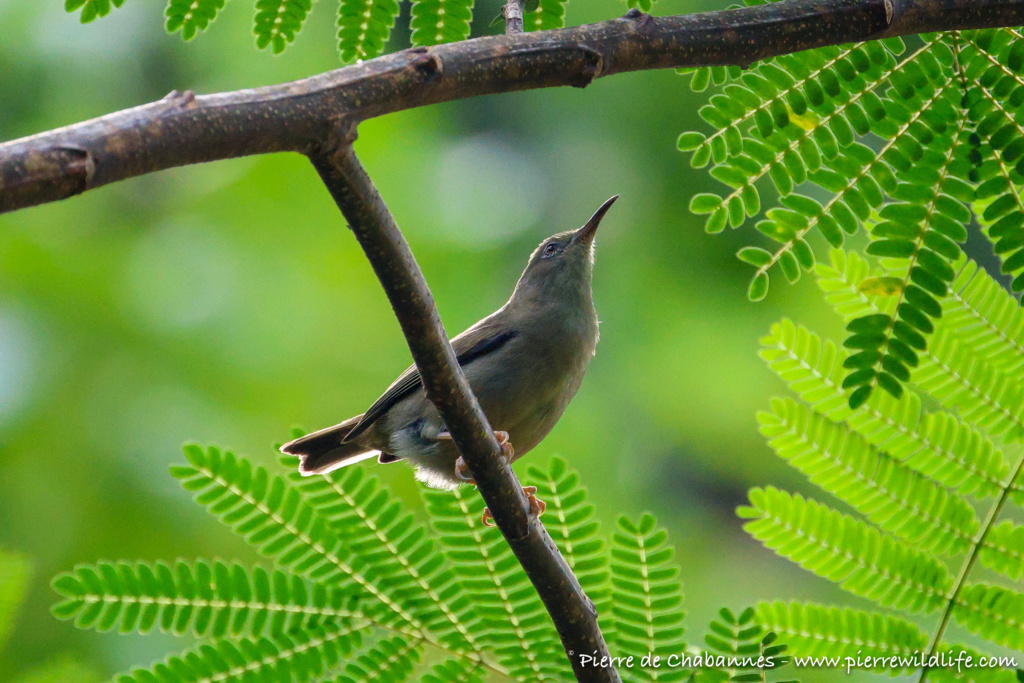
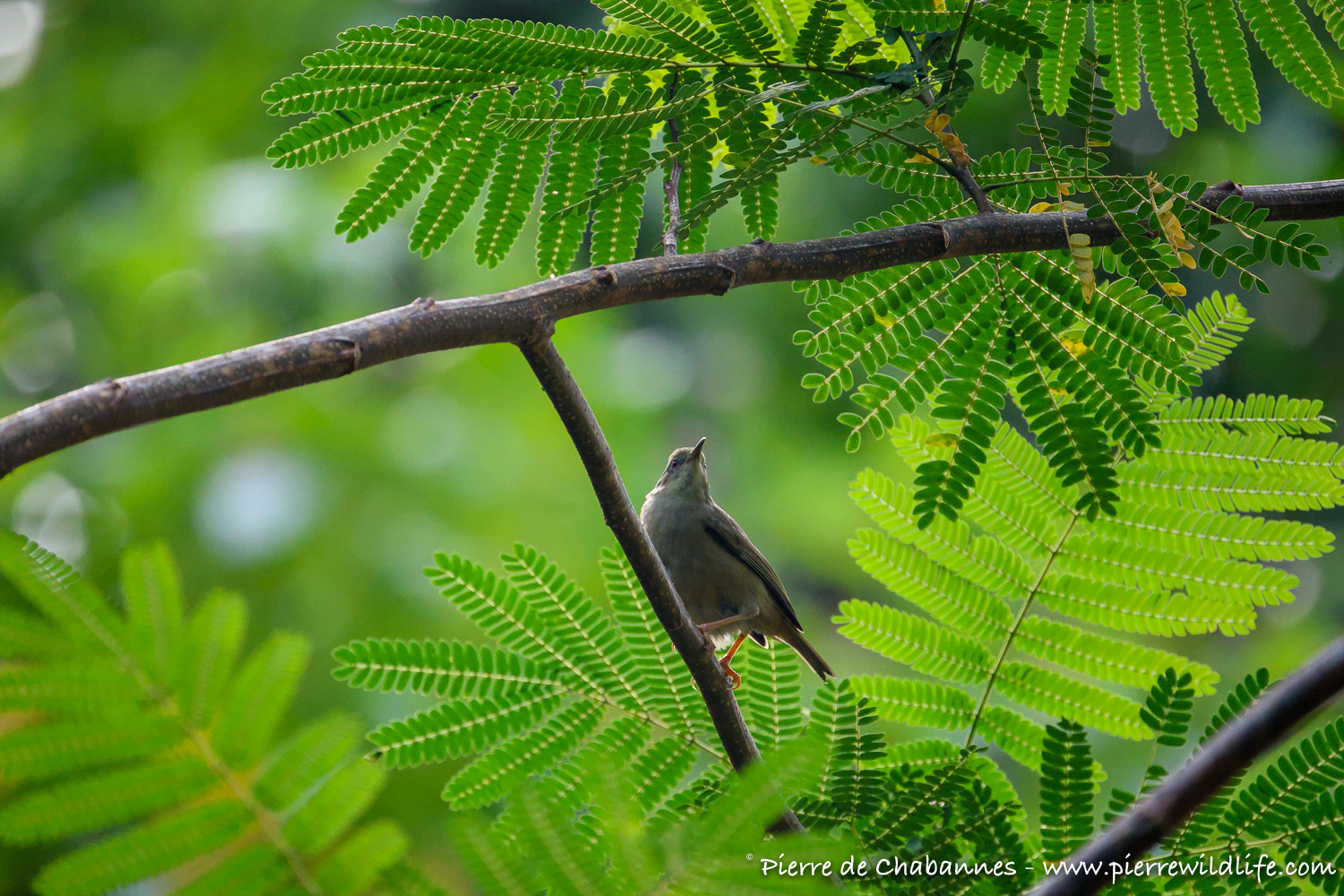
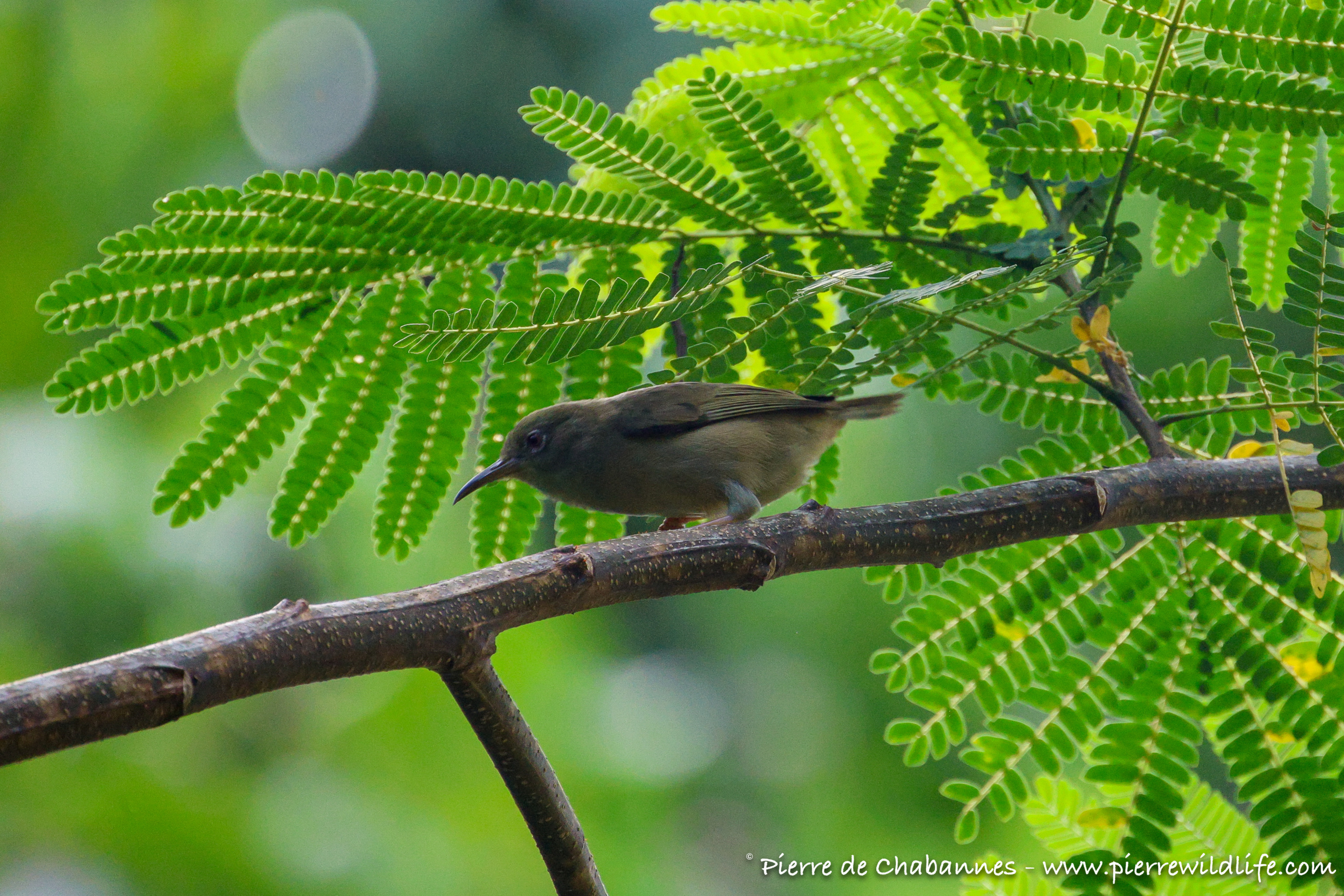
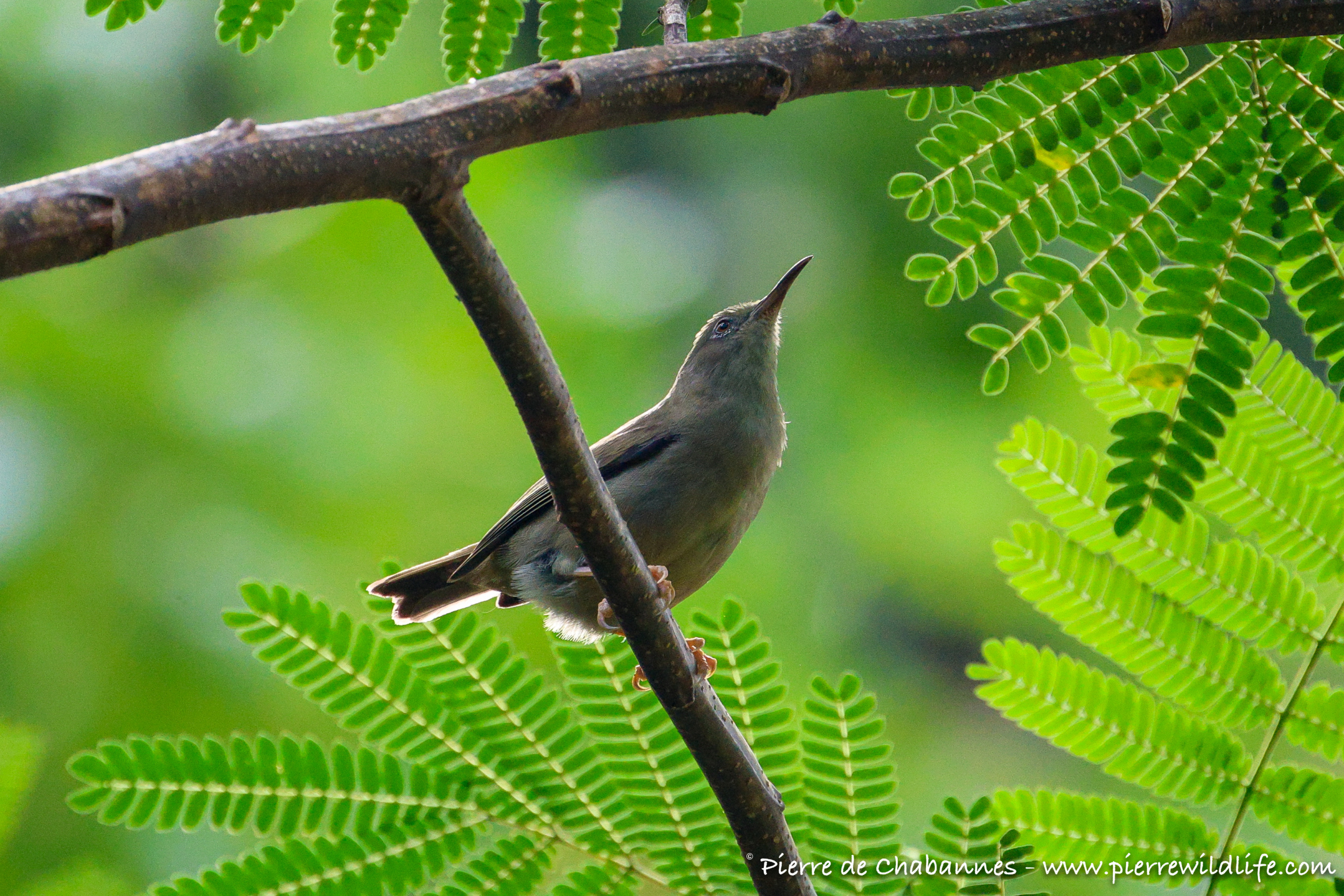
Long-billed white-eye (Rukia longirostra)
A little-known island endemic from Pohnpei, remarkable for its unusually long bill compared to other white-eye species.
Context
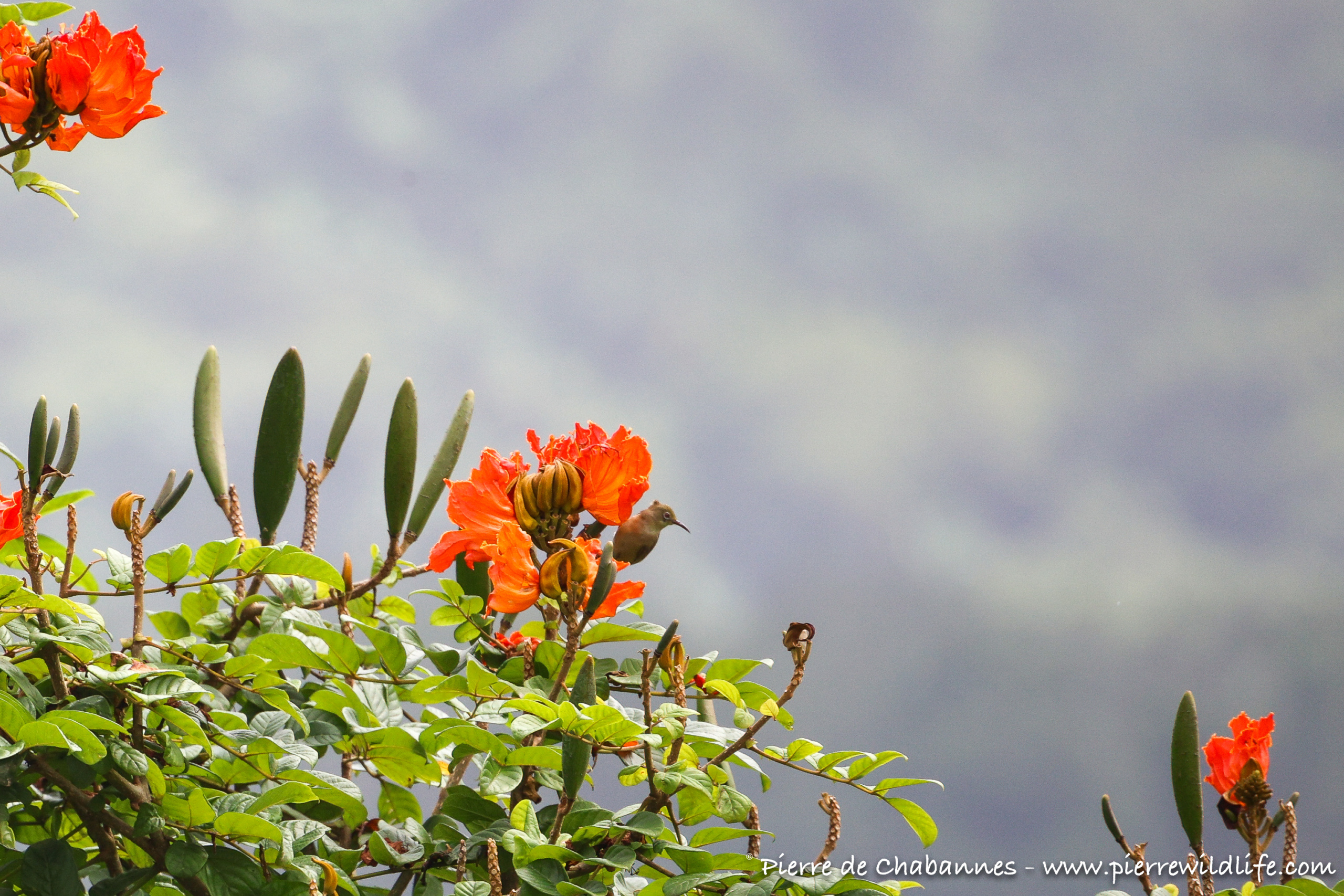
Two small groups (approximately four individuals each) were observed near a flowering tree close to Liduduhniap Falls, at roughly 500 m asl.
Field notes
This species is highly active and constantly moving, making prolonged observations difficult. Although widespread, it appears relatively uncommon within its preferred altitudinal range. During two days of hiking in the area, I observed only two small groups.
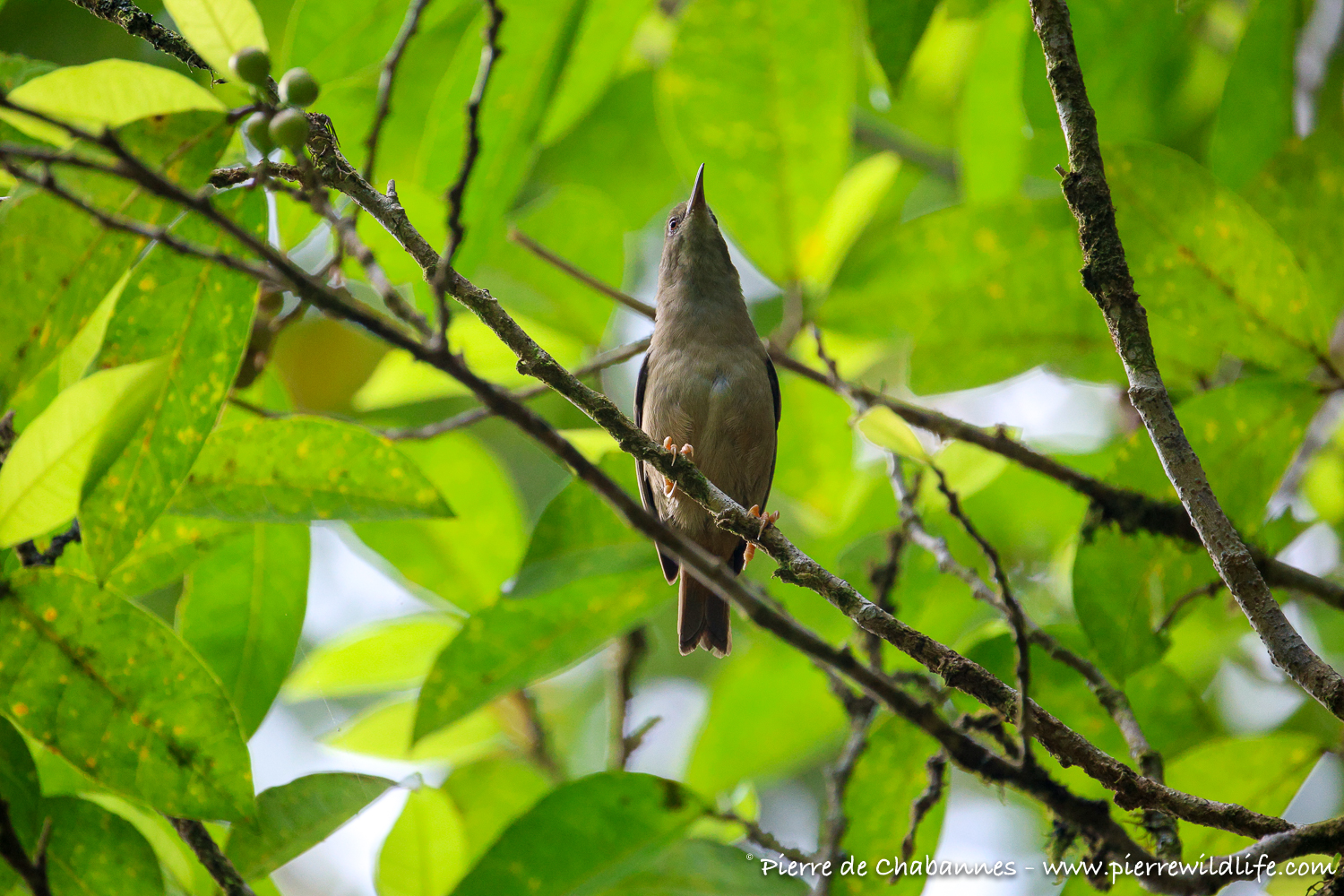
The species is not particularly vocal, and individuals usually forage in or just below the canopy within the understory, making them difficult to detect.
Flowering gum trees appeared to represent an important feeding resource or preferred foraging site. Although the species’ diet remains poorly understood, many observations of foraging individuals have been associated with these flowers.
Key facts
The long-billed white-eye is endemic to Pohnpei and belongs to a group of island white-eyes known for rapid diversification and localized evolution.
Very little is currently known about the species’ behavior, diet, breeding biology, or ecology. More broadly, many endemic bird species from Pohnpei and Micronesia remain poorly studied.
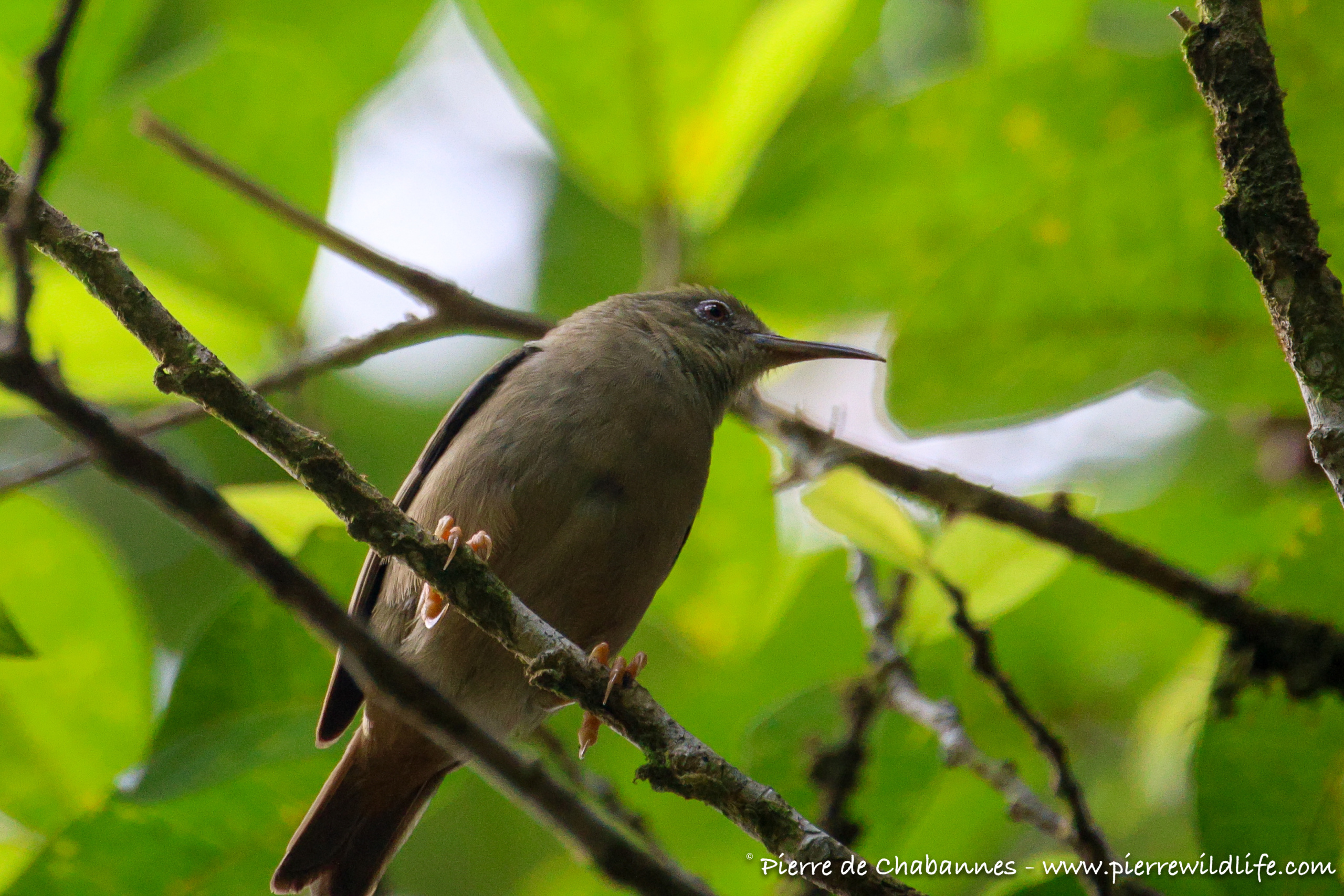
This species possesses a noticeably elongated bill, which may represent an evolutionary adaptation linked either to a more specialized diet than that of other white-eyes, or to food availability at higher elevations. Interestingly, Pohnpei also hosts a lowland white-eye species with a significantly shorter bill.
Conservation
The species is listed as Near Threatened by the IUCN Red List. Because it depends on mid- to high-elevation forests, habitat protection remains essential for its long-term survival.
Since the entire population is restricted to a single island, habitat degradation, invasive species, and environmental changes could rapidly affect the species in the future.
Additional field expeditions on Pohnpei are urgently needed to better understand the biology, ecology, and population trends of the island’s endemic fauna in order to support effective conservation measures.
More photos from this observation
Other insular species can be found by browsing my Education resources.
Back to Island life ←Previous species Next Species →
“A long-term project documenting biodiversity across the world through fieldwork, zoological observations and educational content.”