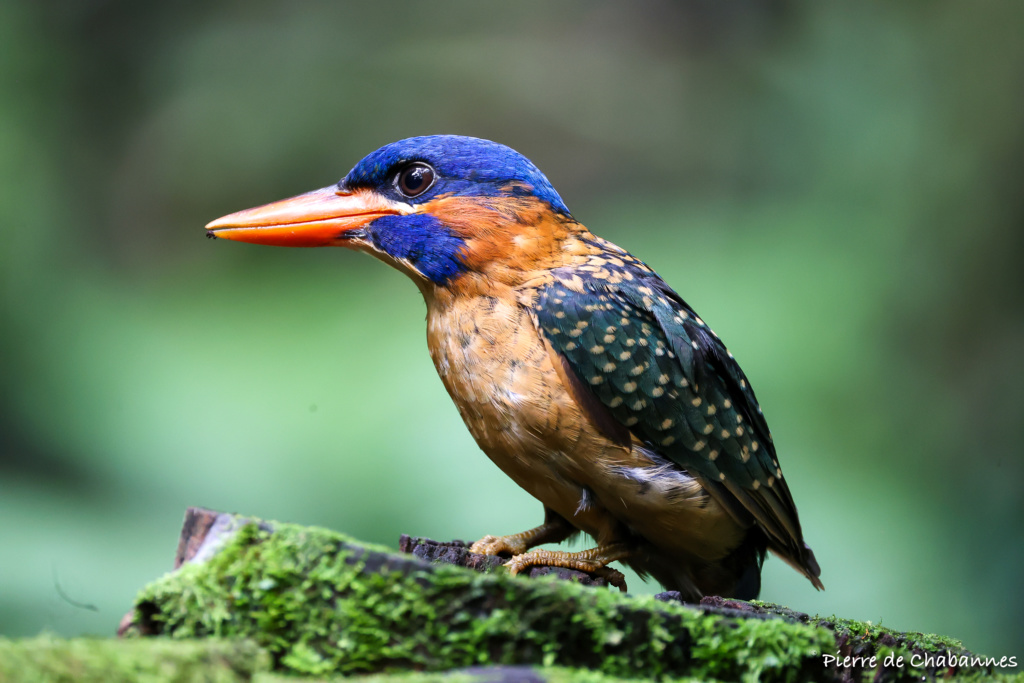
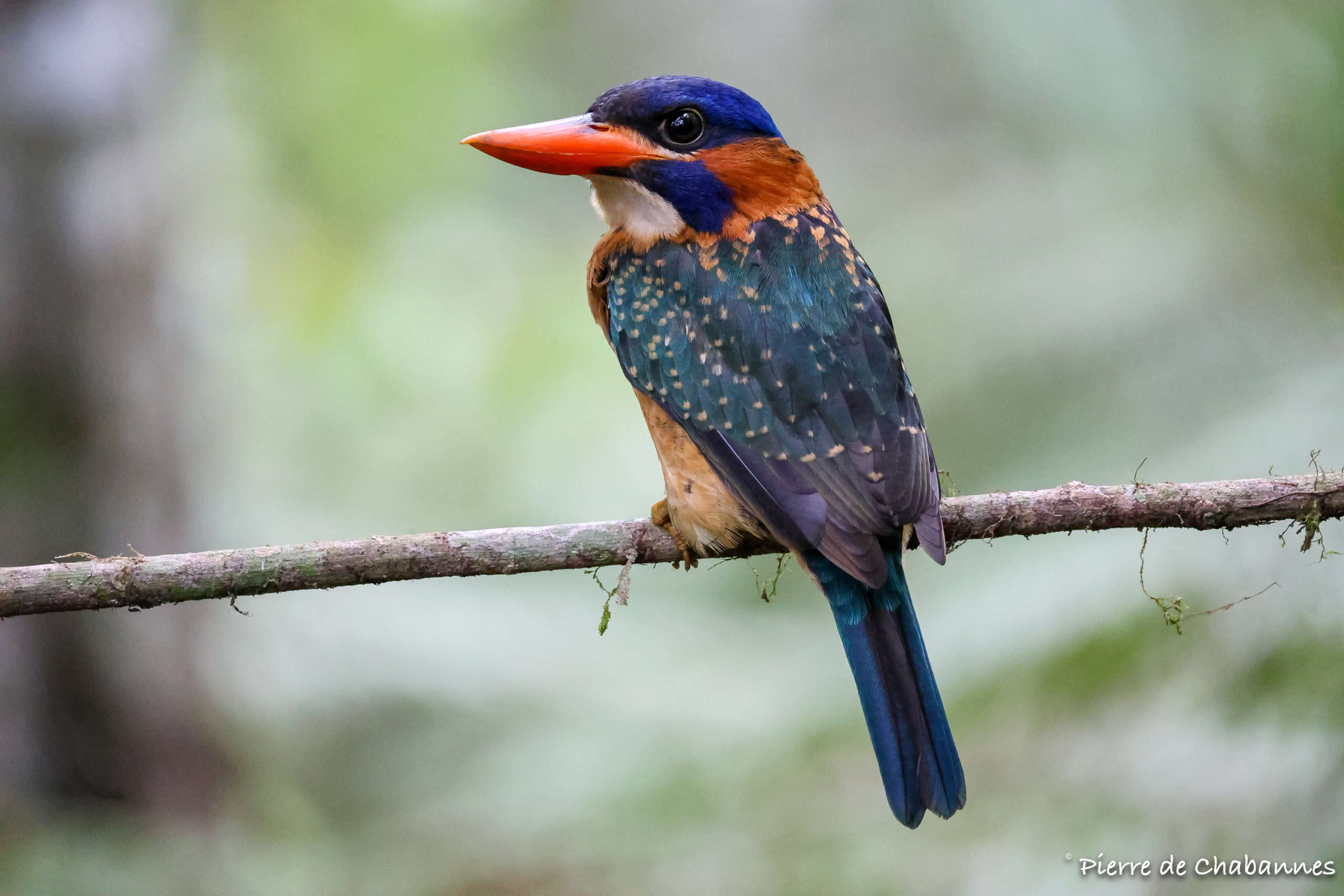
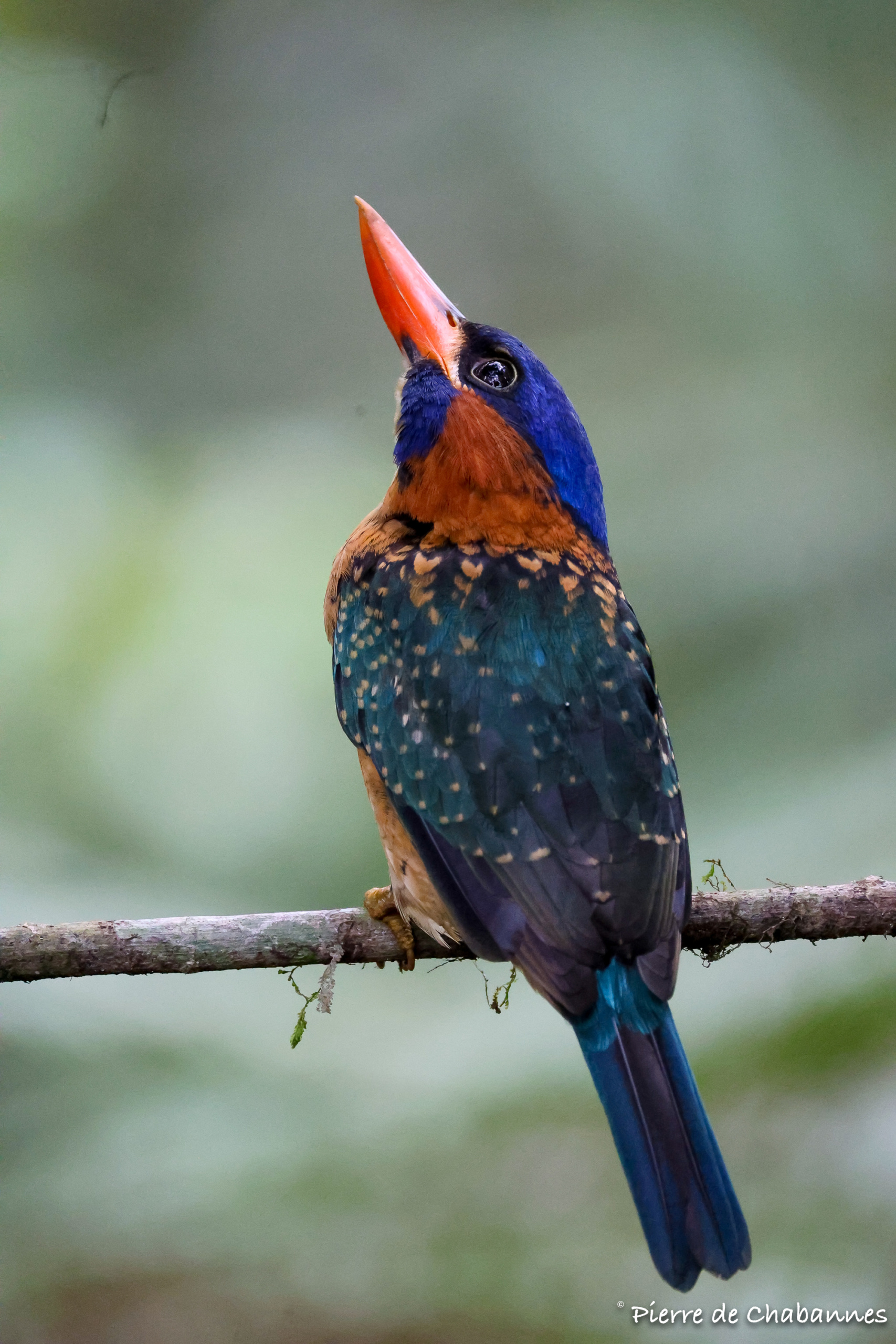
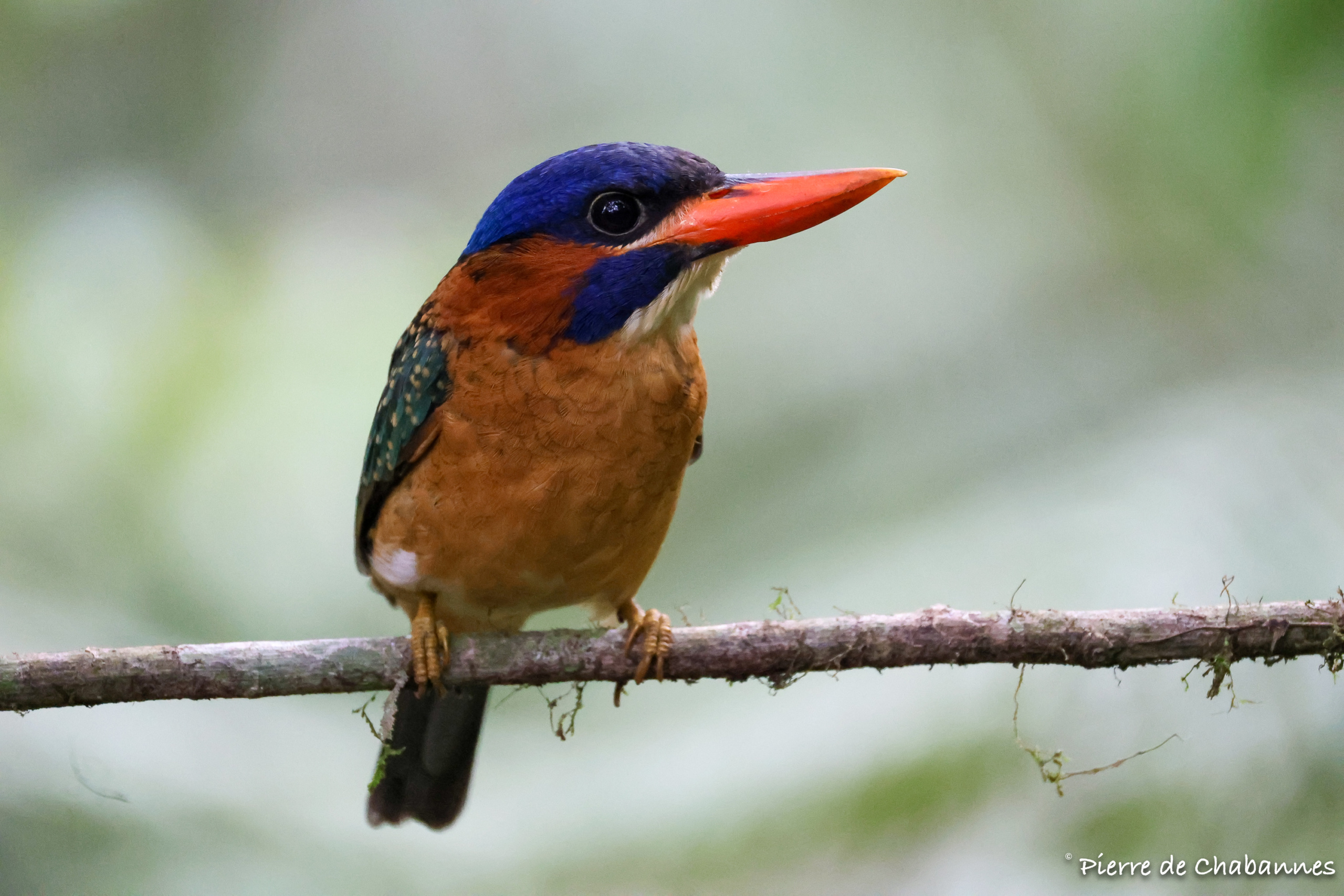
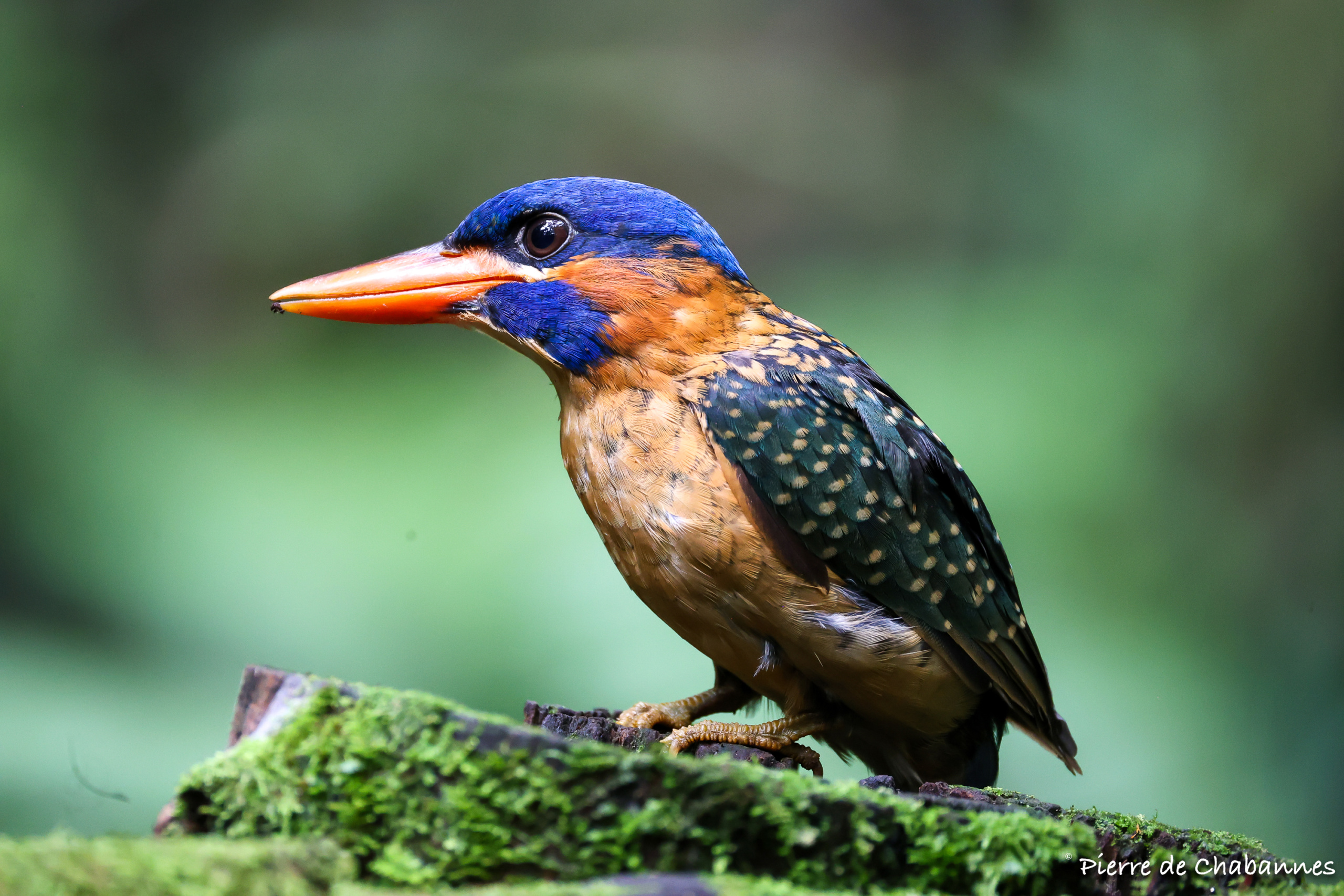
Blue-capped kingfisher (Actenoides hombroni)
A spectacular forest kingfisher endemic to Mindanao, rarely observed
despite its striking coloration.
Context
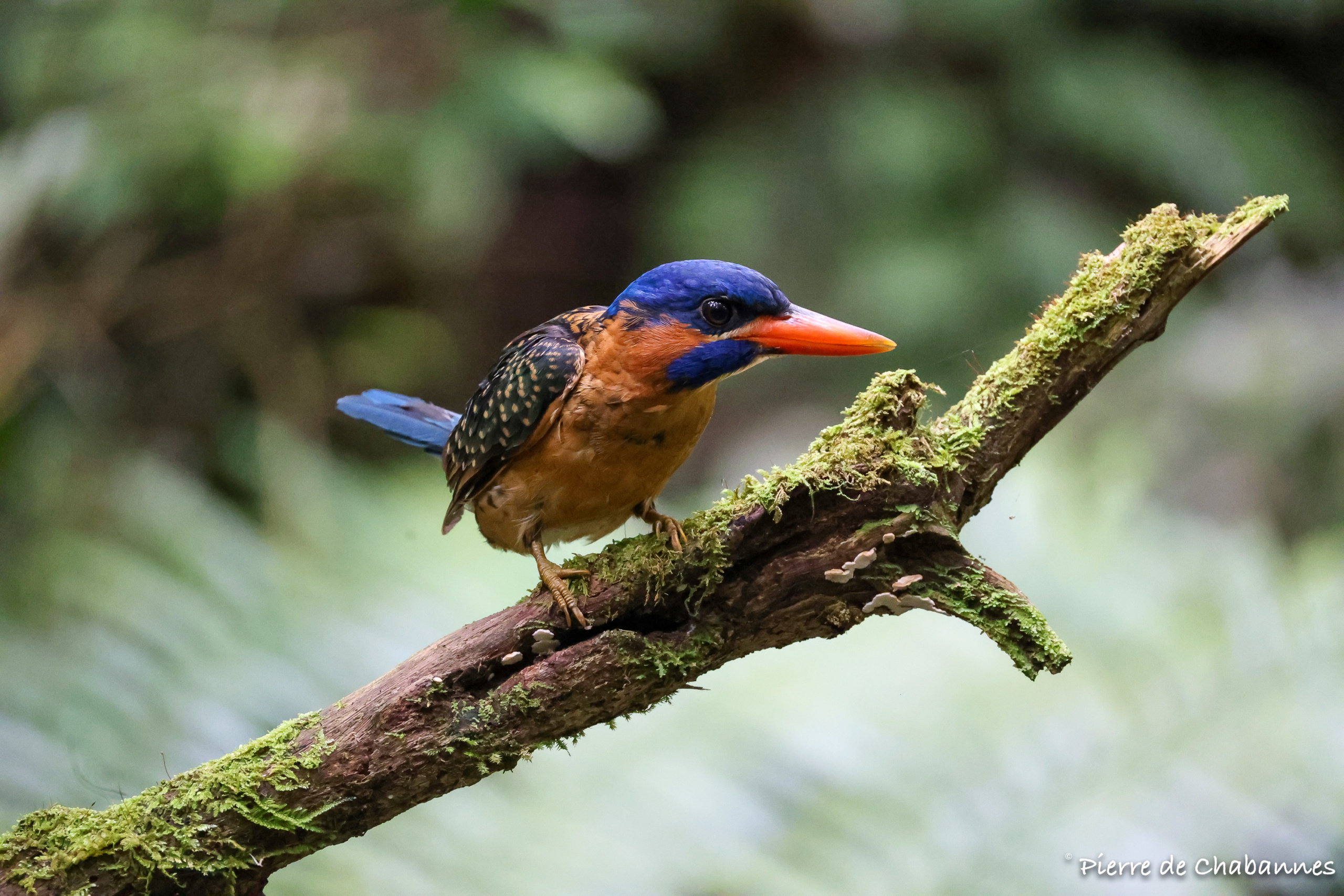
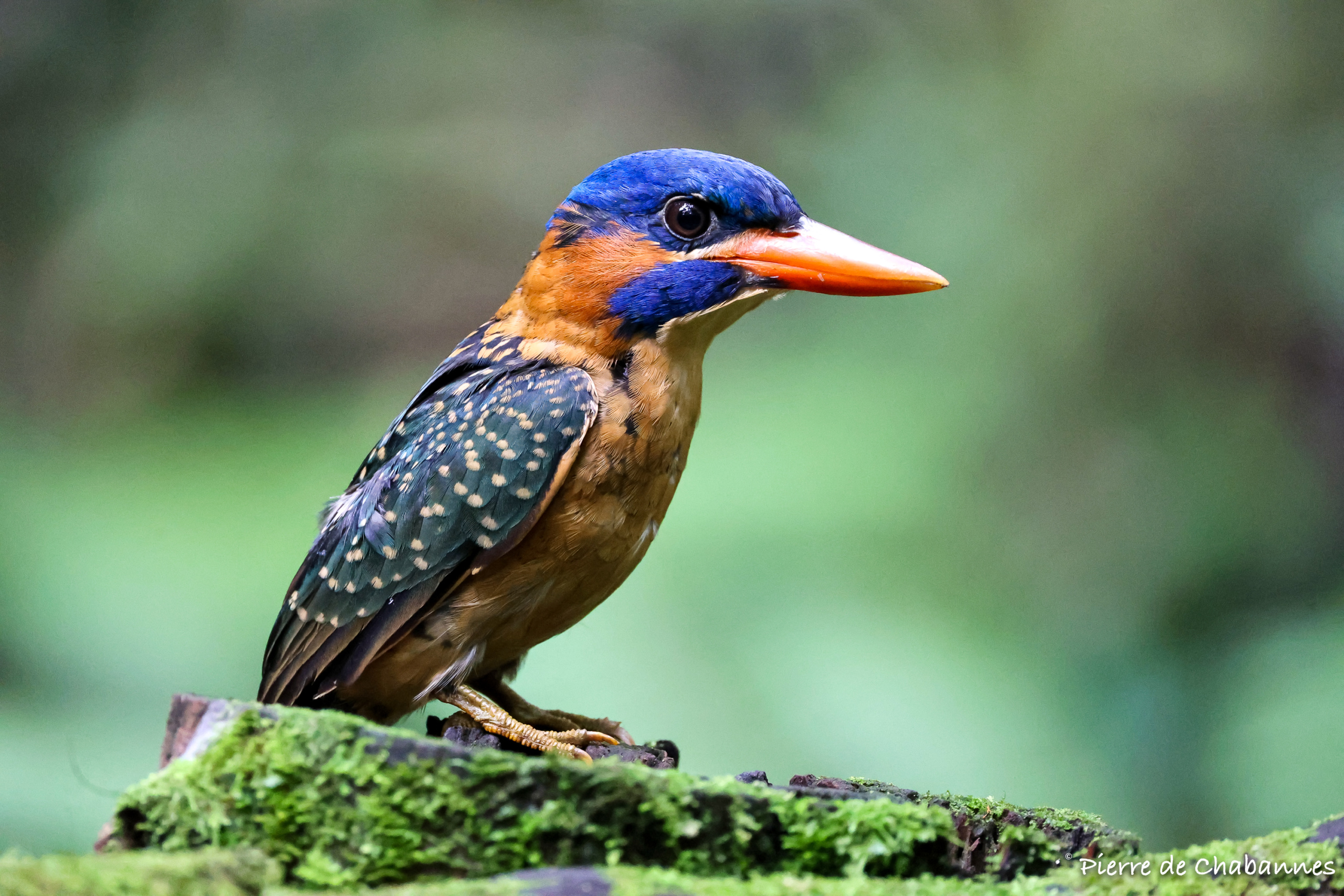
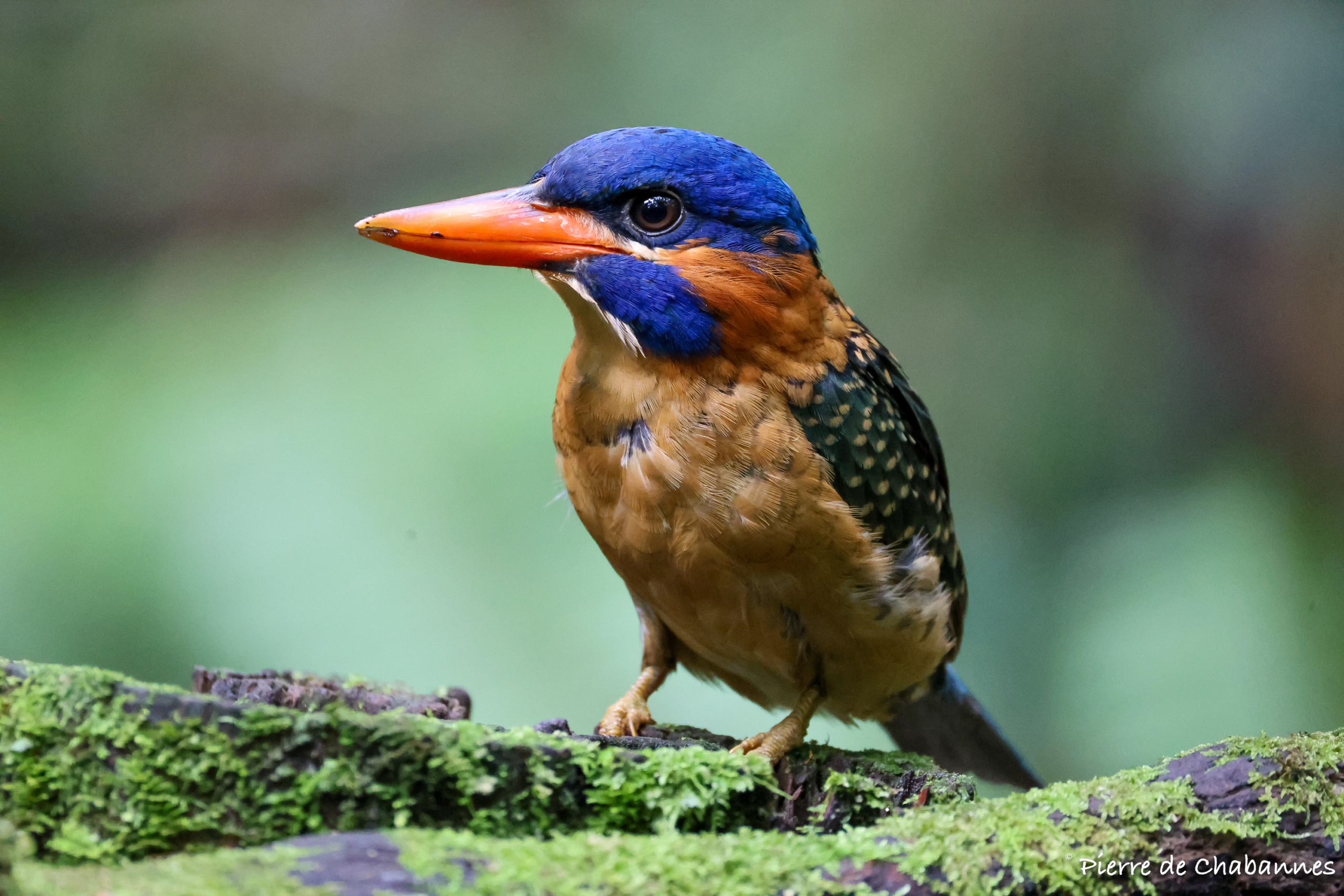
Two males observed from bird hides in forested areas of the Maputi Preserve, Bukidnon, Mindanao.
Field notes
Forest kingfishers of the genus Actenoides are among the most brightly colored birds of Southeast Asian forests, yet they remain remarkably difficult to observe in their natural habitat. Before the establishment of the bird hides at Maputi Preserve, very few high-quality photographs of this species existed.
These males remained mostly motionless for long periods of time while perched low in the understory, scanning the surroundings for food.
The Maputi Preserve, where this individual was observed, protects significant areas of forest that are essential for the survival of many endemic species from Mindanao.
Key facts
The blue-capped kingfisher is endemic to Mindanao. It belongs to a group of forest kingfishers specialized for life inside dense tropical forests rather than aquatic environments.
The species feeds mainly on insects and small vertebrates such as frogs and lizards, captured from low perches within the understory. Many aspects of its breeding biology, including nesting behavior and clutch size, remain undocumented.
Males and females differ noticeably in coloration. Females display a greenish-blue crown and green wings, whereas males possess a brighter blue crown and wings.
Conservation
Previously listed as Vulnerable, the species is now assessed as Least Concern on the IUCN Red List, largely because populations appear relatively stable in areas such as Mount Kitanglad, currently considered one of the species’ strongholds.
However, based on recent field observations, this assessment may not fully reflect the ongoing decline affecting parts of the species’ range, particularly due to large-scale deforestation of Mindanao’s lowland forests linked to industrial agriculture, including oil palm plantations.
The establishment and effective protection of remaining forest reserves are essential for the survival of this and many other endemic bird species of Mindanao. I am currently involved in conservation initiatives focusing on several endemic species from the island.
More photos from this observation
Other species from Mindanao can be found by browsing my Education resources.
Back to Mindanao ←Previous species Next Species →
“A long-term project documenting biodiversity across the world through fieldwork, zoological observations and educational content.”