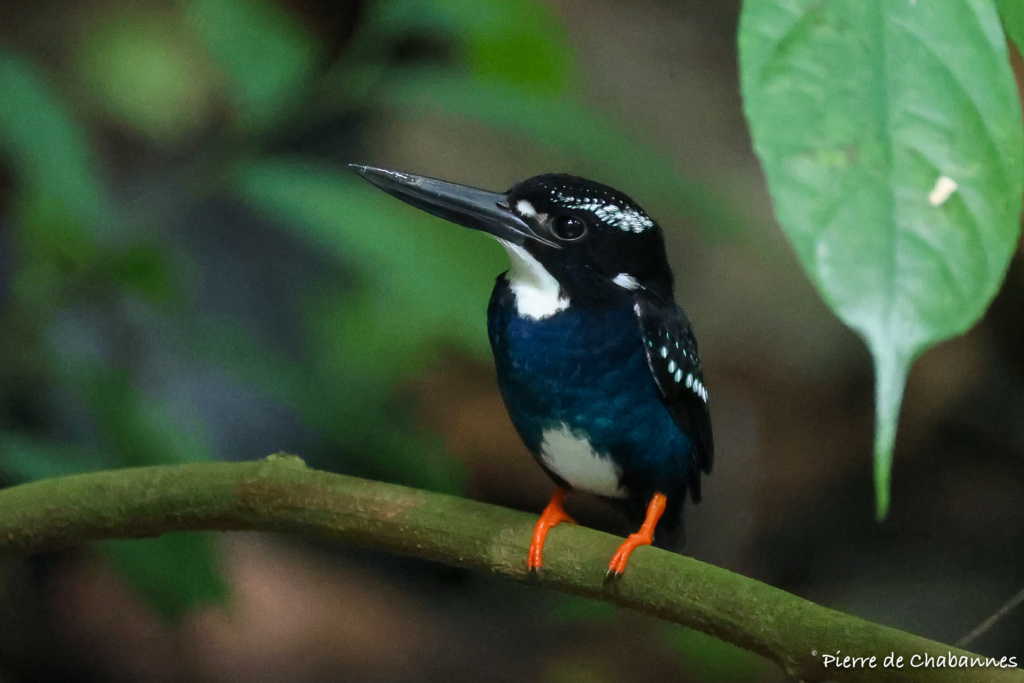
Southern silvery-kingfisher (Ceyx argentatus)
One of the Philippines’ most distinctive kingfishers, increasingly threatened by habitat loss and degradation of freshwater ecosystems.
Context
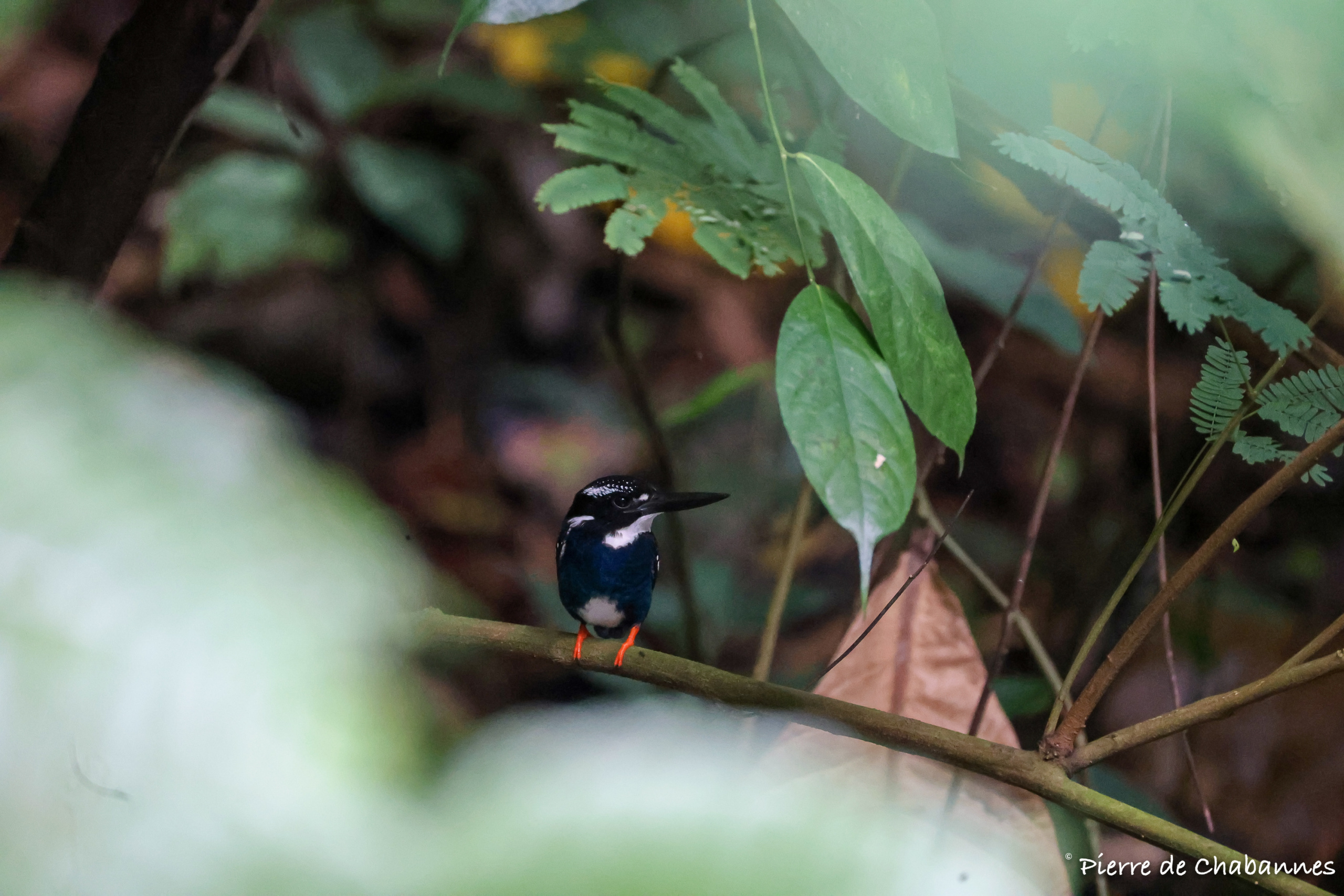
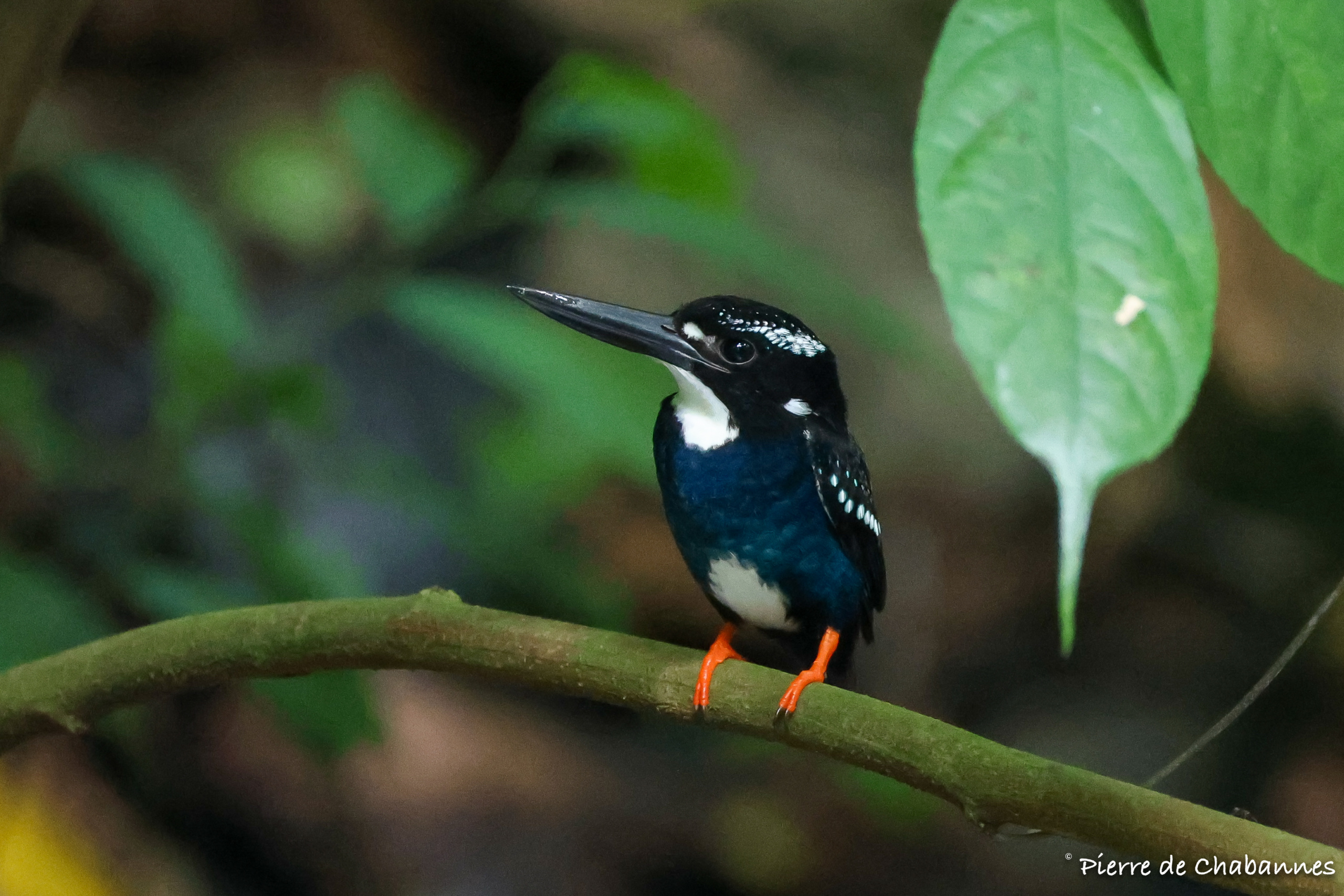
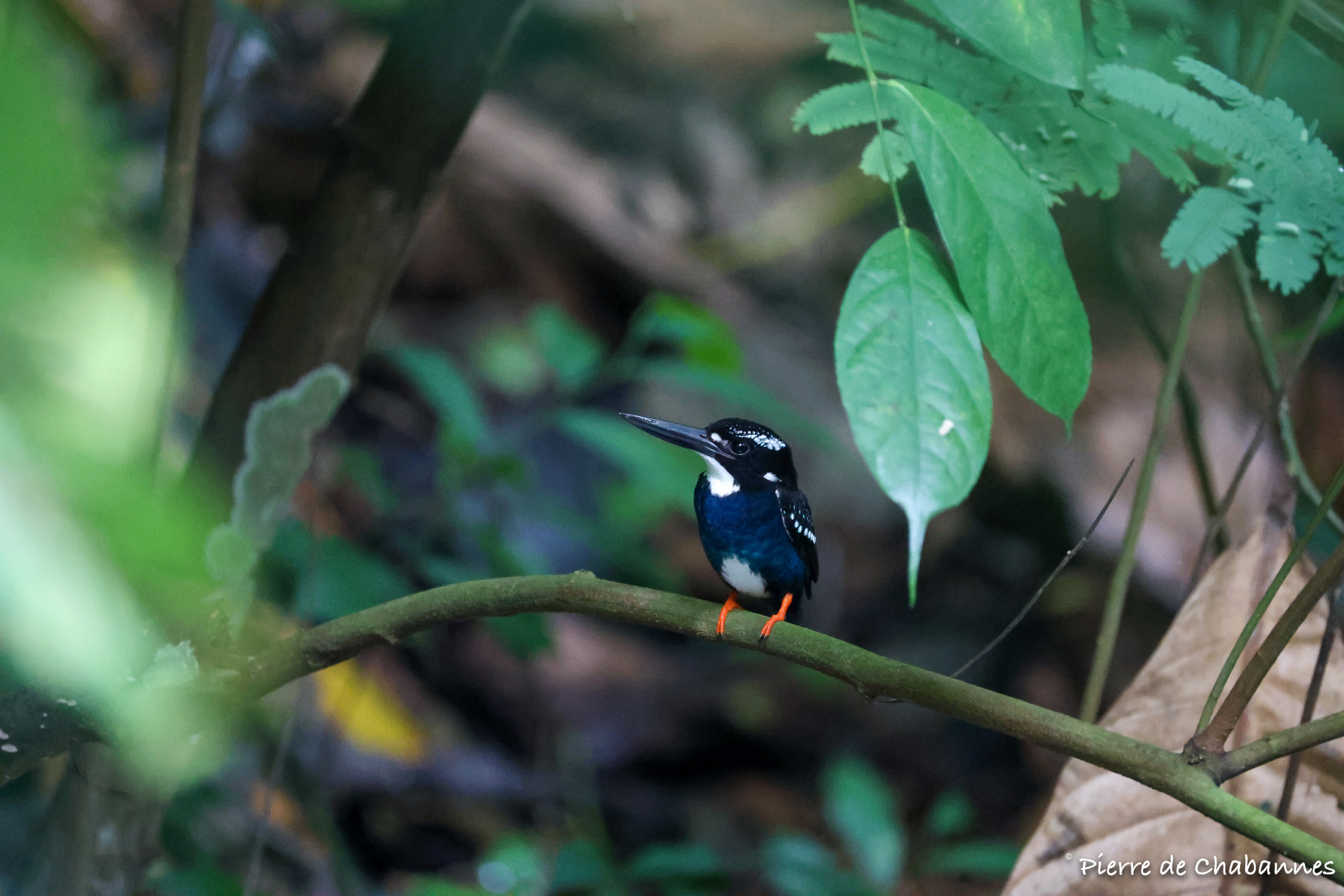
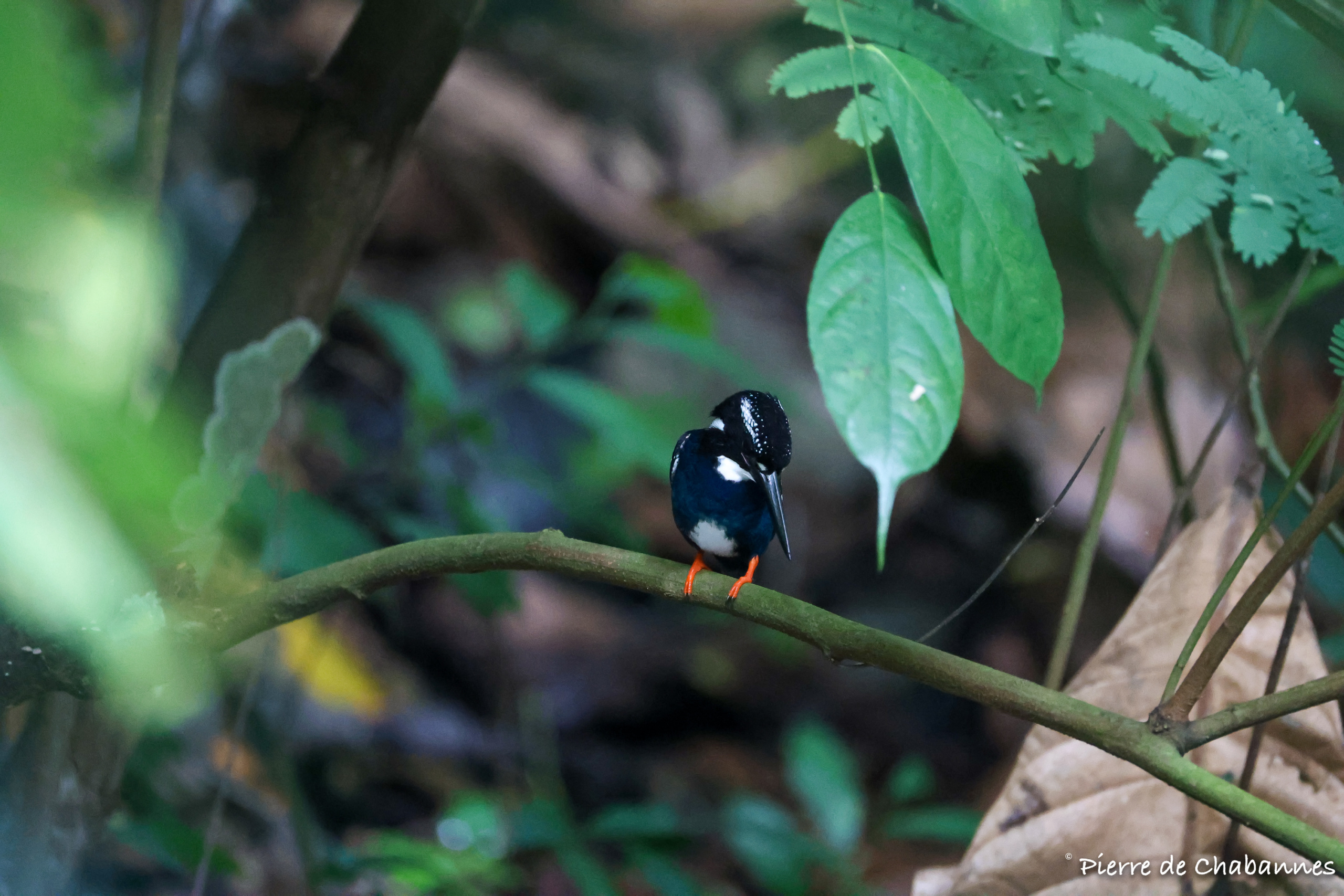
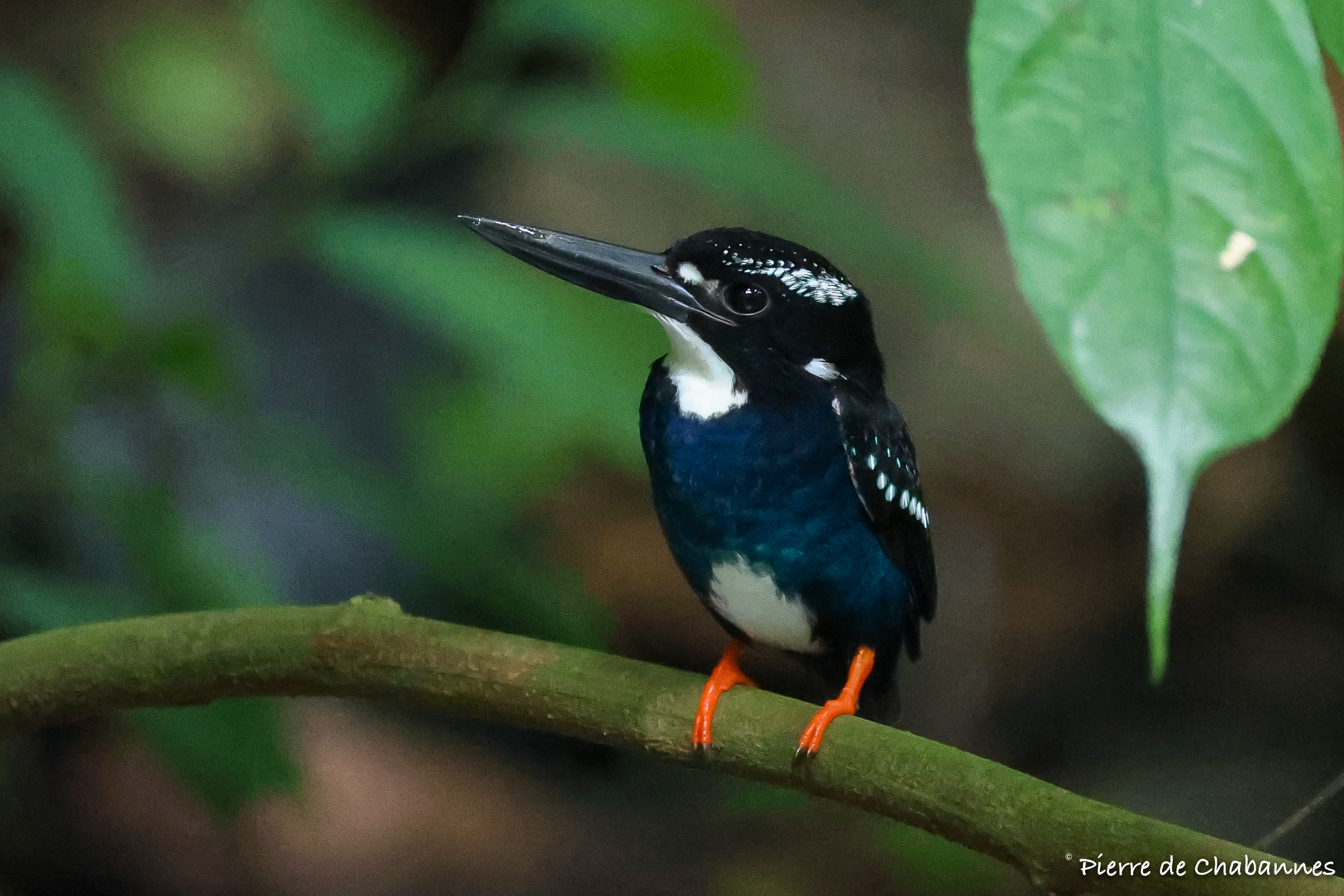
A single individual photographed while perched on one of its favorite hunting perches along a small forest stream at Malagos Resorts, near Davao City, Mindanao (Philippines).
Field notes
The southern silvery kingfisher is one of the most difficult kingfishers to observe in the Philippines. It spends much of its time hidden among dense vegetation bordering forest streams and will almost always fly away when disturbed.
Its unusual coloration makes the species surprisingly difficult to detect, especially as it often remains in deep shade while scanning the water for prey. The most reliable way to locate it is often to look for its conspicuous white breast patch and bright red feet.
During nine years of visits and expeditions across Mindanao, I have encountered this species only three times, in different localities around Davao City and Malaybalay, always in forested habitats. Despite these encounters, I managed to photograph it only once.
Key facts
The southern silvery-kingfisher occurs on Mindanao, Basilan, Dinagat, and Siargao in the southern Philippines. It inhabits forested streams, rivers, and shaded wetlands where clean water and intact riparian vegetation remain available.
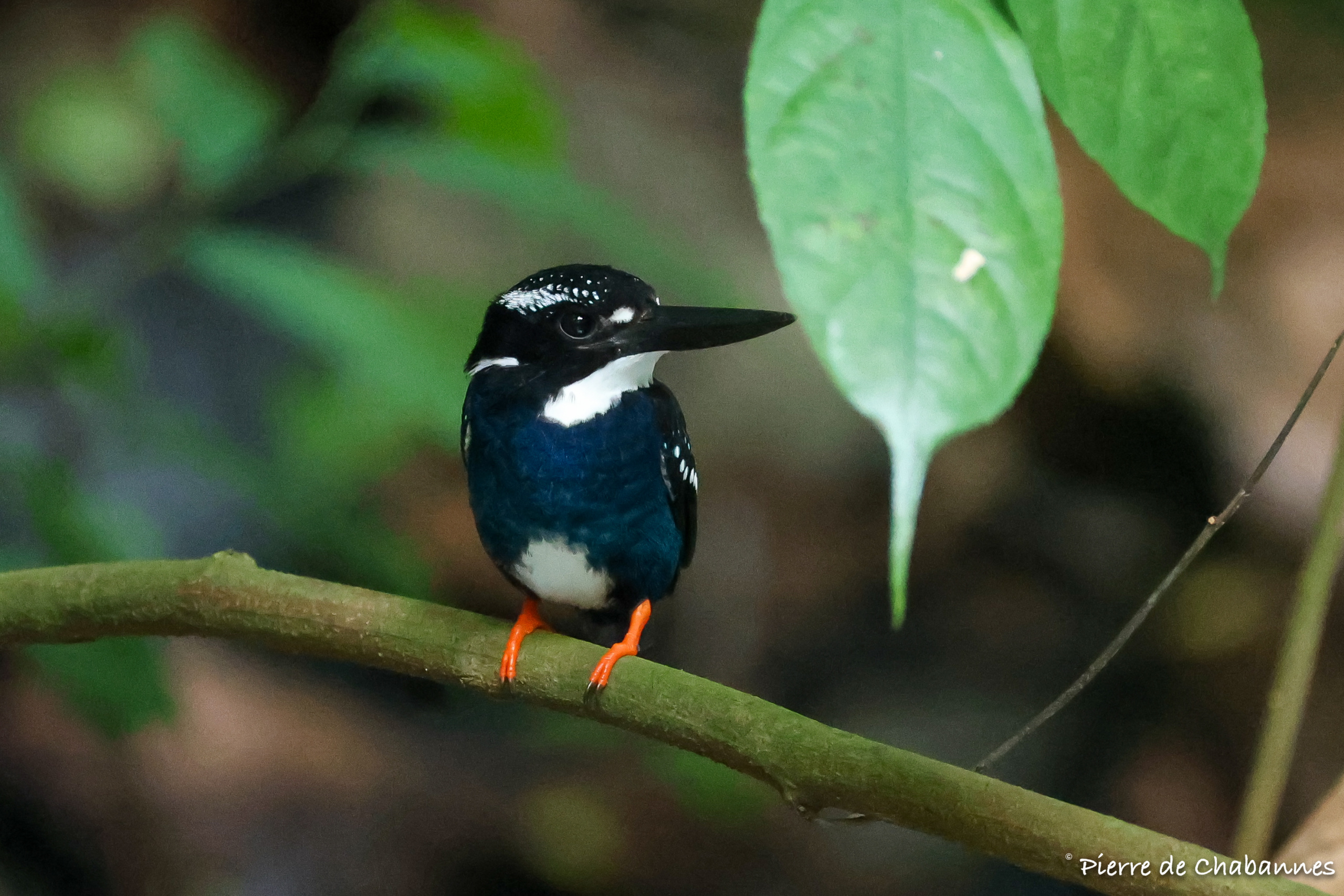
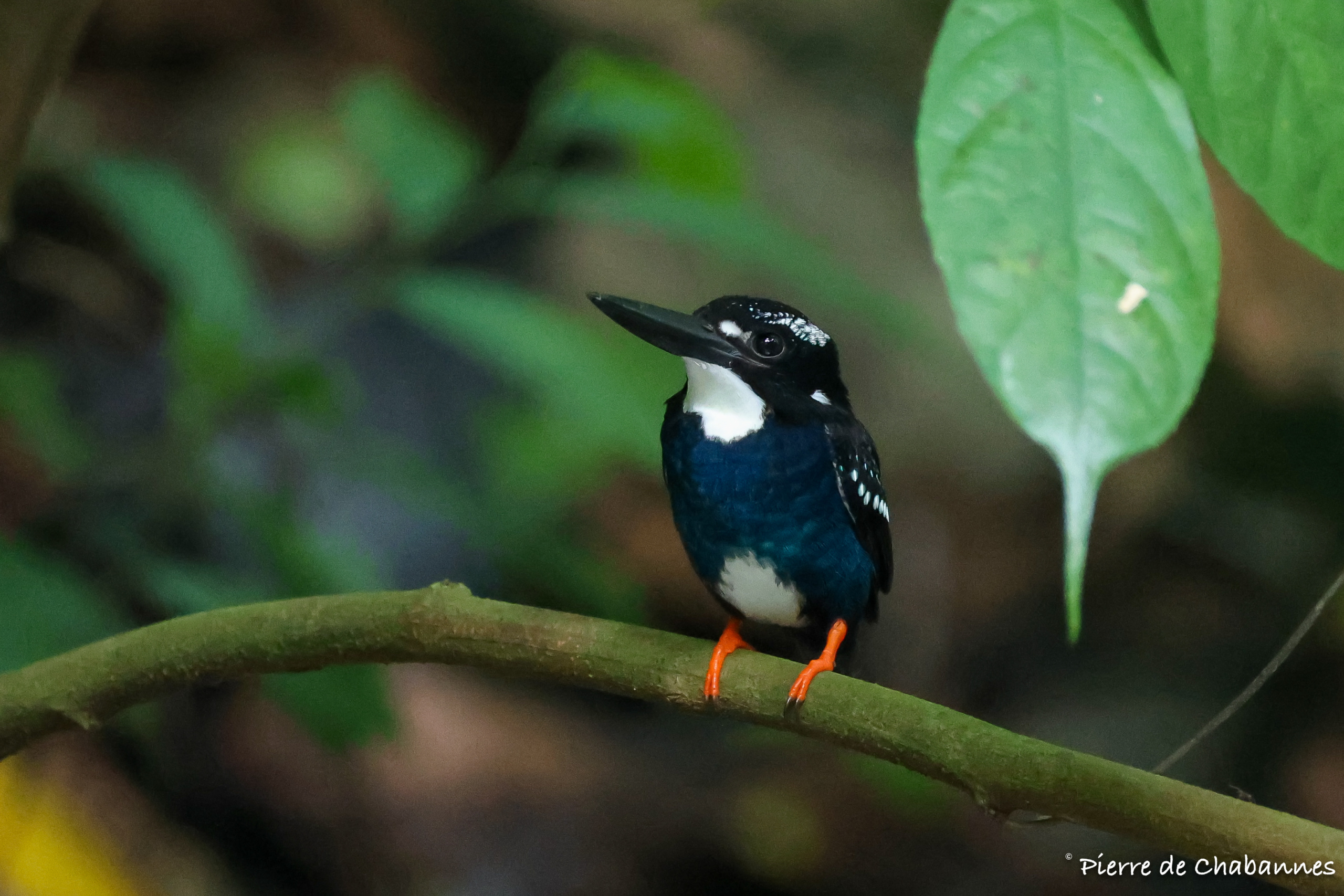
The species can easily be recognized by its silvery-blue upperparts, white throat and belly, and vivid red-orange feet. In Bohol, Samar, and Leyte, its close relative, the Northern silvery-kingfisher, appears very similar and differs mainly in throat and belly coloration.
The southern silvery-kingfisher feeds on small fish, freshwater crabs, aquatic insects, and other invertebrates. It typically hunts from a favored low perch above the water, launching rapid dives to capture prey before returning to the same perch to process and swallow it.
Conservation
The species is currently assessed as Near Threatened by the IUCN Red List. Birdlife International qualifies it as a Restricted Range species and it is present in Mindanao Endemic Bird Area (EBA).
Once considered relatively common, the species appears to have undergone significant declines in recent decades due to habitat destruction, stream degradation, and water pollution.
As these threats continue to intensify throughout much of its range, further population declines are expected. Additional surveys and targeted conservation actions are urgently needed to better understand and protect this remarkable kingfisher.
More photos from this observation
Other species from Mindanao can be found by browsing my Education resources.
Back to Mindanao ←Previous species Next Species →
“A long-term project documenting biodiversity across the world through fieldwork, zoological observations and educational content.”