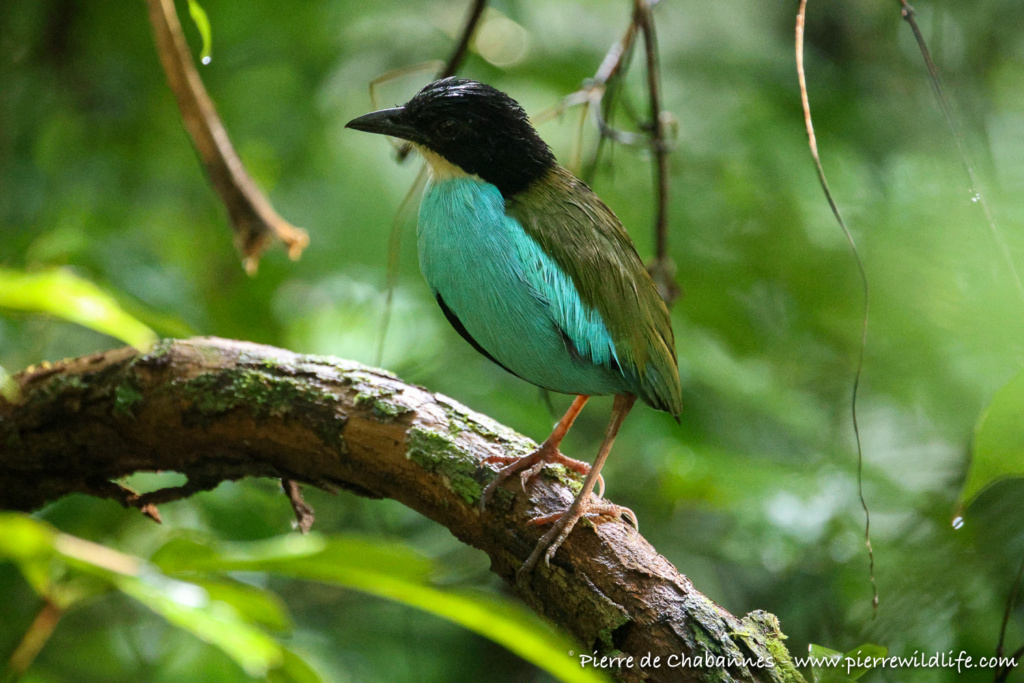
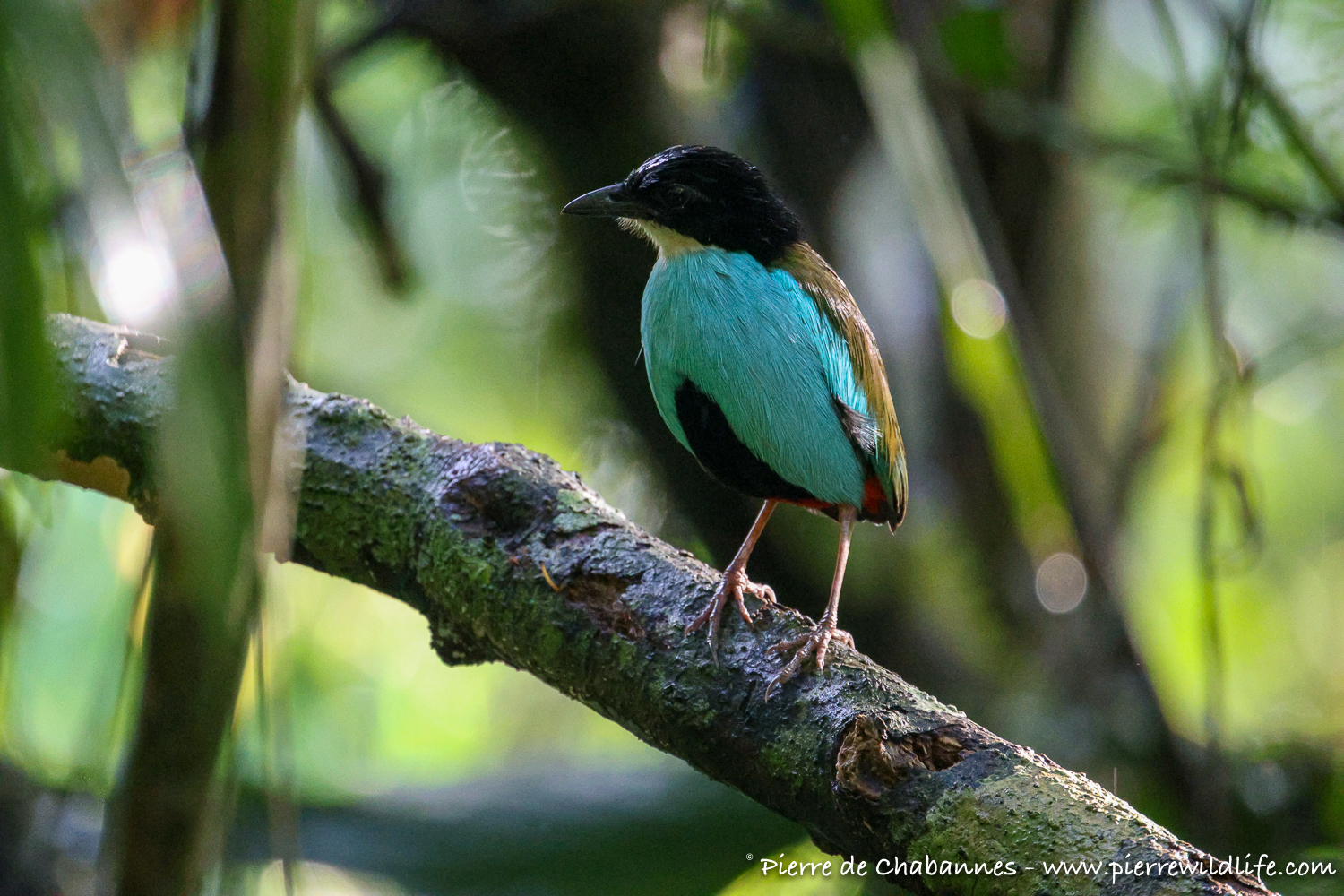
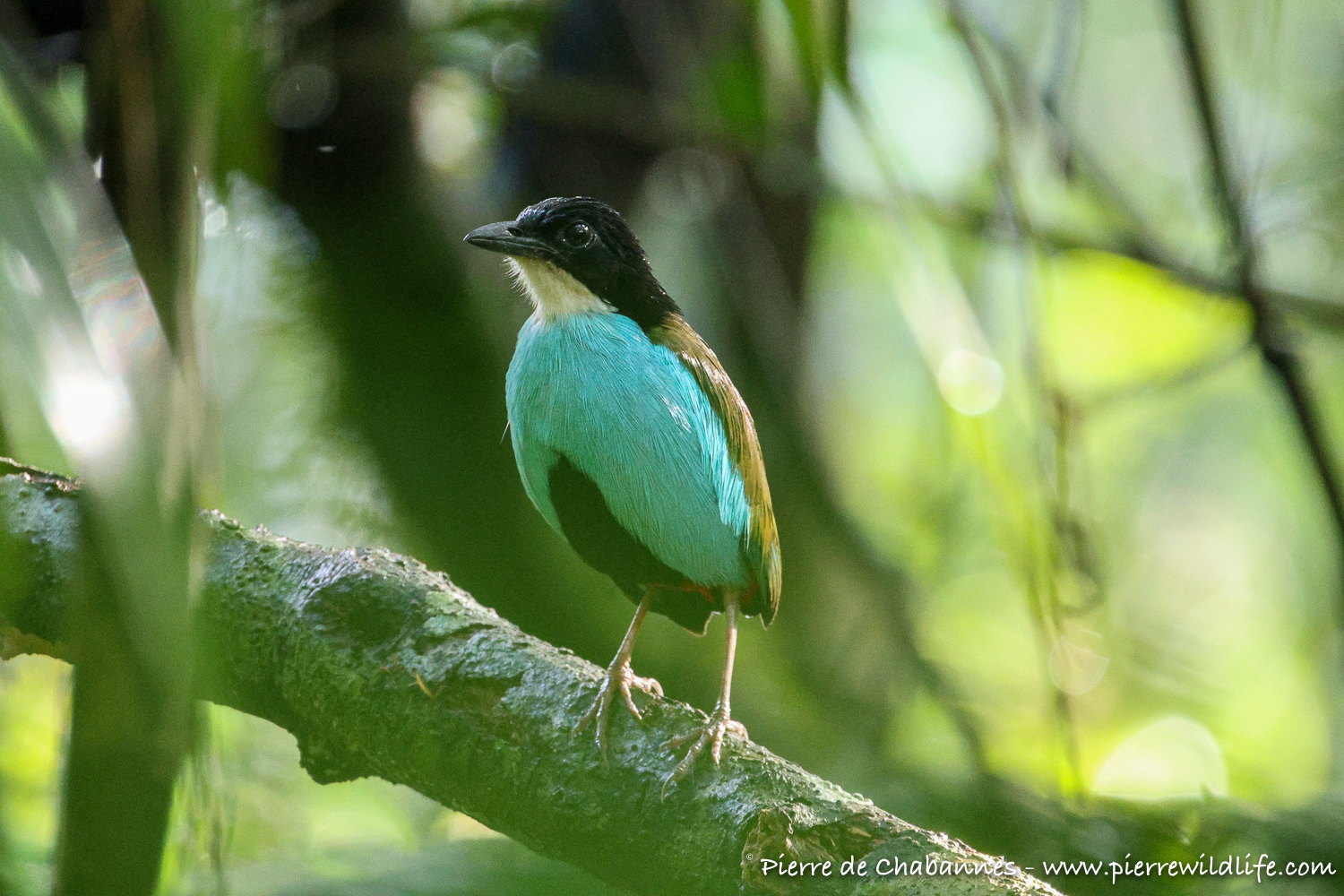
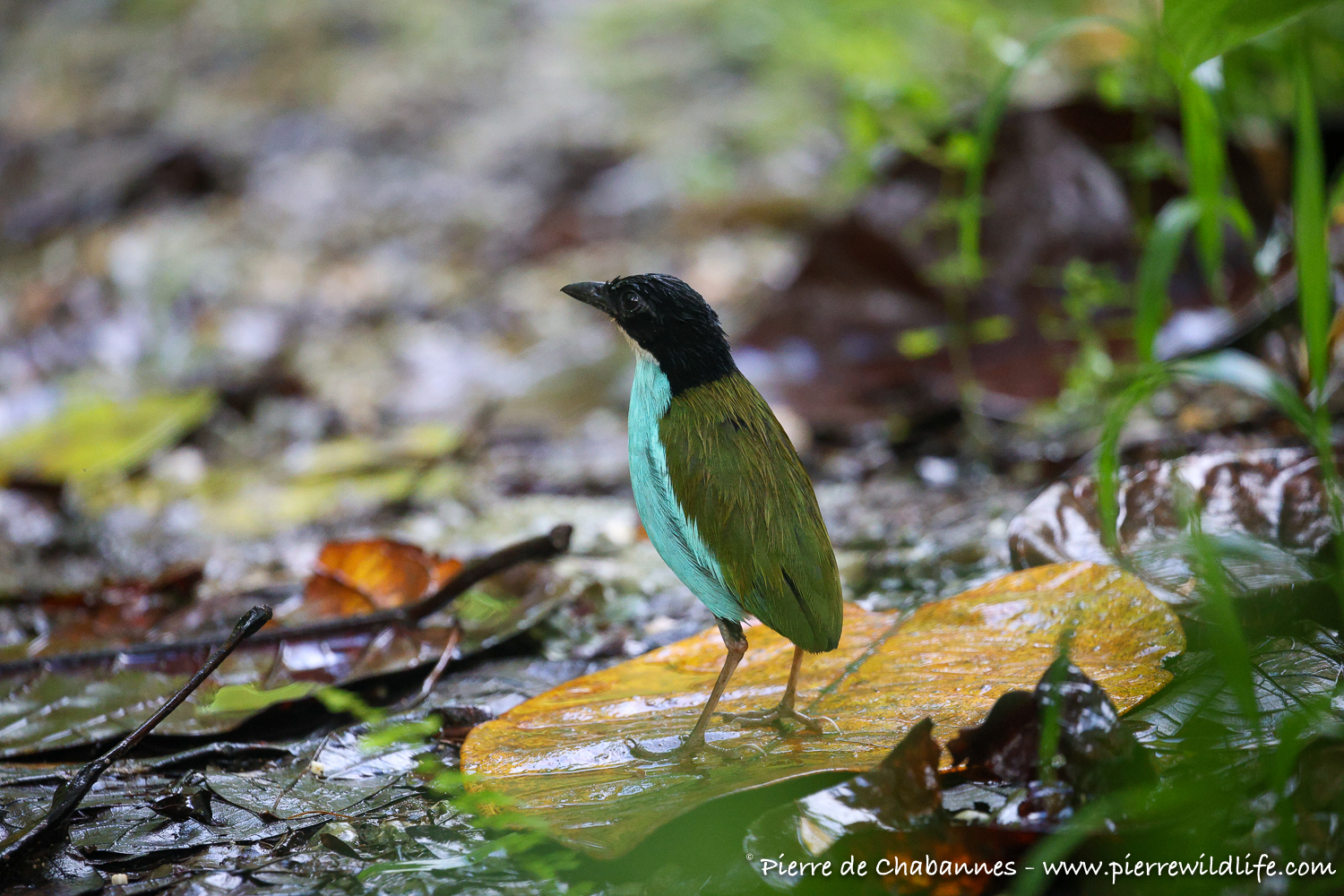
Azure-breasted pitta (Pitta steerii steerii)
A striking pitta species, easily recognizable by its bright turquoise breast and endangered because of deforestation.
Context
A single individual photographed near one of the main trails inside PICOP forest in Bislig, Mindanao (Philippines).
Field notes
This pitta is mostly found in mature secondary and primary forests with quite thick undergrowth where it remains unnoticed, hopping on the ground and flicking dead leaves to find insects.
Like most pittas, this species is territorial and will often be visible in the same spots once found. It readily responds to play-back calls and will often come to investigate, apparently searching for a potential mate or investigating a perceived intruder.
PICOP is one of the last areas in Mindanao where this species can be reliably spotted and photographed. Therefore, birding there must be done with caution as the overuse of play-backs could disturb one of the very last known populations of this species.
Key facts
This species mostly found limestone forest, mainly in lowland areas up to 1000 meters above sea level. So far, no observations of this species have been made in disturbed or man-made habitats such as plantations and other cultivated areas.
The species is instantly recognizable by its very bright turquoise breast and belly that are unique among pittas. It is one of the two species of the genus Pitta to occur in Philippines as a resident species and the only species of its genus to be endemic to the country.
The nominate subspecies, pictured here, is endemic to Mindanao. The other subspecies is found in Bohol, Samar and Leyte. Differences between the two subspecies are very faint and they are best recognized by their geographical distribution.
Conservation
The species is currently assessed as Vulnerable by the IUCN Red List. It occurs in the Mindanao Endemic Bird Area (EBA) and is the only pitta species to be endemic to south Philippines.
Most of the species’ known populations are declining alarmingly because of unsustainable deforestation and replacement of forest by industrial plantations for palm oil and paper production.
Subspecies coelestis hasn’t been seen in Samar and Leyte for more than 50 years and is declining in its last stronghold in Bohol. The nominate subspecies has disappeared from much of its former range and now survives mainly in two strongholds: the PICOP forests in eastern Mindanao and the Zamboanga Peninsula in the west.
More photos from this observation
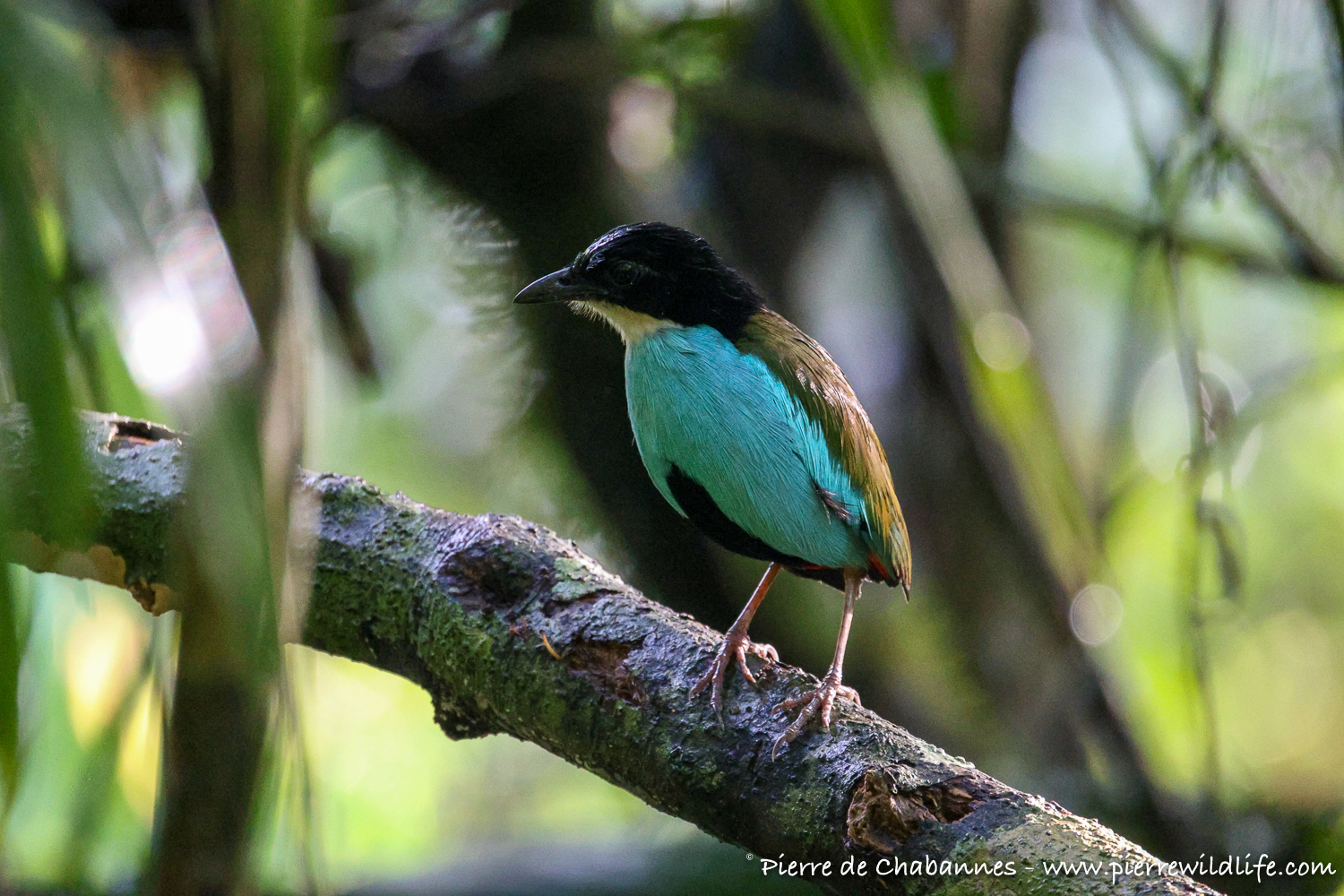
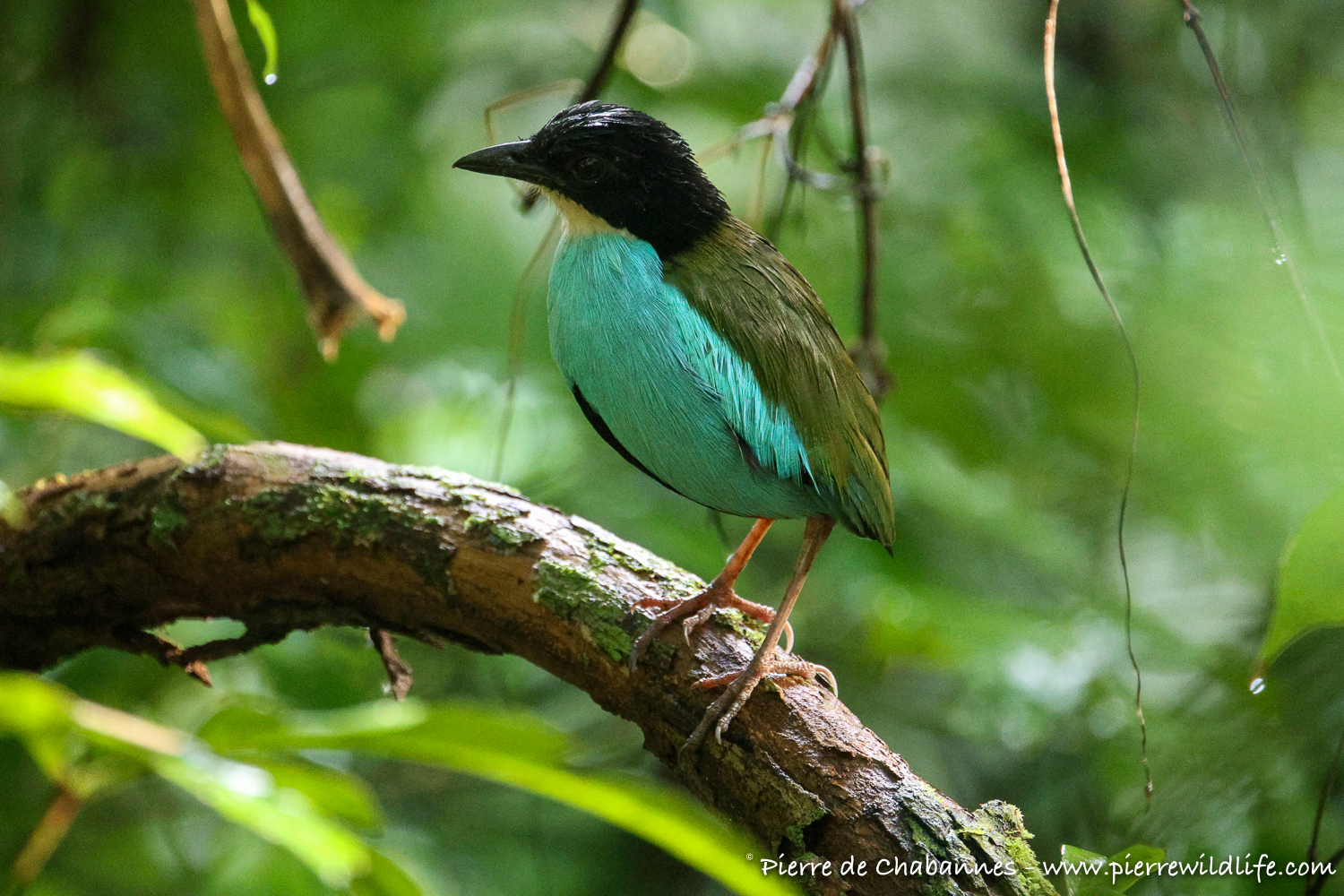
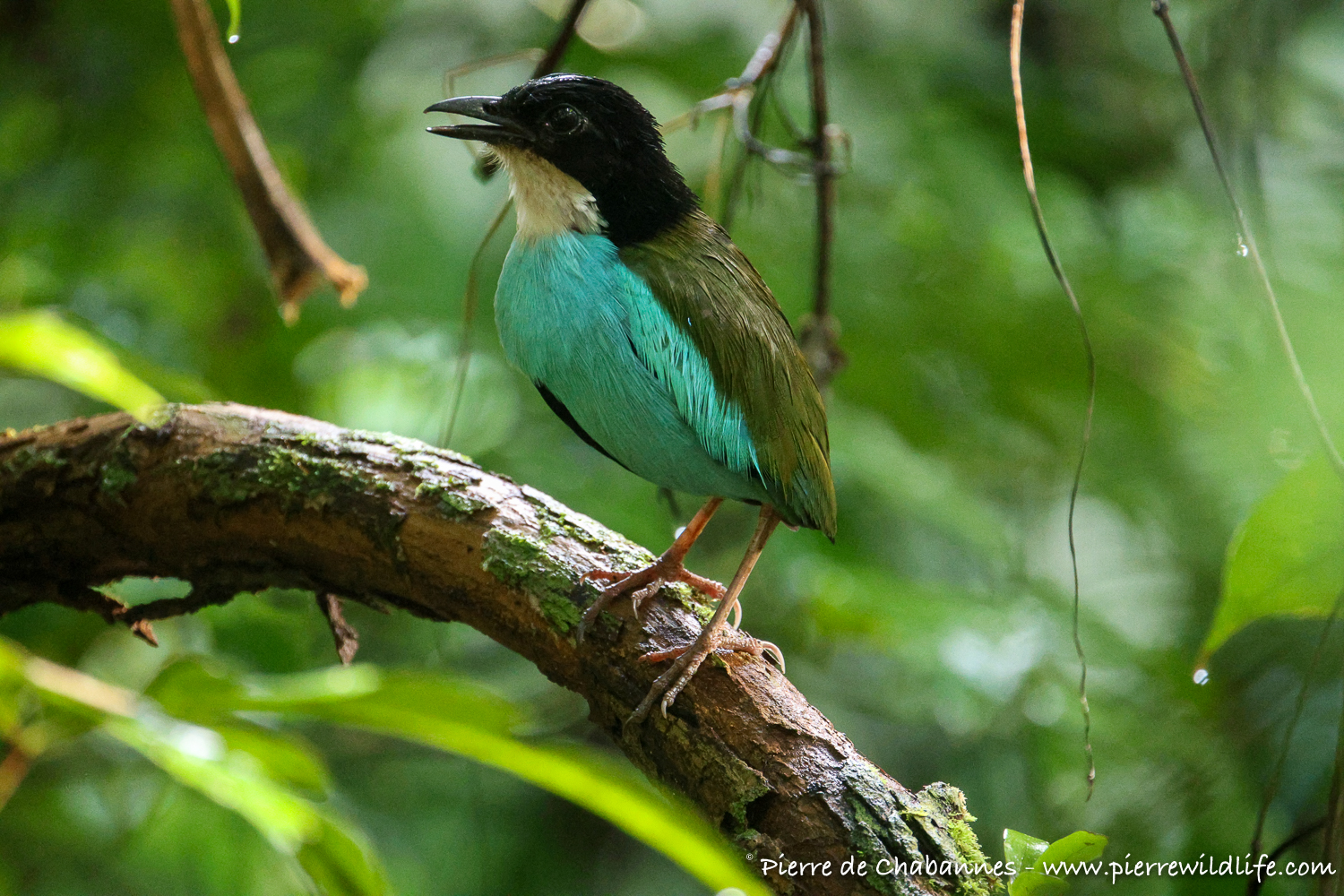
Other species from Mindanao can be found by browsing my Education resources.
Back to Mindanao ←Previous species Next Species →
“A long-term project documenting biodiversity across the world through fieldwork, zoological observations and educational content.”