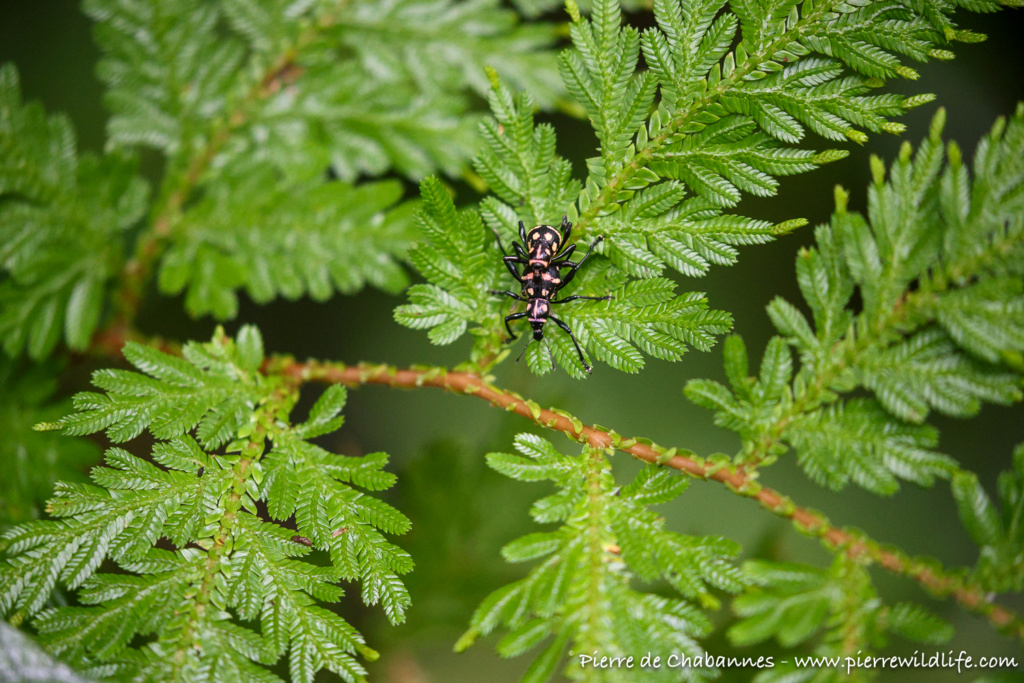
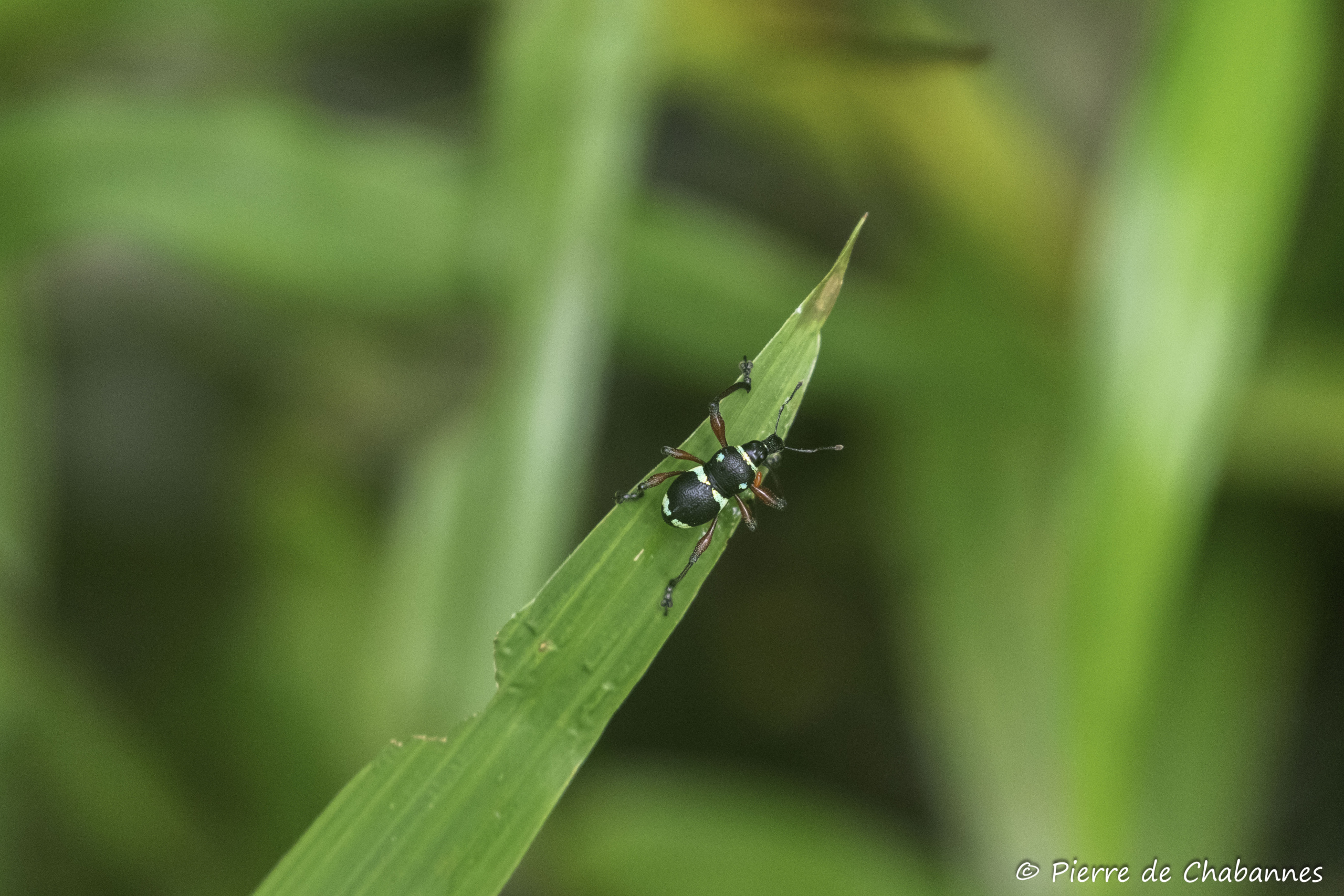
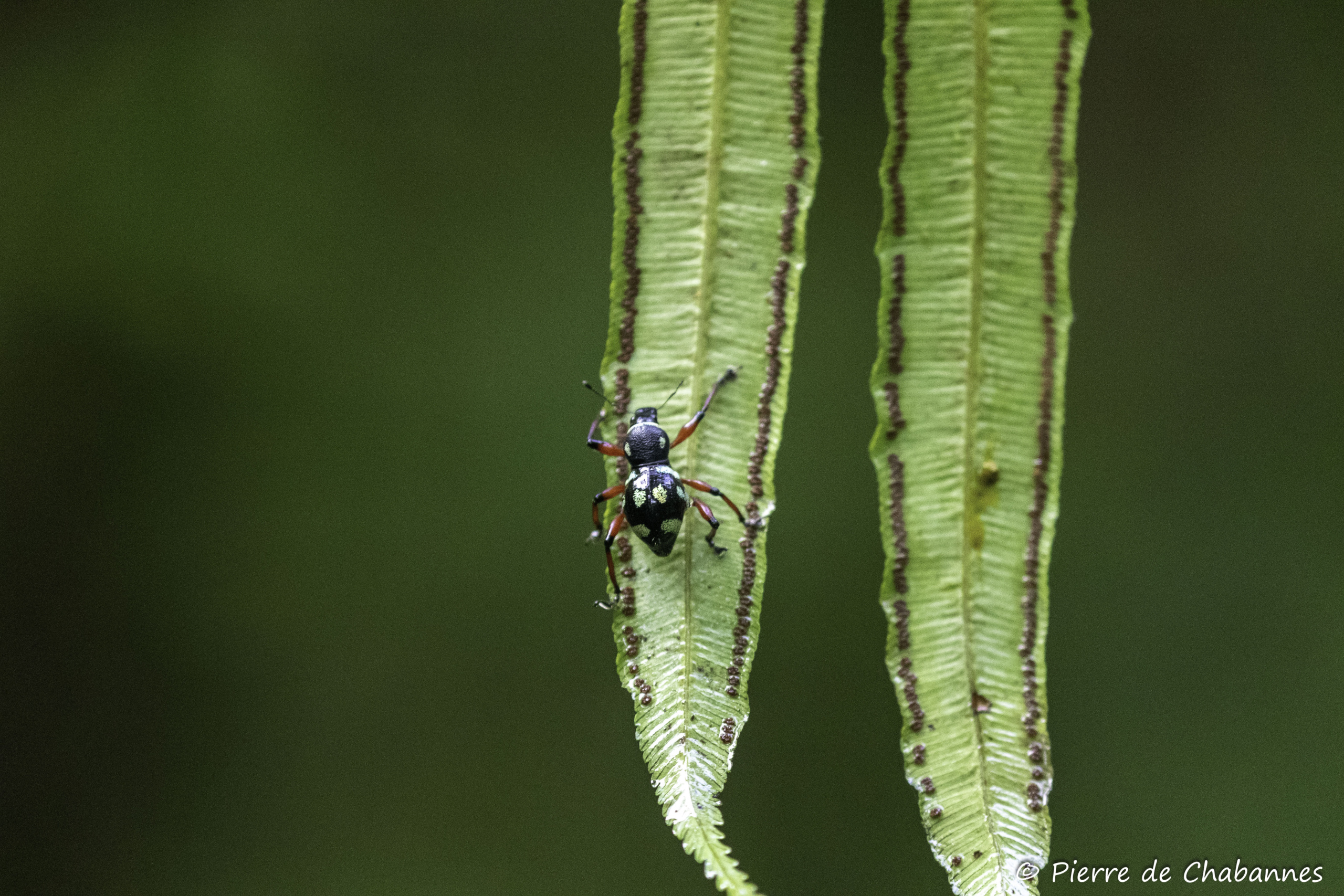
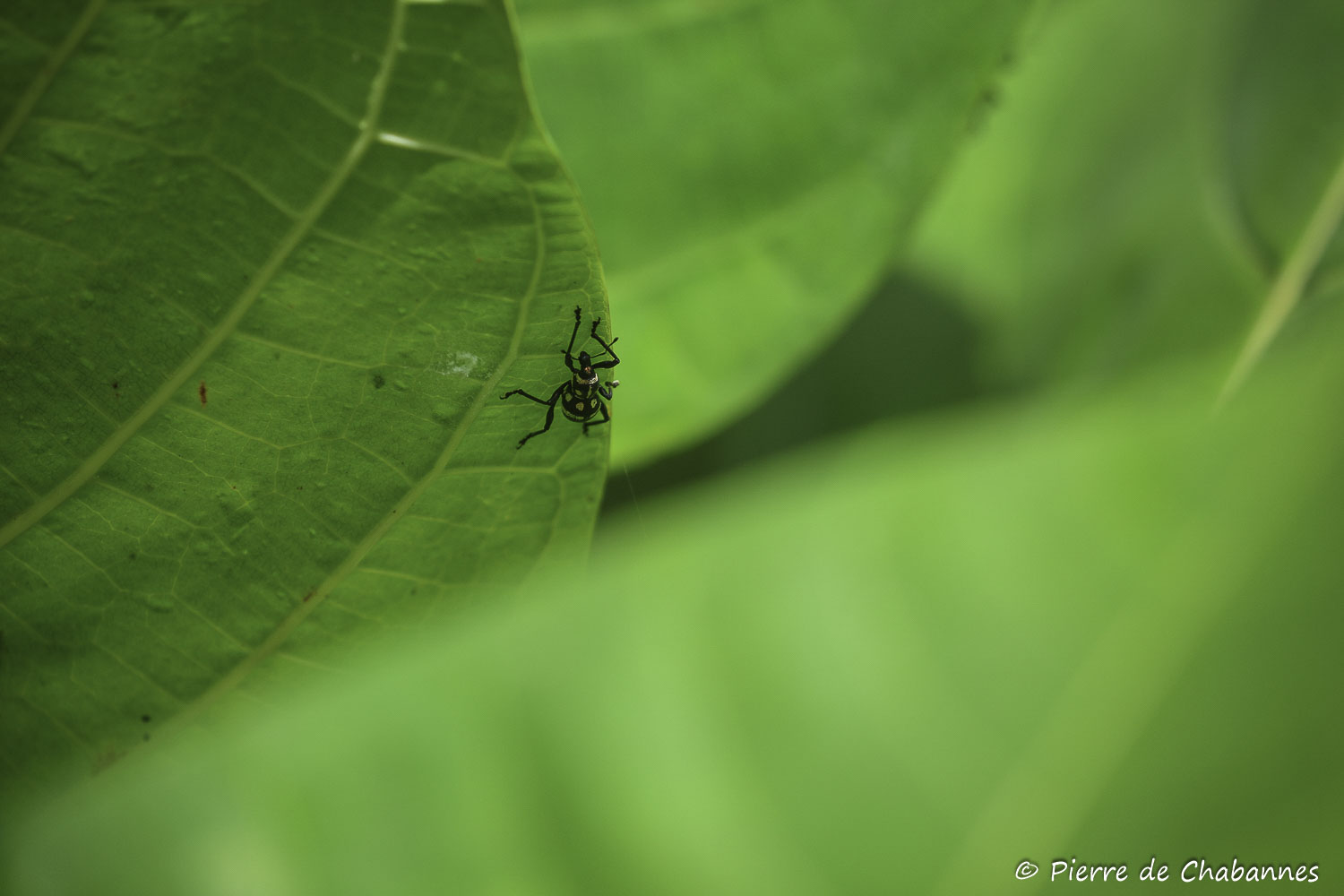
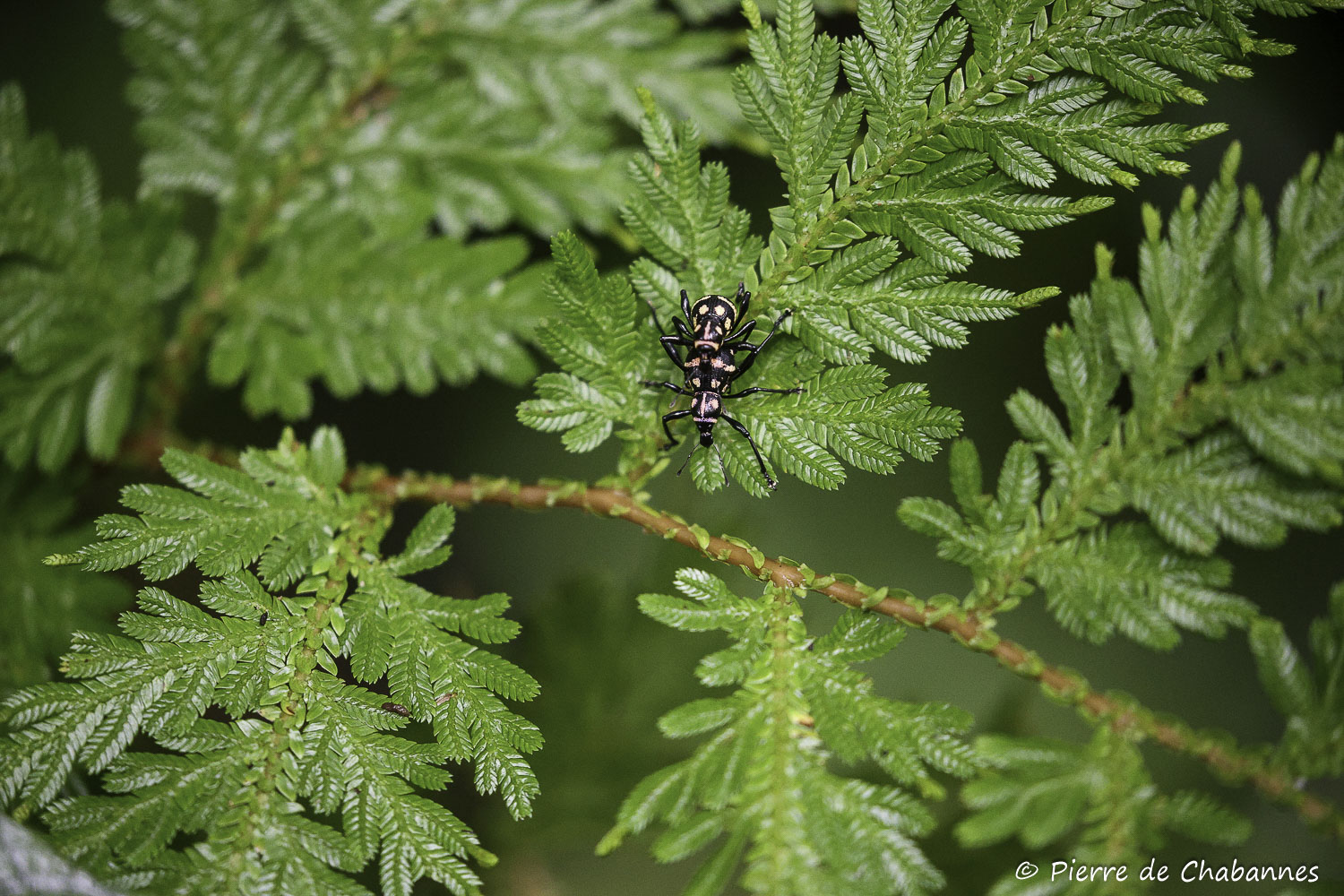
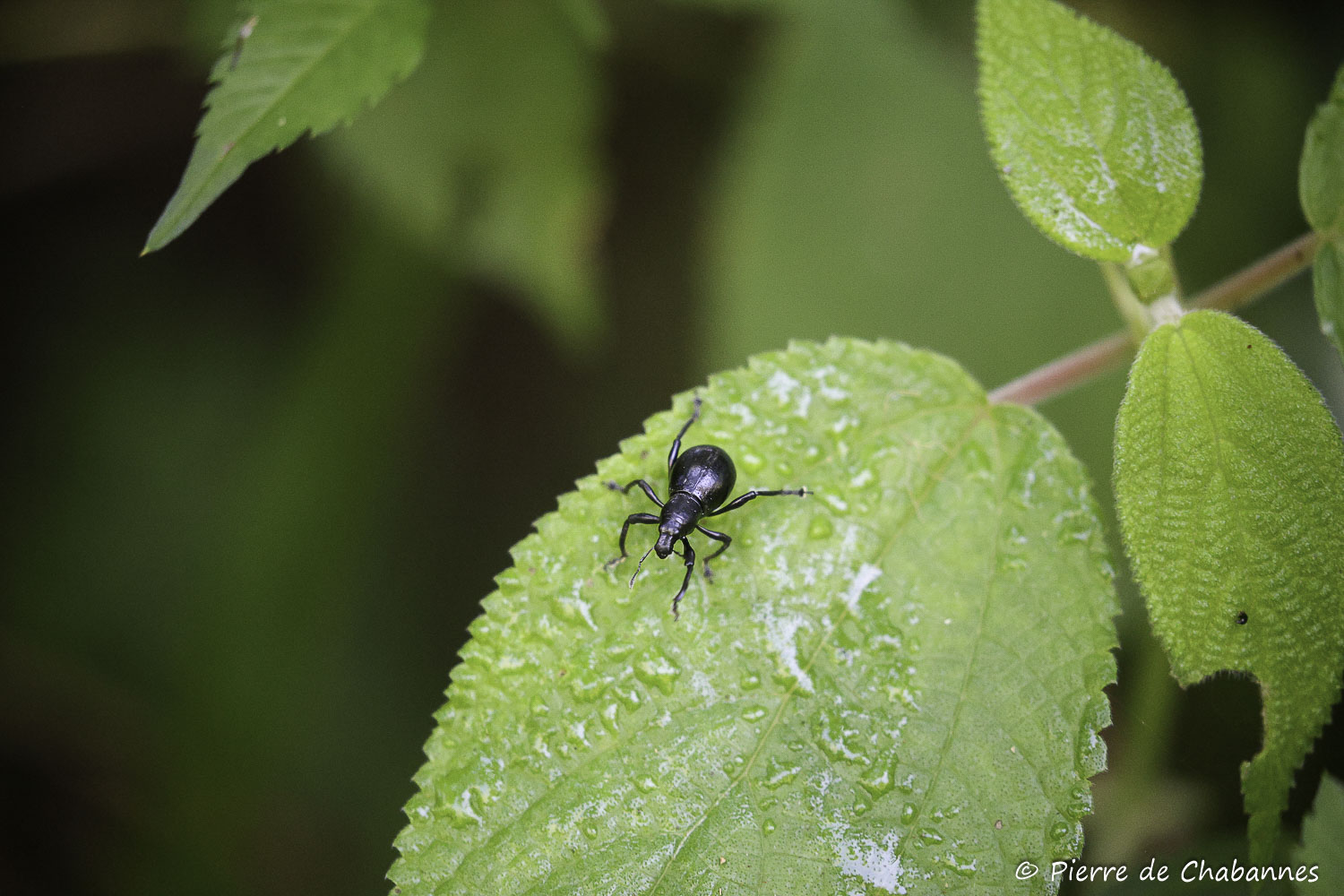
Undescribed jewel weevils (Metapocyrtus sp., Pachyrhynchus sp.)
Among the most spectacular insects of the Philippines, these brilliantly colored weevils are a symbol of the extraordinary diversity and endemism found in the country.
Context
Different specimens photographed throughout Mindanao, around Mt Kitanglad’s montane forests, in PICOP lowland forest near Bislig and in secondary forest near Davao City.
Field notes
Most jewel weevils are very brightly colored but surprisingly difficult to find in the wild. They mostly occur alone or in pairs during mating and can be often found on lower leaves and bushes near open areas within forests.
Most of the time, it is impossible to identify these beetle species accurately in the wild, without genetic analysis. Several of the known species are polymorphic and many species of Pachyrhynchus are known to mimic Metapocyrtus and vice-versa.
In PICOP forest, near Bislig (east Mindanao), at least two morphs of jewel beetles are known and both seem to be undescribed at this time. Knowing that this forest is threatened by illegal logging, it is urgent to work on their identification to find out if these are local endemics deserving immediate protection or wider-ranging species.
Key facts
The genera Metapocyrtus and Pachyrhynchus belong to the weevil family (Curculionidae) and together contain hundreds of species, most of them endemic to the Philippines.
Many species display brilliant metallic blue, green, red, yellow, or silver patterns. These colors are not produced by pigments but by microscopic structures that reflect light, creating iridescent effects.
The taxonomy of the genus remains complex and many species, subspecies, and local forms are still poorly studied. New taxa continue to be described regularly from Mindanao and other Philippine islands.
Conservation
Most Metapocyrtus and Pachyrhynchus species have never been assessed by the IUCN Red List, and almost nothing is known about the population trends of the majority of them.
Because many species appear to have extremely restricted distributions, habitat destruction is likely to represent the greatest threat to their survival. Deforestation continues to affect large areas of Mindanao, particularly at lower elevations where many endemic insects occur.
The conservation of these remarkable beetles depends largely on the protection of native forests. Preserving forest habitats on Mindanao not only benefits charismatic birds and mammals but also thousands of lesser-known species that play important ecological roles.
More photos from this observation
Other species from Mindanao can be found by browsing my Education resources.
Back to Mindanao ←Previous species Next Species →
“A long-term project documenting biodiversity across the world through fieldwork, zoological observations and educational content.”