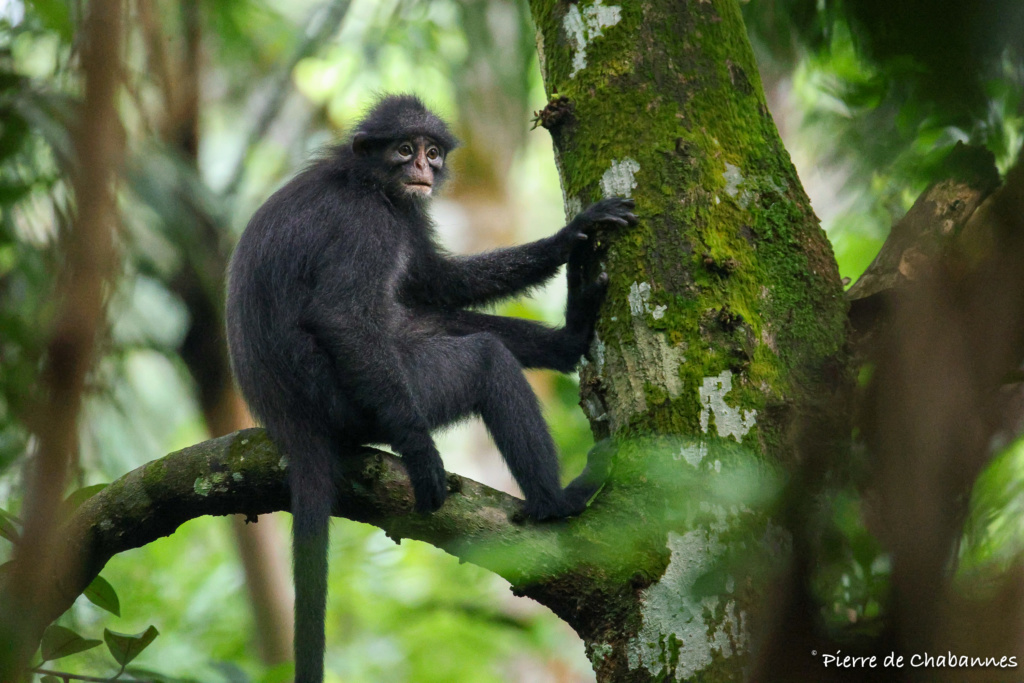
Raffles’ banded langur (Presbytis femoralis)
A critically endangered primate, now surviving in fragmented habitats
with a rapidly declining population.
Context
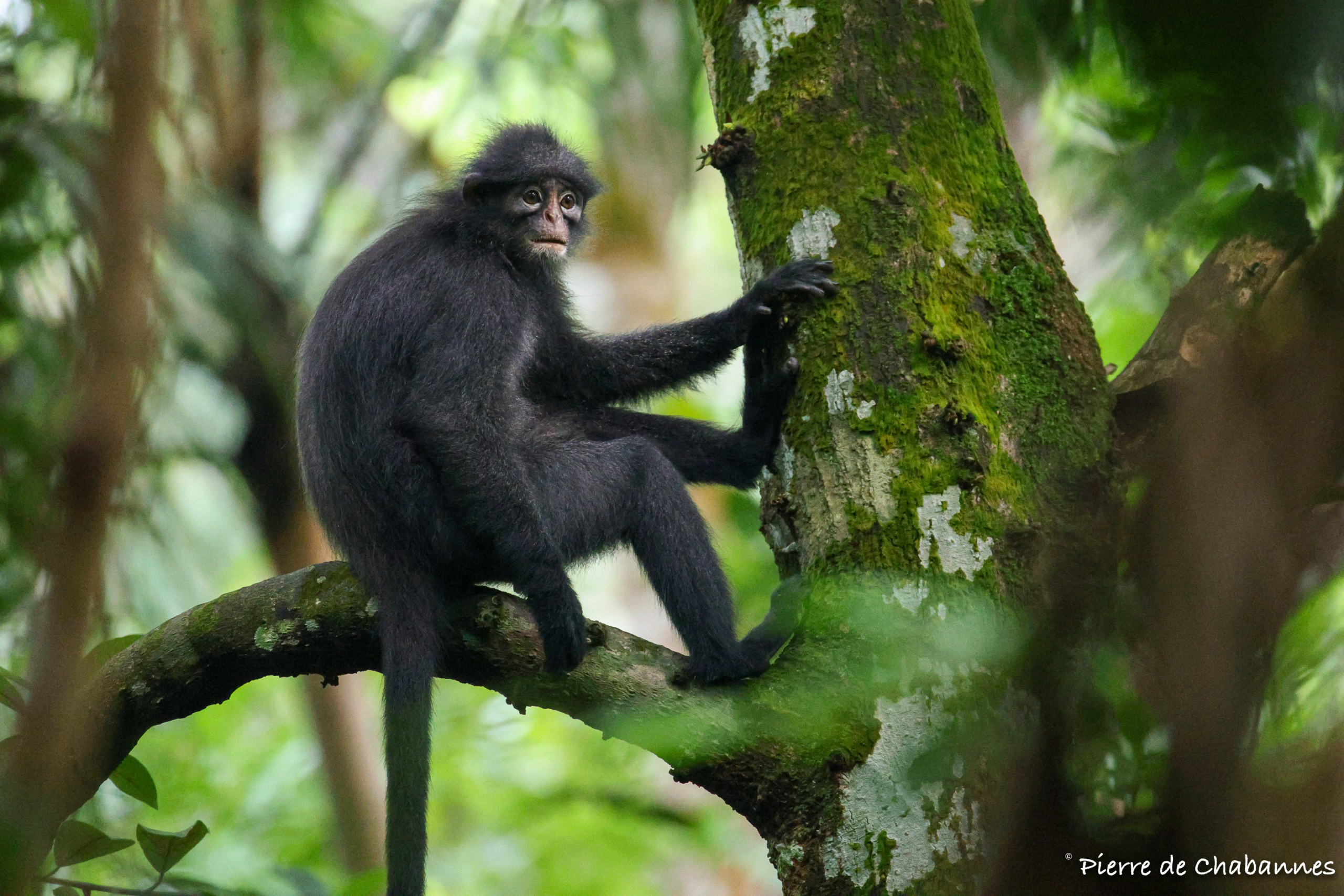
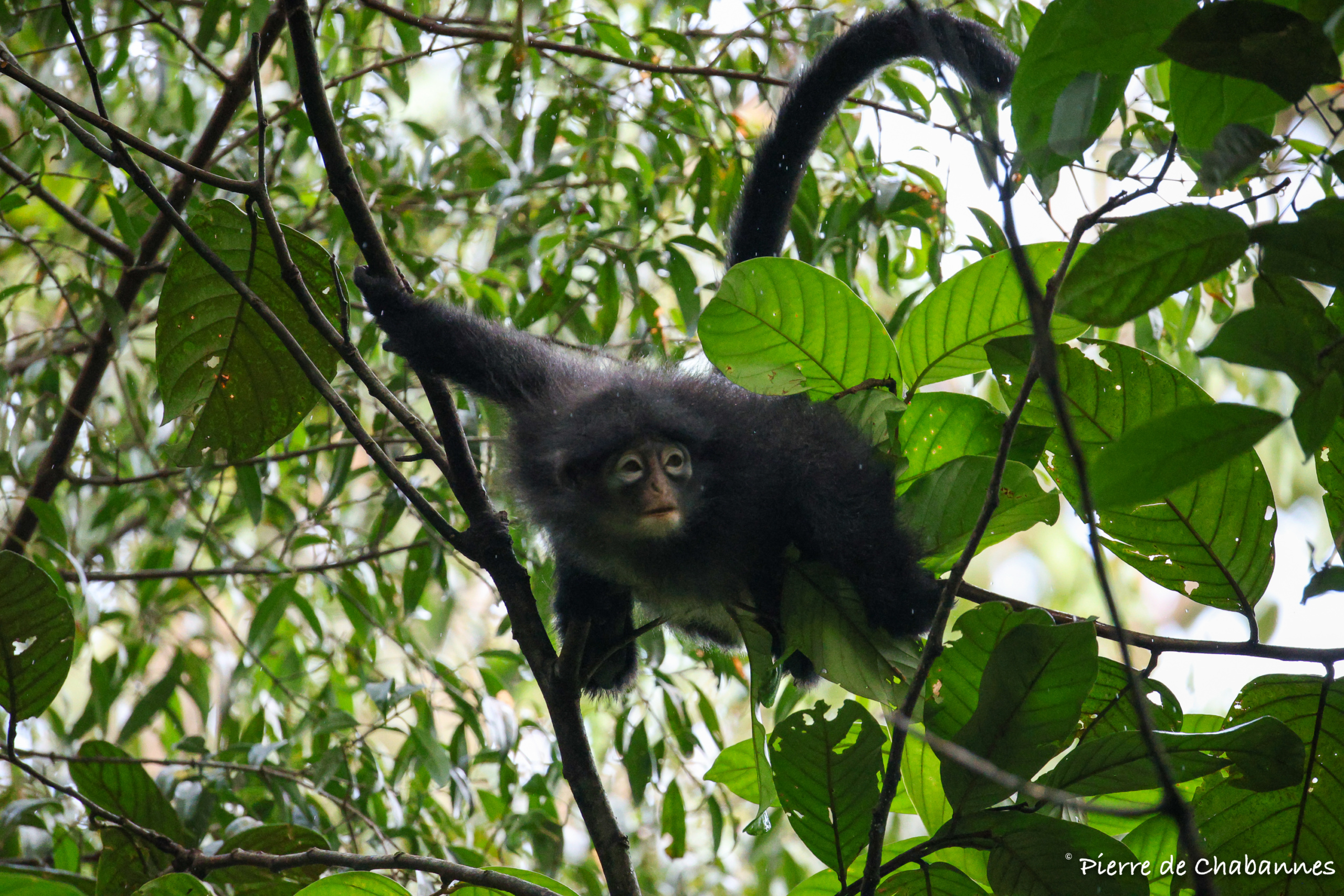
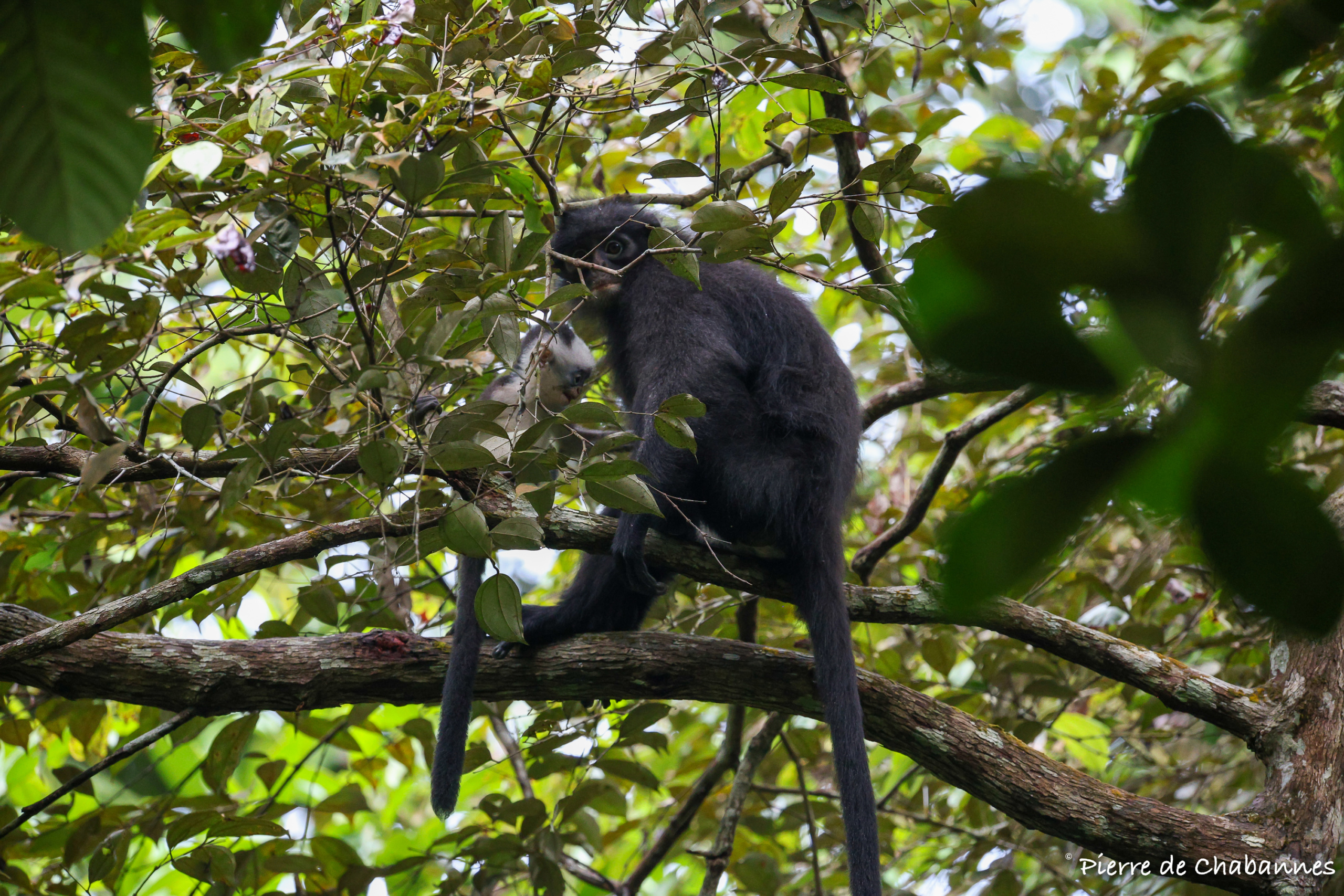
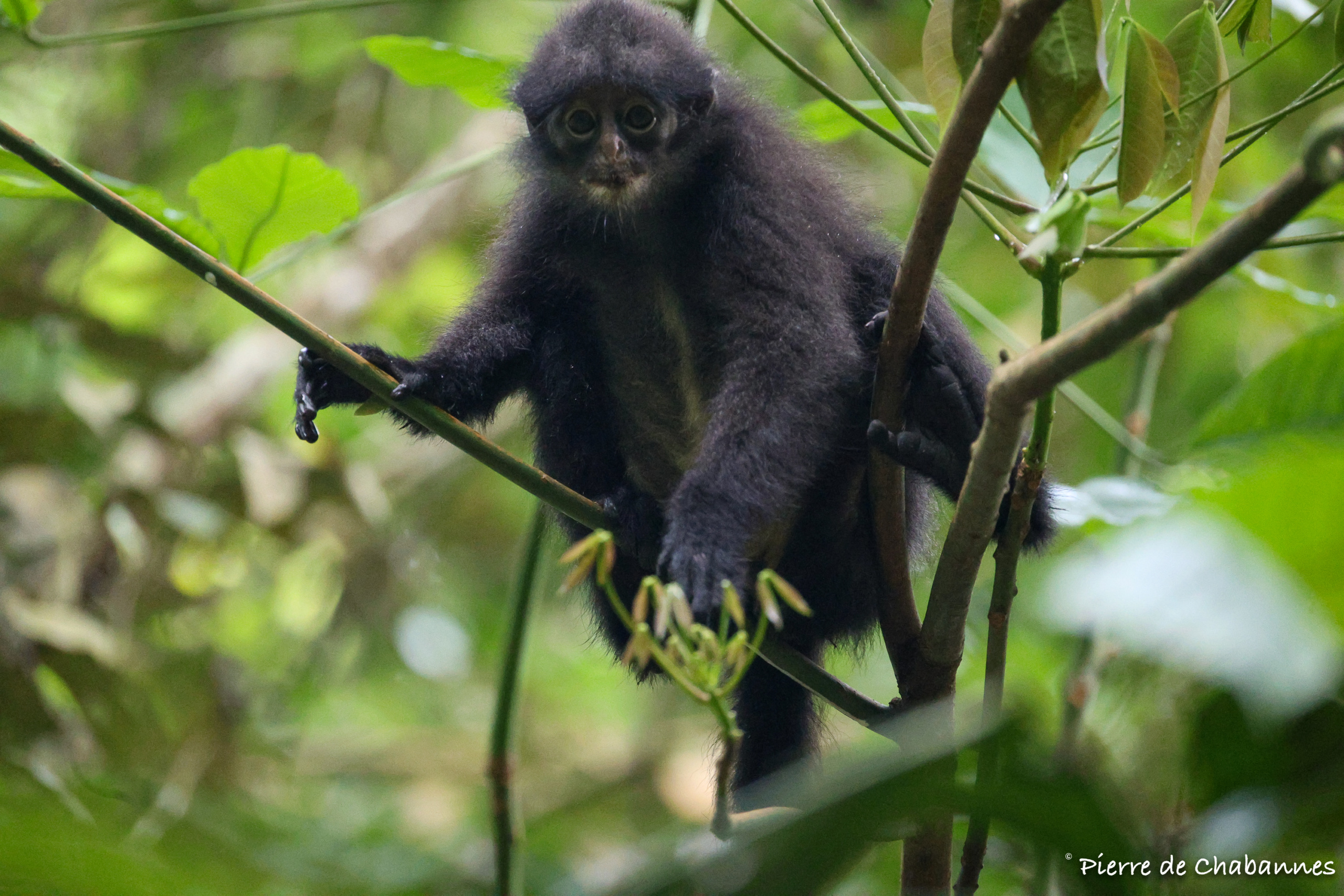
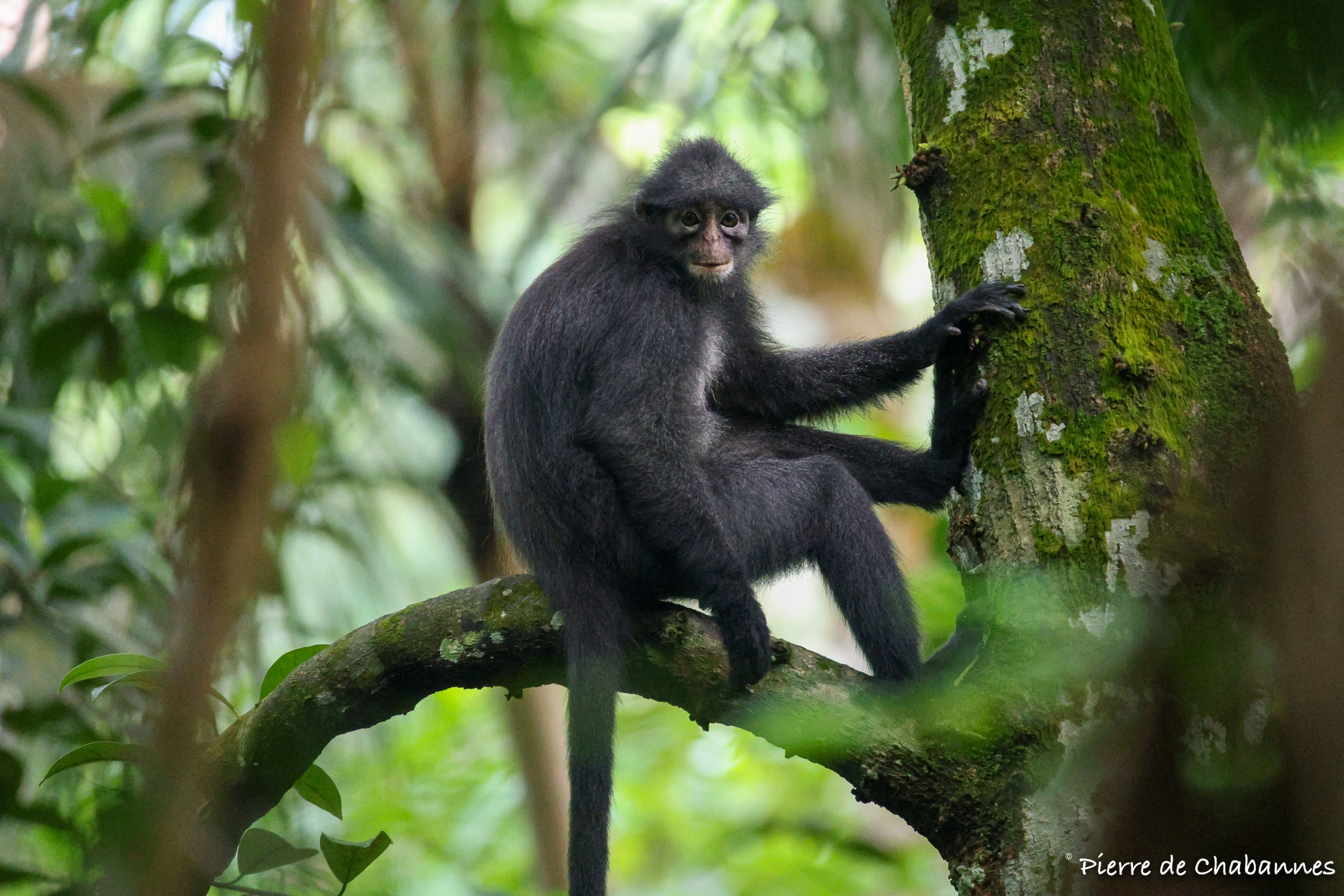
A family group observed on a sunny morning, feeding, playing and resting, along the trails of the Central Catchment Reserve in Singapore.
Field notes
This was a fortunate encounter, as these langurs are typically shy and tend to avoid humans, only briefly crossing roads or open areas while remaining mostly in the forest canopy.
When stationary, they can be extremely quiet and difficult to detect. Despite walking the same trail several times that morning, I only observed them on my final pass, when the group became more active.
The Central Catchment Reserve, where they are most often found, is the largest forested area in Singapore but remains surrounded by urban development. Their habitat is well protected, yet extremely limited.
Key facts
This langur is a swamp forest specialist, often associated with large trees in peat-swamp habitats. In Singapore, much of its original habitat has disappeared, while in nearby Malaysia, more extensive forest patches remain.
Like all langurs, it primarily feeds on leaves and relies on specific forest plant species for its diet. As a colobine, it has a specialized digestive system adapted to processing foliage, making it highly dependent on intact forest ecosystems.
Conservation
This is one of the most endangered primates in the world with fewer than 250 mature individuals estimated across its entire range. It is listed as Critically Endangered by the IUCN Red List.
In highly urbanized areas such as Singapore, conservation efforts focus on habitat protection and improving connectivity between forest patches. Thanks to the work of Singapore-based primatologist Andie Ang, along with support from organizations such as Mandai Wildlife Group, the Singapore population is closely studied, monitored, and actively protected.
More photos from this observation
Other species of primates can be found by browsing my Education resources.
Back to Primates of Southeast Asia Next Species →
“A long-term project documenting biodiversity across the world through fieldwork, zoological observations and educational content.”