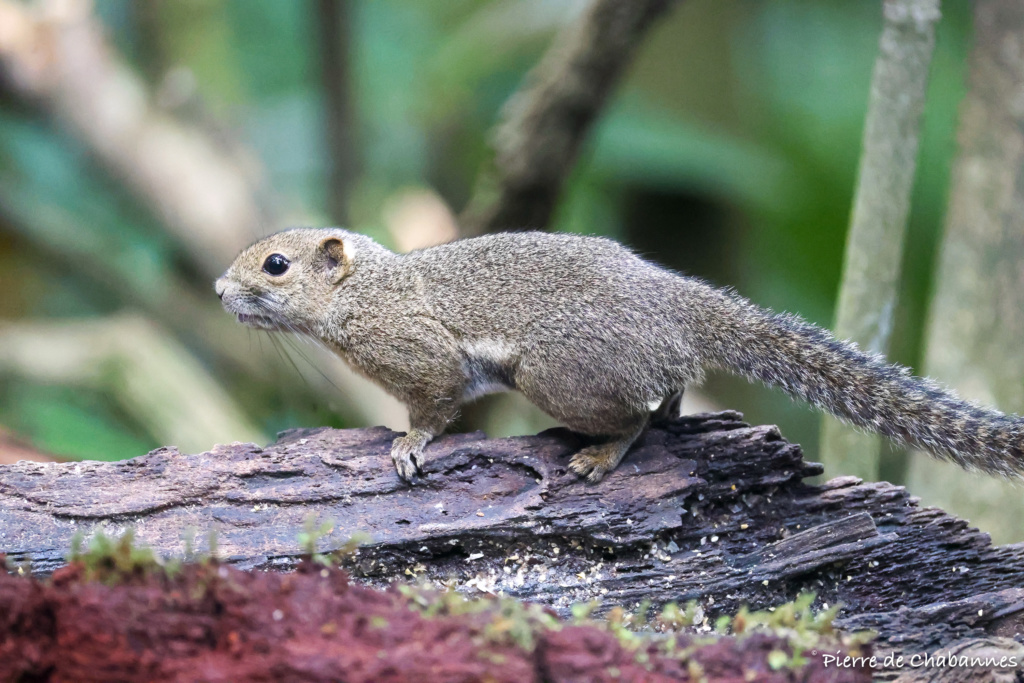
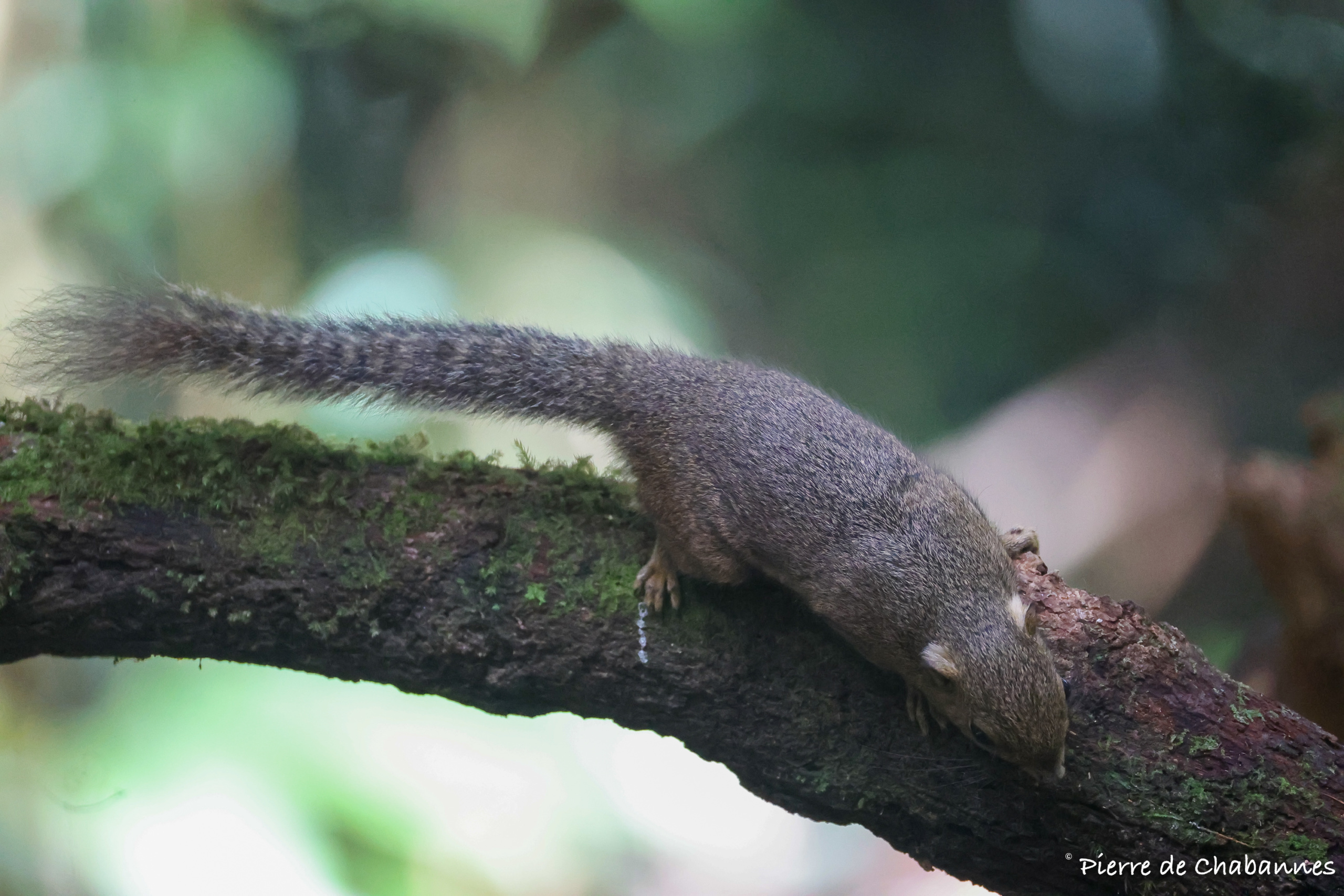
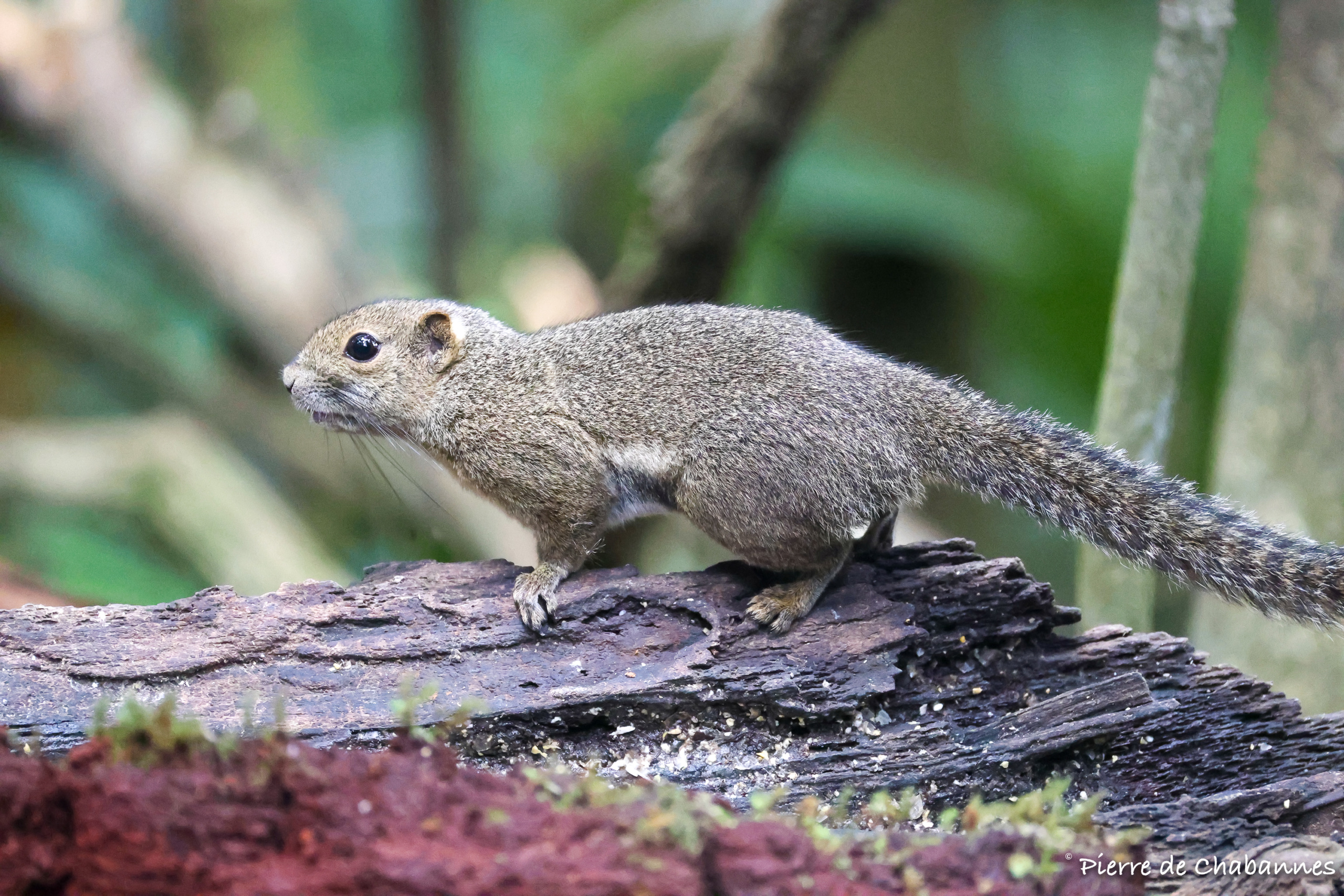
Ear-spot squirrel (Callosciurus adamsi)
A little-known squirrel endemic to Borneo’s submontane and lowland forests, recognizable by the pale markings behind its ears.
Context
Observed at Trusmadi bird hide, in a primary forest area located near a mountain road. Three individuals were foraging near the hide, alongside three other squirrel species.
Field notes
This species appears difficult to observe across much of its range, making the Trusmadi bird hide particularly valuable, as it allows prolonged and close-range views of this otherwise elusive squirrel, amongst other species.
It closely resembles the black-banded squirrel found around Mount Kinabalu, although it is generally paler in coloration and can be distinguished by the characteristic patch of white hairs located behind the ears.
Around bird hides, some squirrels become accustomed to the regular presence of humans and may occasionally approach feeding areas, offering unusual opportunities for observation and photography. At Trusmadi bird hide, no fewer than six squirrel species have reportedly been observed (I photographed four during my day there).
Key facts
The ear-spot squirrel is endemic to Borneo and is primarily associated with submontane and montane forests. It also appears to occur in lowland forests, although it seems particularly difficult to detect there.
Despite repeated visits to the Sepilok Rainforest Discovery Centre near Sandakan, where the species is believed to occur, I was never able to observe it in that area.
Like many tropical squirrels, it feeds mainly on fruits, seeds, and other plant material, while occasionally consuming insects or other small food items. However, because observations remain relatively uncommon, many aspects of its ecology, behavior, and habitat preferences are still poorly understood.
Conservation
The species is currently listed as Near Threatened on the IUCN Red List. The main threat facing the species is habitat loss linked to ongoing deforestation, particularly driven by the expansion of industrial agriculture such as oil palm plantations.
Although the species may tolerate limited habitat disturbance, the protection of extensive forest areas remains essential for its long-term survival, as well as for many other endemic species of Borneo.
More photos from this observation
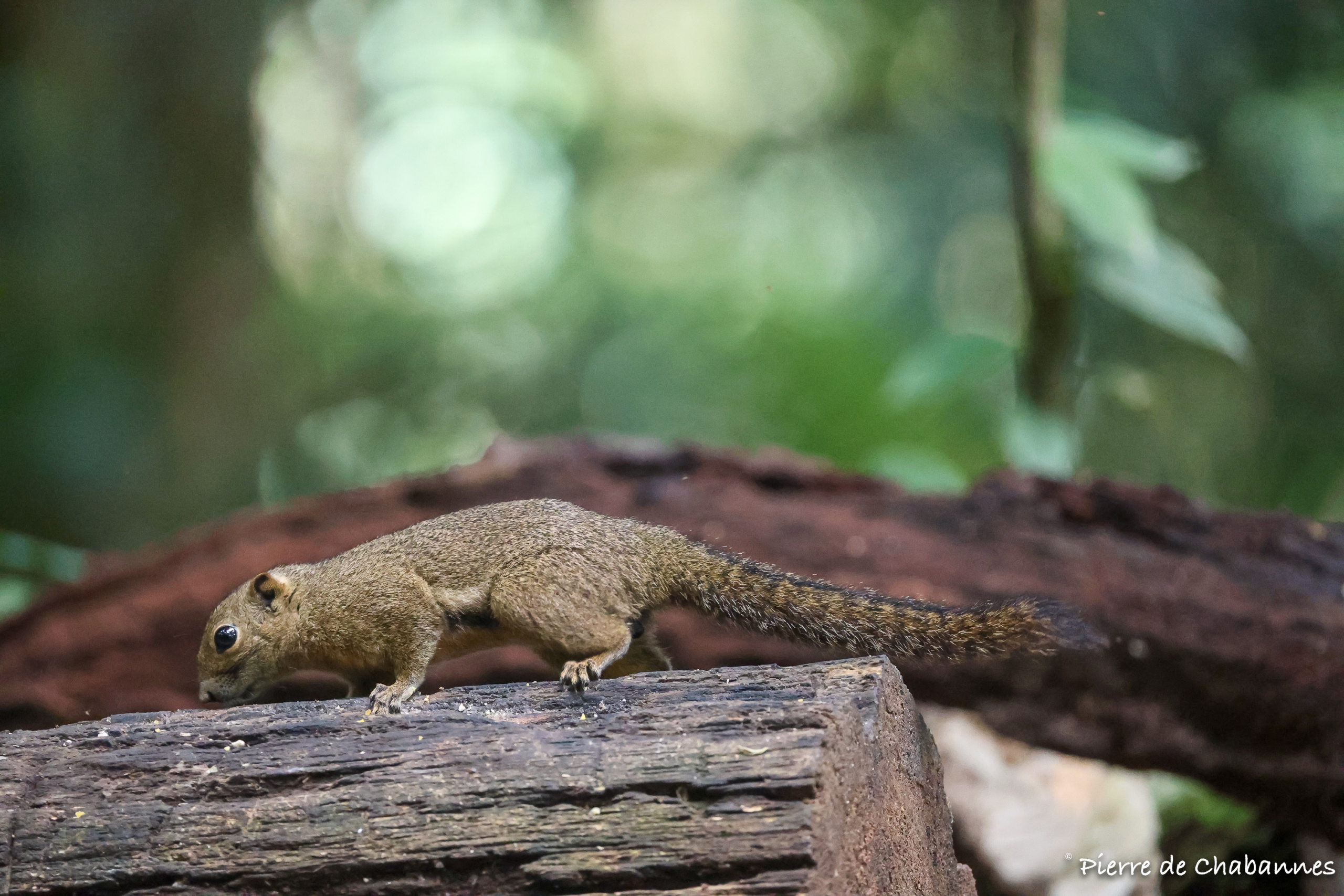
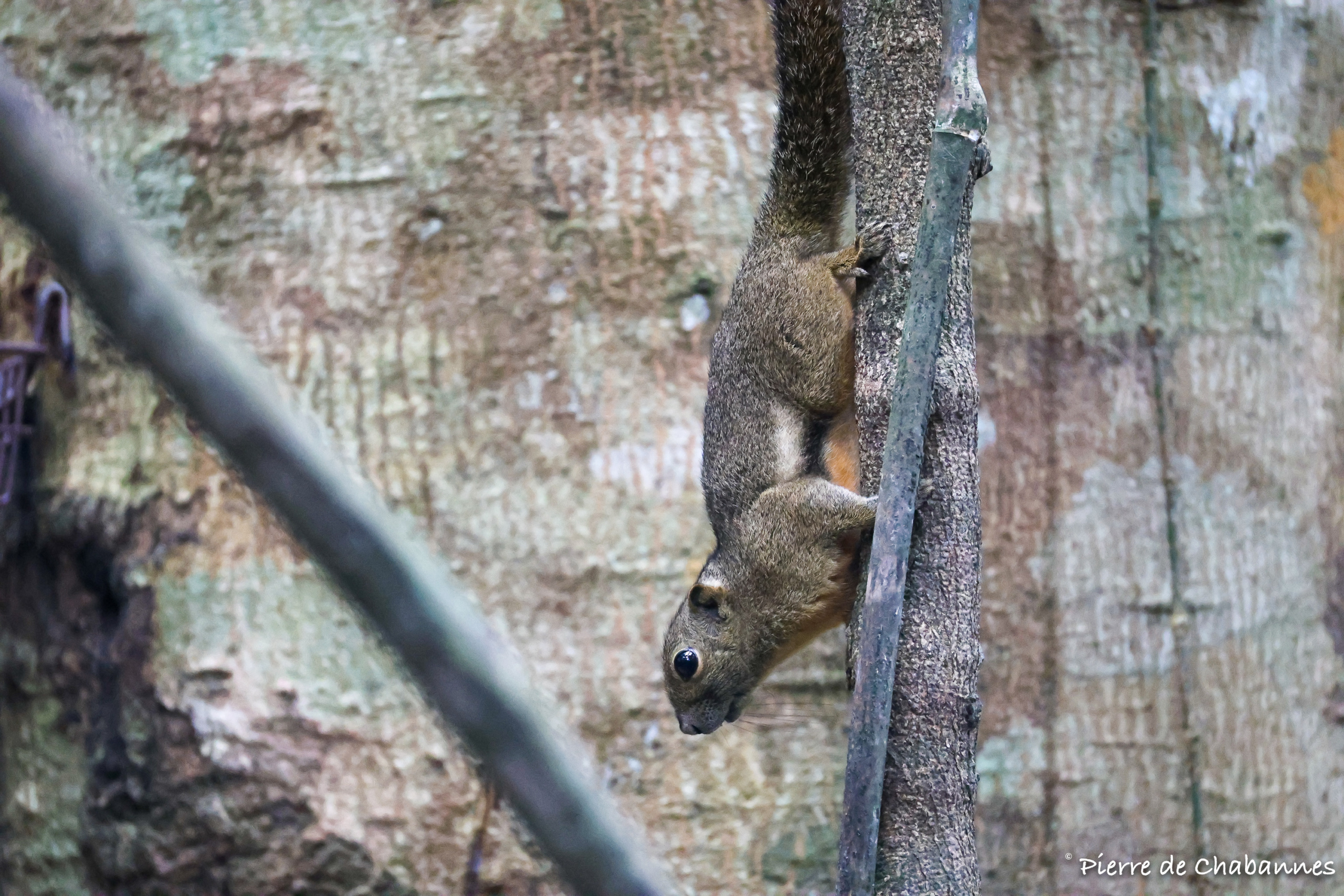
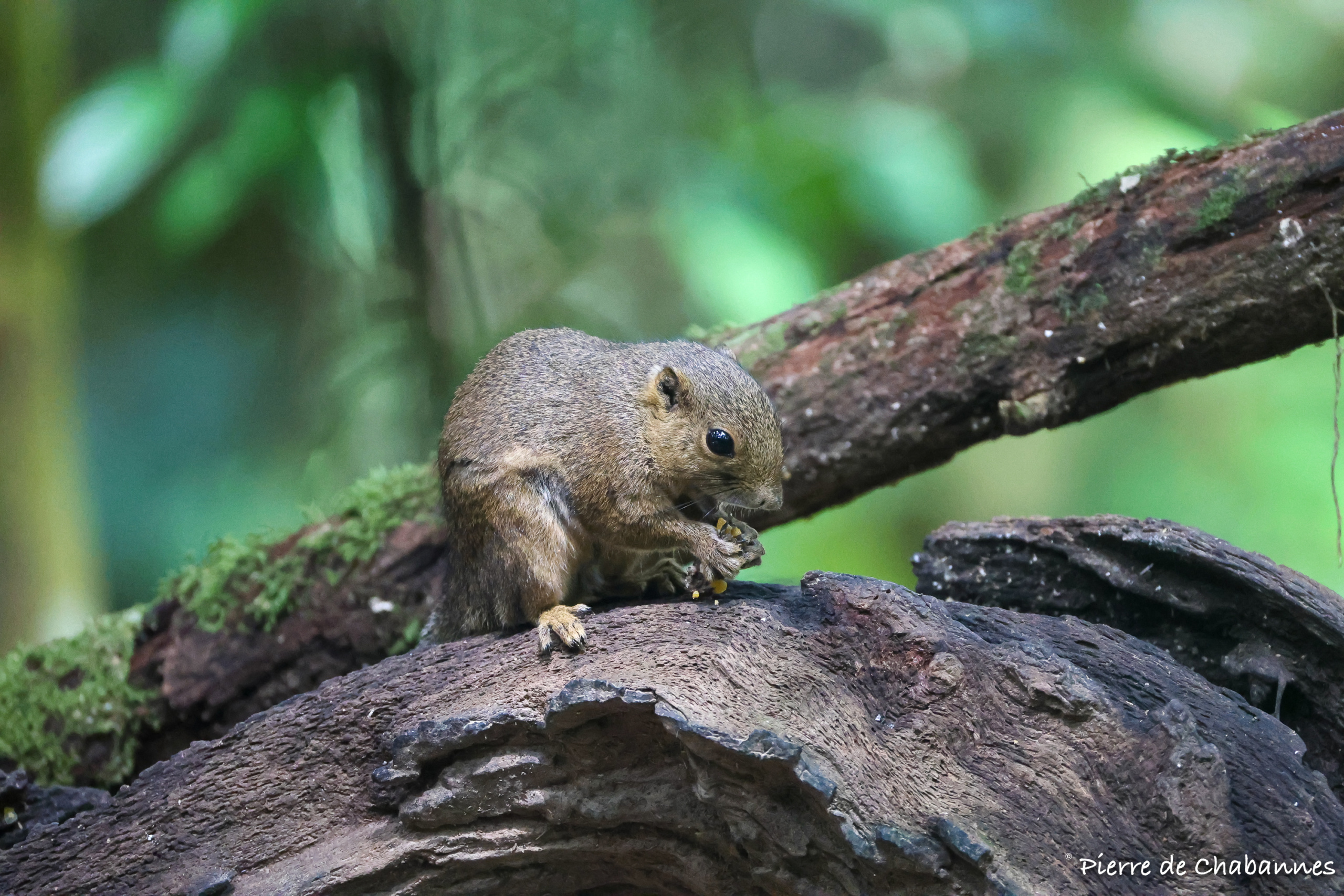
Other species from Borneo can be found by browsing my Education resources.
Back to Borneo hides ←Previous species Next species →
“A long-term project documenting biodiversity across the world through fieldwork, zoological observations and educational content.”