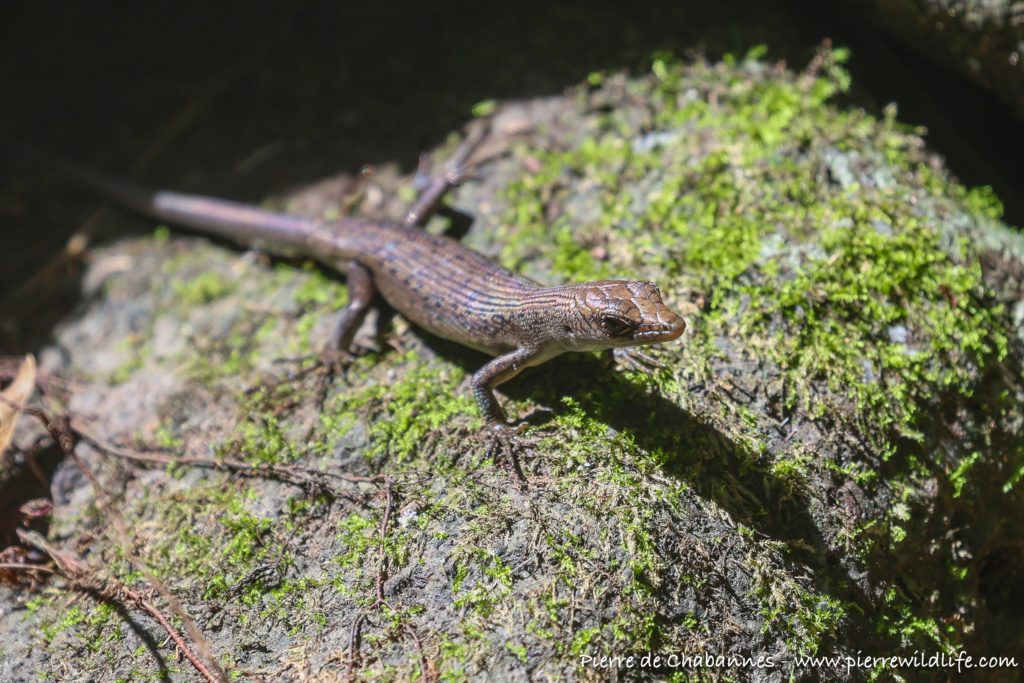
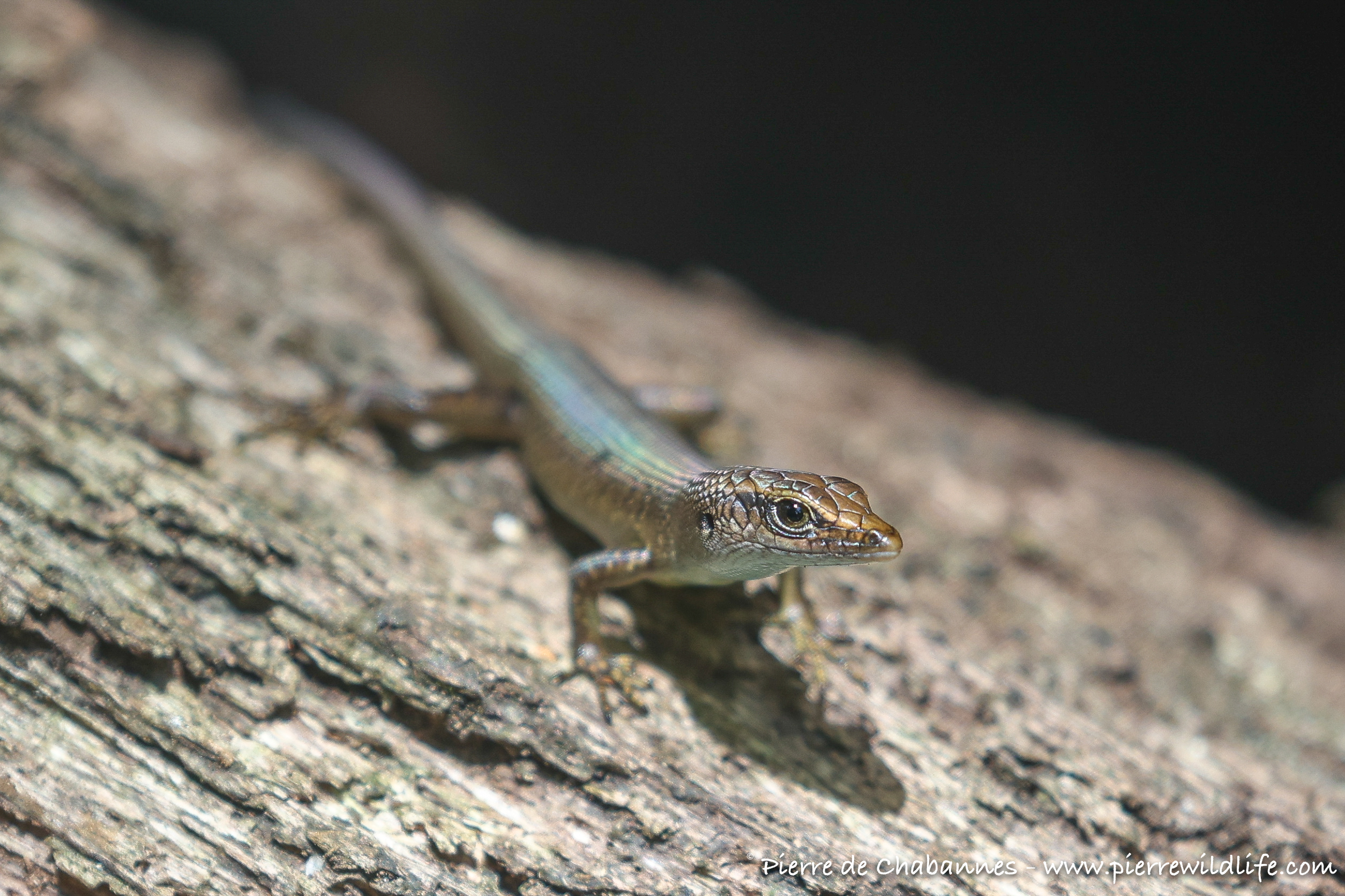
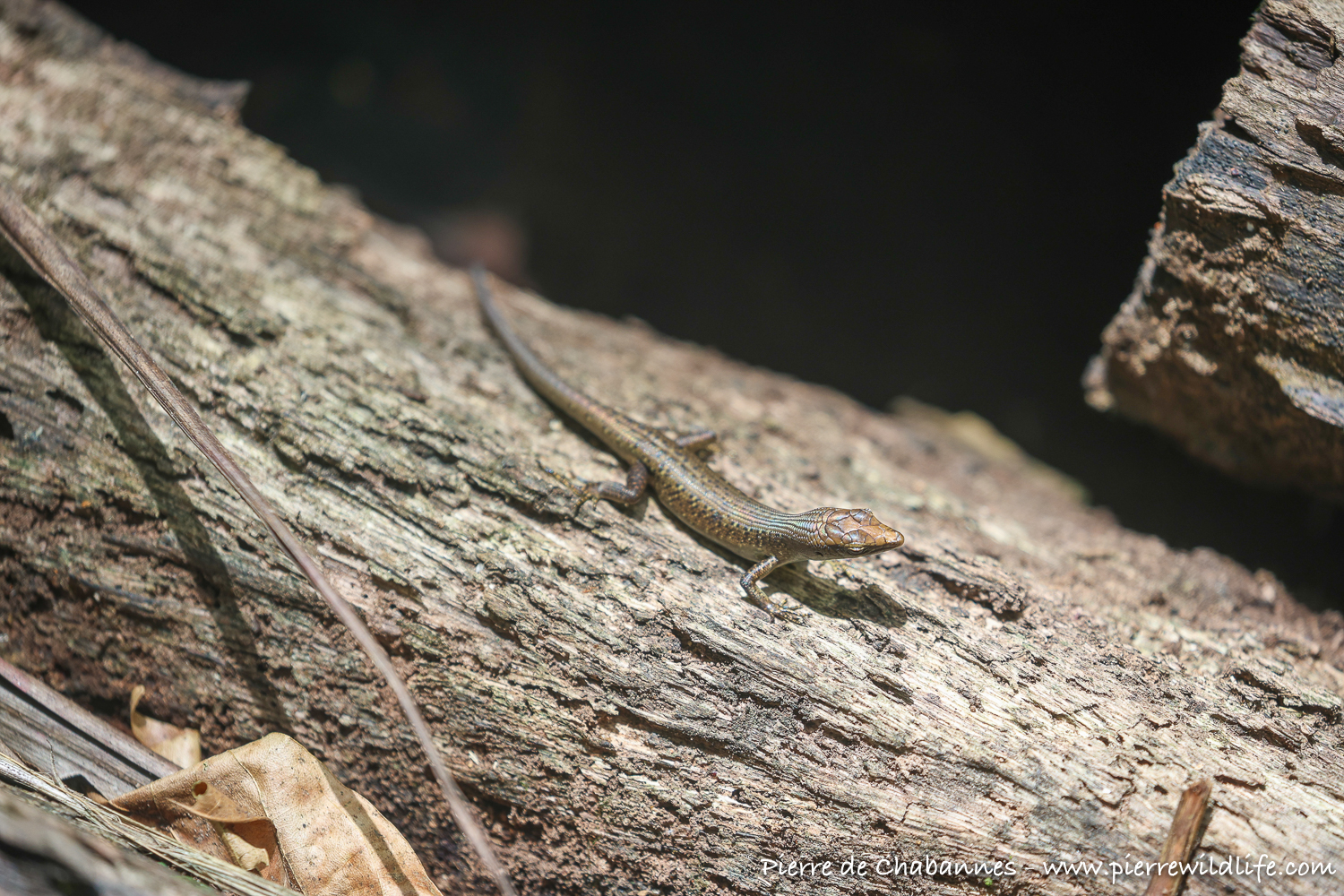
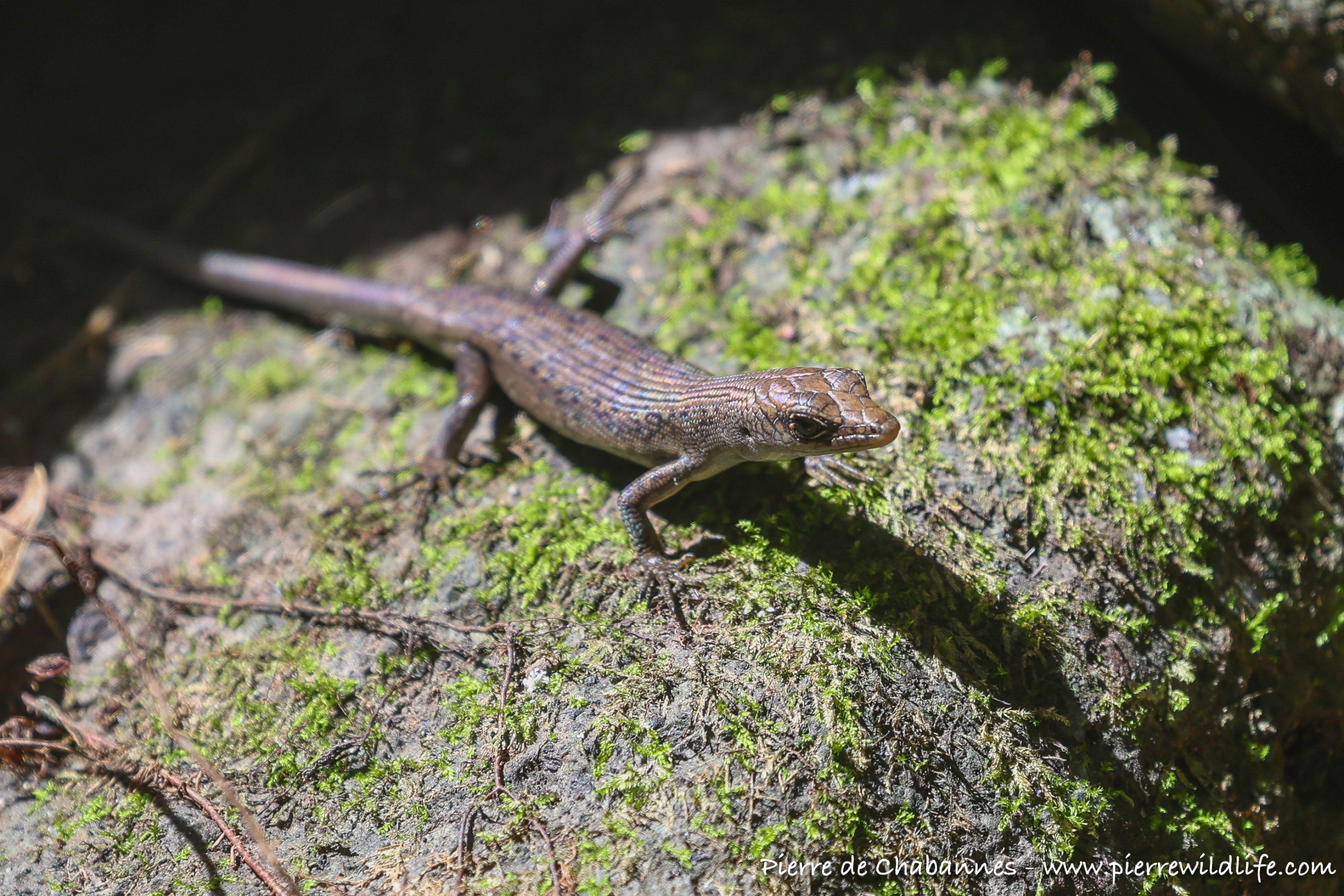
Micronesia spotted skink (Emoia boettgeri)
A small island skink endemic to eastern Micronesia, commonly associated with humid tropical forests and coastal vegetation.
Context
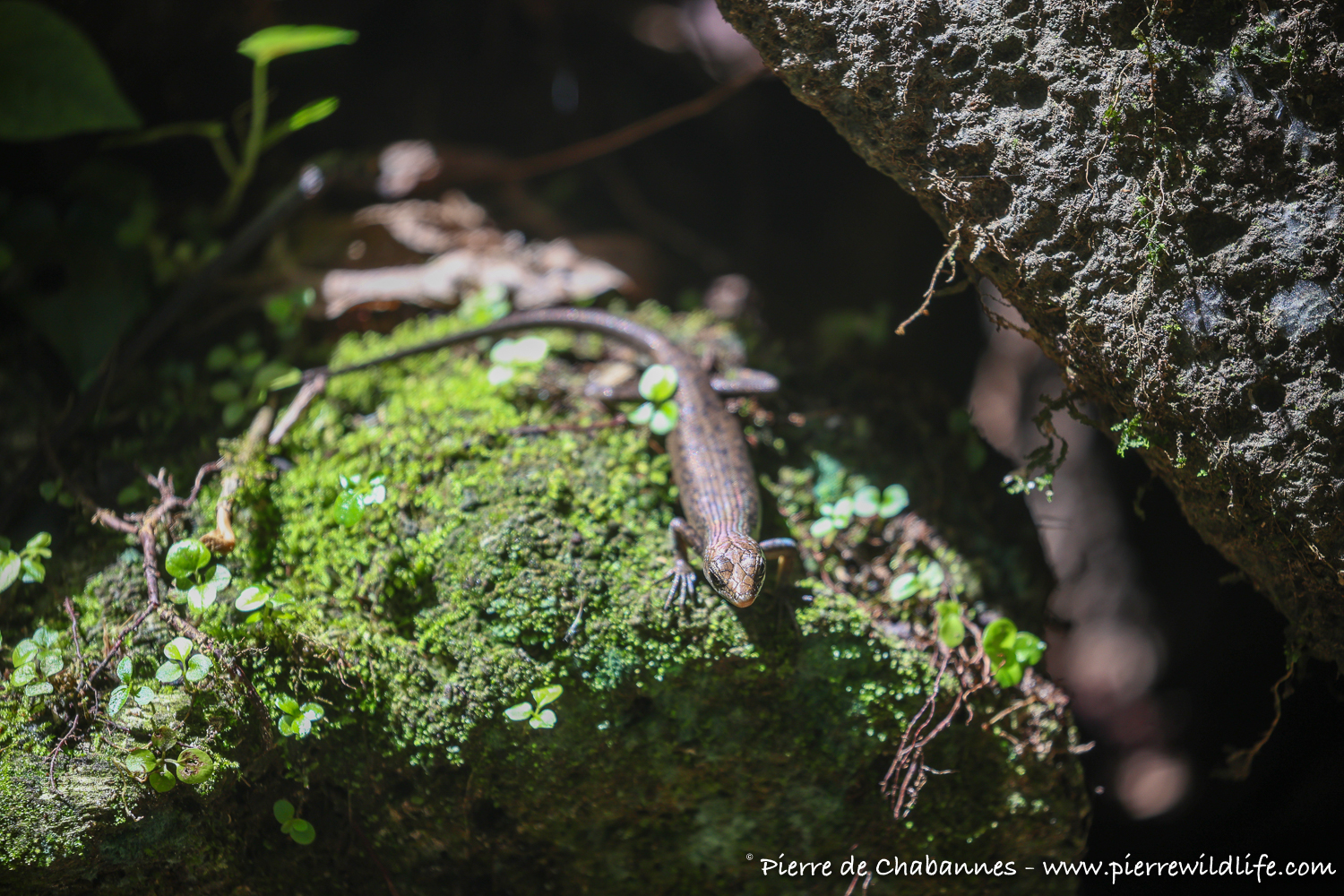
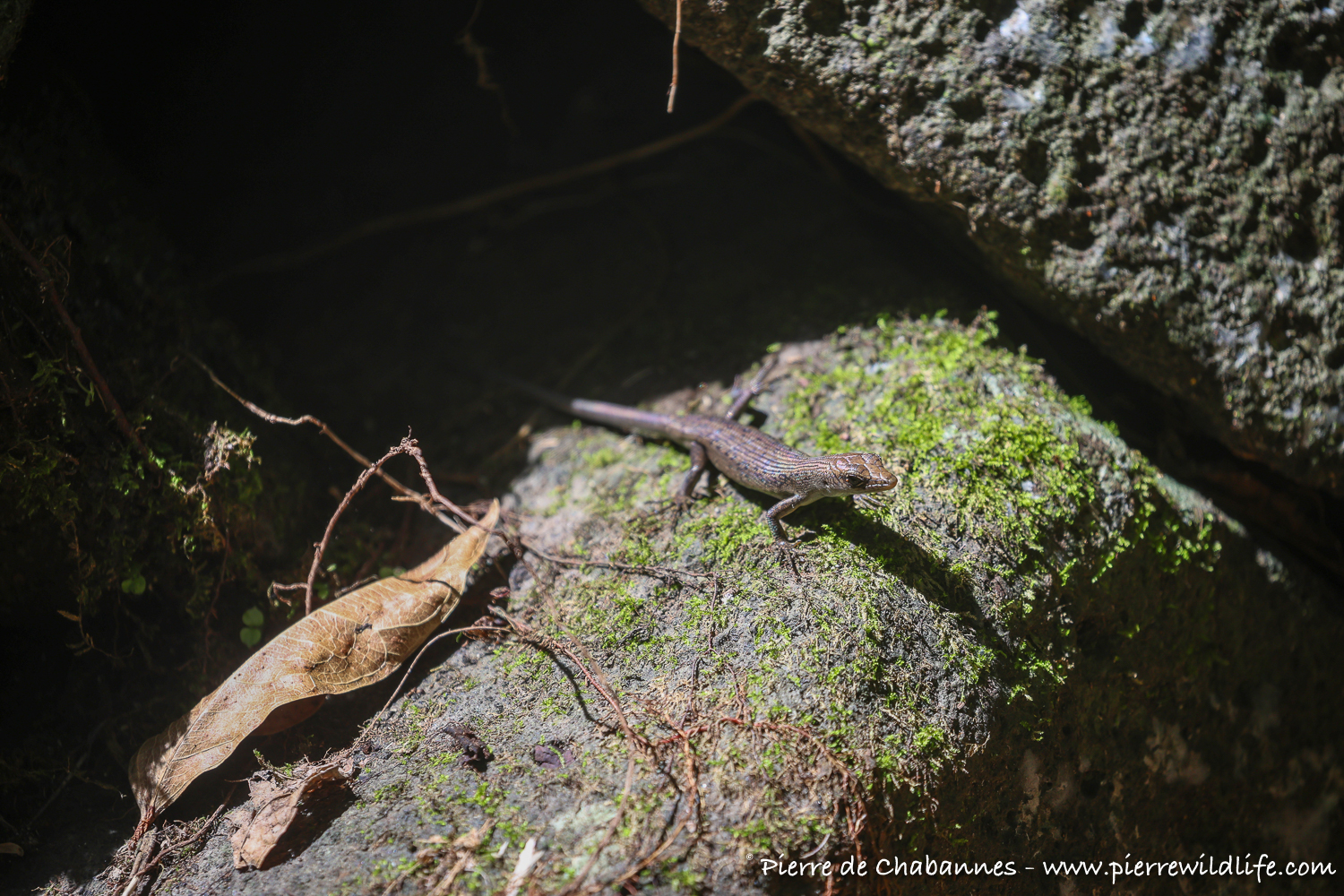
Three individuals observed in mangrove forests near the boulder formations marking the entrance to the historical site of Nan Madol, on Pohnpei Island.
Field notes
The Micronesian spotted skink is often found alongside at least two other widespread species of the genus Emoia.
Within its habitat, the species is relatively easy to recognize, as it is the only local Emoia lacking both a brightly colored tail (blue or turquoise) and yellow longitudinal body stripes.
Unlike the other widespread Emoia species present on Pohnpei, I have only observed the Micronesian spotted skink very close to sea level, particularly within mangrove forests.
Key facts
The Micronesian spotted skink belongs to the genus Emoia, a diverse group of skinks widely distributed across Pacific islands.
Pohnpei hosts five species of Emoia: three widespread species, one species endemic to the island’s high-elevation forests, and E. boettgeri, which occurs in lowland forests on only a few islands of eastern Micronesia.
Most of these restricted-range Pacific skinks remain poorly studied. Although habitat loss and other threats are suspected to affect their populations, very little information is available regarding population size, ecology, or conservation planning.
Conservation
The species is currently listed as Endangered on the IUCN Red List because it is restricted to lowland and coastal forests, among the most threatened ecosystems across Pacific islands.
Although the species appears capable of tolerating moderate habitat disturbance and can survive near settlements or cultivated areas, it occurs in lower densities outside suitable natural habitats.
Like many island species, it is particularly vulnerable to introduced predators such as rats, cats, and dogs.
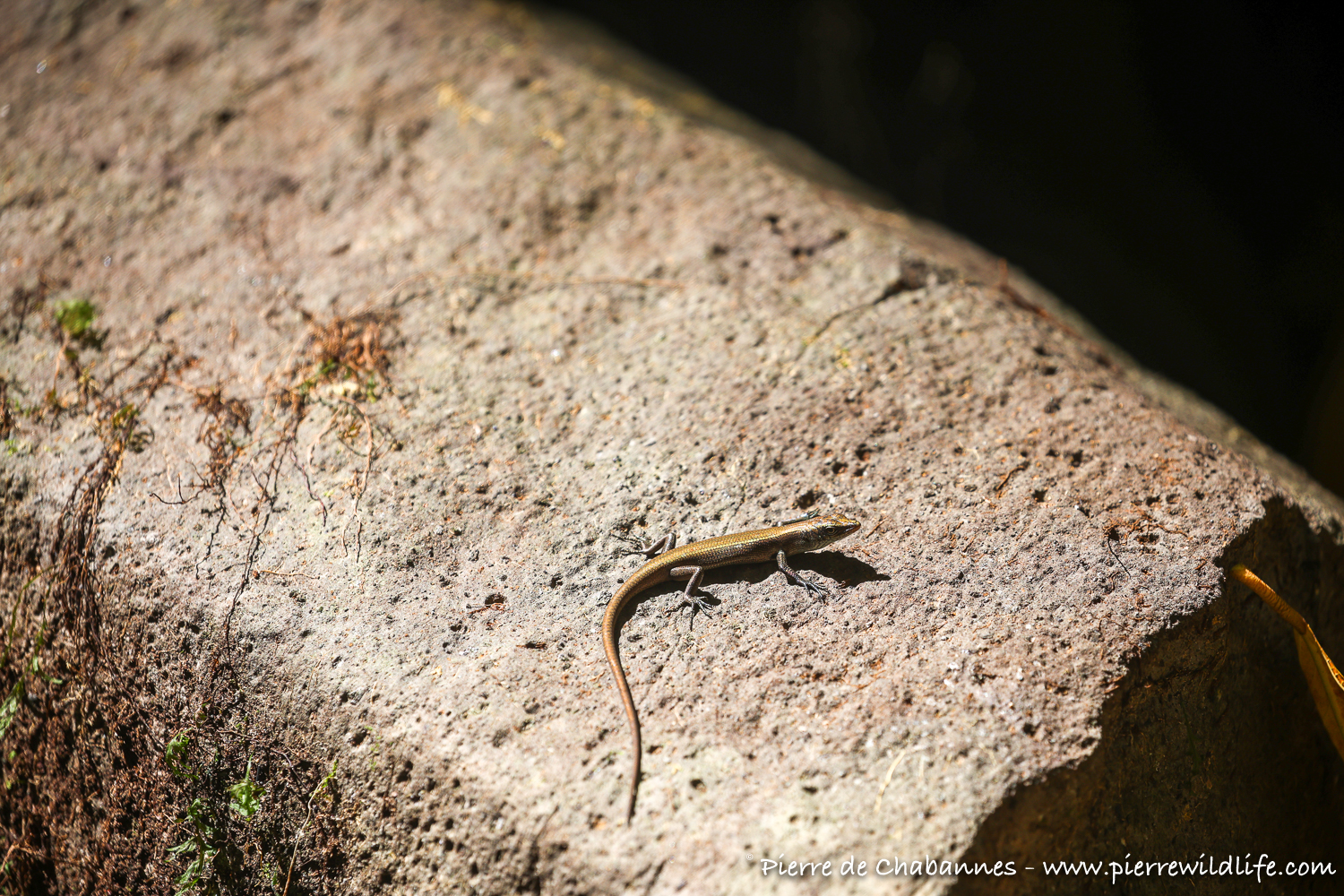
More photos from this observation
Other insular species can be found by browsing my Education resources.
Back to Island life ←Previous species Next Species →
“A long-term project documenting biodiversity across the world through fieldwork, zoological observations and educational content.”