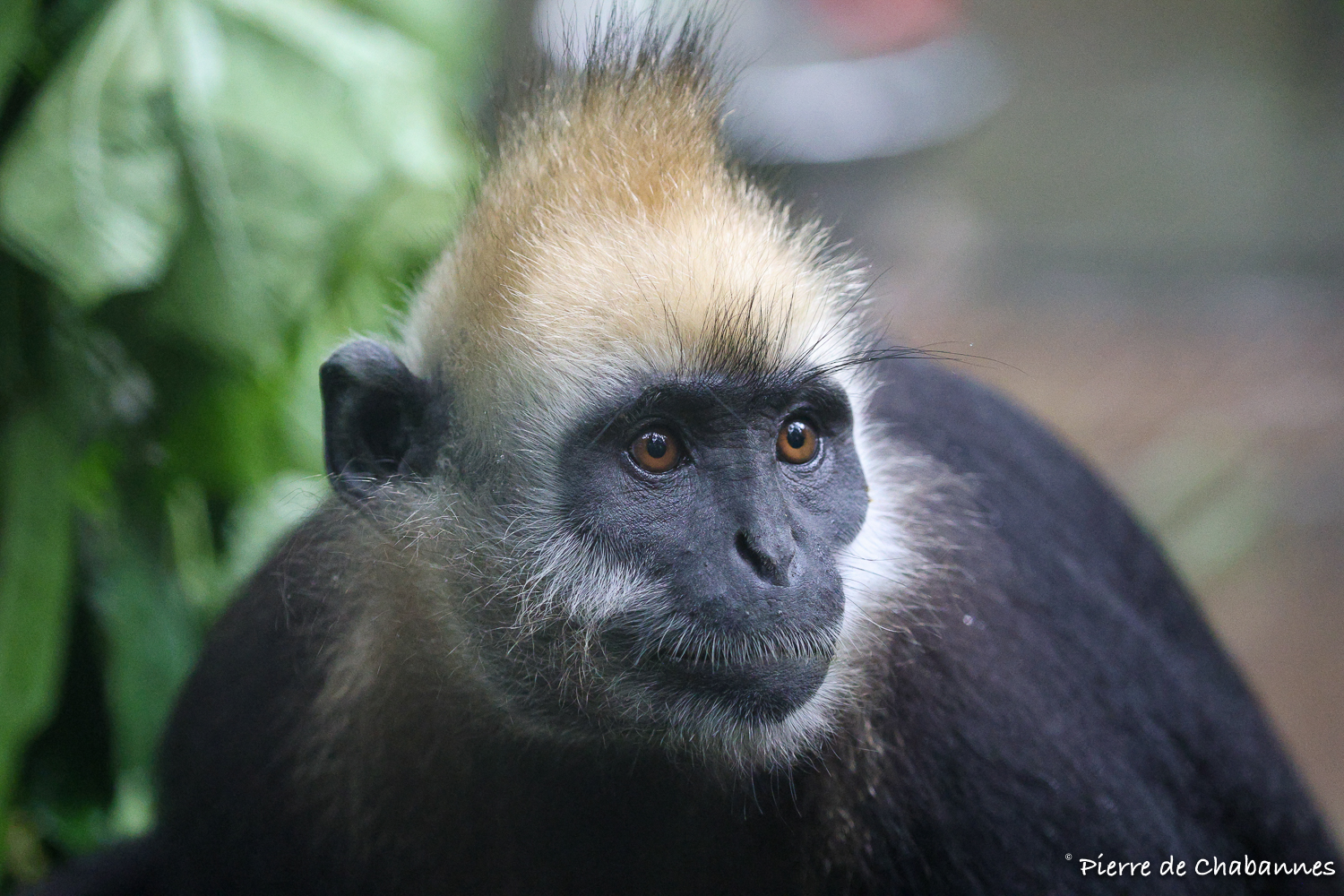
Cat Ba langur (Trachypithecus poliocephalus)
One of the world’s rarest primates, restricted to a single island in northern Vietnam.
Context
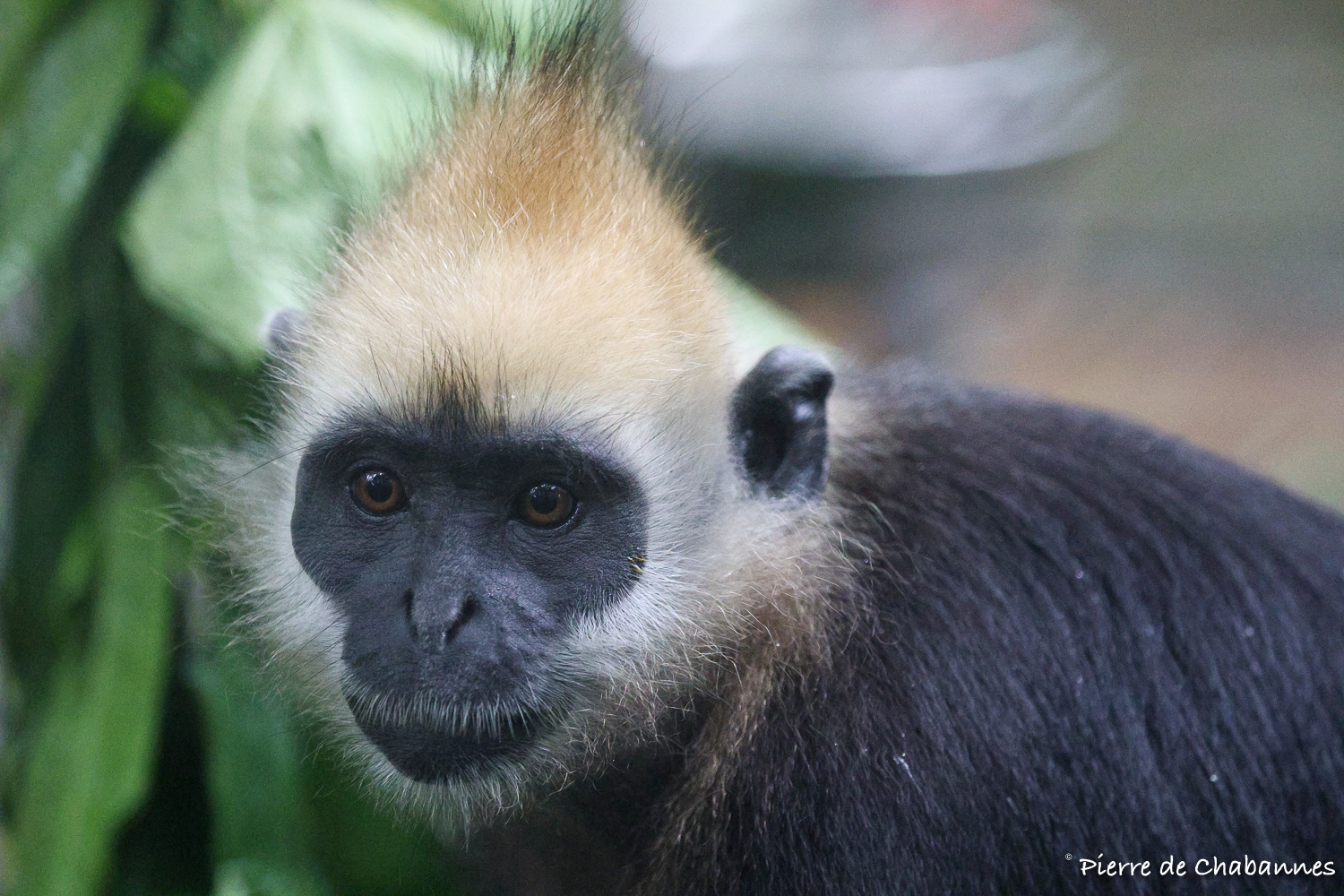
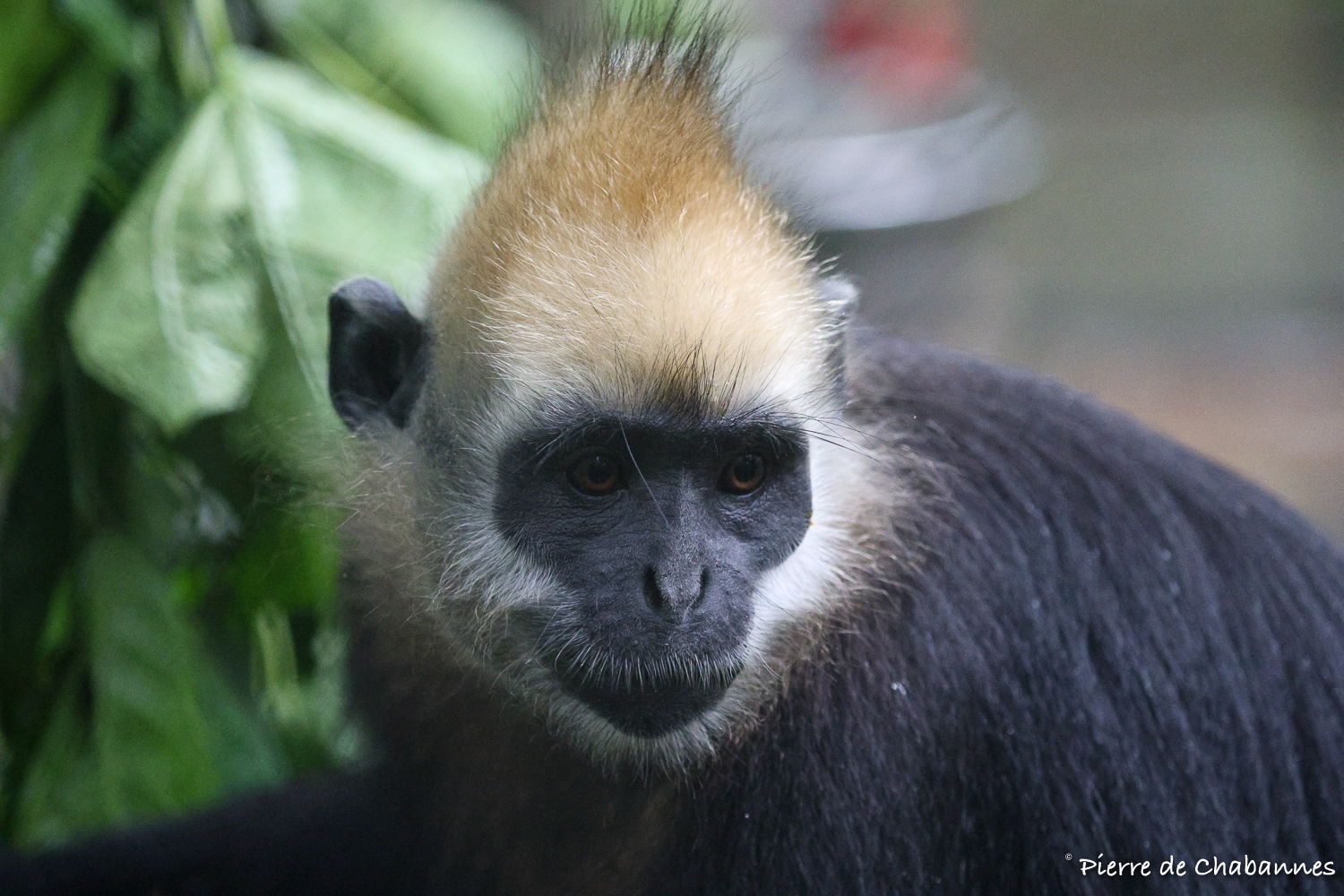
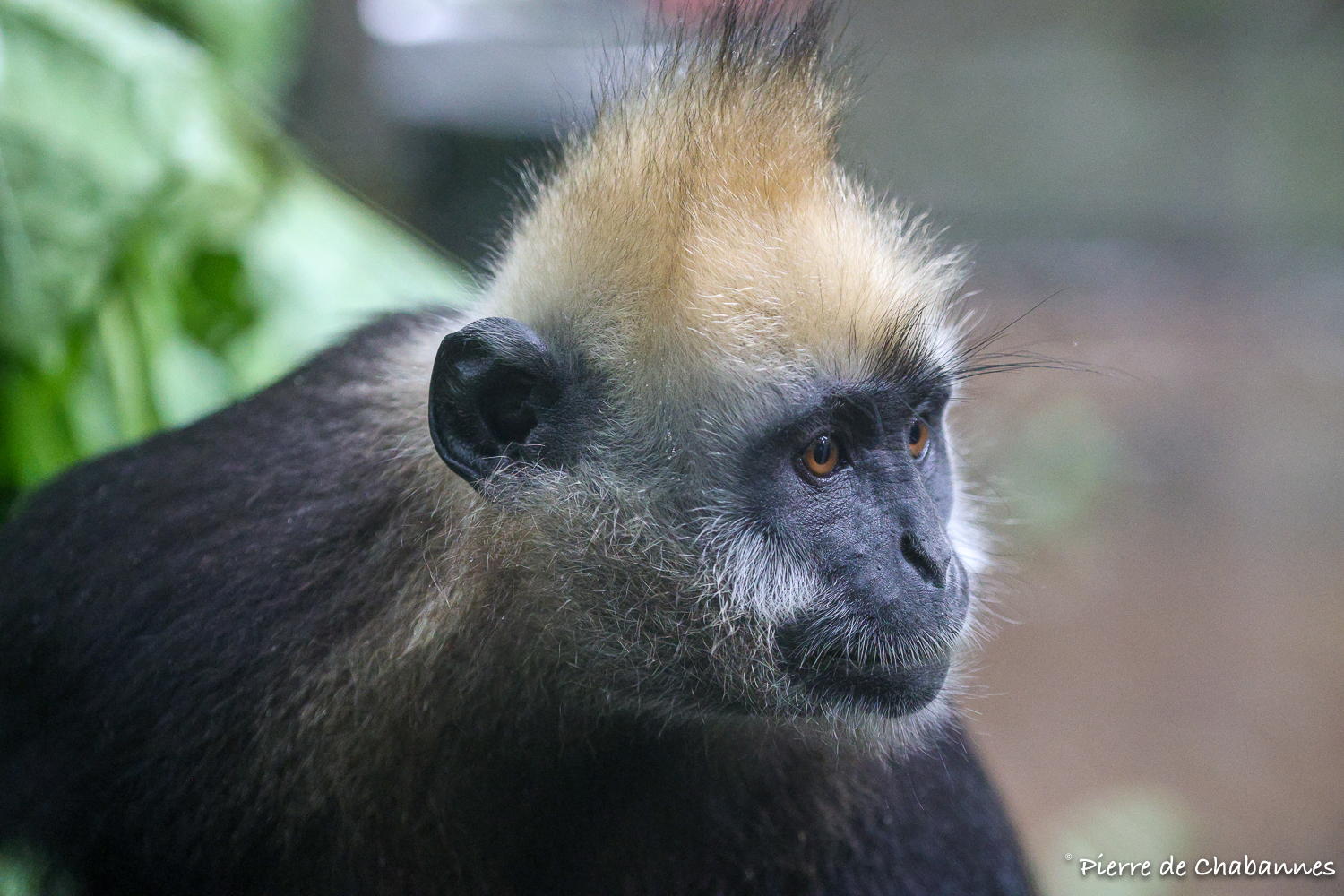
A small breeding group maintained within one of the large enclosures of the Endangered Primate Rescue Center (EPRC) in Cuc Phuong National Park, Vietnam. The individual pictured here is the adult male.
Field notes
The Endangered Primate Rescue Center is currently the world’s only institution keeping and breeding Cat Ba langurs, alongside many other critically endangered Vietnamese primate species. It os one of the largest facilities dedicated to the conservation of endemic primates anywhere in the world.
The small family group housed at EPRC has bred occasionally, giving hope that conservation breeding could eventually help reinforce the species if necessary.
Most importantly, the center has made it possible to collect valuable scientific data on many poorly known and critically endangered Vietnamese primates. Several world-first captive breeding successes have been achieved there, while the institution also supports conservation initiatives throughout Vietnam.
Key facts
The species is endemic to Cat Ba Island in Ha Long Bay and belongs to a group of Southeast Asian langurs specialized for limestone karst habitats.
Unlike most other langurs of the genus Trachypithecus, this species retains orange coloration on the head and sometimes the shoulders. Infants are born entirely orange before gradually developing the darker adult coloration as they mature.
Monitoring wild populations is particularly challenging, as most remaining groups inhabit inaccessible limestone cliffs and forests that can generally only be surveyed from the sea.
Conservation
The species is currently listed as Critically Endangered on the IUCN Red List and is considered one of the rarest primates on Earth.
Approximately fifty individuals are believed to survive in the wild, all restricted to Cat Ba National Park within highly inaccessible limestone forest habitats. In 2016 alone, the estimated wild population declined from around seventy to fifty individuals due to poaching.
Today, protection measures within Cat Ba National Park have improved, and the work carried out by EPRC remains essential for the species’ survival through conservation breeding, scientific research, and local education programs.
More photos from this observation
Other species with zoo conservation programs can be found by browsing
my Education resources.
Back to Zoo Conservation ←Previous species Next Species →
“A long-term project documenting biodiversity across the world through fieldwork, zoological observations and educational content.”