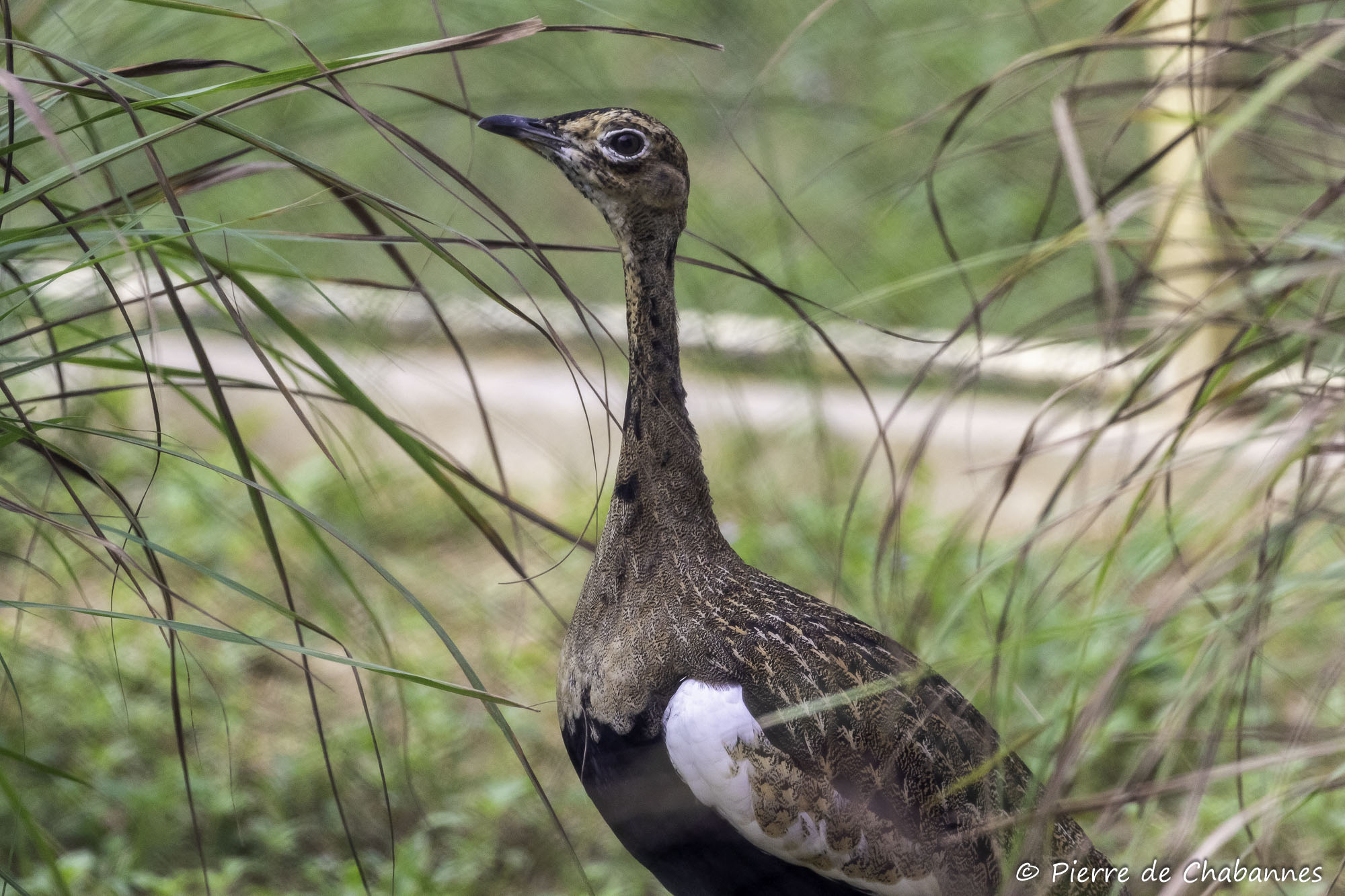
Bengal florican (Houbaropsis bengalensis blandini)
One of South Asia’s rarest grassland birds, rapidly disappearing from its remaining natural habitats.
Context
A conservation breeding group maintained in specially designed, strictly protected aviaries at the Angkor Centre for Conservation of Biodiversity (ACCB), near Siem Reap, Cambodia. The centre is supported by European zoological institutions and works in collaboration with Cambodian conservation authorities.
Field notes
Located near Kbal Spean temple, in the wider Angkor region, ACCB is dedicated to the rescue, rehabilitation, and conservation breeding of Cambodia’s threatened wildlife. The centre receives substantial support from European zoos, particularly Allwetterzoo Münster, and works closely with Cambodian conservation authorities. Educational visits are organized regularly to raise awareness among local communities and international visitors.
Under human care, Bengal floricans remain extremely nervous and highly sensitive to disturbance, reflecting their naturally cautious behaviour in the wild. For this reason, the birds are generally maintained away from public view, with access restricted to carefully managed circumstances.
Despite these challenges, the conservation breeding programme has achieved encouraging results, with young floricans successfully hatched and raised at ACCB since the early 2020s.
Combined with habitat protection, scientific monitoring, and educational initiatives, this breeding effort represents an important safeguard for the future of the Cambodian subspecies.
Key facts
The Bengal florican is one of the rarest bustards in the world, surviving in fragmented grassland habitats in Cambodia and parts of the Indian subcontinent. The subspecies Houbaropsis bengalensis blandini is associated with mainland Southeast Asia and is now largely restricted to Cambodia following its disappearance from much of its former range, including southern Vietnam.
During the breeding season, males perform remarkable vertical jumping displays above the tall grass, accompanied by characteristic wing sounds that form part of their courtship behaviour.
Unlike many tropical Asian birds associated with forests, the Bengal florican depends on open, seasonally flooded grasslands. These habitats are among the most threatened ecosystems in Southeast Asia because of agricultural expansion, drainage, and land conversion.
Conservation
The species is currently listed as Critically Endangered on the IUCN Red List and is considered one of the rarest bustards on Earth. Both recognized subspecies face severe conservation challenges in the wild.
The Cambodian subspecies remained poorly documented until significant populations were identified in the seasonally flooded grasslands surrounding Tonle Sap Lake. Unfortunately, the rapid conversion of these habitats into agricultural land, particularly rice fields, combined with hunting pressure, has caused dramatic population declines. Some assessments have suggested losses exceeding 50% over periods of approximately ten years.
Without effective habitat protection and continued reductions in hunting pressure, the Cambodian Bengal florican faces a serious risk of disappearing from the wild. The conservation work undertaken by ACCB, Cambodian authorities, and local partners is therefore of considerable importance.
Additional initiatives led by organizations such as the Sam Veasna Center promote responsible birdwatching tourism focused on Bengal floricans. These programmes can generate income for local communities while encouraging habitat protection and more sustainable land-management practices.
More photos from this observation
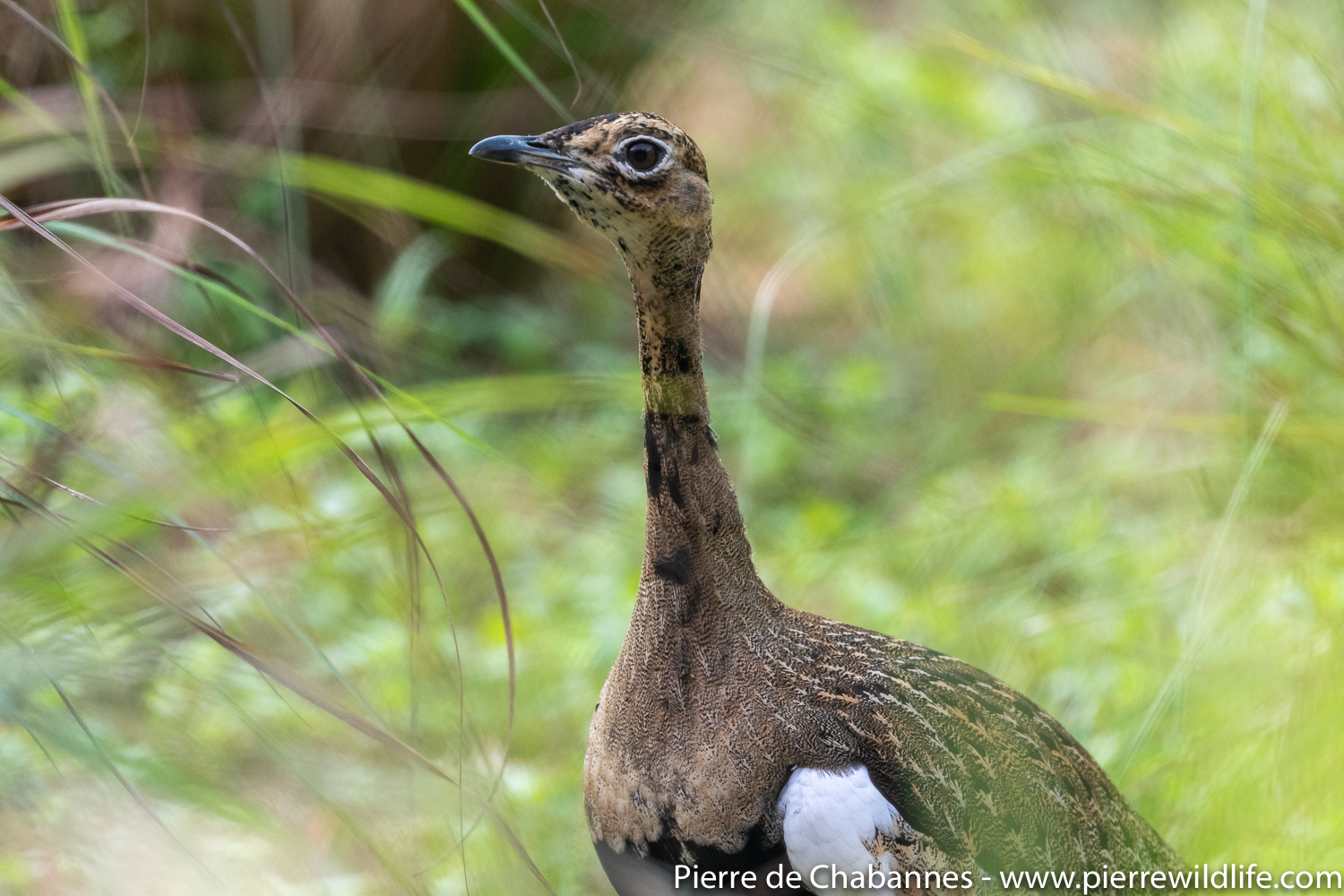
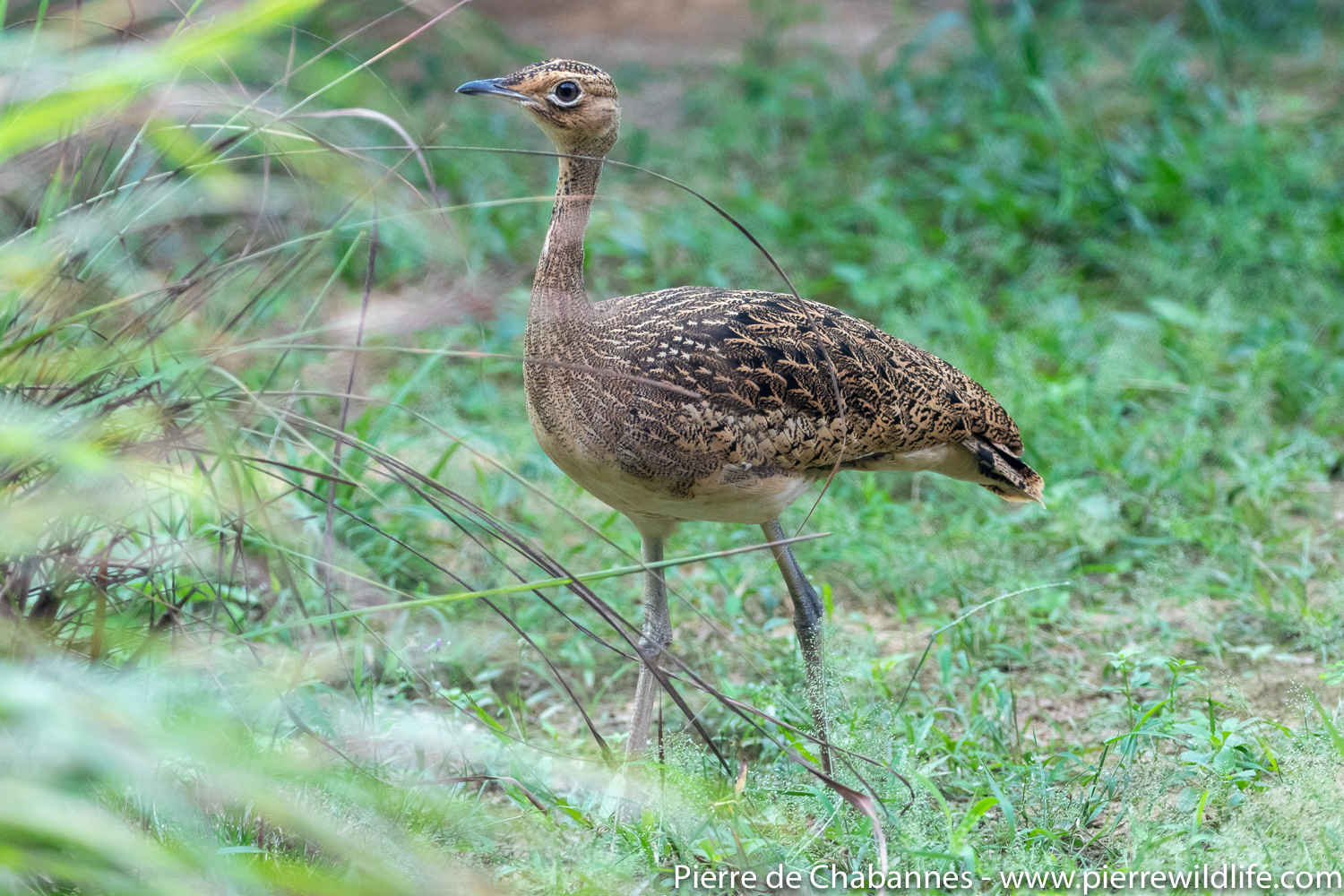
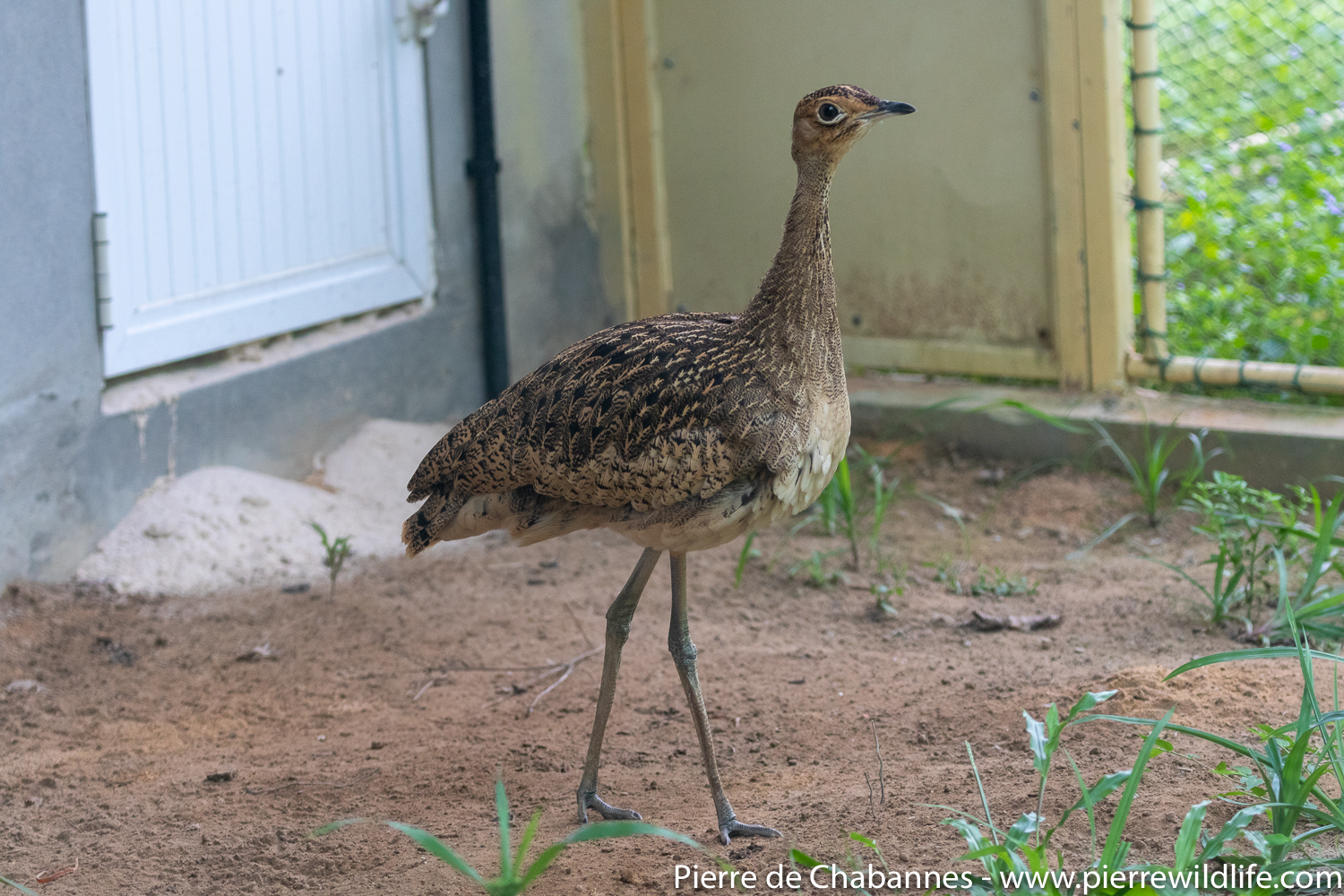
Other species involved in zoo conservation programmes can be found by browsing my Education resources.
“A long-term project documenting biodiversity across the world through fieldwork, zoological observations and educational content.”