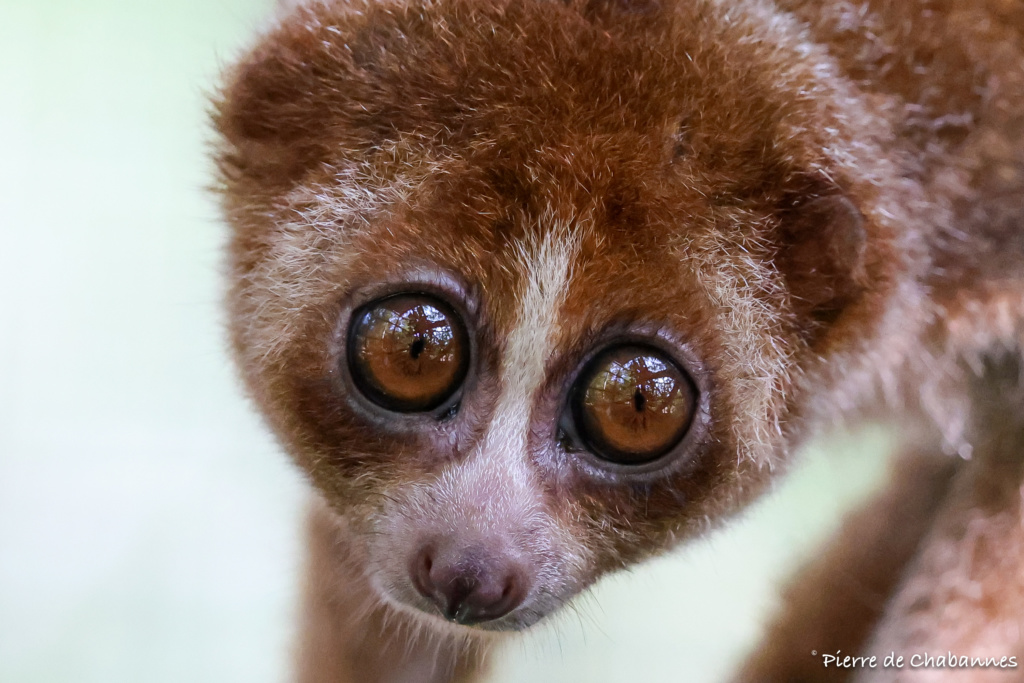
Bangka slow loris (Nycticebus bancanus)
This very cute nocturnal primate is one of Southeast Asia’s most endangered primates.
Context
A single individual lives under human care at the rescue and breeding center of ALOBI foundation, on Bangka Island (Indonesia).
Field notes
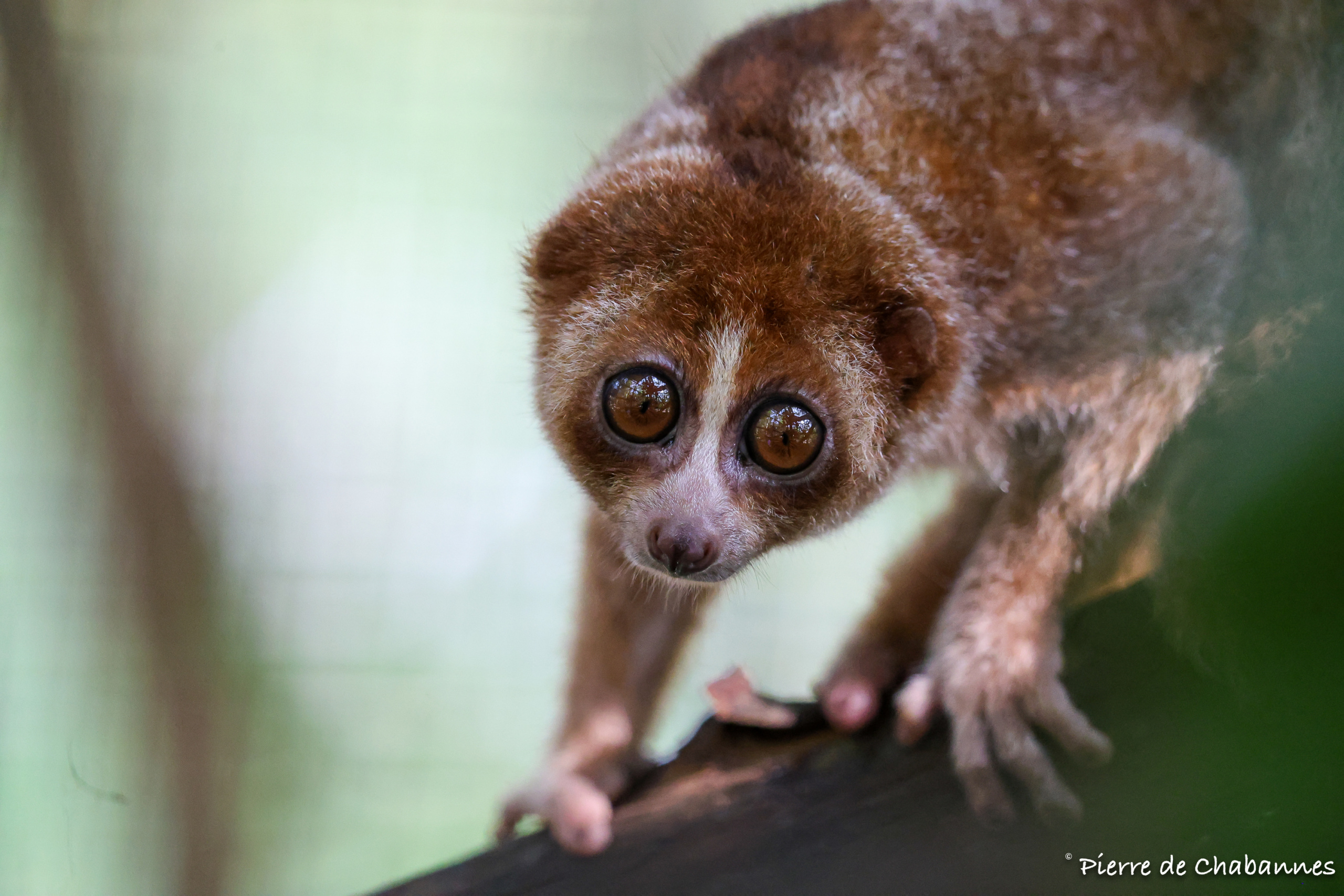
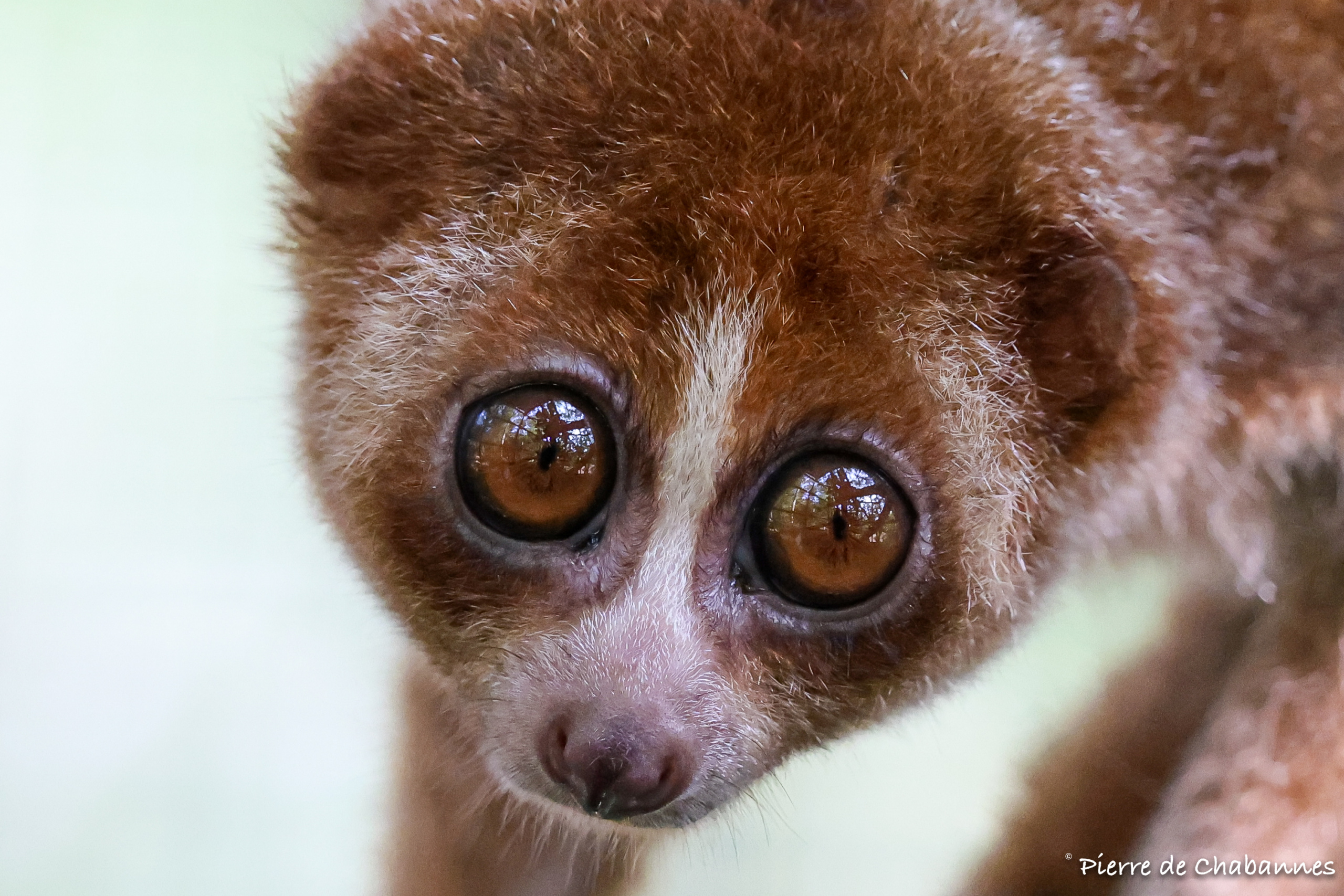
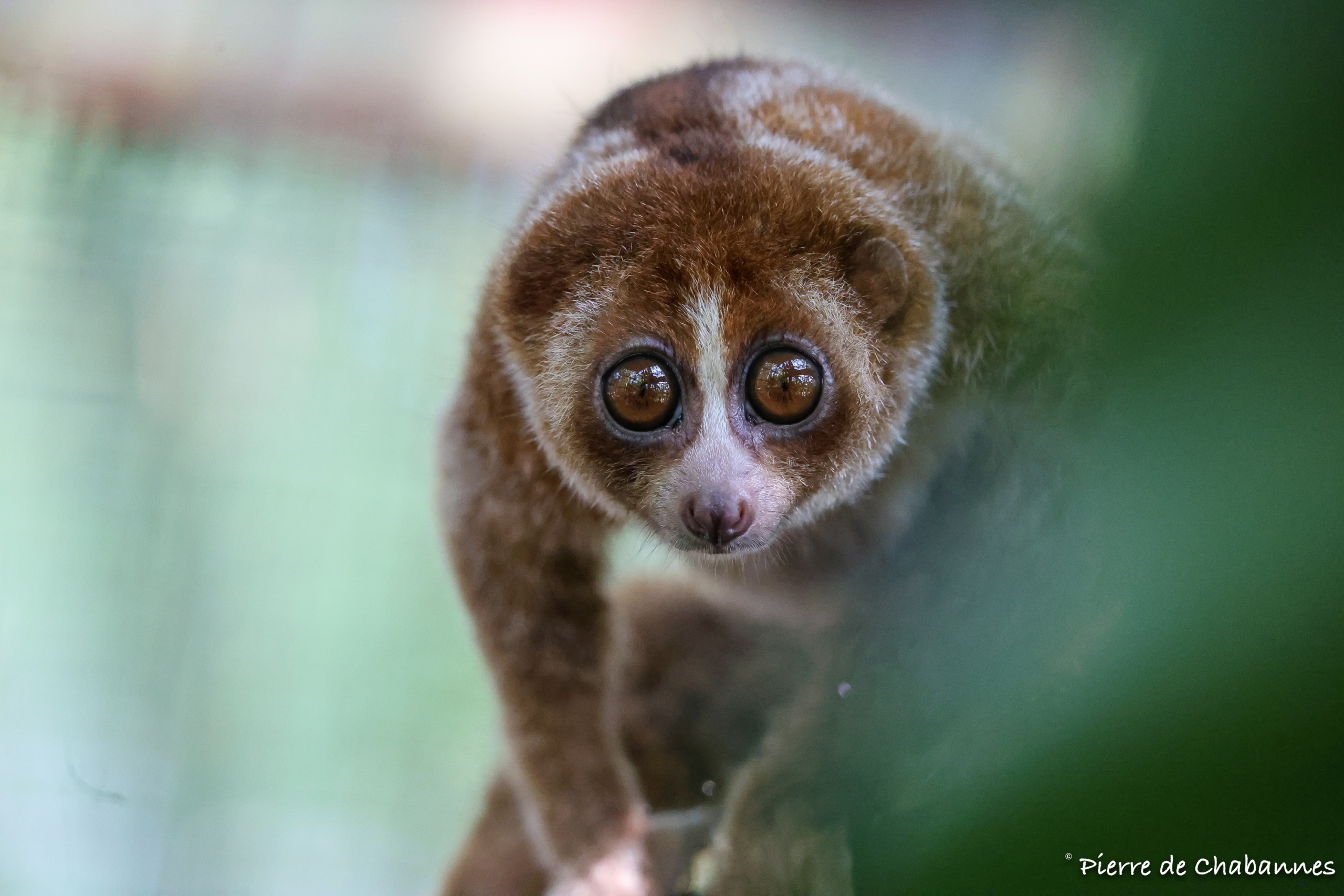
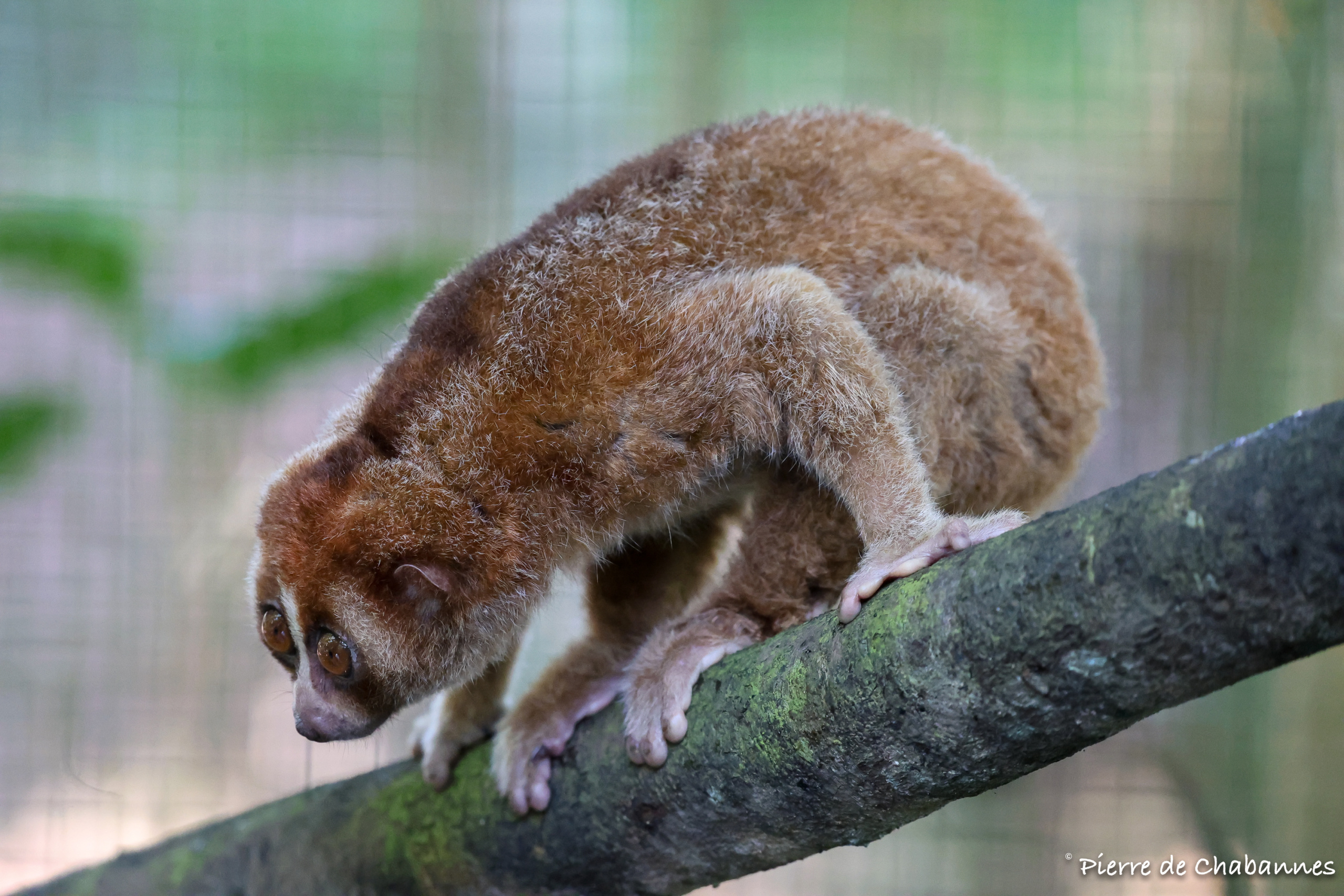
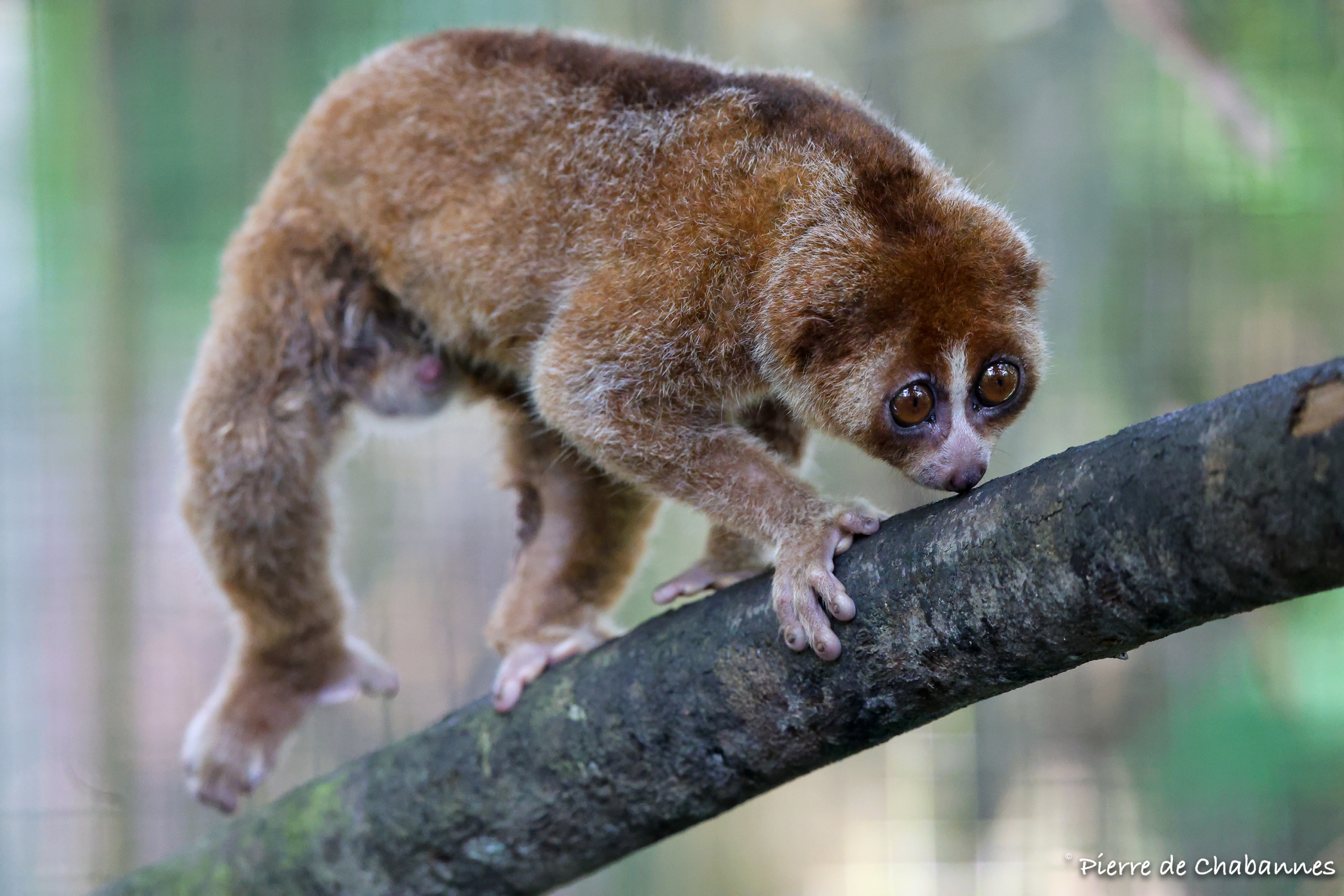
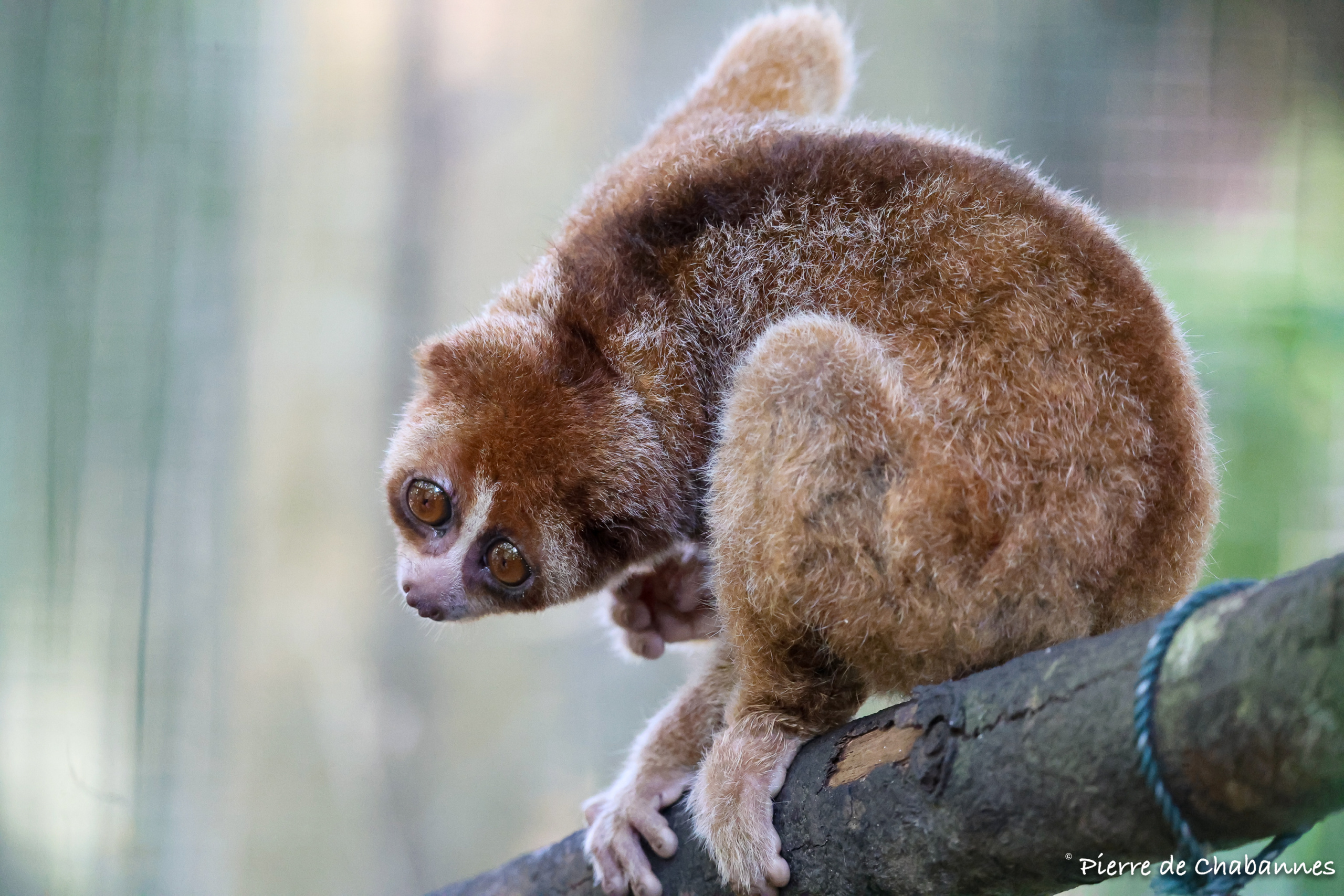
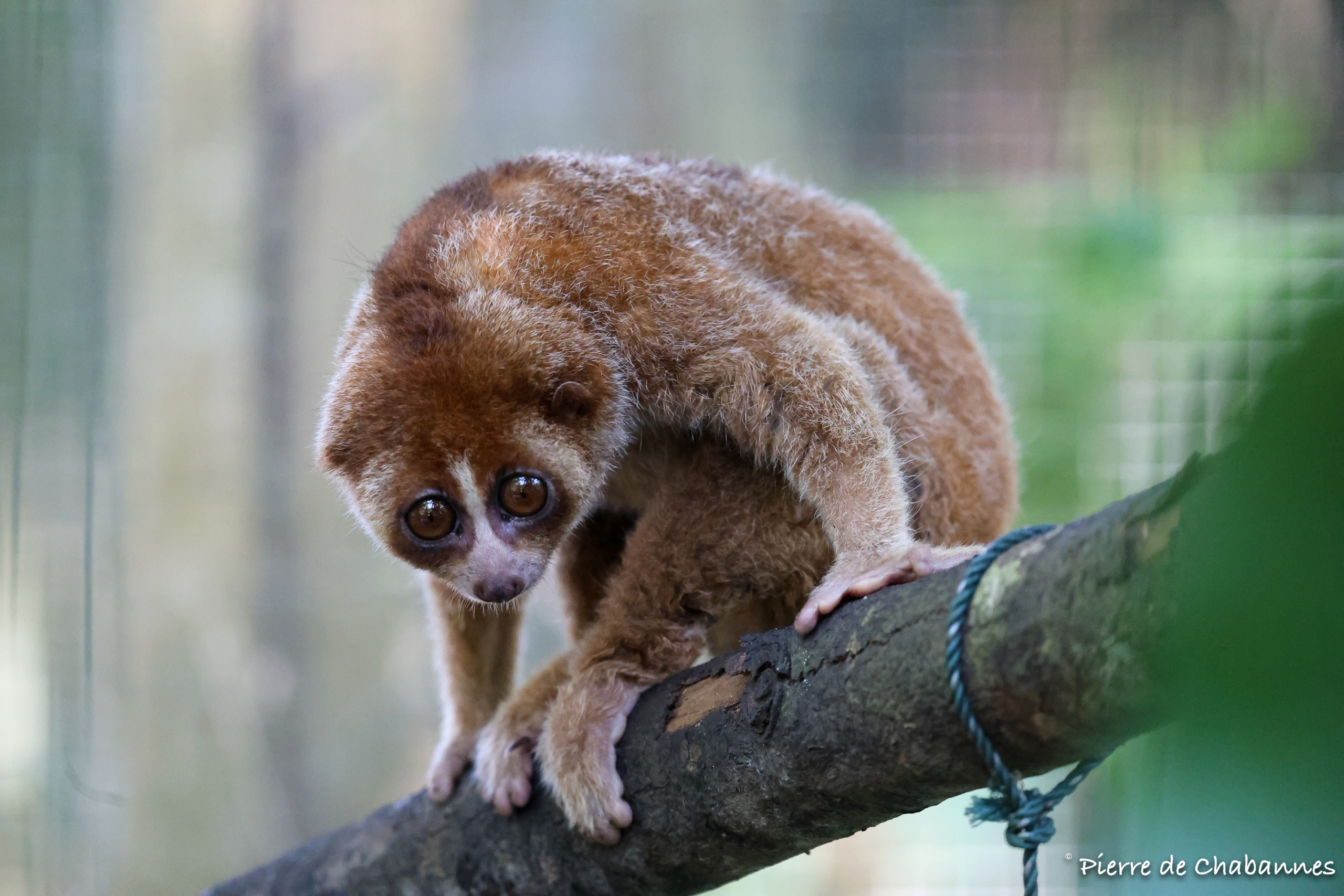
Like all slow lorises, the species is adapted to nocturnal arboreal life thanks to its large forward-facing eyes. It will spend most of the day sleeping in a tree hole or even artificial nestboxes (like we have seen it do in ALOBI’s center) but at night it can move surprisingly quickly through the canopy in search of food.
In 2022, my wife and I were given the opportunity to assist with the release of a rehabilitated Bangka slow loris into a protected forest area on Bangka. It remains one of the most memorable moments of our time on the island and we are still very thankful to our friends from ALOBI Foundation to allow us to experience this moment.
The forests of Bangka Island have been destroyed almost entirely because of logging and mining. Bangka is home to a big number of endemic fishes and mammals amongst other taxa and most of them are now on the verge of extinction locally because of habitat loss.
Key facts
The Bangka slow loris has been elevated to full species status in 2013 and its range was formerly thought to include parts of Sumatra or even parts of Borneo. It is now known that this species only occurs on Bangka island. To date, it has not been recorded from nearby Belitung Island.
Like all slow lorises, it possesses a specialized toothcomb used for grooming and feeding. The species consumes a varied diet including tree gum, nectar, fruits and small animals.
Slow lorises are among the few venomous mammals known to science. They produce a secretion from glands located near their elbows, which can be mixed with saliva and delivered through a bite.
Conservation
The species is currently listed as Critically Endangered on the IUCN Red List. It is the most threatened of all slow loris species known because of the catastrophic loss of its habitat due to mining and logging. For a few years, it was believed to be functionally extinct on Bangka.
Like many slow lorises, it is also frequently targeted by the pet trade because of its appealing appearance. Unfortunately, captured animals often suffer severe injuries and have low survival rates.
Without the efforts of ALOBI Foundation, the future of the Bangka slow loris would be far more uncertain. The organization continues to rescue injured animals, including trapped animals on power lines, rehabilitate confiscated individuals and monitor released lorises in the wild.
More photos from this observation
Other species of primates can be found by browsing my Education resources.
Back to Primates of Southeast Asia ←Previous species Next Species →
“A long-term project documenting biodiversity across the world through fieldwork, zoological observations and educational content.”