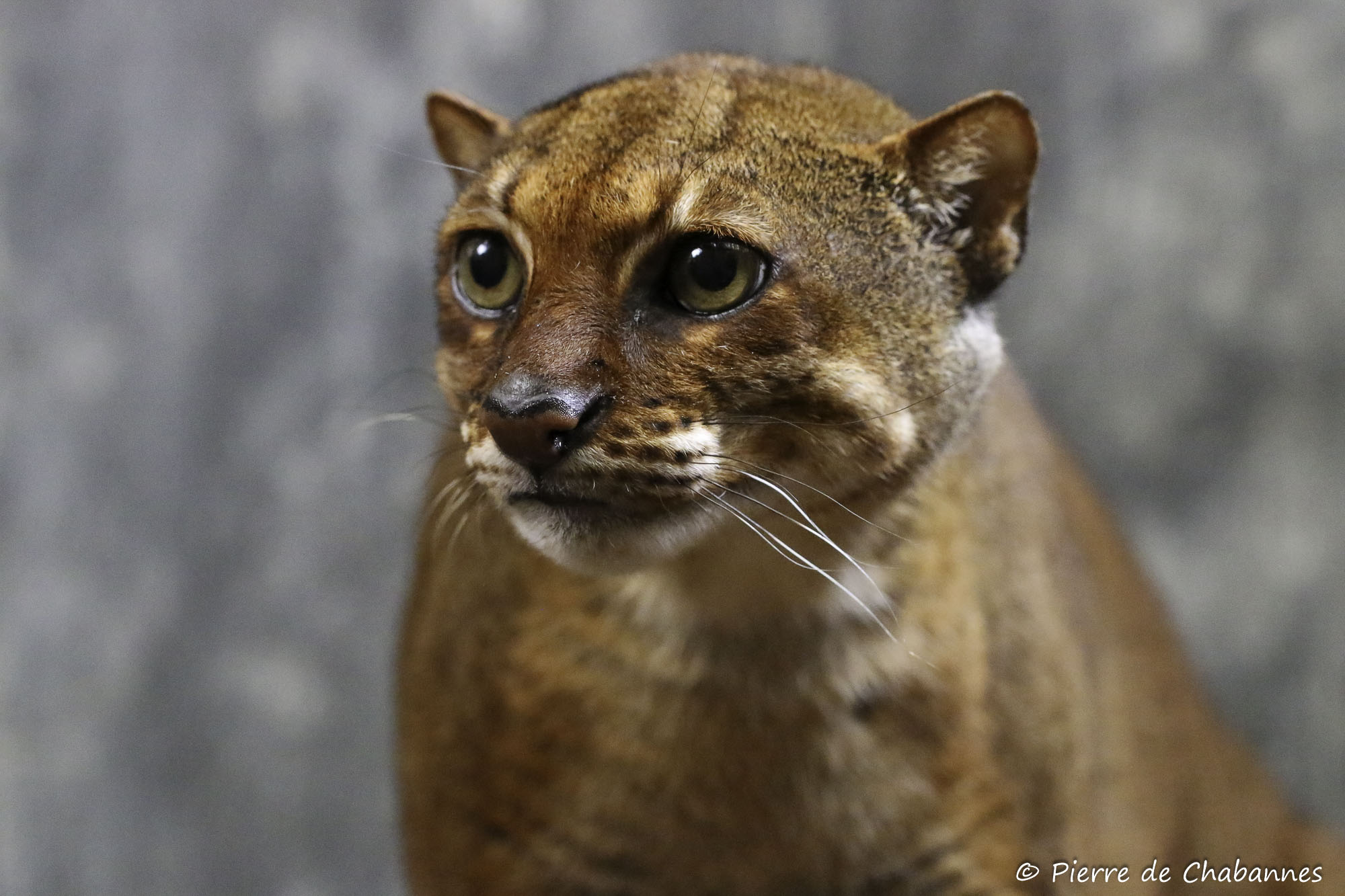
Bornean bay cat (Catopuma badia)
One of the world’s least-known wild cats, endemic to the tropical rainforests of Borneo.
Context
Observed and photographed under human care at Taman Safari Indonesia, providing an exceptionally rare opportunity to document a species almost never encountered directly in the wild.
Field notes
The Bornean bay cat is considered one of Southeast Asia’s most elusive felids, with very few confirmed observations in its natural habitat. Much of the available information comes from camera traps and occasional encounters, making direct observations exceptionally rare.
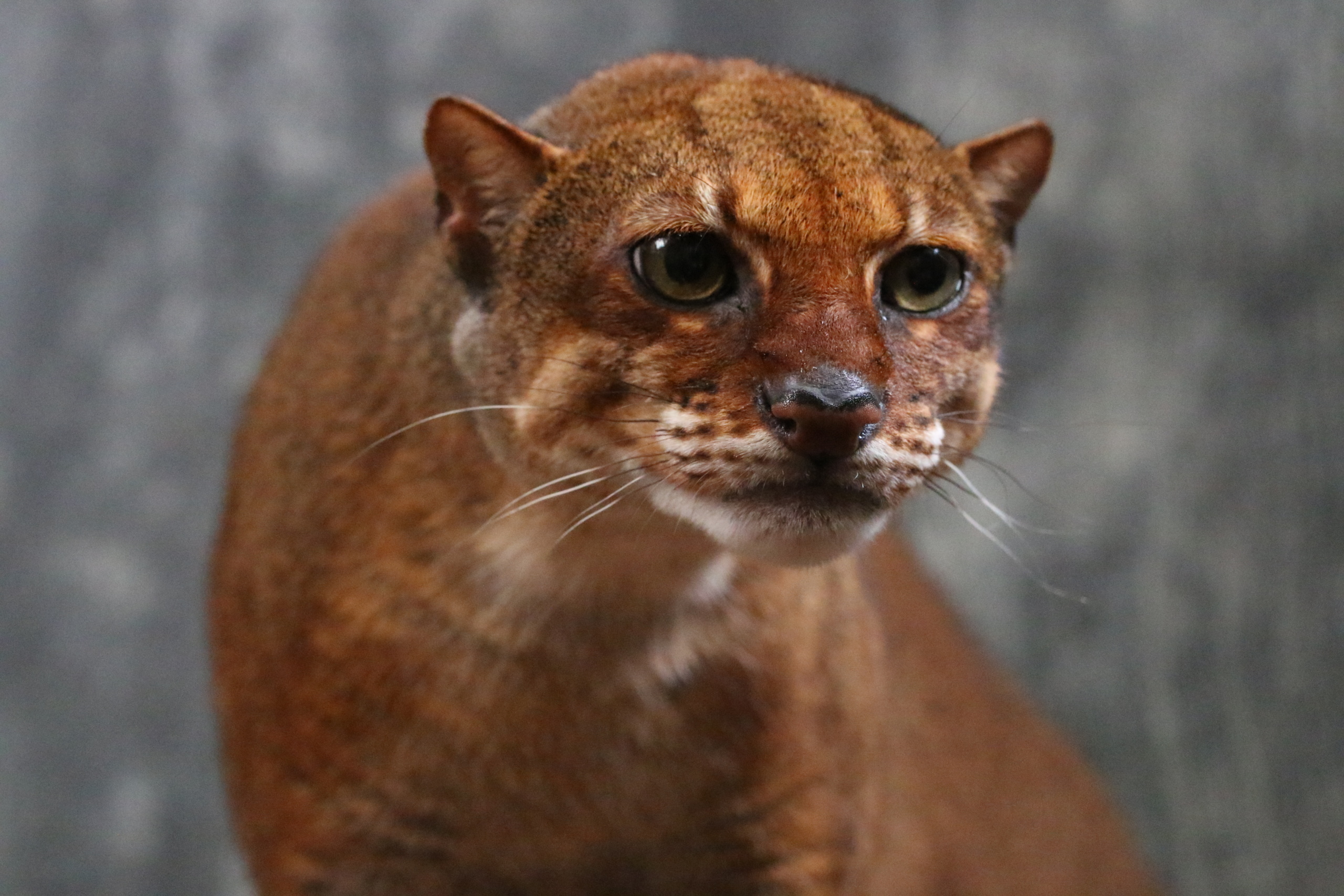
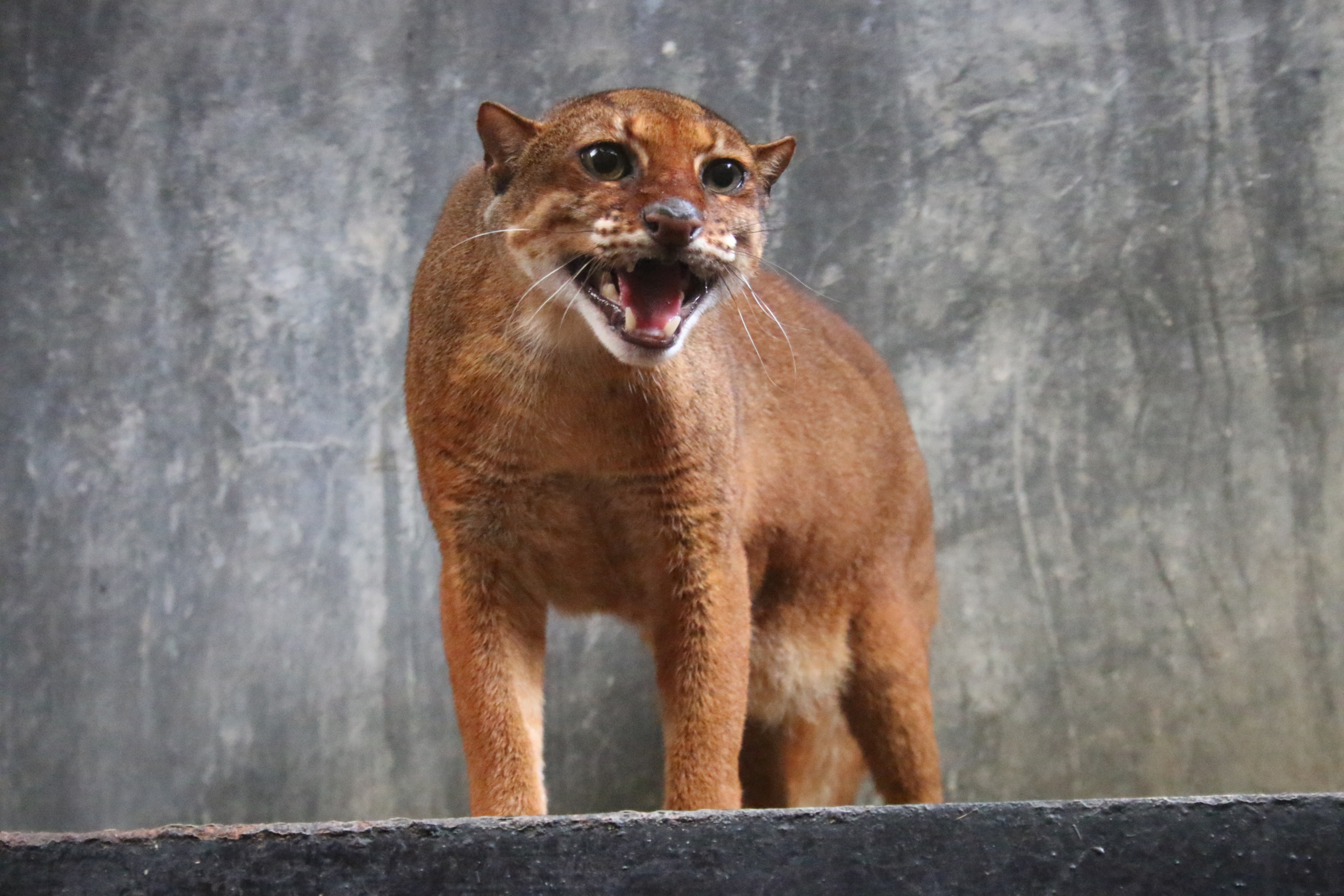
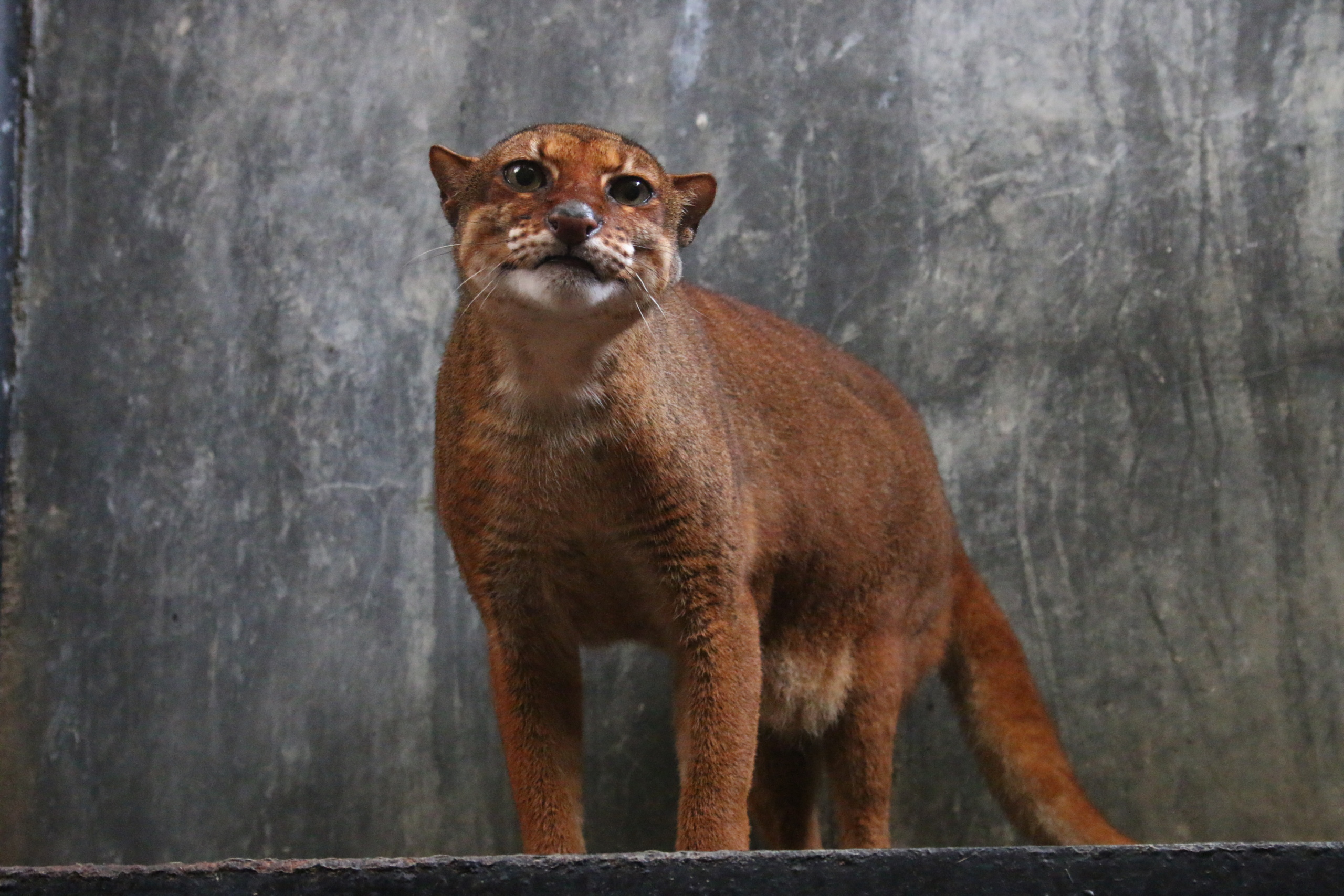
Before my visit to Taman Safari Indonesia in 2017, detailed photographs of this species were extremely difficult to find in publicly accessible sources. Most images I had encountered were either older photographs taken under human care or relatively low-resolution camera-trap records. The photographs presented here were among the earliest high-resolution images I was able to document and share of this remarkable species.
Bornean bay cats occasionally appear in reports of the illegal wildlife trade, although some suspected cases may involve misidentified Asian golden cats. The availability of clear reference photographs can help wildlife trade monitors distinguish between these closely related species and improve the identification of animals encountered in trade investigations.
Key facts
The Bornean bay cat is endemic to Borneo and closely related to the Asian golden cat (Catopuma temminckii). The two species can be distinguished by differences in size, body proportions, and head shape. The bay cat is generally smaller, with a less massive head and a relatively shorter, flatter forehead.
It primarily inhabits dense tropical forests and appears to occur at relatively low densities, although its true abundance remains poorly understood.
Very little is currently known about its ecology, reproduction, feeding behaviour, or population size in the wild.
Conservation
The species is currently listed as Endangered on the IUCN Red List, with no reliable population estimates available.
Ongoing deforestation in Borneo, particularly through logging, agricultural expansion, and the conversion of forests into oil palm plantations, is considered one of the main threats to its survival. Illegal hunting and accidental capture in snares may also affect remaining populations.
As a forest-dependent species that appears to occur at low densities, the Bornean bay cat is likely to require extensive areas of suitable, connected habitat. Continued forest fragmentation and the isolation of protected areas therefore represent serious long-term conservation concerns.
More photos from this observation
Other species involved in zoo conservation programmes can be found by browsing my Education resources.
“A long-term project documenting biodiversity across the world through fieldwork, zoological observations and educational content.”