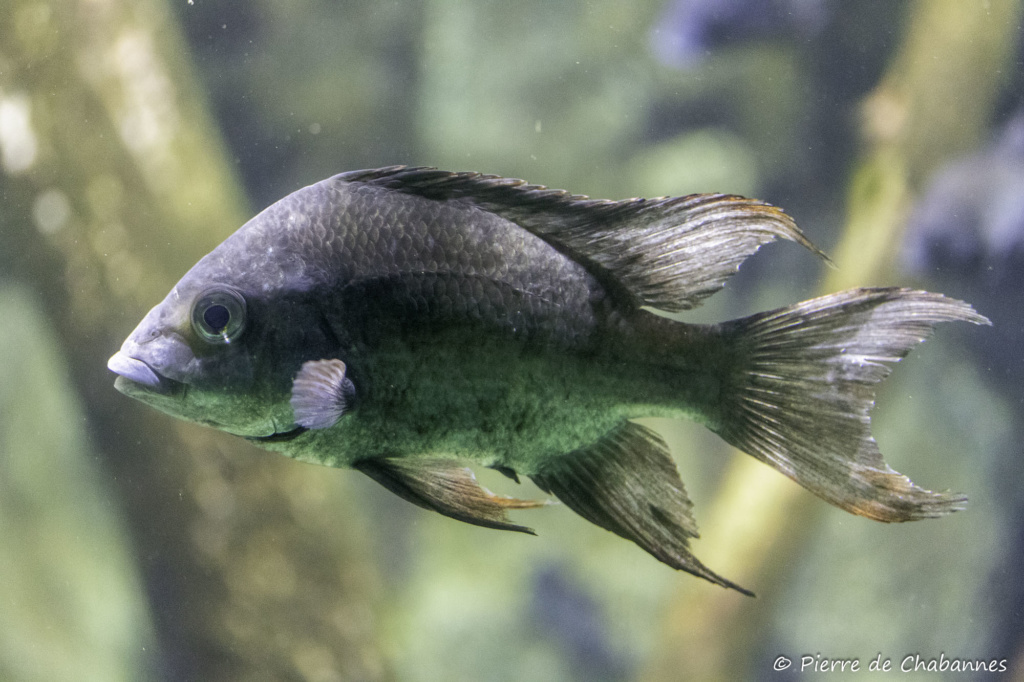
Mangarahara cichlid (Ptychochromis insolitus)
A freshwater fish once believed extinct in the wild and now considered one of Madagascar’s greatest conservation success stories.
Context
Breeding groups observed and photographed at the Aquarium de la Porte Dorée (France), Berlin Zoo (Germany), and Kölner Zoo (Germany), all participating in the conservation breeding program dedicated to this species.
Field notes
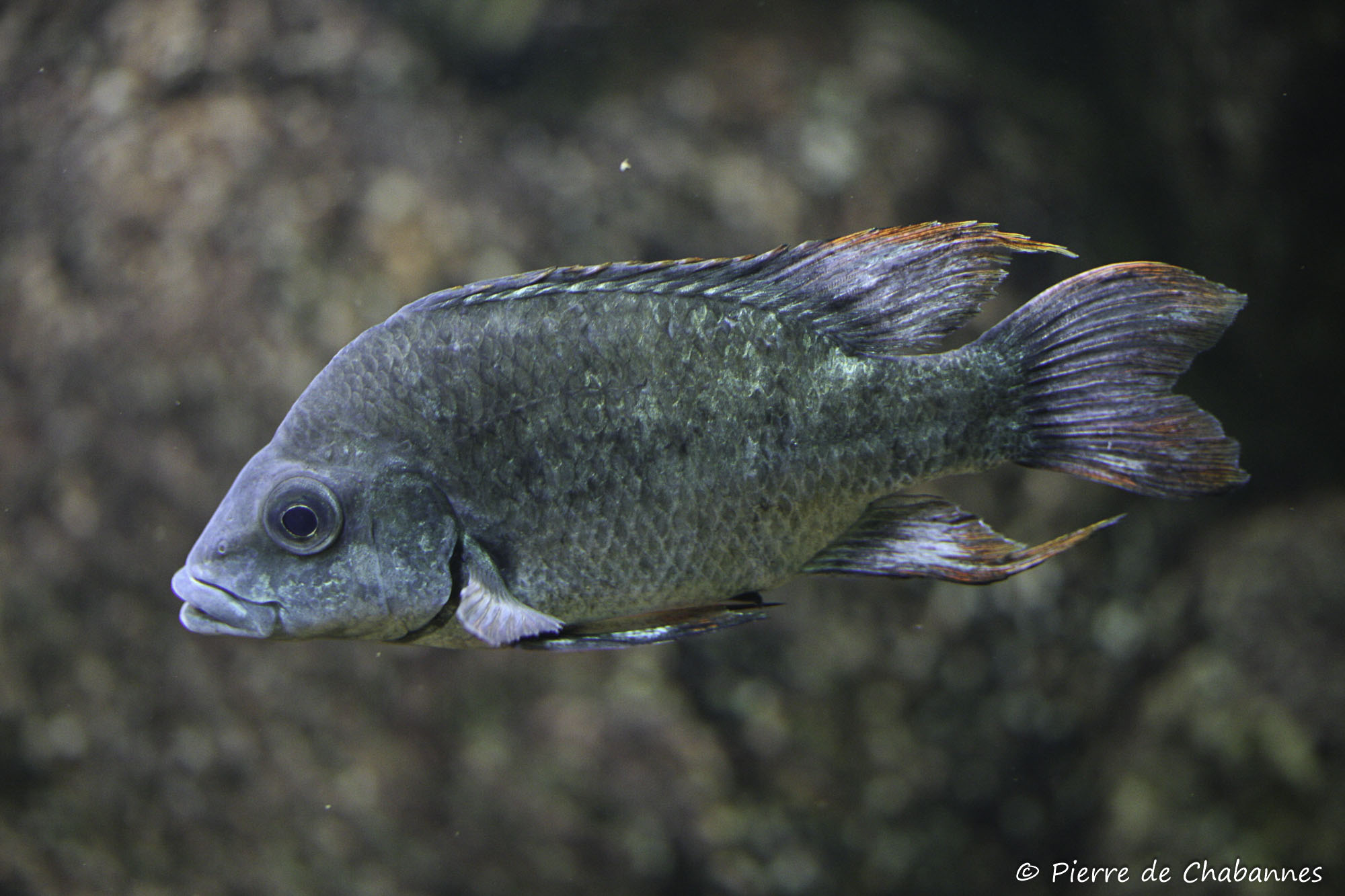
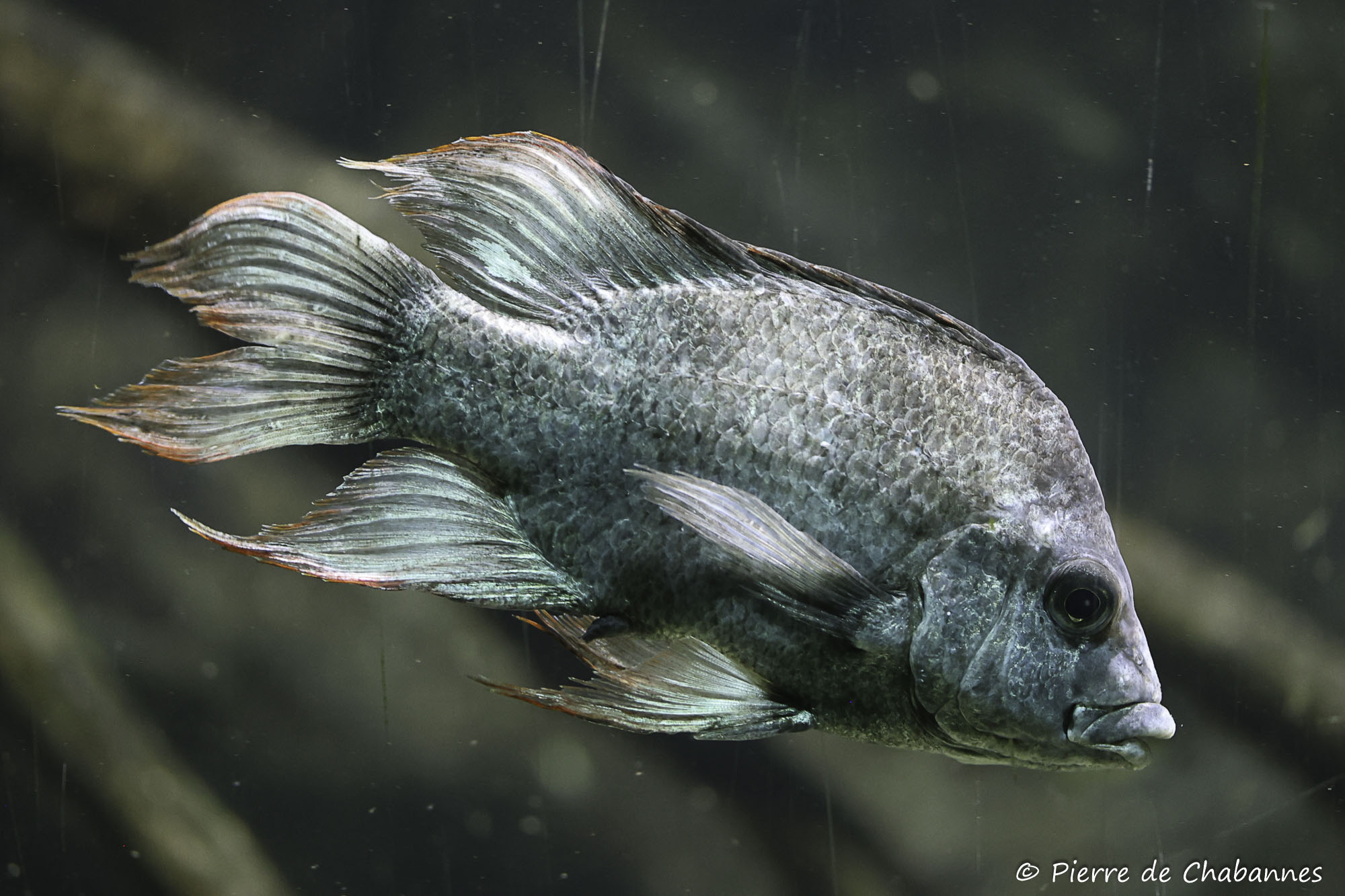
In 2008, the adult male displayed in Berlin Zoo was feared to be one of the last living individuals of the species. Fortunately, it was then rediscovered in the wild and a coordinated conservation breeding program was subsequently established through the efforts of European zoos such as Kölner Zoo.
Today, the species is kept and bred in 22 European zoos and aquariums and a single collection in North America. Breeding is reported every year from most of these institutions.
This conservation breeding program doesn’t only apply for this species. It is part of a much broader program aiming at creating captive breeding populations for most of the endangered freshwater fishes of Madagascar.
Key facts
The Mangarahara cichlid is endemic to Madagascar and was originally known only from the Mangarahara River system in the northwestern part of the island. Today, the species survives only in a few tributaries of the Sofia River..
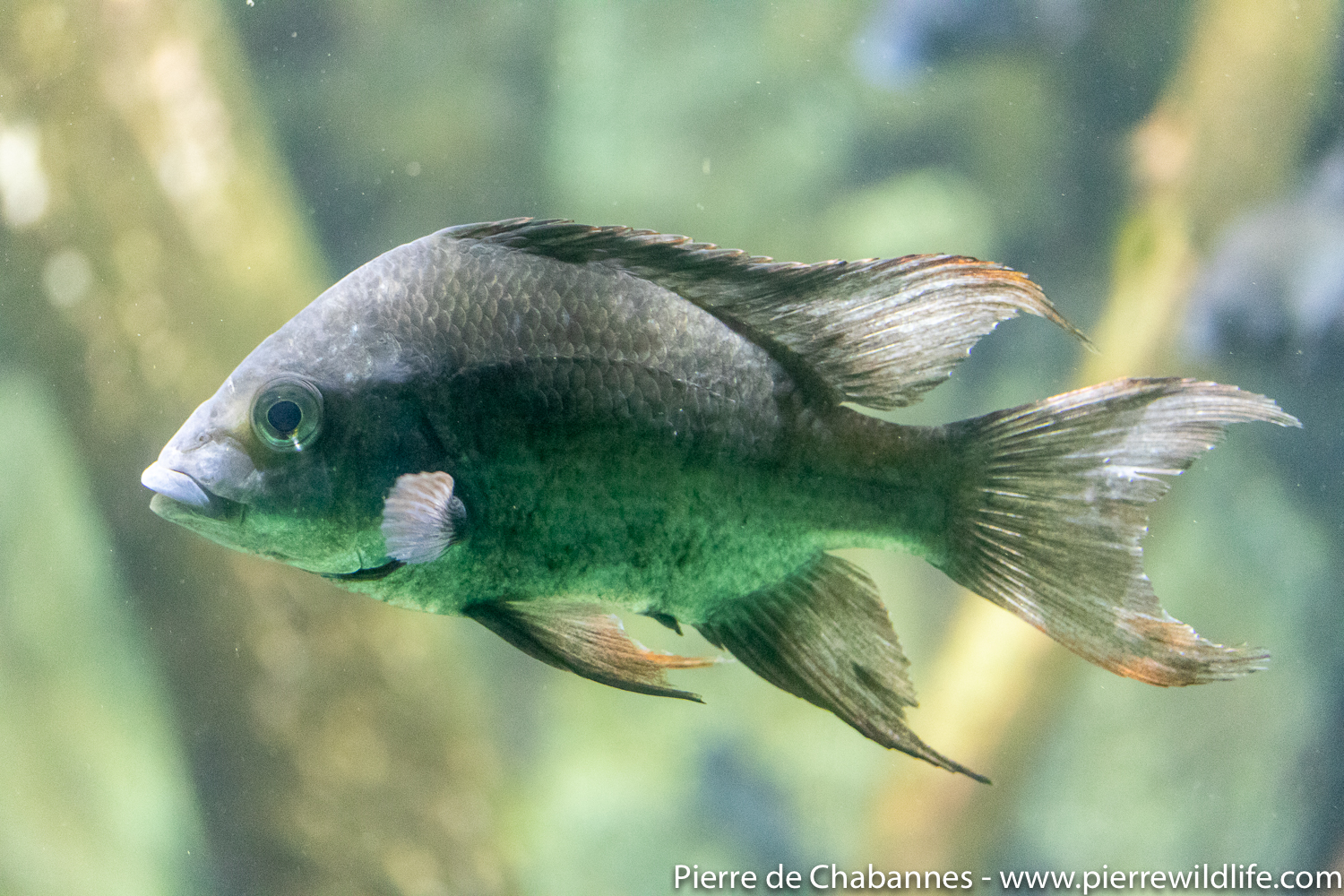
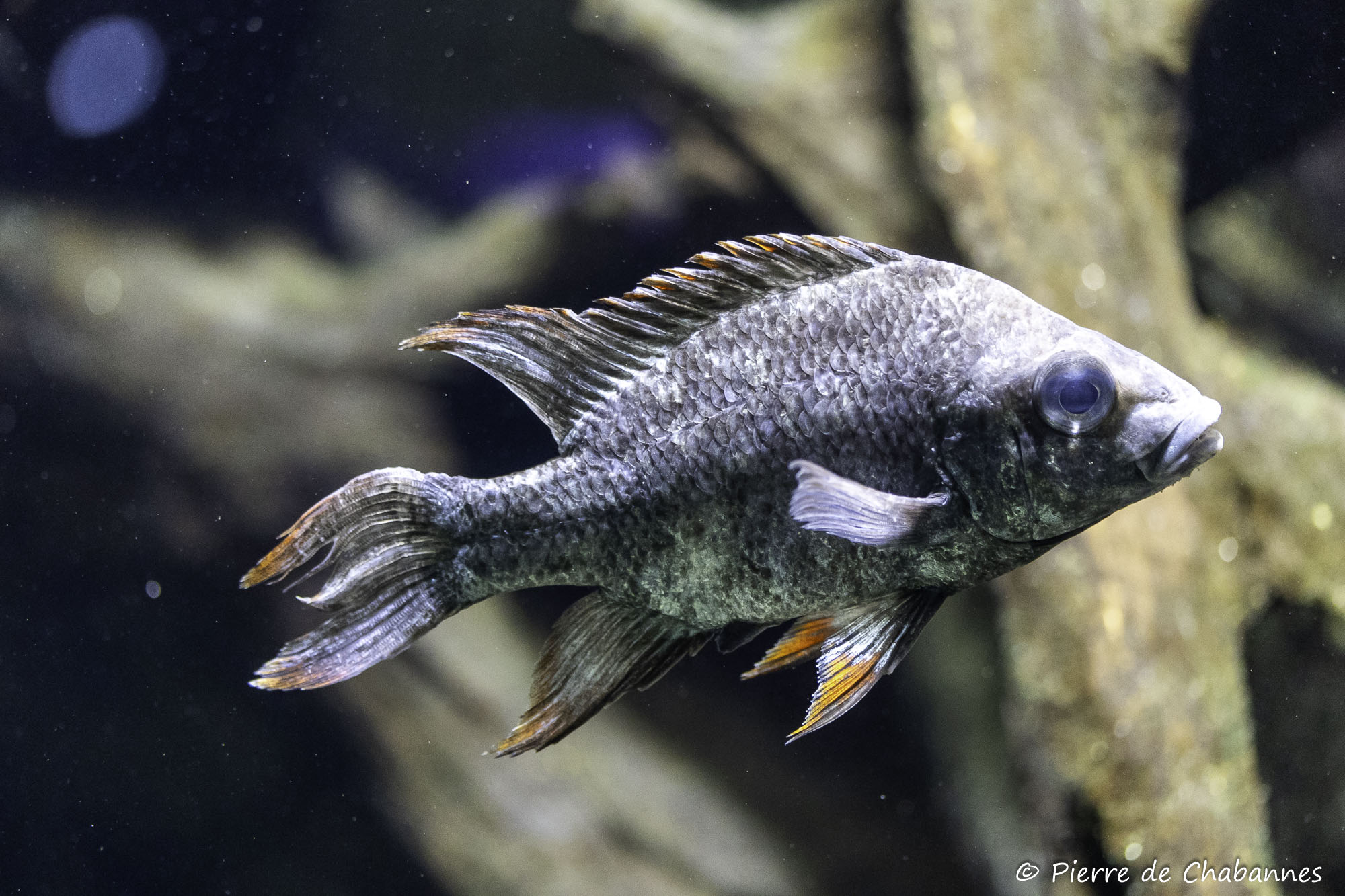
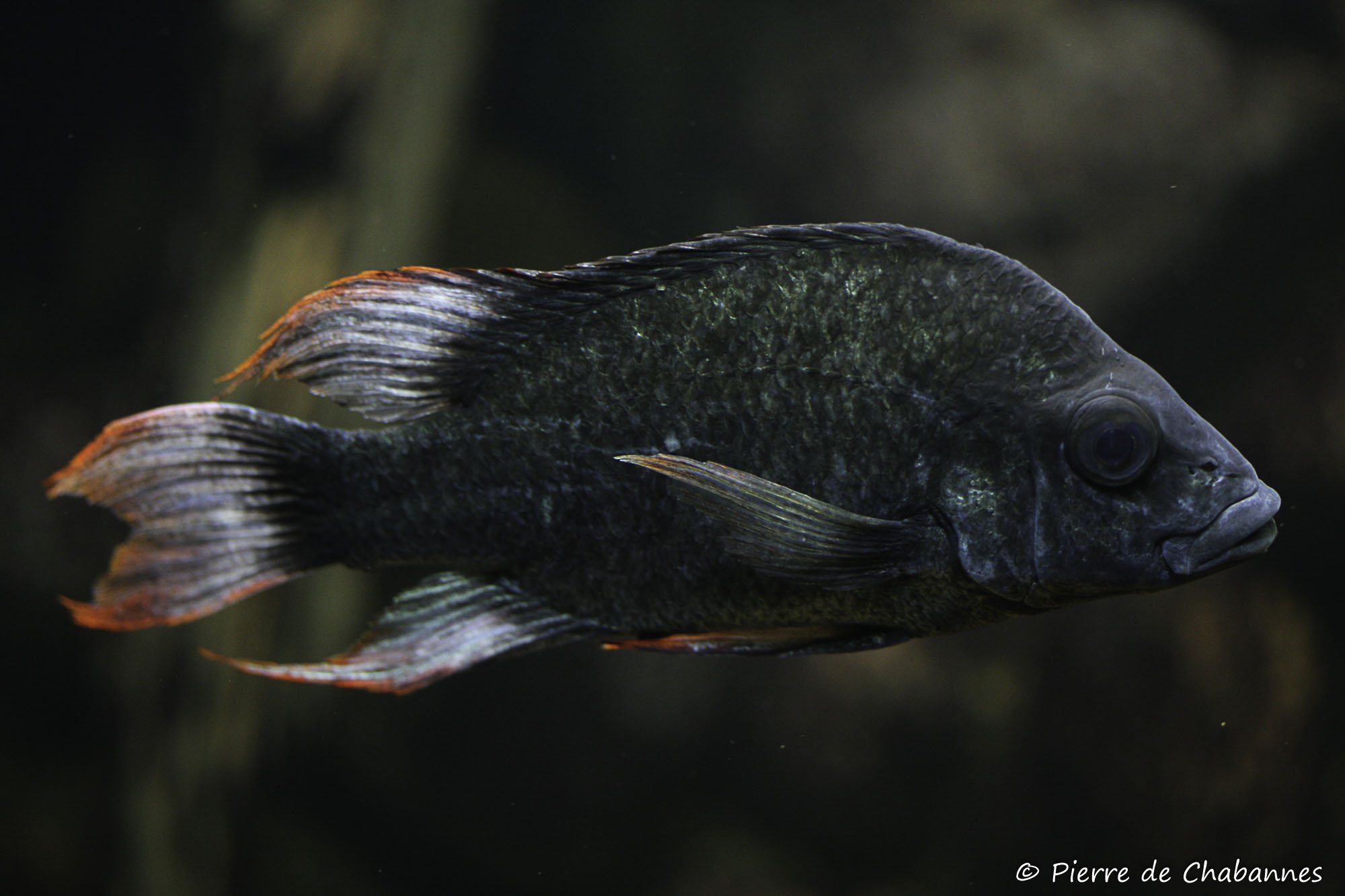
The species belongs to a unique radiation of Malagasy cichlids that evolved independently from the famous African Great Lakes cichlids. It is easily recognized by its metallic blue coloration and elongated fins with a reddish tinge (most visible in adult males).
Like many riverine cichlids, it feeds on small aquatic invertebrates, algae, and organic material collected among submerged vegetation and rocks. Pairs form during breeding season and will defend their nest vigorously against intruders.
Conservation
The species is currently listed as Critically Endangered on the IUCN Red List. For years it was thought to be extinct in the wild as its habitat was totally destroyed.
Thanks to captive breeding efforts in Andapa (Madagascar) and in European zoological institutions, the species is no longer considered at immediate risk of global extinction but its wild populations are still in trouble because of droughts, habitat destruction and water pollution.
As of today, the future of the remaining wild population remains uncertain and without coordinated captive breeding programs, this species and so many others would probably be extinct. The story of this fish highlights the importance of good zoos in nature conservation.
More photos from this observation
Other species with zoo conservation programs can be found by browsing
my Education resources.
Back to Zoo Conservation ←Previous species Next Species →
“A long-term project documenting biodiversity across the world through fieldwork, zoological observations and educational content.”