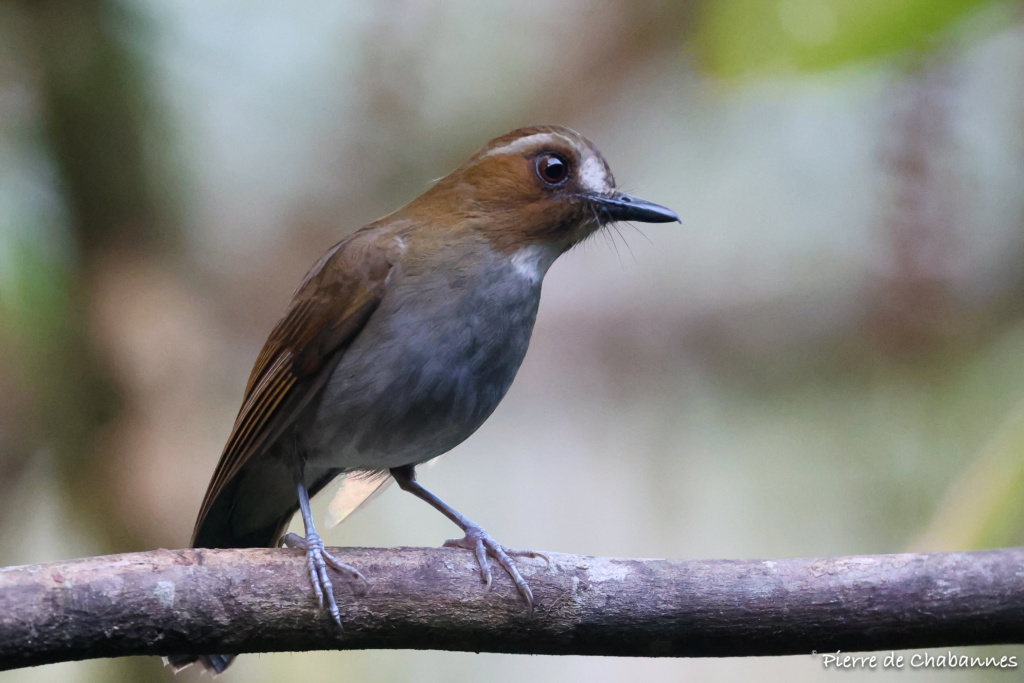
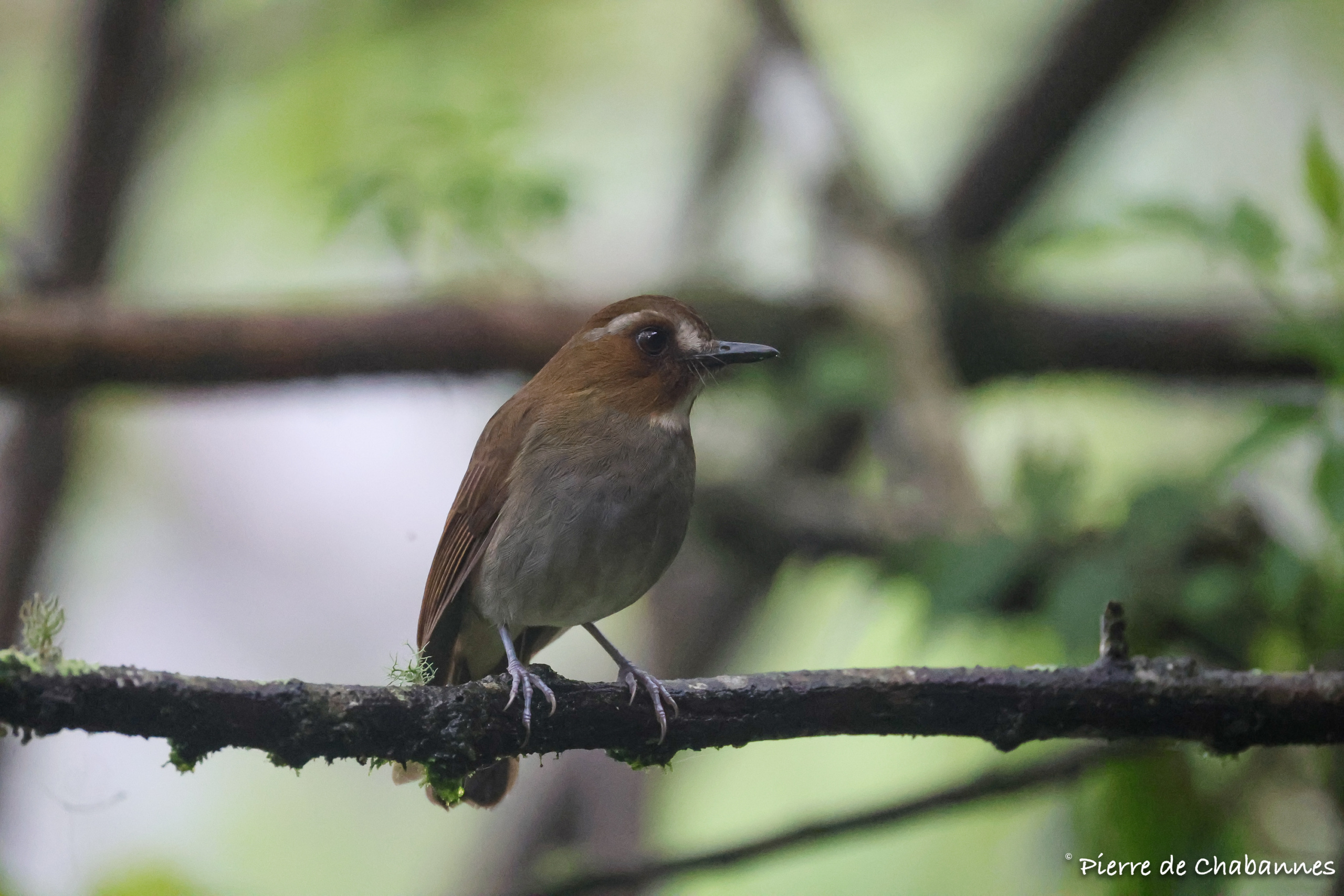
Eyebrowed jungle flycatcher (Vauriella gularis)
A poorly known and rarely seen flycatcher, closely related to a group of Philippine endemic species that includes the unique Bagobo robin.
Context
A single individual comes reliably to the main feeder in Gunung Alab bird hide to feed on invertebrates, in Sabah (Malaysia).
Field notes
The eyebrowed jungle flycatcher is one of the least known passerines of Borneo, being very rarely observed and photographed in most of its range. Even its taxonomic status is debated with possibly new subspecies described from Sarawak and an isolated population in the Meratus mountains of South Borneo.
In Kinabalu Park, this species isn’t rare but usually remains concealed and rarely shows up for long. Thanks to Gunung Alab bird hide, I have been able to obtain good quality close up shots of this difficult species.
The species is often heard before being seen, producing characteristic whistles that echo through the montane forests of Kinabalu, Trusmadi and nearby mountain ranges.
Key facts
This species is a primary montane rainforest specialist, found between 900 and 3300 meters asl. It spends most of its time in humid microhabitats such as areas near streams and valley bottoms.
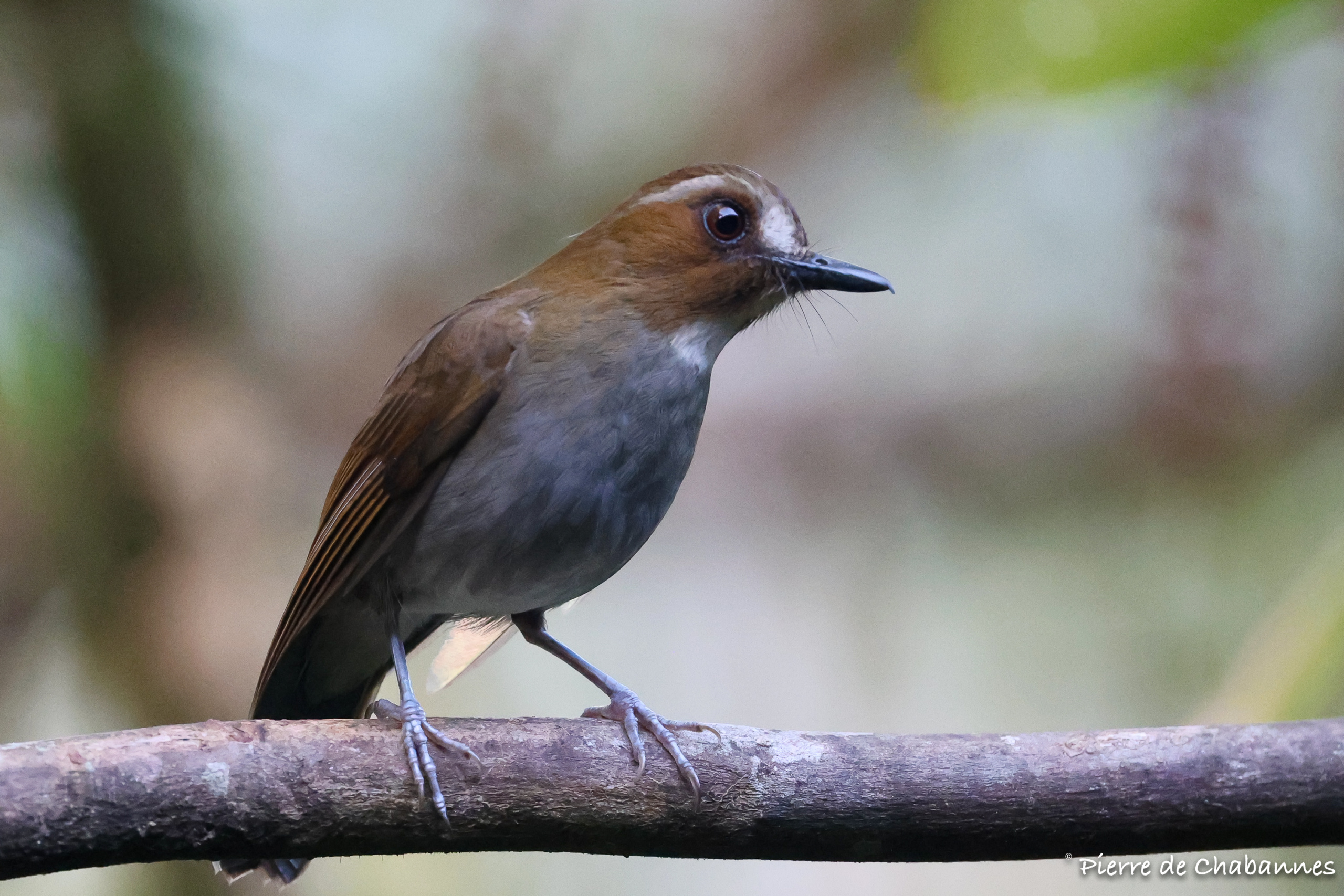
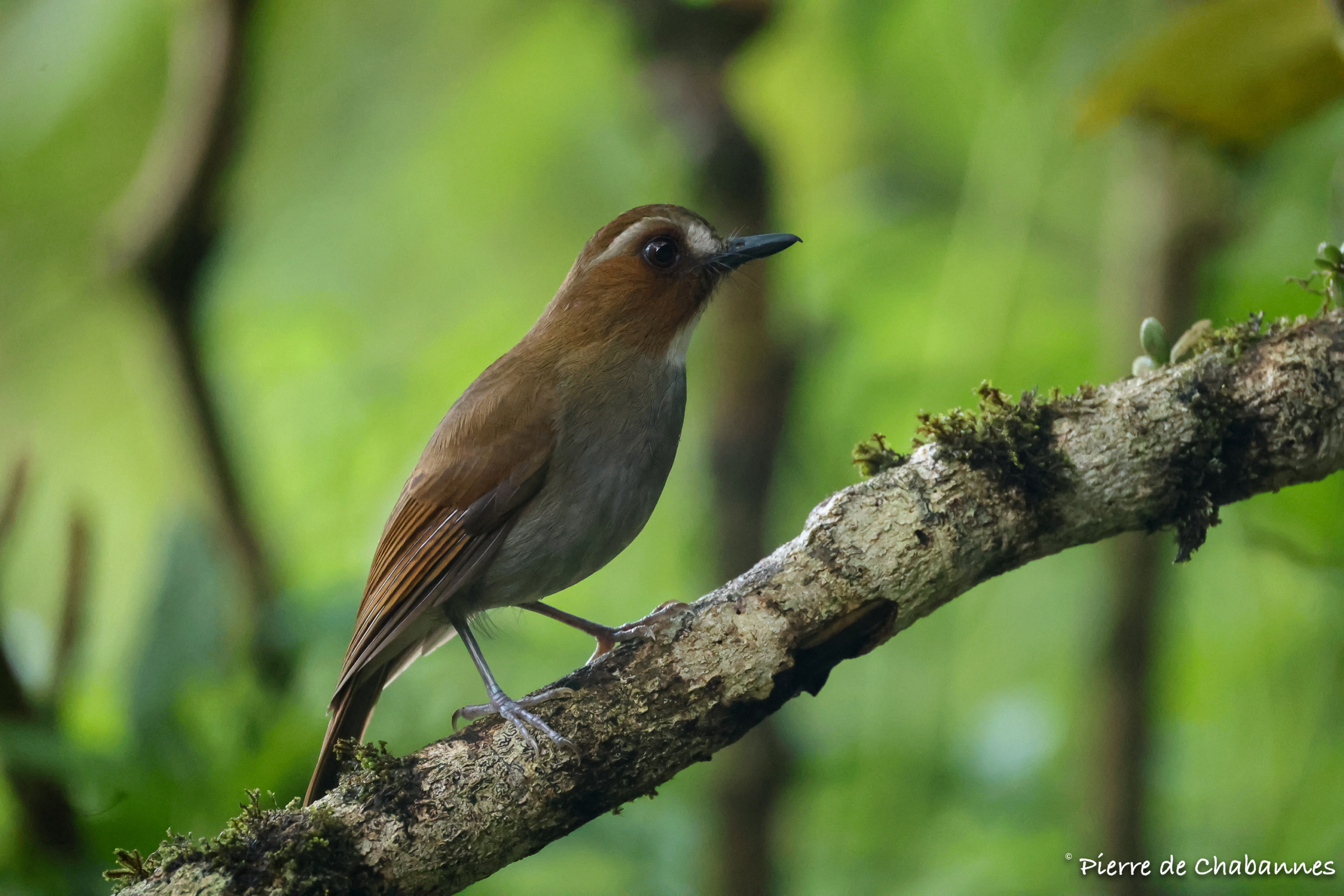
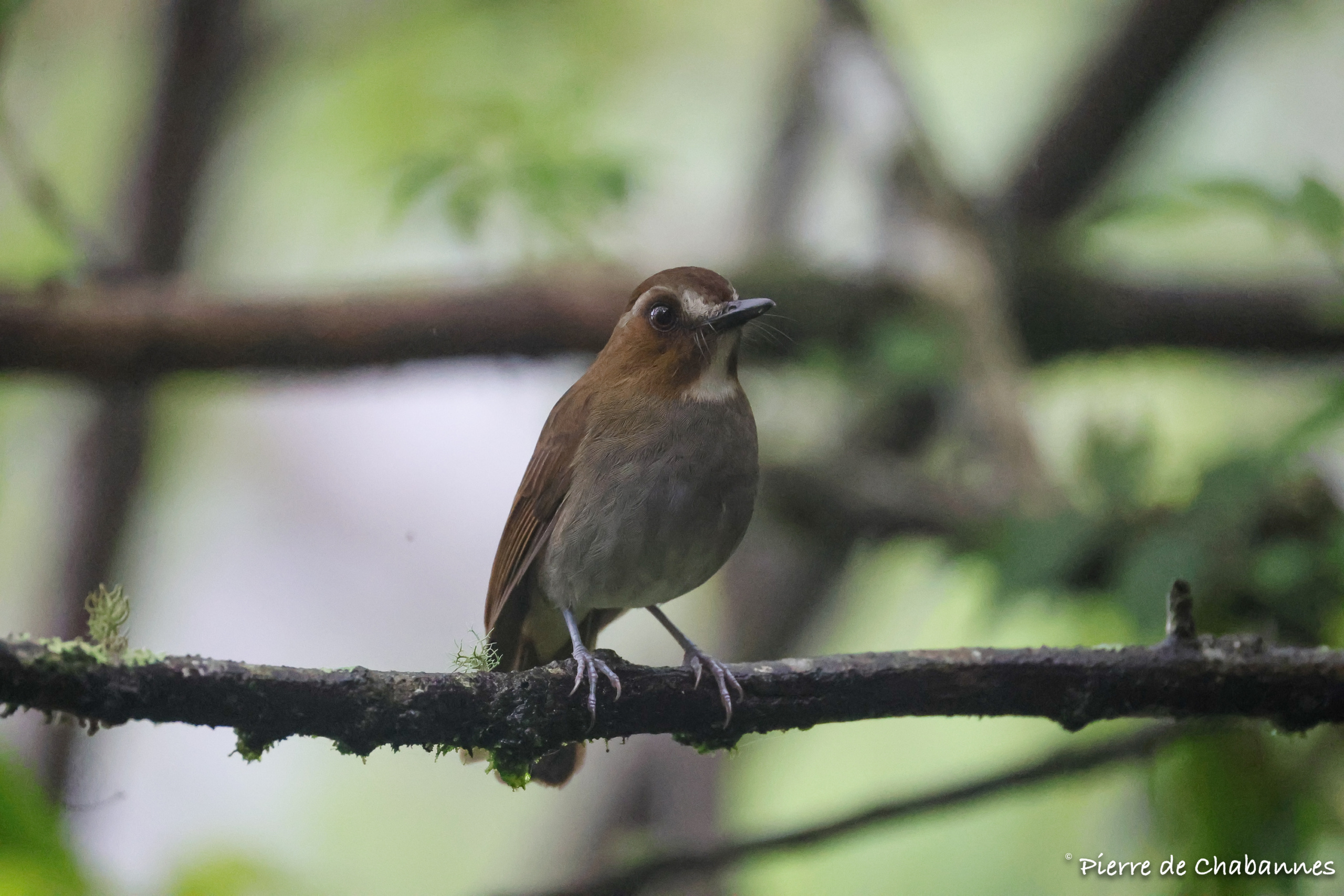
The species can be recognized by its prominent pale eyebrow, orange-buff underparts, and dark olive-brown upperparts. Males and females are broadly similar in appearance.
Recent taxonomic studies have shown that this species is more closely related to a group of Philippine endemic flycatchers than to most other Bornean birds. It is a distant relative of the poorly known Bagobo Robin (one of the most difficult Mindanao endemic birds to observe).
Conservation
The species is currently listed as Least Concern on the IUCN Red List and has been categorized as a “Restricted range species” according to Birdlife International.
No population trends are available and the species still remains unstudied at this time. First, its taxonomic status must be clarified in order to know if the isolated population from the Meratus Mountains could be a separated species.
So far, the species appears to be uncommon but isn’t facing any immediate threats. It isn’t collected for the bird trade and it is found in many protected areas throughout its range.
More photos from this observation
Other species from Borneo can be found by browsing my Education resources.
Back to Borneo hides ←Previous species Next species →
“A long-term project documenting biodiversity across the world through fieldwork, zoological observations and educational content.”