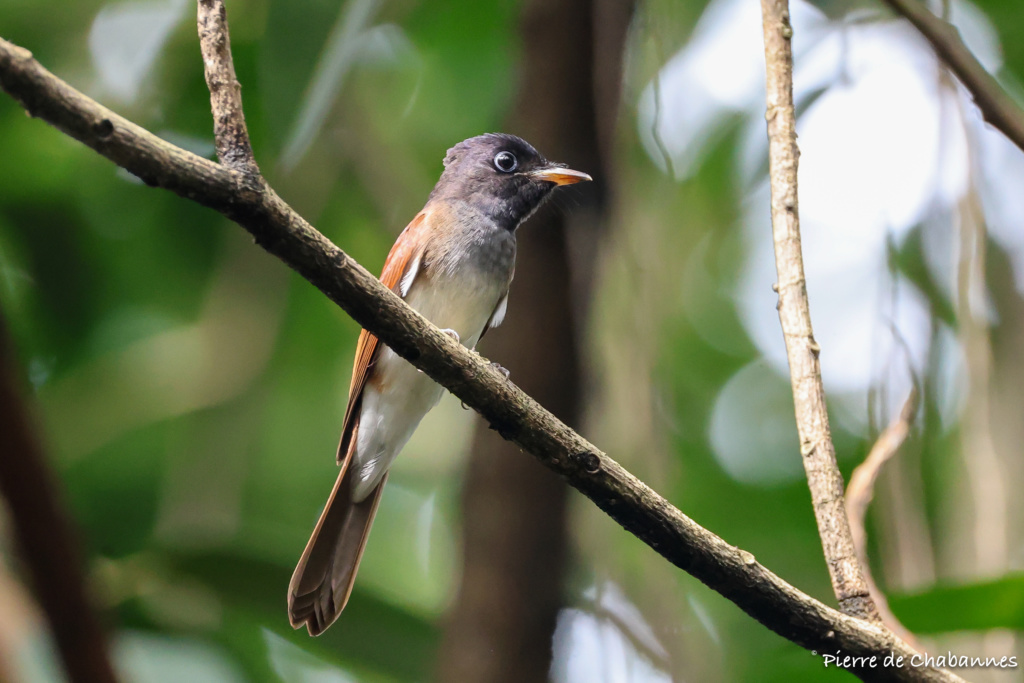
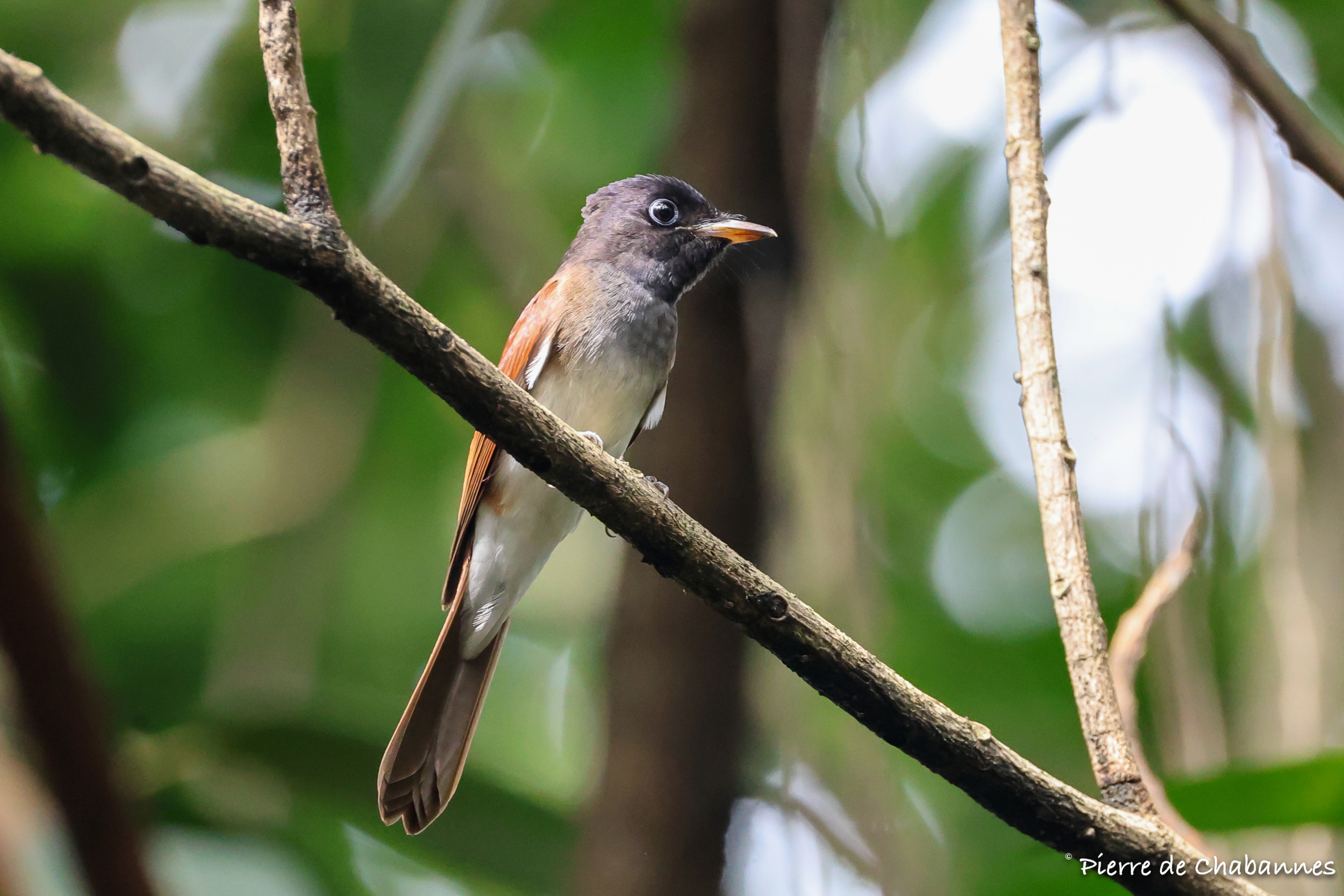
Black paradise-flycatcher (Terpsiphone atrocaudata periophthalmica)
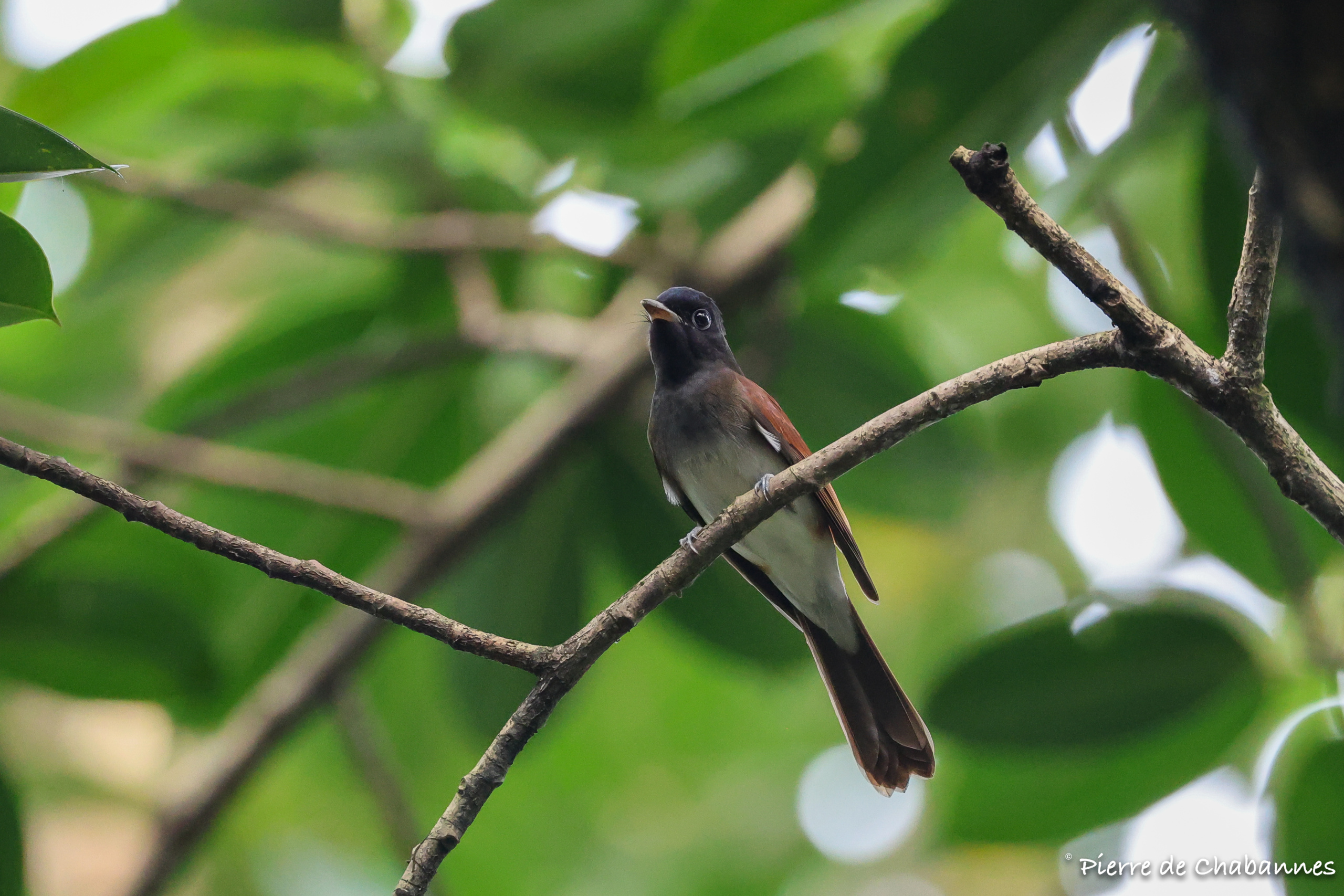
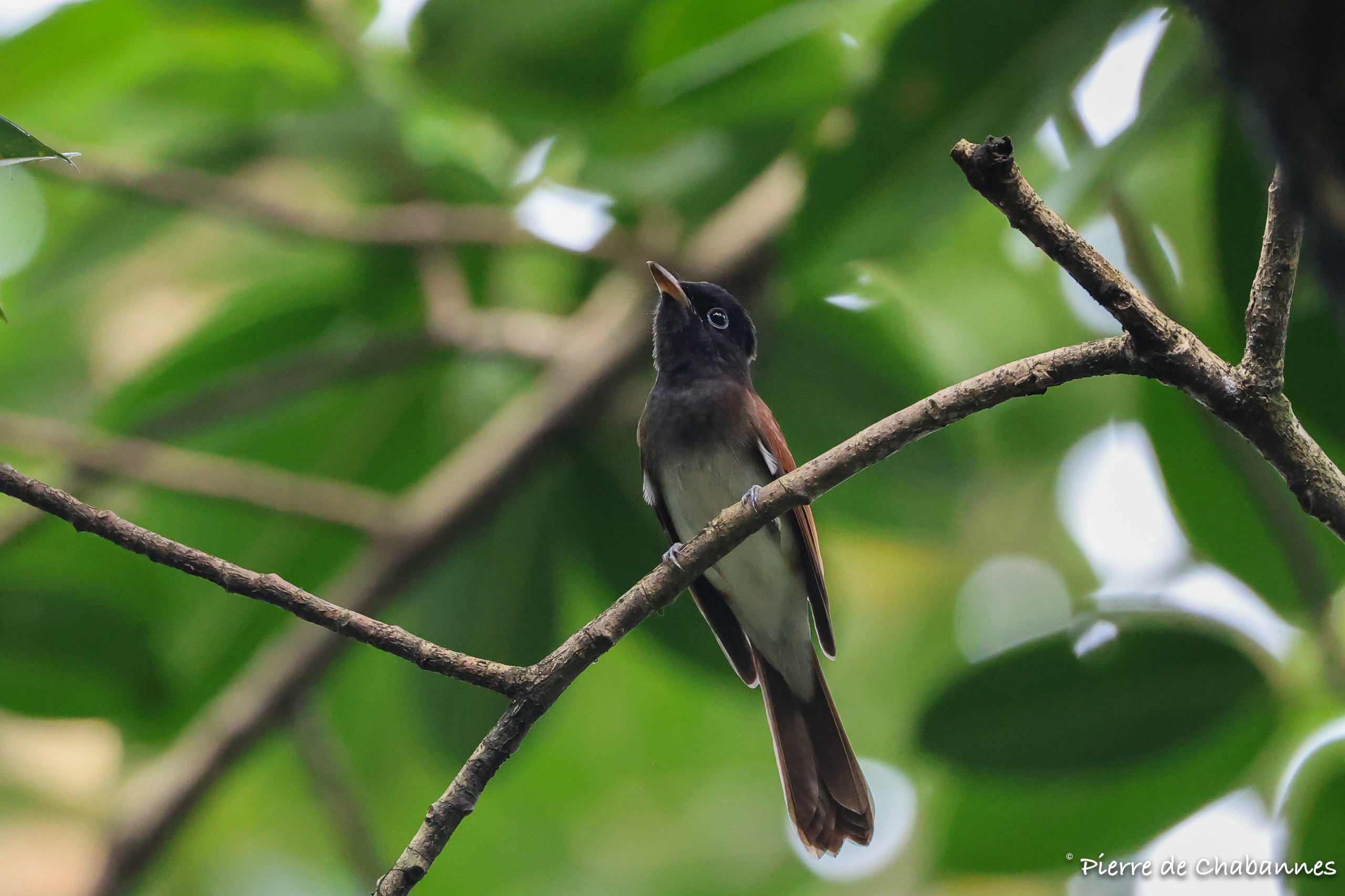
An elegant paradise-flycatcher with glossy black plumage, a long tail and a distinctive blue periophthalmic ring.
Context
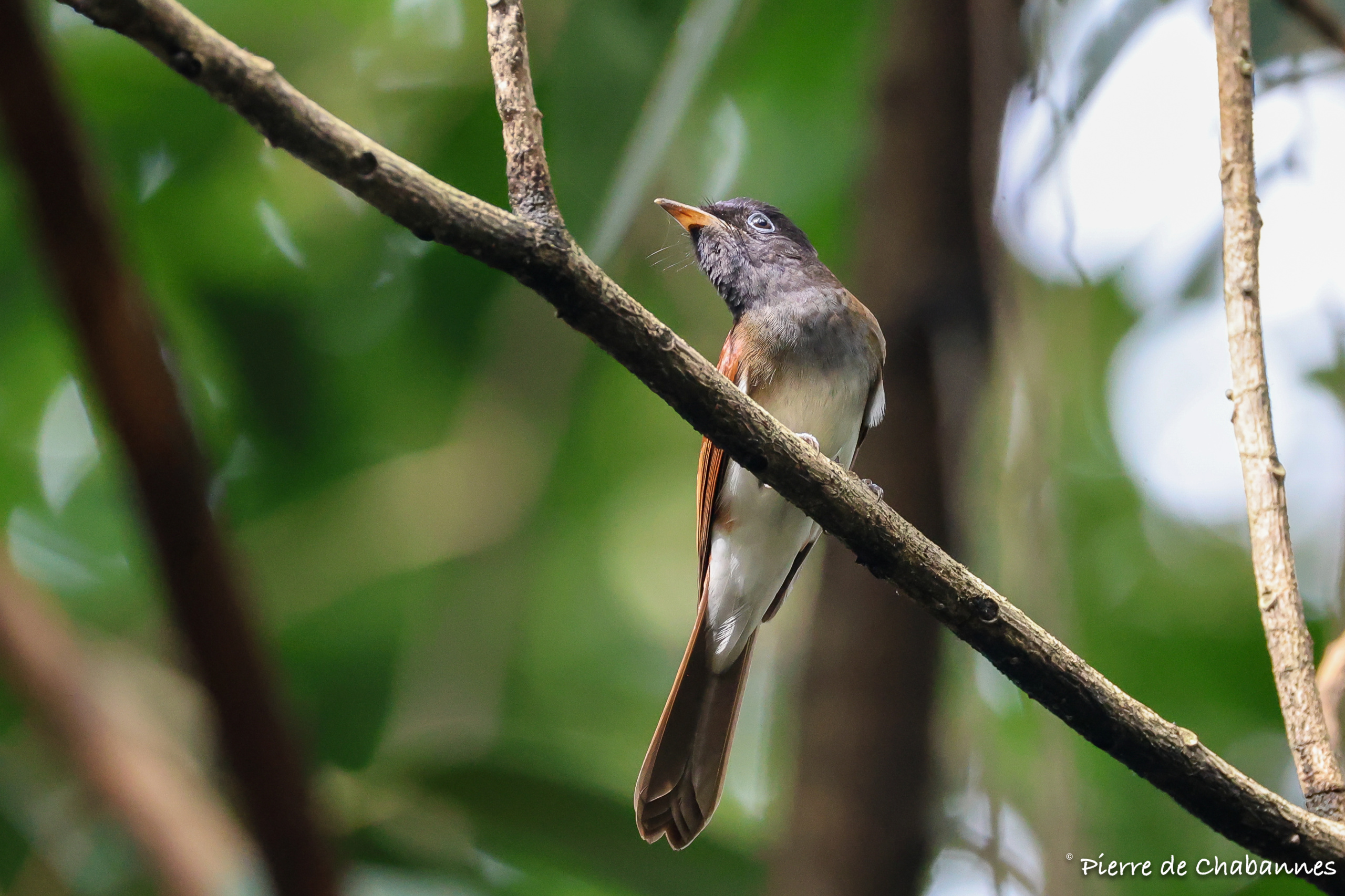
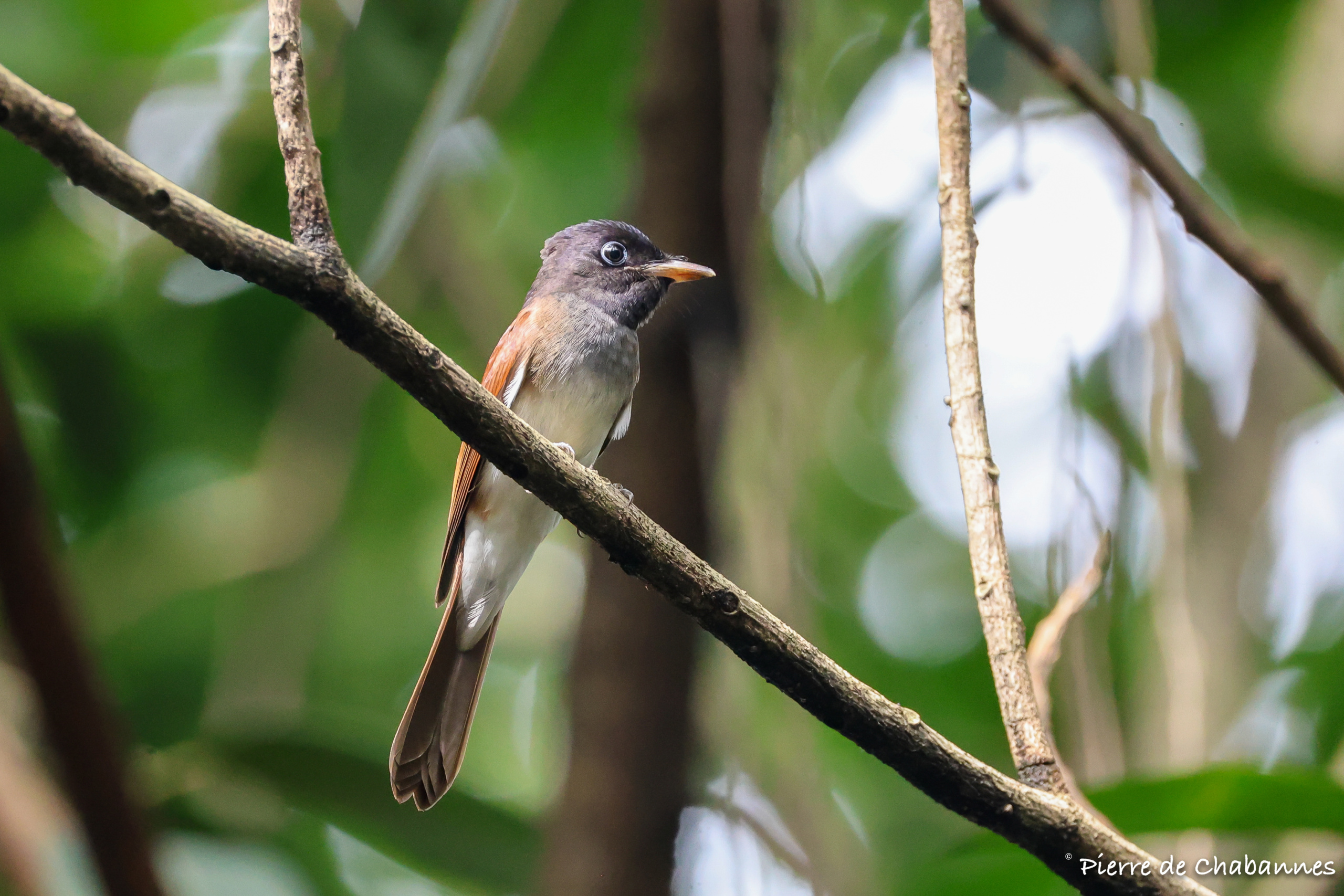
A single female observed on her way to her wintering grounds on Luzon (Philippines). She stayed for a few days in Ninoy Aquino Park, right in the heart of Manila where she was a major attraction for most wildlife enthusiasts.
Field notes
Every year, birders from across the Philippines gather at Ninoy Aquino Park, a lush green oasis and wildlife rescue center located in the heart of Manila in order to photograph unusual bird species during their migration. The black paradise-flycatcher is always one of the most sought after species at that time.
When I was in Manila, only one female was present. She was noticeable because of her head shape with a small crest, visible clear periophthalmic ring and wider bill. She also had a distinctive way of flying around, scanning for food. Nonetheless, it was often difficult to keep track of her among the group of Yellow-vented Bulbuls she accompanied during her three-day stay in the park.
Like many paradise-flycatchers, the species is constantly active and rarely remains in one place for long. Individuals frequently make short aerial sallies to capture insects before returning to a perch, making photography both challenging and rewarding.
Key facts
The subspecies periophthalmica breeds only on Lanyu Island off Taiwan and on Batan Island in the extreme north of the Philippines. It winters in north and west Philippines, on the islands of Luzon, Mindoro and Palawan.
Like other members of the genus Terpsiphone, it feeds primarily on insects captured in flight or gleaned from foliage.
The Black paradise-flycatcher belongs to the monarch flycatcher family (Monarchidae), a group that has diversified extensively across the islands of the Indo-Pacific region.
Conservation
The species is currently listed as Least Concern on the IUCN Red List and remains common throughout much of its range although steep declines have been recorded in the Japanese populations because of habitat loss.
The taxonomy of the Black paradise-flycatcher is still being studied with the island-endemic subspecies periophthalmica and illex possibly being in fact separate species. This could help assessing their conservation status through IUCN as, for now, no assessment on these subspecies has been done.
As a field worker in conservation, I would really like to see more attention paid to the conservation status of subspecies, especially island endemic subspecies. These are vital components of fragile local ecosystems and deserve more protection.
More photos from this observation
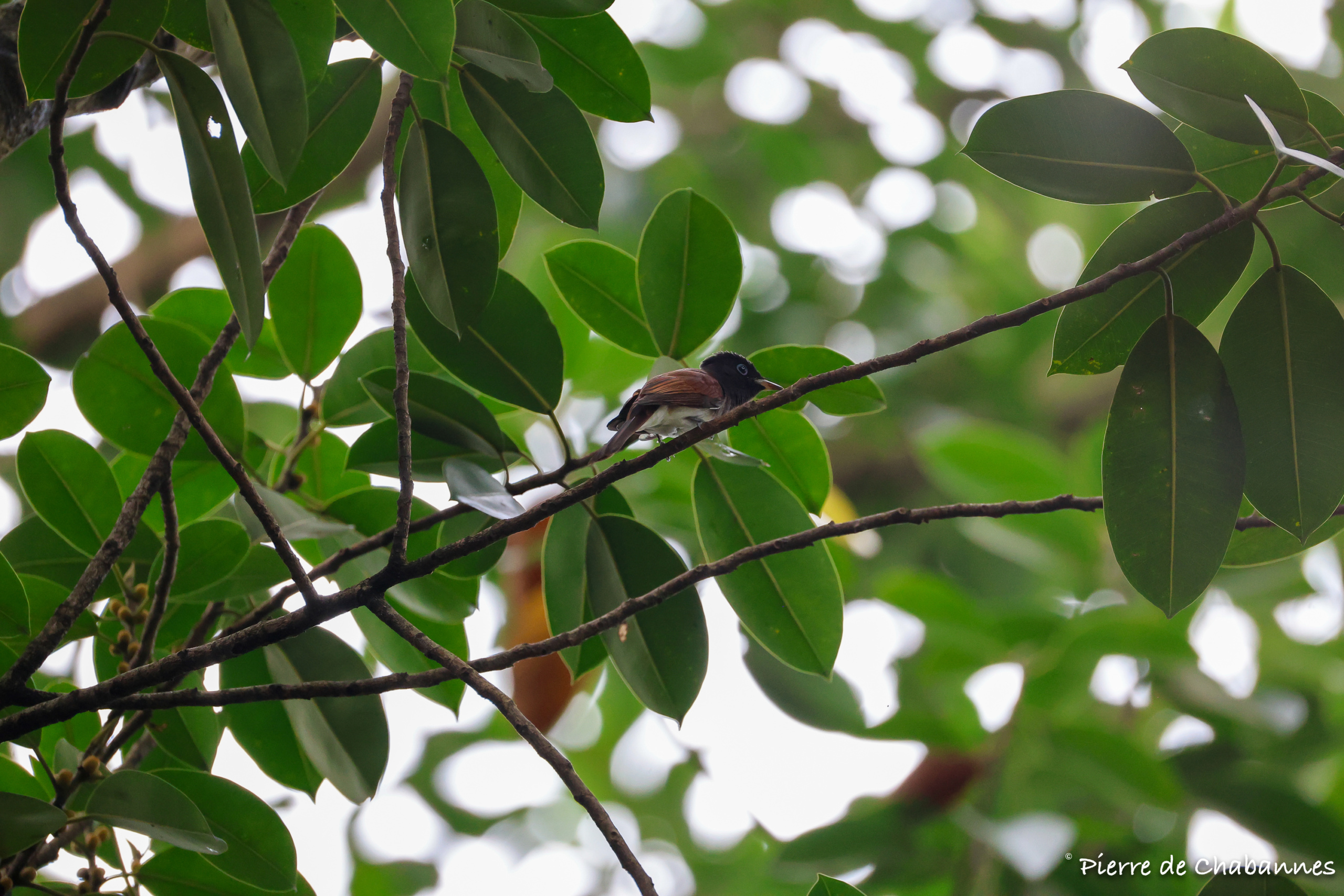
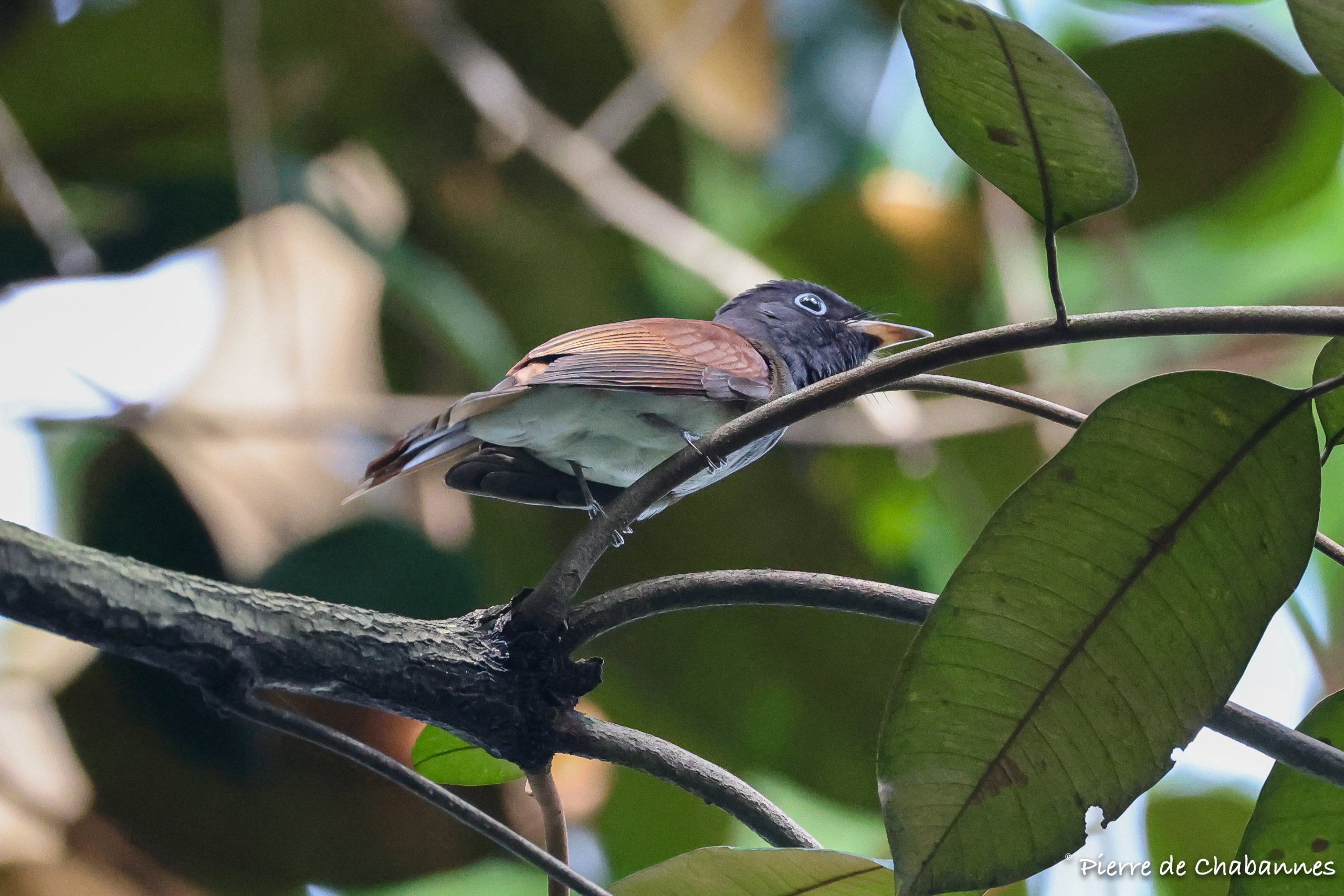
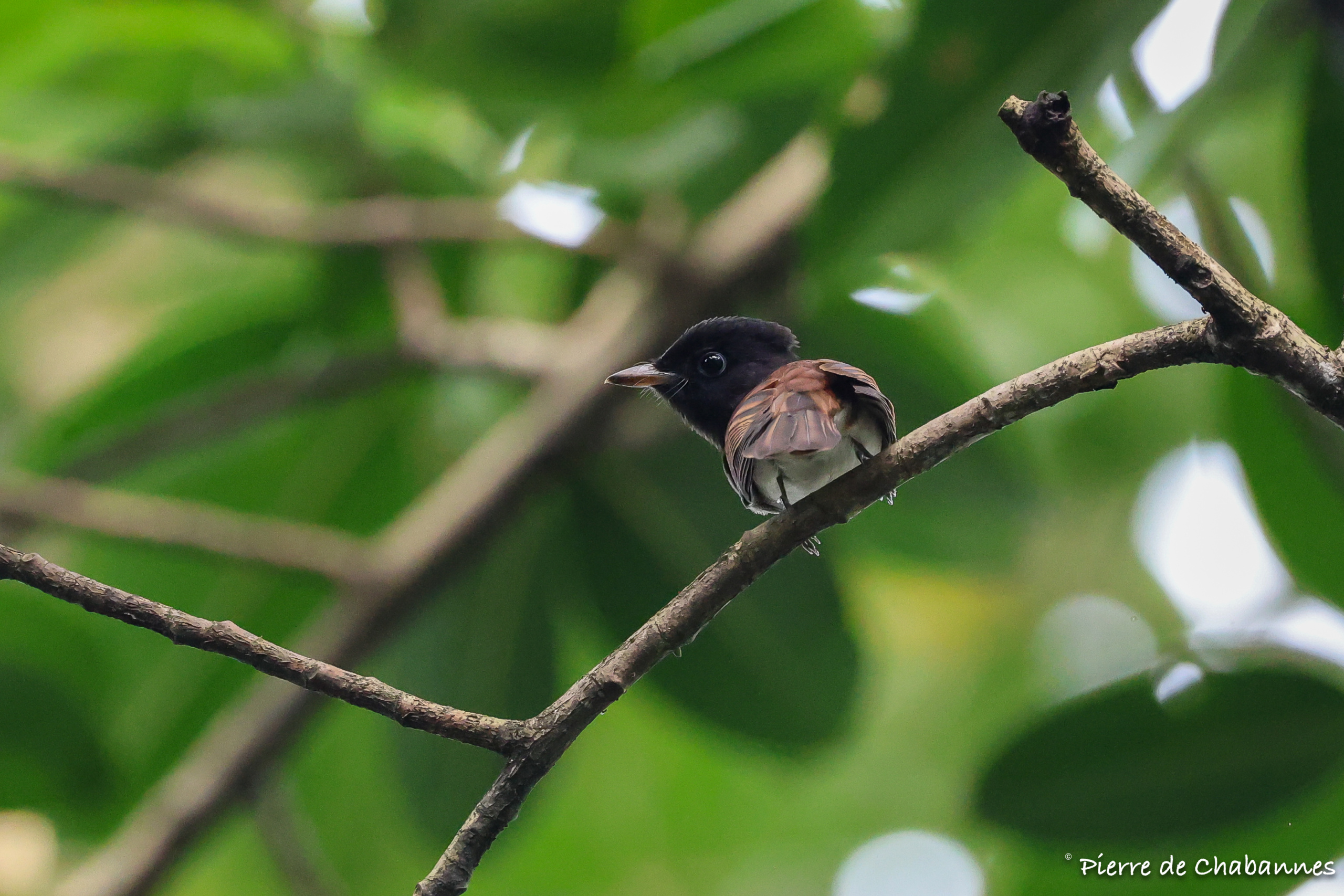
Other insular species can be found by browsing my Education resources.
Back to Island life ←Previous species Next Species →
“A long-term project documenting biodiversity across the world through fieldwork, zoological observations and educational content.”