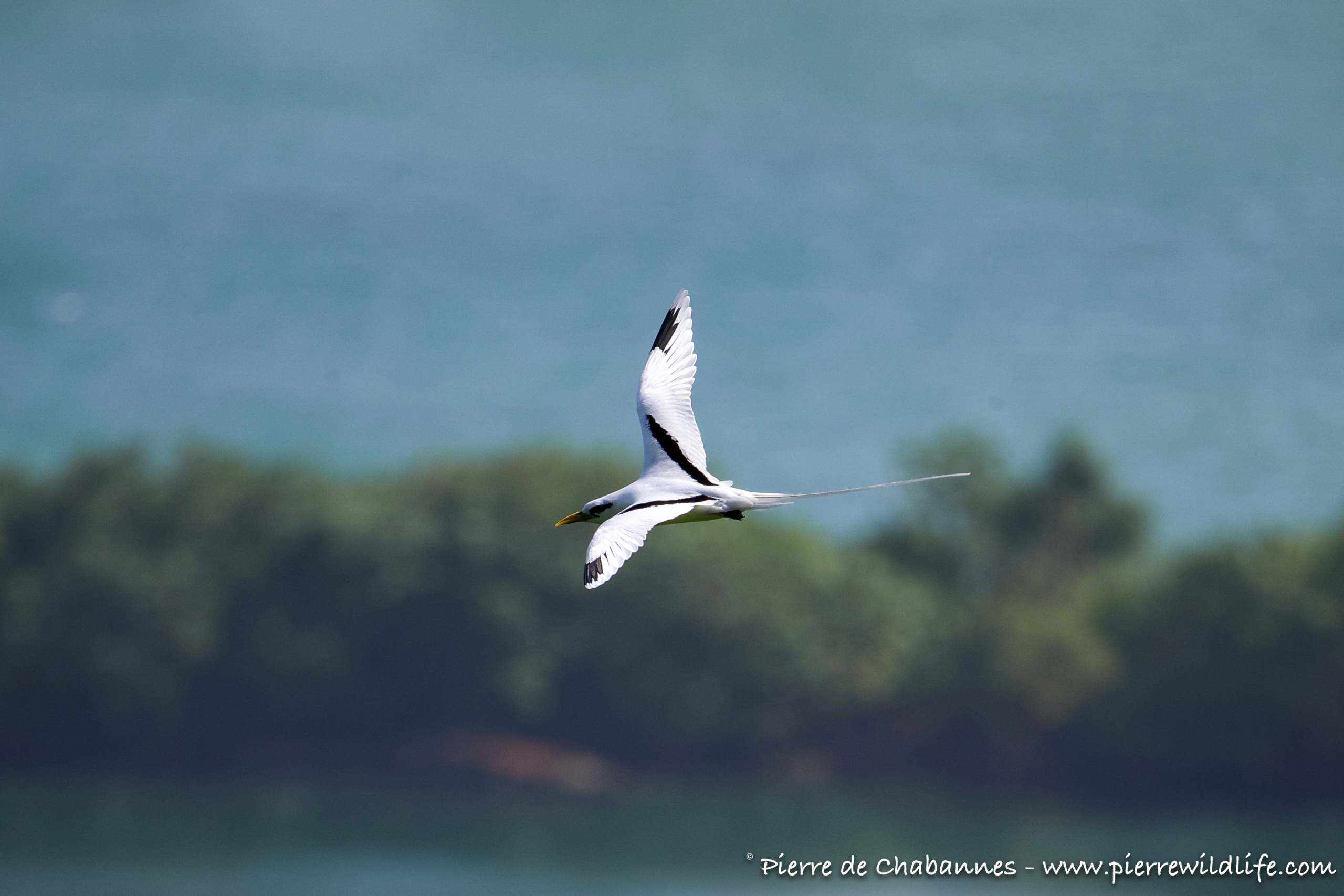
Island life
Islands host unique ecosystems shaped by isolation, where species evolve independently over time.
These observations highlight biodiversity from small and remote islands across Southeast Asia and the Pacific.
Isolation drives the emergence of endemic species, found nowhere else in the world.
 Pohnpei lorikeet (Trichoglossus rubiginosus)
 Christmas Island frigatebird (Fregata andrewsi)
 Long-billed white-eye (Rukia longirostra)
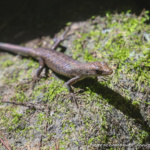 Micronesia spotted skink (Emoia boettgeri)
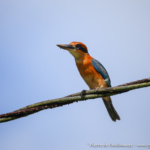 Pohnpei kingfisher (Todiramphus reichenbachii)
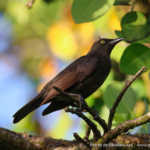 Micronesian starling (Aplonis opaca ponapensis)
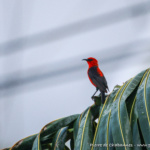 Micronesian myzomela (Myzomela rubratra dichromata)
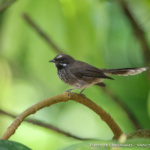 Pohnpei fantail (Rhipidura kubaryi)
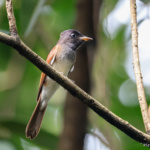 Black paradise-flycatcher (Terpsiphone a. periophthalmica)
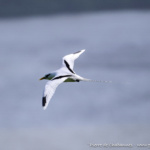 Pacific white-tailed tropicbird (Phaethon lepturus dorotheae)
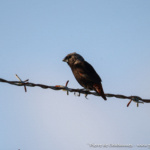 Mottled munia (Lonchura hunsteini)
Why this matters
Island ecosystems are particularly vulnerable to environmental changes, habitat loss, and invasive species. Guam is the perfect example of an island bursting with wildlife where the introduction of a couple of invasive species led to the rapid extinction of several local birds.
Understanding and documenting this biodiversity is essential for its conservation. In the case of Pohnpei (featured here), some of the endemic species are so poorly known that they haven’t been sighted for the past 20 years. I will put together expeditions in the near future to find and document them properly.
This is a selection of a small number of species photographed on Pohnpei Island (Micronesia) in 2023. I also chose to feature two migratory species breeding on very small islands that I photographed during their migration, in Philippines and Indonesia.
Other insular species can be found by browsing my Education resources.
Back to Iconic Species ←Previous theme Next Theme →
“A long-term project documenting biodiversity across the world through fieldwork, zoological observations and educational content.”